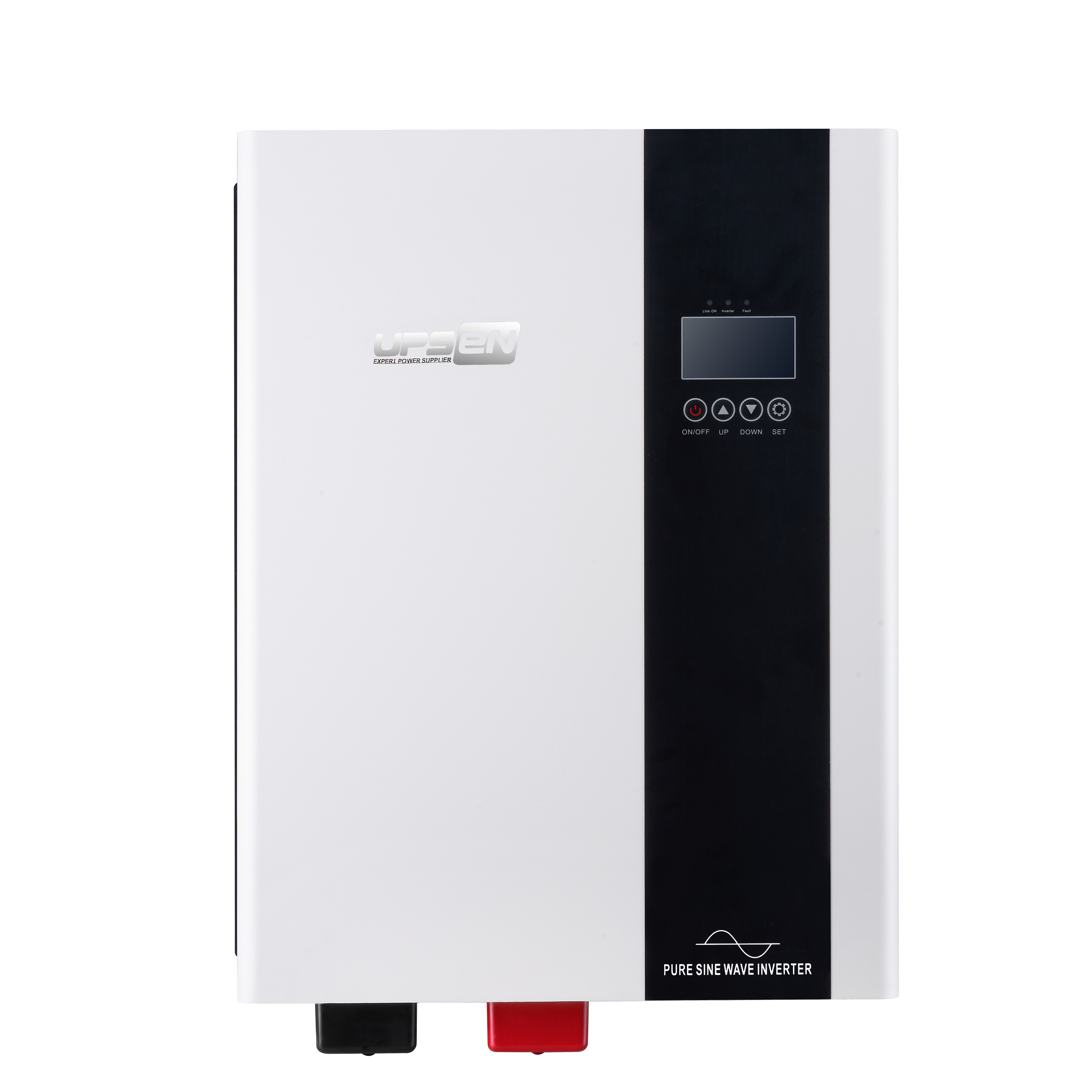
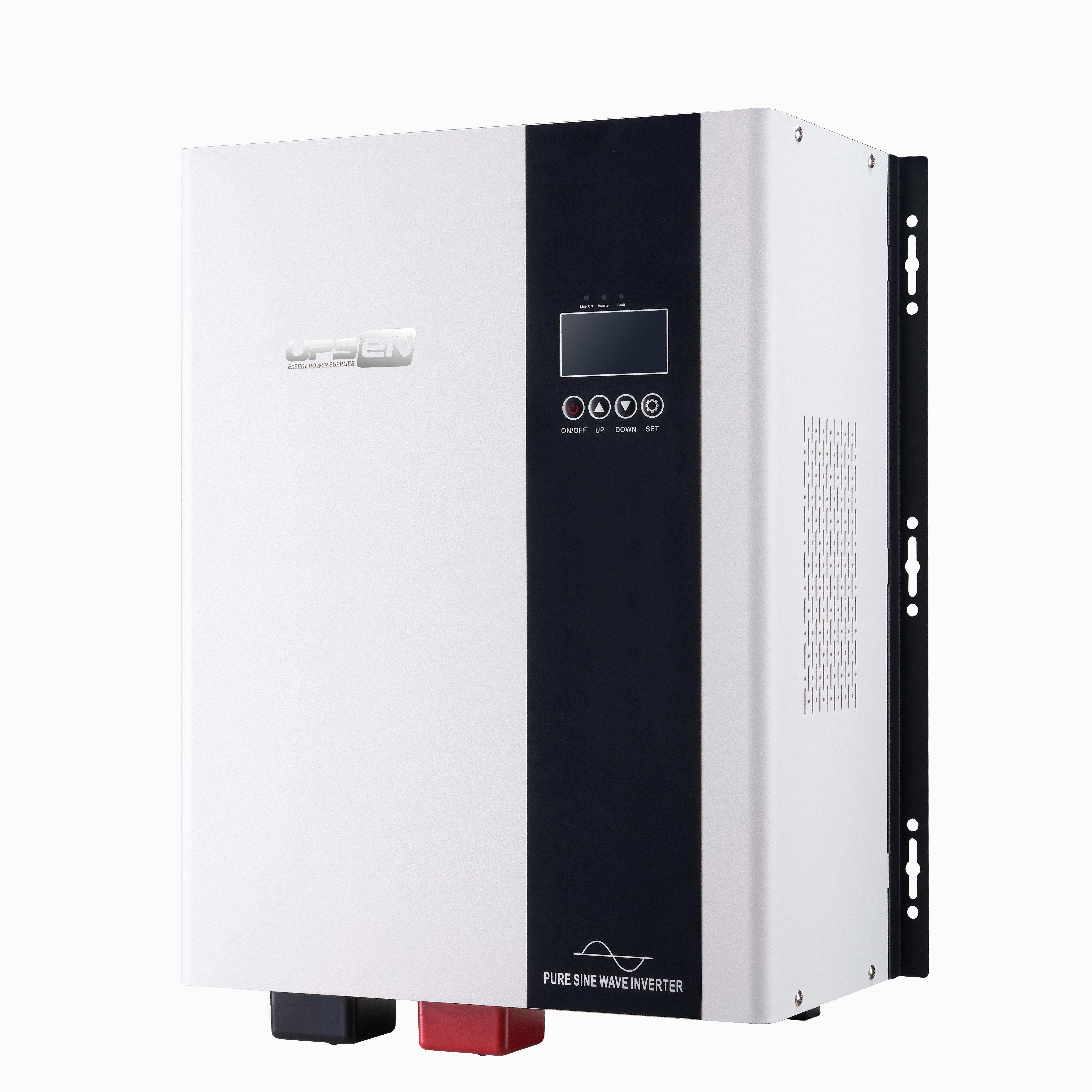
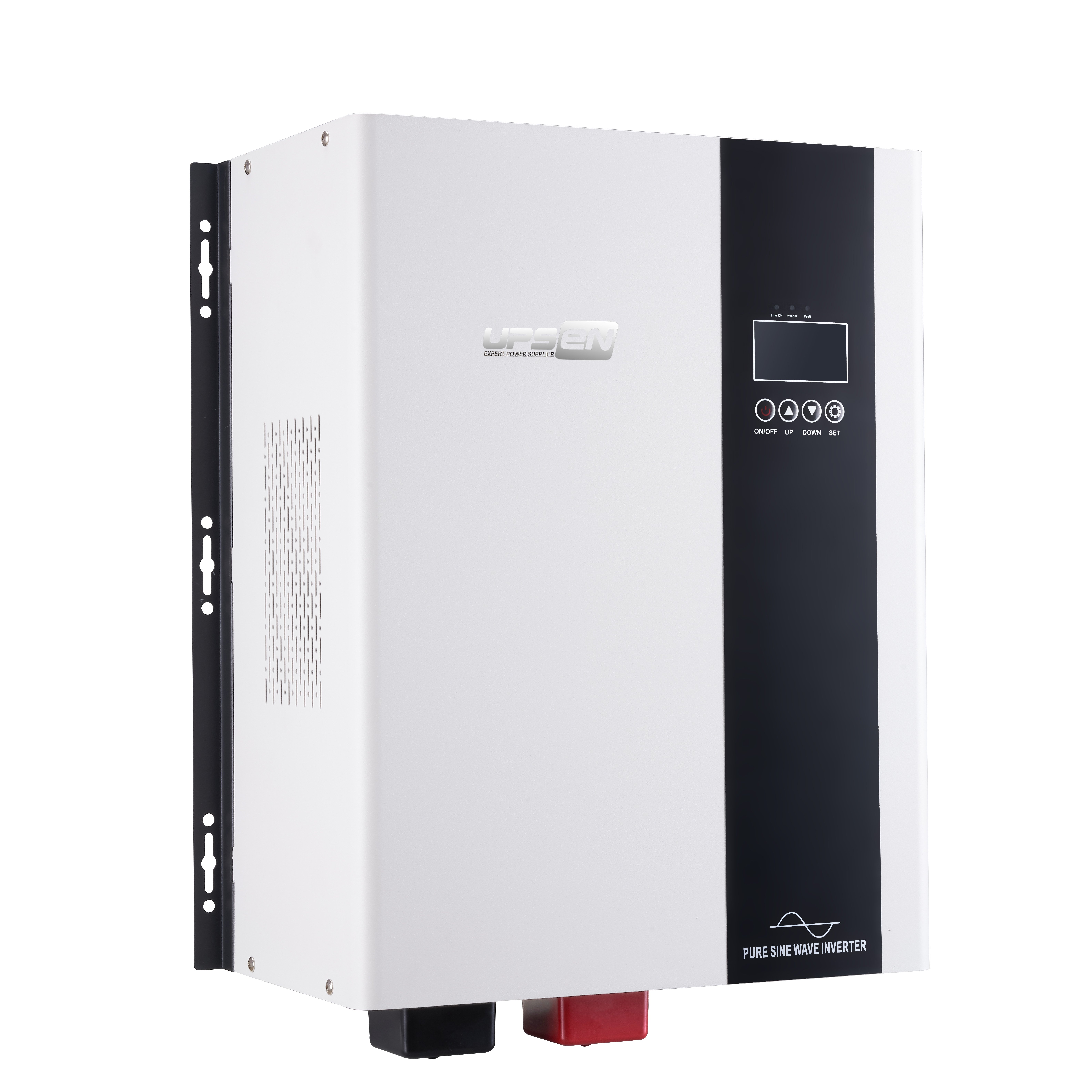
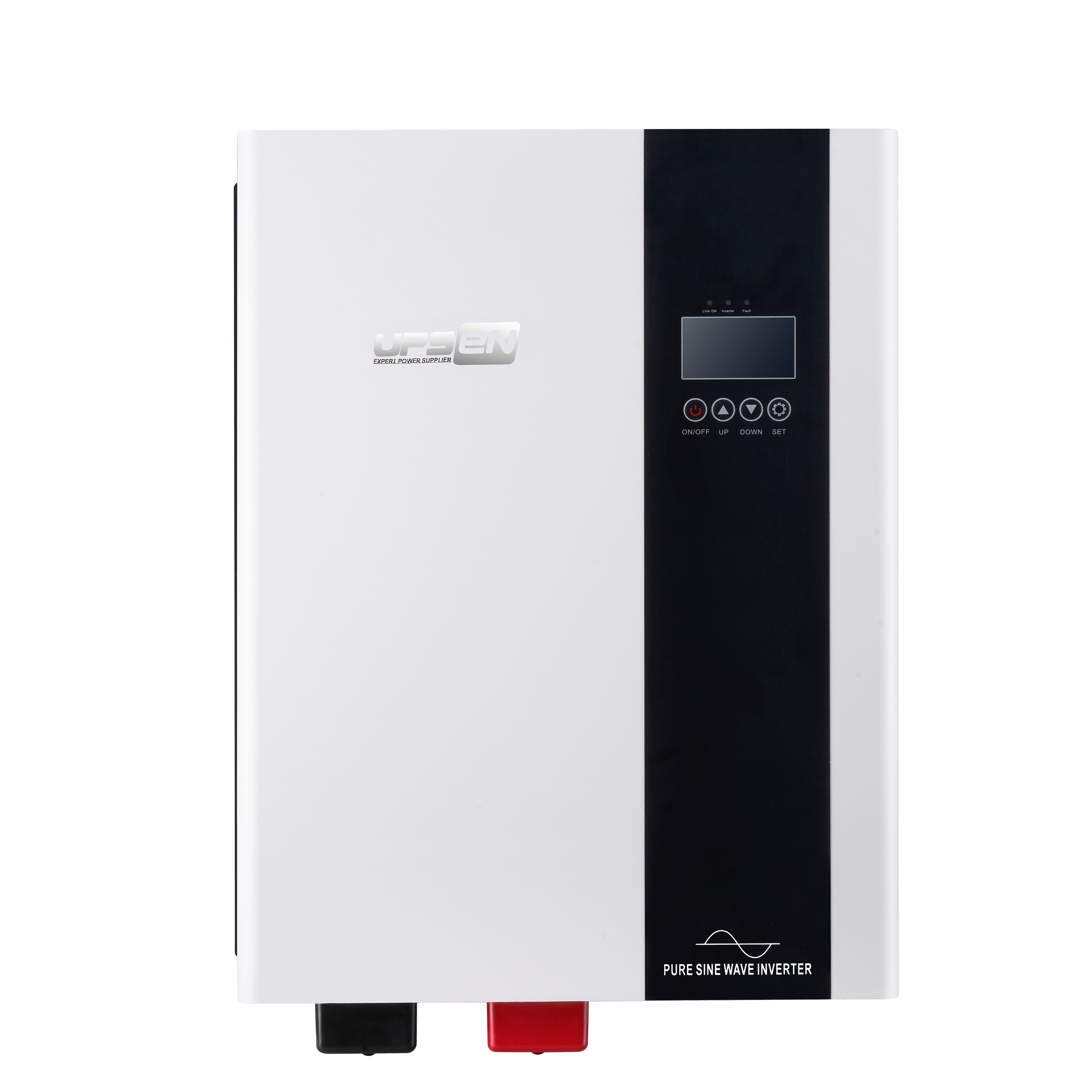
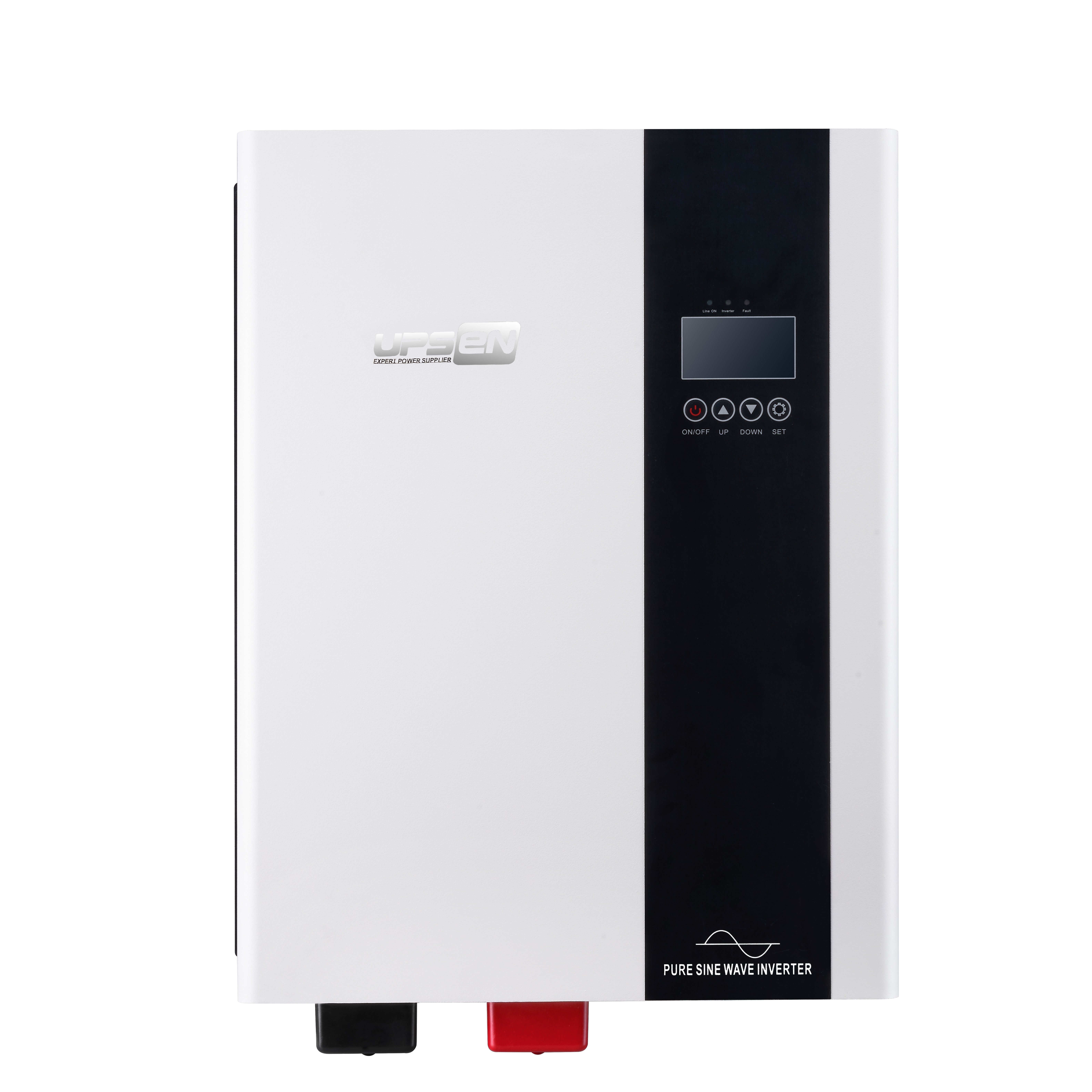
·Puhdas siniaaltoinen lähtö.
·Nimellisteho: 1 kW–12 kW (12 V / 24 V / 48 V / 96 V). Suuri vaihtovirtalatausvirta: 5–35 A, 5–40 A, 5–50 A, 5–70 A (valinnainen)
·UPS-toiminto: automaattinen vaihtovirta–tasavirtamuunnos
·Laaja vaihtovirtajännite- ja taajuusalue vaihtovirta- ja generaattorisyötteelle
·Säädettävä akkujännite eri akkutyyppejä varten, esimerkiksi LD: lyijy-happoakku (oletus), GEL: geeliakkujen käyttö, LI: litiumakku.
·DC-käynnistys ja automaattinen itse-diagnostiikkatoiminto, 5 käyttötilaa valittavissa: 01: Verkkovirta eteenpäin / 02: Energiansäästö / 03: Akku eteenpäin / 04: Käyttämätön tila / 05: Aurinkoenergia eteenpäin
·Korkean hyötysuhteen suunnittelu ja "energiansäästötila" energian säästämiseksi
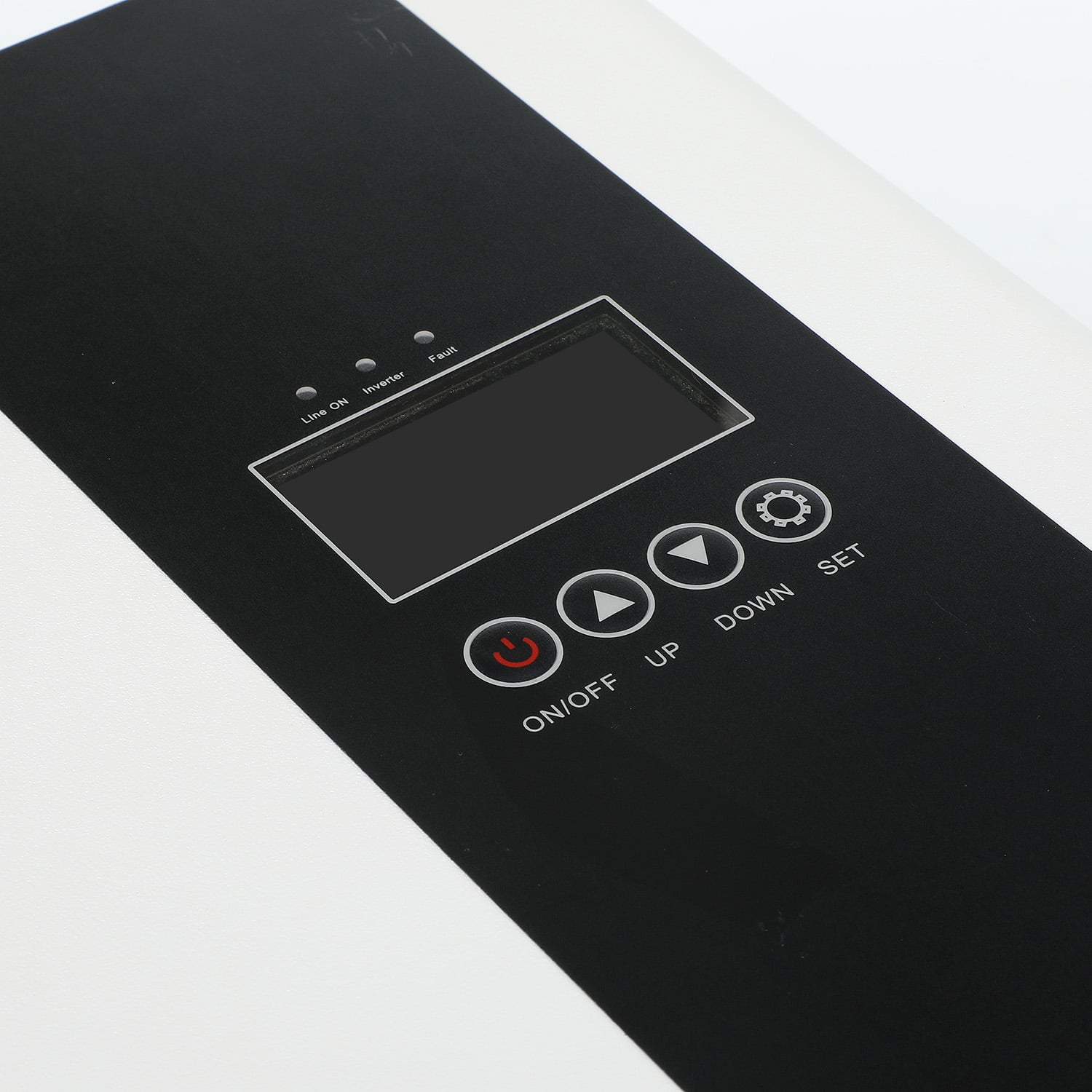
·Älykäs LCD-näyttö ja asetukset (työtilat, latausvirta, latausjännite, AC-tulon jännitealue, akkujännite, akun alajännitesammutus jne.)
·Korkean ja matalan jännitteen suojaus, ylikuormitussuojaus, oikosulkusuojaus, alajännitesuojaus ja ylikuumenemissuojaus, ylijännitesuojaus, akun väärä kytkentä (valinnainen) jne.
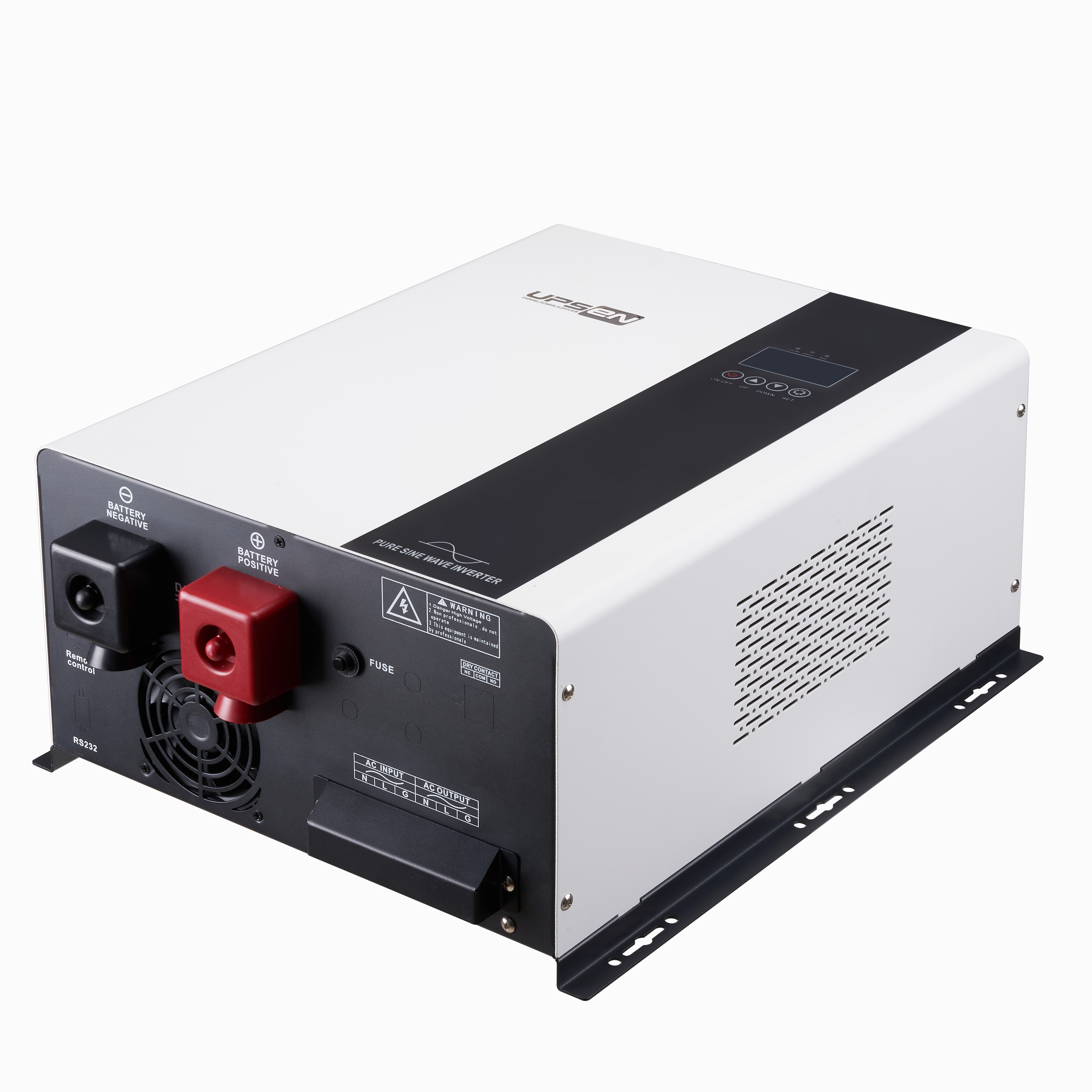
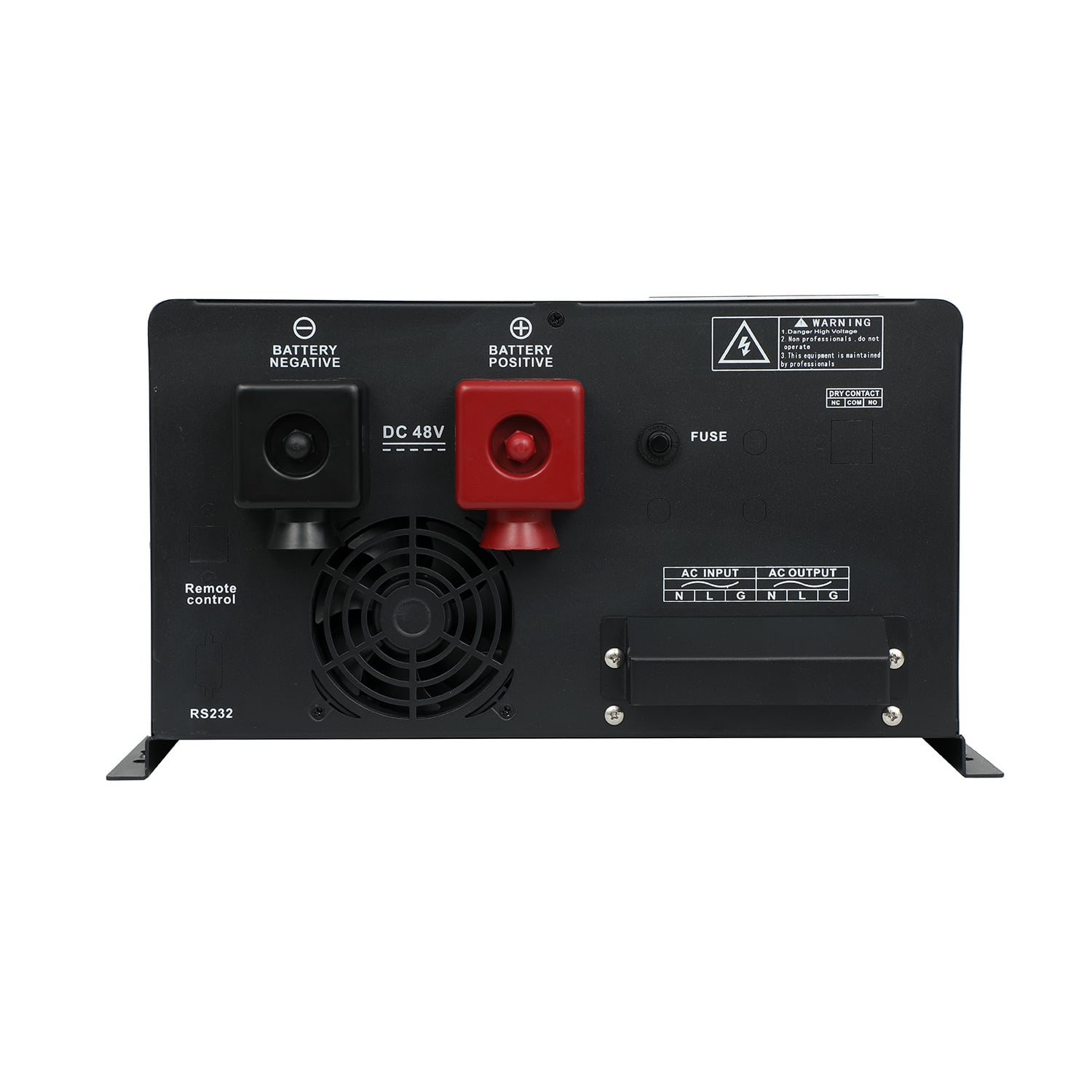
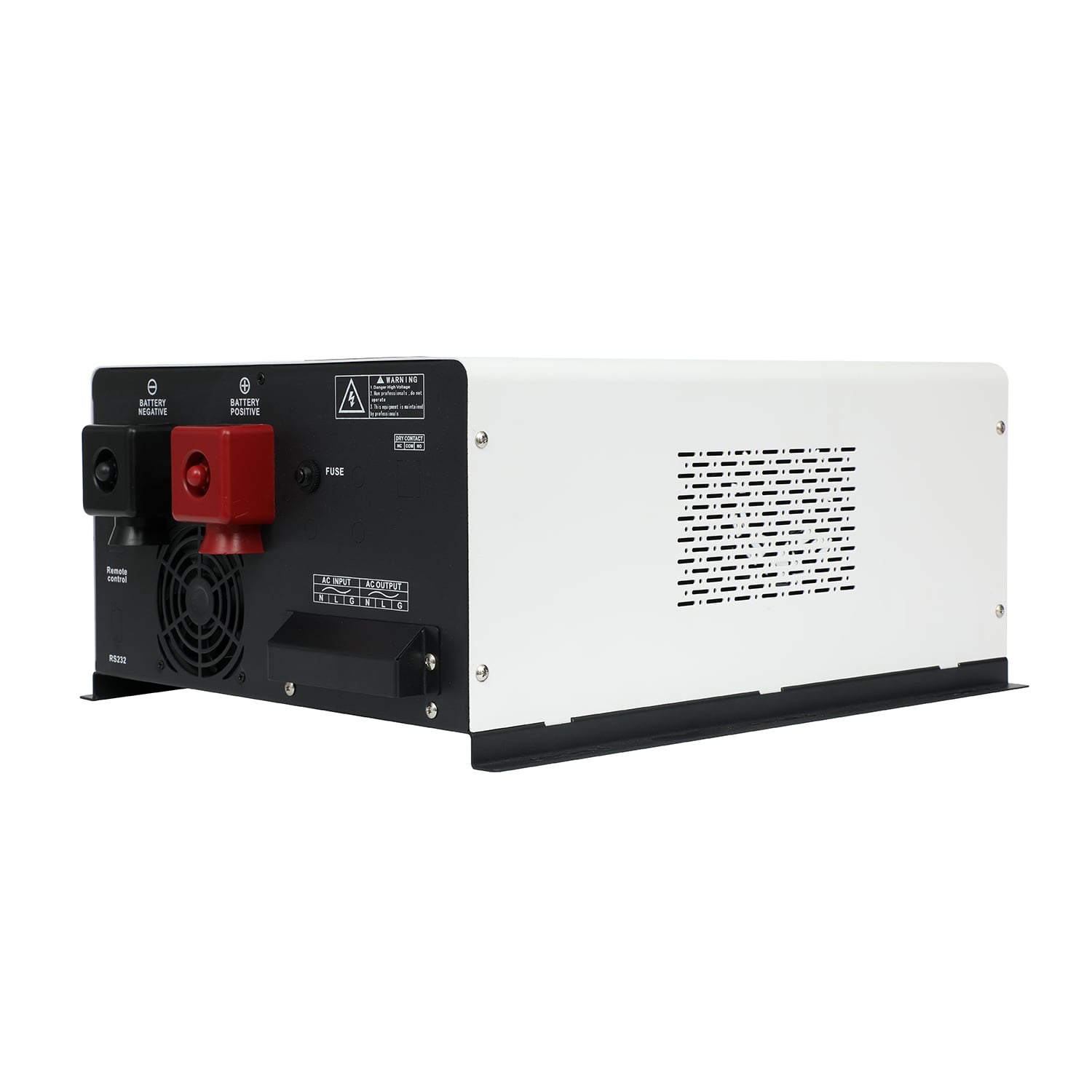
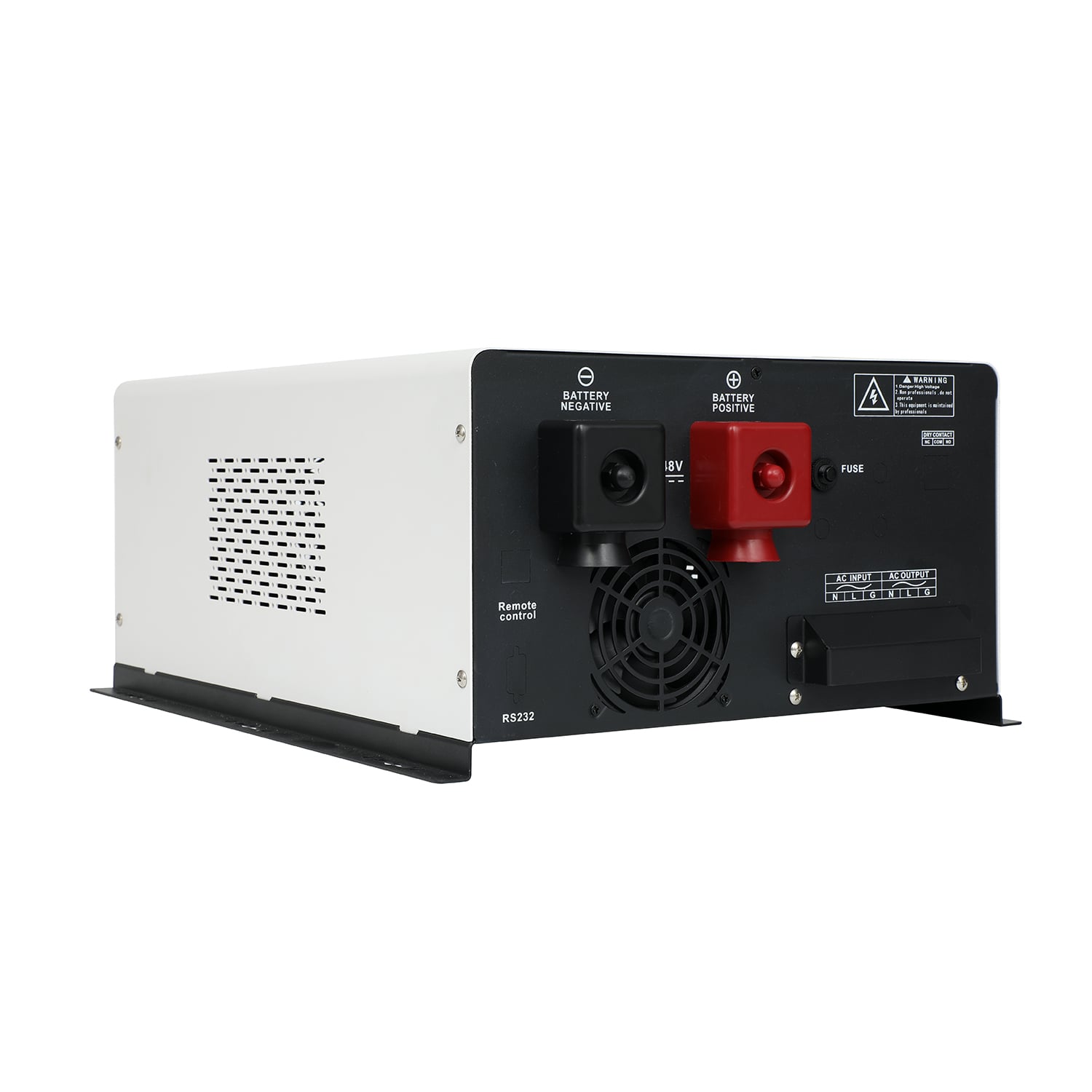
·Tukee RS232- ja RS485-seurantatoimintoja ilmaisella ohjelmalla sekä etäseurantaa (valinnainen)
·Wi-Fi-etähallinta on valinnainen
| Malli | W1000 So | W1500 So | W2000 So | W3000 So | W4000 So | W5000 So | W6000 So | W8K So | W10K So | W12K So | |
| Syöte | Nimelliskapasiteetti | 1000W | 1500W | 2000W | 3000W | 4000W | 5000W | 6000W | 8 kW | 10 kW | 12KW |
| huipputeho | 3000W | 4500 W:n | 6000W | 9000W | 12000 W | 15000W | 18000w | 24kw | 30KW | 36kw | |
| Kaupallisen tehdon alue (VAC) | 110 VAC: 73–137, 120 VAC: 80–150 | ||||||||||
| 220 VAC: 145–275, 230 VAC: 152–288, 240 VAC: 158–300 | |||||||||||
| Verkkojännitteen taajuusalue | 45-65Hz | ||||||||||
| Akka | DC-jännite | 12 VDC / 24 VDC / 48 VDC | 48VDC | 48 VDC / 96 VDC | 96Vdc | ||||||
| DC-voiman syöttöjännitealue | 12 VDC: 10,5–15 VDC, 24 VDC: 21–30 VDC, 48 VDC: 42–60 VDC, 96 VDC: 84–120 VDC | ||||||||||
| Charger | AC-lataus | 0 A–35 A (asetettu LCD-paneelille) | |||||||||
| Lähtö | Kykenee käynnistämään sähkömoottorin | 0.5HP | 1 hv | 1.5HP | 2 hv | 3HP | |||||
| AVR-jännitealue (VAC) | 110 / 120 / 220 / 230 / 240 ±10 % (automaattinen tunnistus) | ||||||||||
| Akun ylikohtausuus | 12 VDC: 16,7 VDC, 24 VDC: 33,4 V, 48 VDC: 66,8 V, 96 VDC: 134 V | ||||||||||
| Akkun ylivirta-alaraja | 12 VDC: 15 VDC, 24 VDC: 30 V, 48 VDC: 60 V, 96 VDC: 120 V | ||||||||||
| Akun alijännitesuojaus | 12 VDC: 10,5 VDC, 24 VDC: 21 V, 48 VDC: 42 V, 96 VDC: 84 V | ||||||||||
| Reunustettu akun alhaisen jännitteen suojelu | 12 VDC: 10 VDC, 24 VDC: 20 V, 48 VDC: 40 V, 96 VDC: 80 V | ||||||||||
| Siirtymisaika | Tyypillisesti: 5 ms (sisältäen havaintoajan) | ||||||||||
| Lämpösuojaus | ≥85 °C: hälytys, ≥90 °C: laite kytkeytyy pois päältä | ||||||||||
| Ylikuormitus | IPS kytkeytyy automaattisesti pois päältä, jos ylikuormitus ylittää normaalin arvon 120 % 10 sekunnin ajan; IPS kytkeytyy automaattisesti takaisin päälle, kun ylikuormitus laskee nimellisarvoon. | ||||||||||
| Aallomuoto | Puhdas sinus-aalto | ||||||||||
| Taajuus | Kaupallinen sähköntoimitus: jaettu taajuus kaupallisessa invertteritilassa: 60/50 ± 0,5 | ||||||||||
| Ulostefrekvenssialue | Seuranta tapahtuu automaattisesti | ||||||||||
| (sähköntoimitustapa) | |||||||||||
| Aurinkosähkö-MPPT-ohjain | MPPT Aurinkosäätölaite | 30 A / 50 A | 50 A / 60 A / 80 A | 80 A / 100 A | |||||||
| Aurinkopaneelin syöttöteho | 360 W / 720 W / 1200 W | 1200 W / 1440 W / 2400 W / 2880 W / 3840 W | 3840 W / 4800 W / 9600 W | ||||||||
| Aurinkopaneelin syöttöjännite (maksimi) | 12 VDC / 24 VDC: 100 V, 48 VDC: 160 V, 96 VDC: 200 V tai 280 V | ||||||||||
| Lämpötila | Toimintatemperatuuri | 0℃~70℃ | |||||||||
| Lämmön avulla tapahtuva menetelmä | Jäähdytyspuhallin älykkäässä ohjauksessa: ≤42 °C – puhallin pyörii hitaasti, ≥45 °C – puhallin pyörii nopeasti | ||||||||||
| Ulkonäkö | Ulkomitat (mm) (p * l * k) | 460 * 230 * 200 mm | 650 * 270 * 200 mm | 763*315*248 mm | |||||||
| Bruttokoko (mm) (p * l * k) | 530*330*255 mm | 740*350*275 mm | 840*405*320 mm | ||||||||
| Nettopaino (kg) | 17 | 21 | 22 | 29 | 37 | 39 | 43 | 60 | 63 | 65 | |
| Bruttoväki (kg) | 19 | 22 | 24 | 31 | 40 | 32 | 45 | 64 | 66 | 68 | |
| *Tekniset tiedot voivat muuttua ilman erillistä ilmoitusta. | |||||||||||
Auringon ensisijainen virranhallintalaitteisto kotikäyttöön ja työpaitoihin
Katon päällä on aurinkopaneelit, varastossa akkupankki, ehkä varalähdegeneraattori ja sähköverkko – kun se vain haluaa ilmestyä. Kysymys ei ole siitä, onko teillä riittävästi energialähteitä. Kysymys on siitä, miten saada ne toimimaan yhdessä ilman, että joudutte seisomaan paikalla ja kääntelemään kytkimiä koko päivän. Tässä roolissa toimii Winner So -sarja. Se on hybridikäyttömuuntaja, joka toimii kuin virranhallintalaitteisto: se päättää reaaliajassa, mistä sähkö teidän tilassa tulee ja mihin se ohjataan. Sen tehoalue on 1 kW–12 kW, joten se soveltuu sekä pienelle mökille että täysin varusteltuun työpaitaan.
Viisi työtilaa: Sinä päättäät
Useimmat invertterit tarjoavat yhden tavan tehdä asiat: ensisijaisesti verkko, varakäyttö akulla. Winner So -invertteri tarjoaa sinulle viisi eri tilaa, joista voit valita sen, joka sopii elämäntyyliisi – tai sähkölaskuusi.
`Verkkoensisijainen tässä klassisessa tilassa käytetään suurimmaksi osaksi sähköverkkoa, akku pidetään täytenä ja siirrytään invertterin käyttöön vain silloin, kun verkko katkeaa. Tämä tila sopii kotitoimistoon alueella, jossa sähkökatkoja esiintyy harvoin – huomaat invertterin vasta silloin, kun valot sammuvat.
`Akkuensisijainen tässä tilassa toimintaperiaate on päinvastainen. Invertteri ottaa ensisijaisesti virtaa akkupankistasi ja yhdistyy verkkoon vain silloin, kun akun jännite laskee määrittelemäsi rajan alapuolelle. Tämä tila sopii aikahinnoittelulliseen sähkötariffiin: lataa akkusi edullisesti yöllä, käytä niitä kalliina päiväaikana ja vältä verkon käyttöä mahdollisimman paljon korkean hinnan aikana.
`Aurinkolatauksen priorisointi on paikka, jossa nimen "So"-osa osoittaa arvonsa. Invertteri ottaa ensin virran aurinkopaneeleistasi, täydentää sitä akulla pilvisenä päivänä ja turvautuu sähköverkkoon (tai generaattoriin) vasta silloin, kun sekä aurinkopaneelit että akku ovat tyhjentyneet. Aurinkoisena päivänä talosi toimii kokonaan ilmaisella sähköllä, ja ylijäämäsähkö lataa akkua myöhempää käyttöä varten. Et siirrä sähköä verkkoon eikä osta sähköä sähköntoimittajalta – elät yksinomaan omasta katostasi.
`Energiansäästötila laskee invertterin käyttöön liittämättömän kuorman aikana taustakäynnissä olevan tilan. Matkailuautoissa tai viikonloppumökkeihin, joissa invertteri saattaa olla päällä mutta käyttämättä tunteja, tämä vähentää invertterin omaa sähkönkulutusta ja pidentää akun käyttöikää.
`Automaattinen tila on tarkoitettu kaukana sijaitseville kohteille, joita ei voida käydä tarkistamassa viikoittain – esimerkiksi tietoliikennetasemille, vesipumpuille tai valvontamökkeihin. Invertteri hoitaa kaiken itse: se käynnistyy uudelleen vikatilanteiden jälkeen, vähentää kuormaa tarvittaessa ja pitää akut terveinä ilman, että kukaan tarvitsee koskea painikkeeseen.
Valitset tilan näytöltä, ja laite muistaa valinnan. Tämä ei ole markkinointitemppu; kyseessä on todellinen konfiguroitavuus, joka muuttaa järjestelmän toimintatapaa.
Aurinkoensimmäinen – ilman erillistä laturia
"So"-versio on suunniteltu erityisesti aurinkoenergian integrointia varten. Se toimii ulkoisen laturin kanssa ja muuttaa aurinkopaneelikentäsi ensisijaiseksi energialähteeksi. Kun aurinko paistaa, invertteri priorisoitaa aurinkopaneelien tuottamaa sähköä sekä kuorman käyttöön että akkujen lataamiseen. Jos myös verkkosähkö on saatavilla, voit määrittää, miten aurinko- ja verkkosähkö yhdistetään: aurinkosähkö ensin, verkkosähkö vain tarvittaessa. Suurella aurinkopaneelikentällä varustetussa taloudessa tämä tarkoittaa lähes nollan hyödyntämistä sähköverkosta kesällä. Maatilalla tai työpajassa tämä tarkoittaa, että päivällä käytettävät koneet toimivat aurinkosähköllä.
Konfiguroitava lataus: nopea täyttö tai hiljainen hidaslataus
Jos sinulla on generaattori, jokainen sen käyntiminuutti maksaa polttoainetta. Winner So -laitteessa on vaihtoehtoisia AC-latausvirtoja, jotka vaihtelevat mallista riippuen 5–35 A:sta aina 5–70 A:an saakka. Tämä on todella nopea latausnopeus. 48 V:n akkupankki voidaan ladata puolestaan täyteen muutamassa tunnissa generaattorin käytön aikana, eikä koko päivän ajan. Lisäksi koska virta on säädettävissä, voit vähentää sitä pienempään akkuun tai nostaa sitä, kun poltat dieselöljyä ja haluat tehdä työn mahdollisimman nopeasti.
Akun kemiallinen koostumus on sinun valintasi
Winner So toimitetaan esiasennuksilla kastetulle lyijy-lyijyakulle, geelille ja litiumille (LiFePO4). LCD-näytön kautta voit valita akun kemiallisen koostumuksen sekä säätää latausjännitteen, lepovirran jännitteen ja alajännitekatkaisun kynnysarvon vastaamaan tarkalleen omaa akkupankkiasi. Jos litiumakun valmistaja suosittelee tiettyä absorptiojännitettä, voit asettaa sen. Jos huolehdit vanhemmasta lyijy-lyijyakkupankista, joka vaatii hieman korkeampaa lepovirtajännitettä, voit säätää sitä vastaavasti. Invertteri ei pakota yhtä kaikkia sopivaa latauskäyrää.
Puhtaasti sinimuotoinen vaihtojännite ja UPS-toiminto
Tulostus on puhtaasti sinimuotoinen — riittävän puhdas, jotta herkät elektroniset laitteet toimivat viileästi, moottorit käynnistyvät sujuvasti ja tuuletin- tai LED-ohjaimien ärsyttävä humina ei kuulu. Sisäänrakennettu UPS-toiminto tarkoittaa, että siirtyminen verkkovirrasta akkuun tapahtuu niin nopeasti, ettei tietokone käynnisty uudelleen, reititin ei katkaise yhteyttä eikä DVR-laitteisto jää ottamatta tallennetta. Tämä ei ole lisätoiminto; se on integroitu DSP-ohjaukseen, joka seuraa jatkuvasti verkkovirtaa ja kytkentää yli ennen kuin aaltomuoto romahtaa.
Älykäs LCD-näyttö, joka todella mahdollistaa asetusten muuttamisen
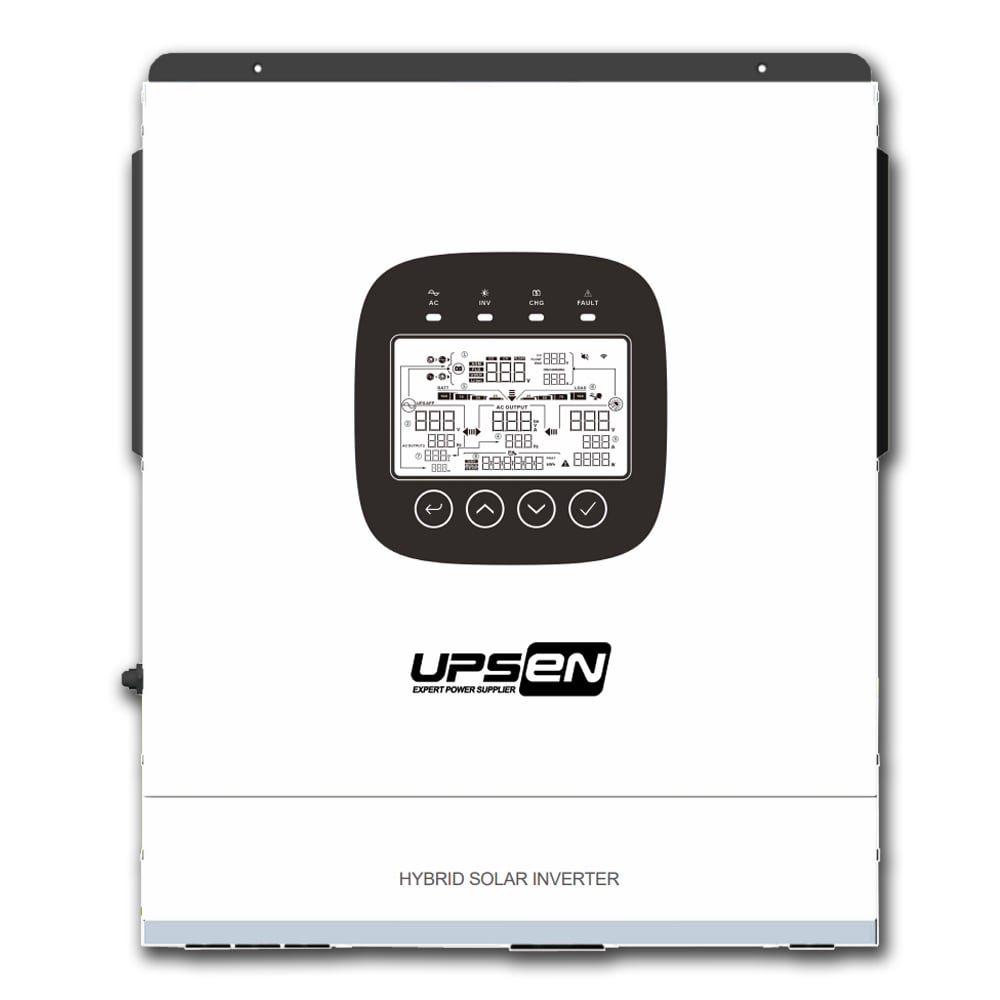
Etupaneeli ei ole vain näyttö—se on ohjauskeskus. Älykäs LCD-näyttö näyttää yhtä aikaa tulojännitteen, lähtöjännitteen, kuormitustason, akun tilan ja käyttötilan. Mutta tärkeämpää on, että voit muuttaa asetuksia ilman kannettavaa tietokonetta tai käyttöoppasta: työtila, latausvirta, latausjännite, tulojännitteen alue ja akun matalajännitekatkaisu. Jos haluat säätää järjestelmän vastaamaan uutta akkuryhmää tai erilaista käyttötapaa, teet sen suoraan laitteella.
Suojatoimet, jotka eivät huuda pelosta
Korkea jännite, alhainen jännite, ylikuormitus, oikosulku ja ylikuumeneminen – kaikki on kattettu. Lisäksi on saatavilla valinnainen akun väärän suuntaisen kytkennän suojaus, joka estää kalliin kytkentävirheen. Käynnistysvaiheessa laite suorittaa automaattisen itsediagnostiikan ja tarkistaa sisäiset komponentit ennen kuin se aloittaa kuorman syöttämisen. Jos vika aiheuttaa poiskytkennän, invertteri yrittää ensin poistaa vian ja käynnistää uudelleen ennen lopullista pysähtymistä. Tämä säästää sinut matkalta varastoon, kun ongelmana oli vain jääkaapin kompressorin käynnistyminen samanaikaisesti työkalun kanssa.
DC-käynnistys ja -valvonta
DC-käynnistys tarkoittaa, että voit käynnistää invertterin suoraan akusta ilman verkkovirtaa, aurinkopaneelijärjestelmää tai generaattoria. Katkonaikaisen virran palautumistilanteessa tämä on välttämätöntä. Standardit tiedonsiirtoportit ovat RS232 ja RS485, ja paikalliselle valvonnalle on saatavilla ilmainen tietokoneohjelma. Jos haluat tarkistaa järjestelmäsi talosta – tai jopa toisesta kaupungista – valinnainen WiFi mahdollistaa etähallinnan mobiilisovelluksen kautta.
Missä voittaja juuri sopii
Tämä on invertteri kaikille, joilla on aurinkopaneeleja ja jotka haluavat niistä pääasiallisen sähkönlähteen:
`Kodit, joissa on suuria katopaneeleita ja joiden sähköhinnat vaihtelevat ajan mukaan
`Verkosta irrallaan olevat mökit ja tilat, jotka haluavat käyttää päivällä pääasiassa aurinkoenergiaa
`Työpajat ja pienet tehtaat, joiden päivittäiset toiminnot voidaan kattaa aurinkosähköllä
`Maaseudun sairaalat ja koulut, joissa aurinkoenergia on halvin ja luotettavin energialähde
`Kaikki, jotka ovat kyllästyneet maksamaan verkkosähköstä, kun katon aurinkopaneelit tuottavat enemmän kuin riittää
Winner So -sarjan invertteri ei ole perusvarainvertteri, johon on lisätty aurinkopaneelin tulo. Se on tarkoituksellisesti suunniteltu hybridinvertteri, joka asettaa aurinkoenergian eteenpäin, antaa sinulle todellisen valvontaoikeuden sähkön prioriteeteissa ja sopeutuu akkujen kemialliseen koostumukseen sekä lataustarpeisiin. Jos olet jo investoinut aurinkopaneeleihin, tämä invertteri varmistaa, että hyödynnät todella niiden tuottamaa energiaa.

tongfang Center, 1409–1410, Zhongxin-tien ja Haoxiang-tien risteys, Xinqiao-kaupunginosa, Bao'an-piiri, Shenzhen, Kiina.
Tekijänoikeus © Shenzhen UPSEN Electronic CO., LTD. Kaikki oikeudet pidätetään Tietosuojakäytäntö
 EN
EN