Իրական անընդհատ կրկնակի փոխաпреобразում —Ոչ մի մասնակի լուծում
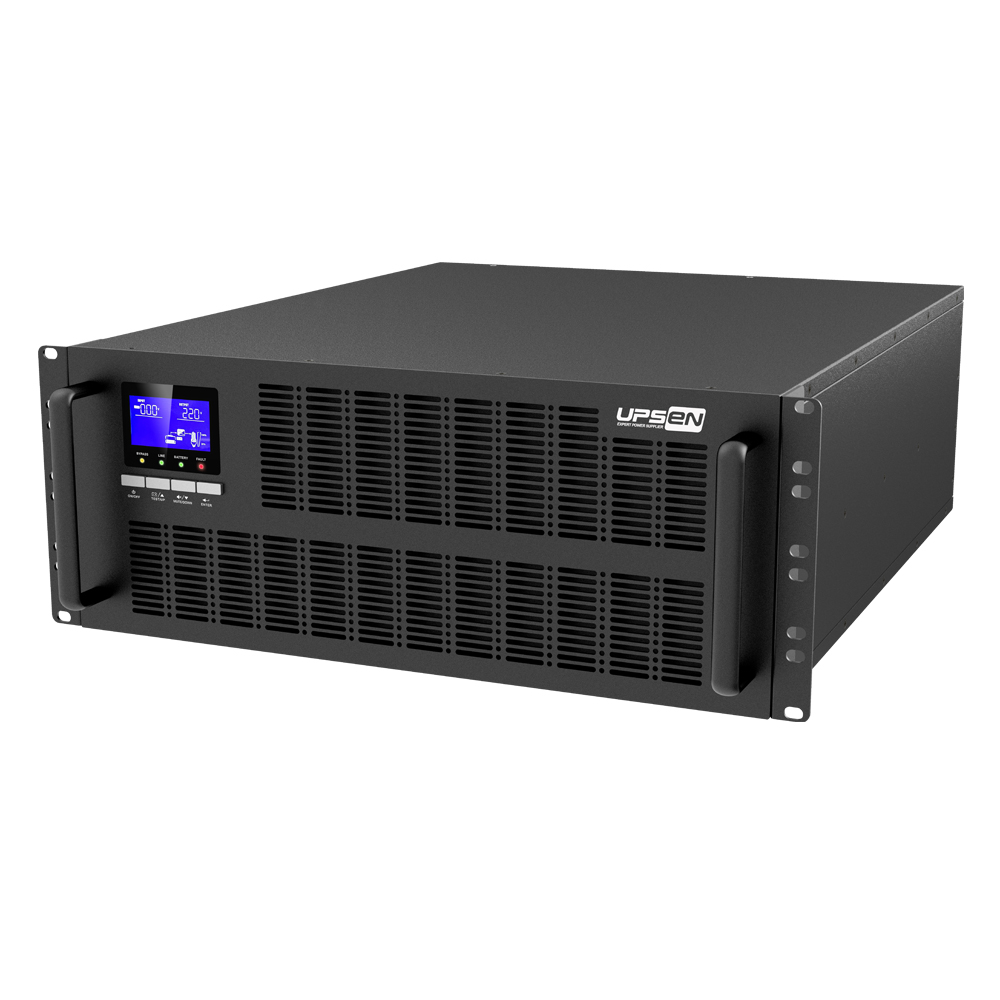
Առաջինը՝ ամենակարևոր մասը. սա իսկապես բարձր հաճախականության անվտանգ աշխատանքի UPS է: Դա նշանակում է կրկնակի փոխաпреобразում ամեն պահի: Ինվերտորը երբեք չի հանգստանում: Մուտքային փոփոխական հոսանքը ուղղաձիգվում է միշտական հոսանքի, մաքրվում է ֆիլտրով և ապա վերակառուցվում մաքուր սինուսային ալիքի տեսքով: Ձեր սարքավորումները յուրաքանչյուր վայրկյան աշխատում են վերականգնված հոսանքի վրա: Երբ ցանցը անջատվում է, տեղափոխման ժամանակ չկա 'երբ ցանցը անհաջողվում է, տեղափոխման ժամանակ չկա —մեկուսացված մարտկոցը պարզապես սնում է DC միացման գիծը, և ելքը 'չի մերկանում: Չնայած մեկ միլիվայրկյանի: Սերվերների, ցանցային ս witches-ների կամ արդյունաբերական կառավարիչների նման զգայուն սարքավորումների համար, որոնք գրանցում են յուրաքանչյուր հոսանքի թավշյա տատանում, սա հիմնական պահանջն է:
Կոնֆորմալ ծածկույթ՝ Անտեսանելի պաշտպանություն
Շատ UPS-ների սխեմային վահանակները բաց են —բացահայտված պղնձե հետքեր և սոլդատավորված միացումներ՝ գտնվելով այն օդում, որն անցնում է օդափոխիչի միջով: Խոնավ ափամերձ վայրում կամ փոշոտ հացահատիկների մշակման սարքավորումներում դա 'կարող է հանգեցնել դանդաղ կոռոզիայի կամ հաղորդական փոշու միջոցով հետքերի միացման և ֆանտոմային սխալների առաջացման: RS շարքի սխեմային վահանակները ստանում են համապատասխան ծածկույթ —մի բարակ, թափանցիկ շերտ, որը կանխում է խոնավության, փոշու և թեթև քիմիական նյութերի ներթափանցումը: Դա 'նույն տեսակի պաշտպանությունն է, որը հանդիպում է ռազմական էլեկտրոնիկայում և արտաքին օգտագործման համար նախատեսված սարքավորումներում: Եթե դուք 'երբևէ ունեցել եք UPS-ի անհայտ պատճառով անսպասելի անսարքացում երկու խոնավ ամառ անցկացնելուց հետո, սա հենց այդ խնդրի լուծումն է:
Լայն մուտքային լարման շրջանակ՝ մեկուսացնելով մարտկոցը
Մուտքային լարման շրջանակը 90Վ–ից 300Վ է, իսկ հաճախականության թույլատրելի շեղումը ընթանում է 40–70 Հց դա 'բավարար լայն է, որպեսզի UPS-ը չվախենա ցանկացած անգամ, երբ ցանցը թուլանում է՝ մեծ օդային սեղմատակի միանալու պահին: 'այն շարունակում է աշխատել ցանցի միջոցով խորը լարման իջեցումների և միջին լարման բարձրացումների ժամանակ՝ միայն այն դեպքում անցնելով մեկուսացված ակումուլյատորի վրա, երբ լարումը իսկապես դուրս է գալիս թույլատրելի սահմաններից: Սա պահպանում է ակումուլյատորը լիովին լիցքավորված իրական լարման բացակայության դեպքում և երկարացնում է նրա աշխատանքային կյանքը՝ ավելի քիչ անհրաժեշտ չլինող լիցքավորման/մարման ցիկլերի և ավելի քիչ մաշվածության շնորհիվ: Եվ քանի որ տիրույթը բավարար մեծ է, RS սերիան բնականաբար —է: համատեղելի է գեներատորի հետ շատ ճշգրիտ լարման և հաճախականության կարգավորմամբ արտադրական գեներատորը 'չի առաջացնի UPS-ի միջև մեկուսացված ակումուլյատորի և շրջանցման ռեժիմի անհանգստությունը: Այն համաժամանակեցվում է, ընդունվում է և մատակարարում մաքուր ելքային ազդանշան, մինչդեռ գեներատորը կատարում է իր աշխատանքը:
Մուտքային հզորության կոեֆիցիենտի ճշգրտում. Ավելի հեշտ է լարման մասնակցության համար
Ակտիվ մուտքային հզորության կոեֆիցիենտի ճշգրտում մուտքային հզորության կոեֆիցիենտը բարձրացնում է 0,99-ից վեր: Պարզ լեզվով ասած՝ UPS-ը հոսանքը վերցնում է մաքուր ձևով և լարման հետ փուլում: Սա նվազեցնում է ձեր լարման մասնակցության մեջ անցնող ռեակտիվ հոսանքը, նվազեցնում է I ² R կորուստները և ավելի քիչ ջերմային լարվածություն է ստեղծում վերին շղթայաբեկիչների և տրանսֆորմատորների վրա: Եթե 'վահանակից մինչև հեռավոր UPS տեղանք երկար մալուխ անցկացնելիս արդյունավետության աճը նկատելի է։ Դուք կարող եք նույնիսկ խուսափել սնուցող մալուխի չափսերի մեծացման ծախսերից։
Կարող է կառավարել այն բեռնվածքները, որոնք ավելի թանկ սարքերի մոտ ավտոմատ անջատվում են
Ոչ բոլոր բեռնվածքներն են լավ վարվող սերվերային սնուցման աղբյուրներ: Լազերային պրինտերները սուր հոսանքի վայրկյանային վերելքներ են ստեղծում, երբ ֆյուզերի տաքացման սարքը միանում է —այնքան, որ թույլ ինվերտորը կարող է ձևափոխել իր ելքային ազդանշանը կամ ամբողջովին անջատվել: Ուլտրաձայնային մաքրիչները ստեղծում են ոչ գծային ալիքաձև, որը ամենևին չի նմանվում մաքուր սինուսային ալիքի: RS շարքի ինվերտորը նախագծված է բավարար արագացման հնարավորությամբ՝ այդ դժվար ոչ գծային բեռնվածքները սխալի առաջացում կամ շրջանցման ռեժիմի անցում չառաջացնելու համար: Այսպիսով, եթե ձեր ռեկը միաժամանակ ծառայում է մի քանի գրասենյակային պրինտերի կամ ձեր աշխատասեղանի վրա տեստային համակարգչի կողքին աշխատում է մաքրիչ, ապա այս սարքը 'չի բողոքի:
Համապատասխան կառուցվածք, բաց ձեր համակարգի համար
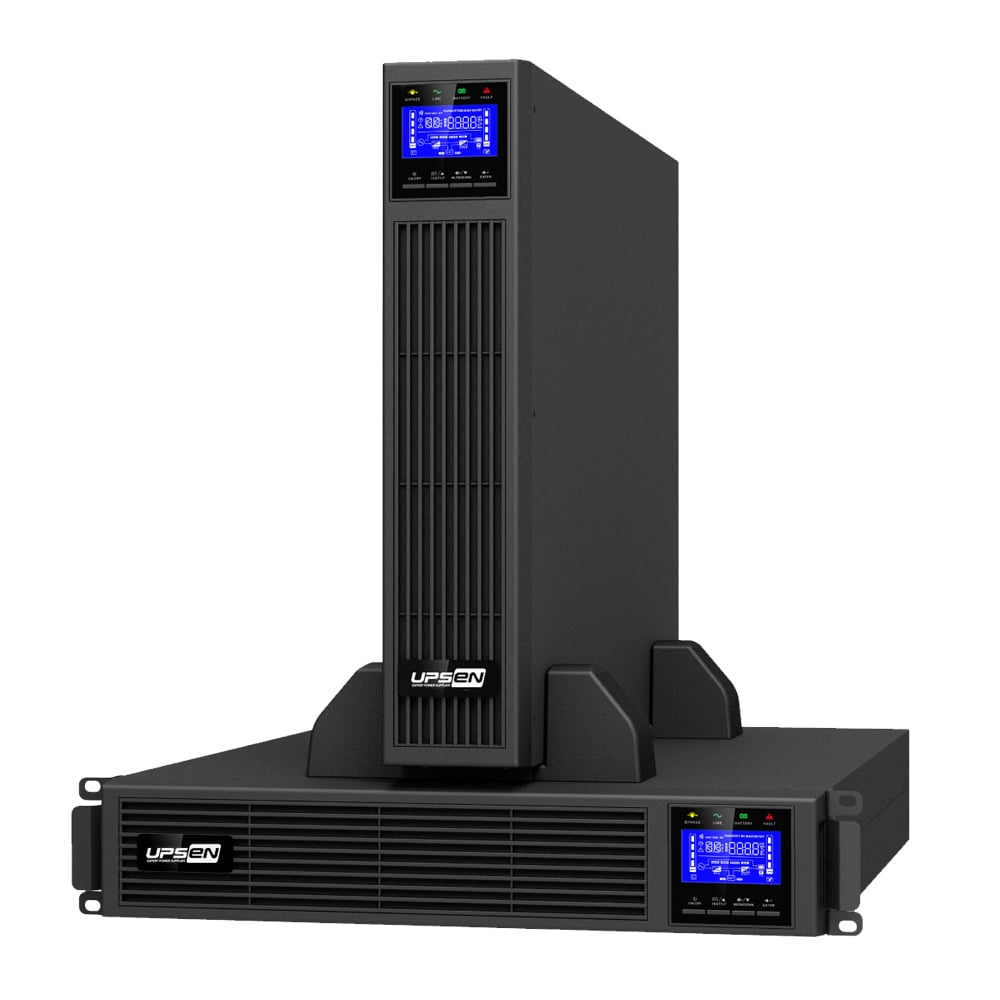
Չնայած ամուր կառուցվածքին, RS շարքը պահպանում է համապատասխան չափսեր: 'տարածվում է հատակի վրա կամ զբաղեցնում է ռակի կեսը: Սեղմված օգտակար պահեստասենյակում դա 'սա տարբերությունն է ամեն ինչ տեղավորել և նոր պլան գտնել անհրաժեշտության միջև: Եվ եթե ձեզ անհրաժեշտ է, որ UPS-ը կապվի շենքի կառավարման համակարգի, արդյունաբերական PLC-ի կամ հատուկ վերահսկիչ հարթակի հետ, ապա կառավարման ճարտարապետությունը բաց է հարմարեցման համար: Ոչ մի փակ սև տուփ, ոչ մի արգելափակված ֆիրմվեր, որը հրաժարվում է համագործակցել:
RS շարքի կիրառման ոլորտը
Սա ձեր սարքն է, եթե շրջակա միջավայրը դժվարին է, ցանցը՝ անհուսալի, սակայն ոչ կատաստրոֆիկ, և ձեզ չեն անհրաժեշտ լիթիումային մարտկոցներ: 'լարումը հազվադեպ է իջնում 90 Վ-ից ցածր: 'դուք լավ եք: 'սենյակը չի կառավարվում կլիմայական համակարգով: 'կոնֆորմալ ծածկույթը ձեզ աջակցում է: Ձեզ անհրաժեշտ է միաժամանակ սնուցել ԻՏ սարքավորումների և փոքր մեքենաների խառնուրդը: 'ինվերտորը դա կատարում է: Սա ուղիղ խոսող, ծանր պայմանների համար նախատեսված առցանց UPS է այն տարածքների համար, որոնք չեն ընդգրկվում բրոշյուրի լուսանկարներում:
Ոչ մի ավելորդ հատկանիշ, ոչ մի փխրուն գրասենյակային կարգի ներքին մասեր։ Պարզապես մեկ սարք, որը ժամանում է, ընդունում է ձեր կողմից մատակարարվող ցանկացած հզորություն և ապահովում է ձեր բեռնվածության անխափան աշխատանքը՝ մինչև ցանցը որոշի նորմալ աշխատել։

 EN
EN