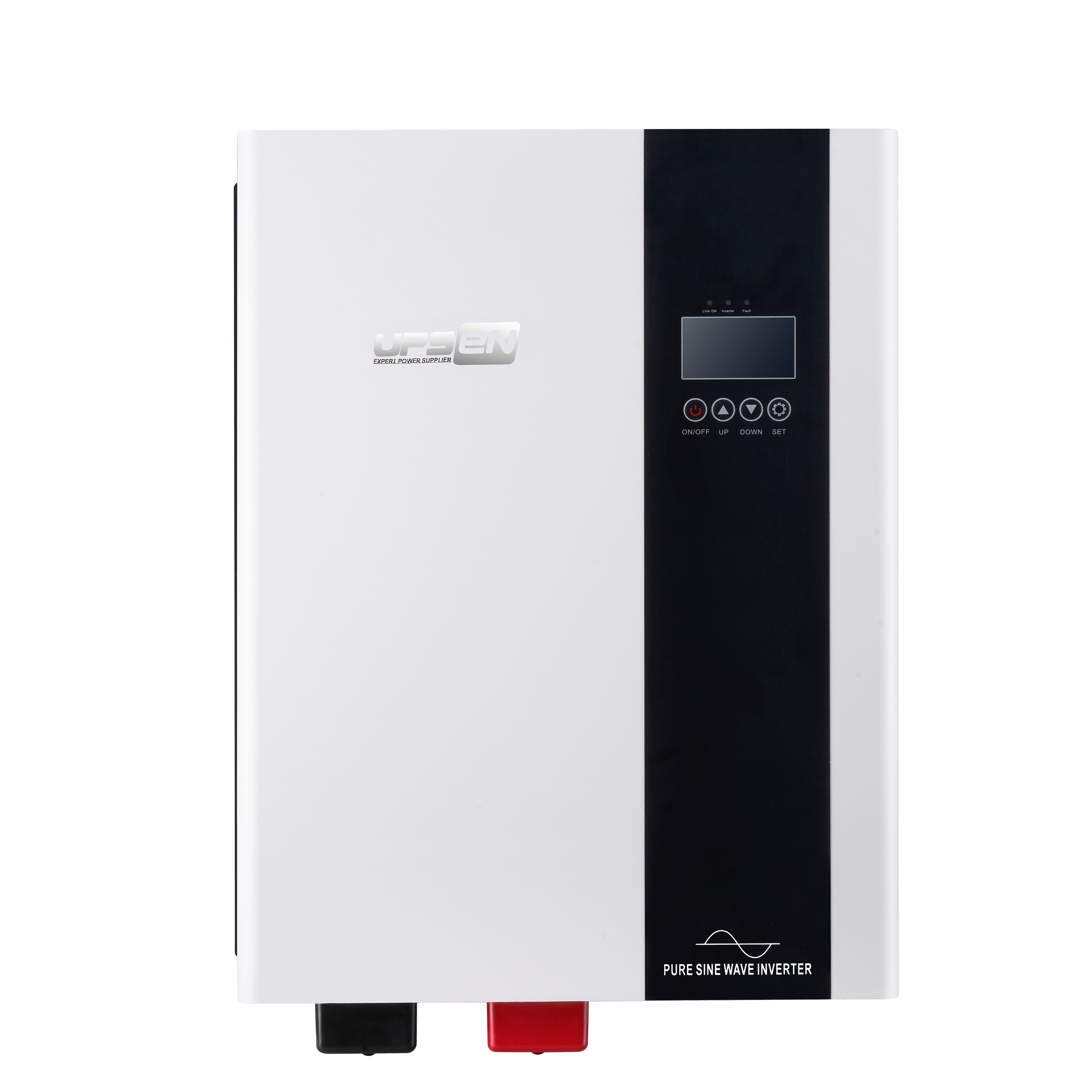
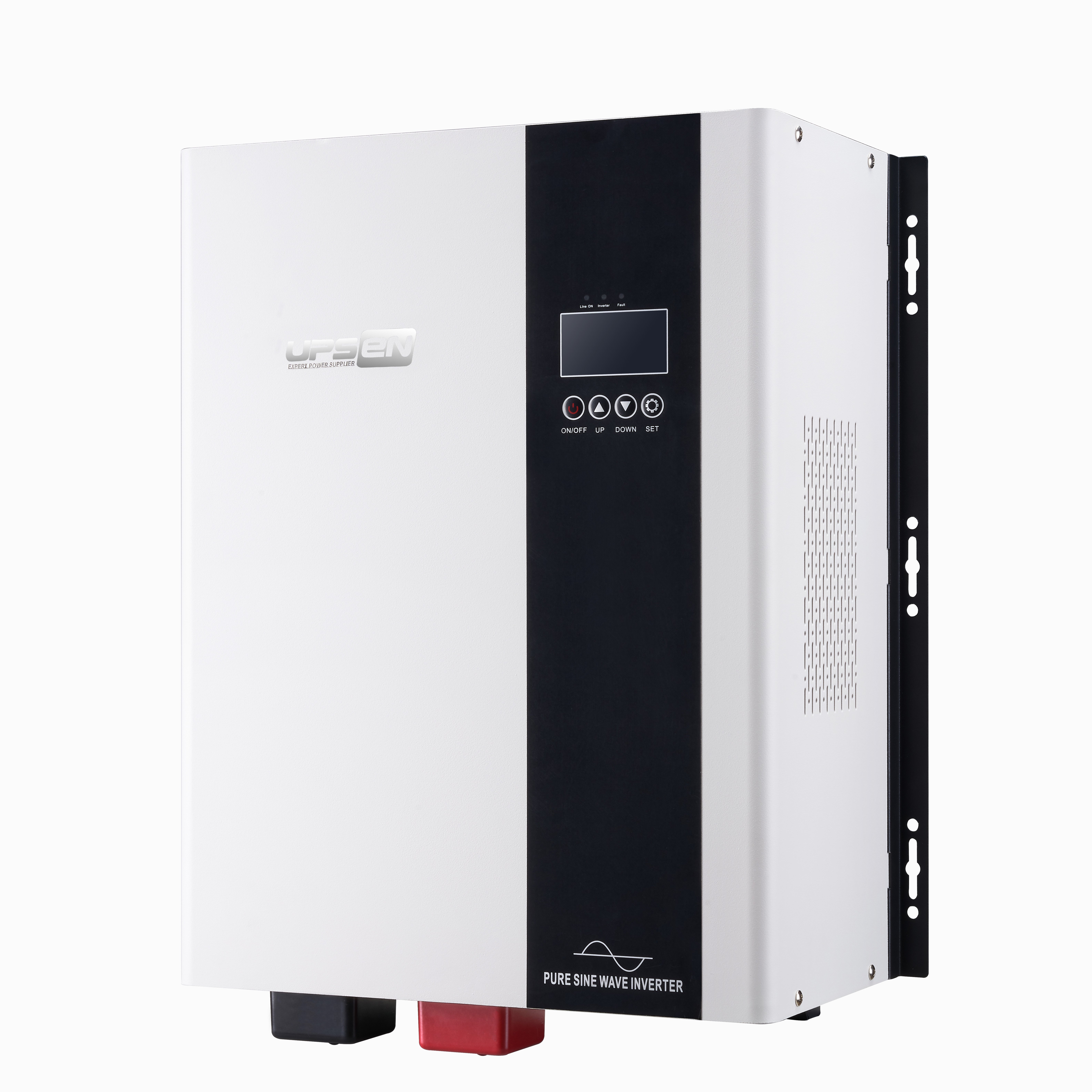
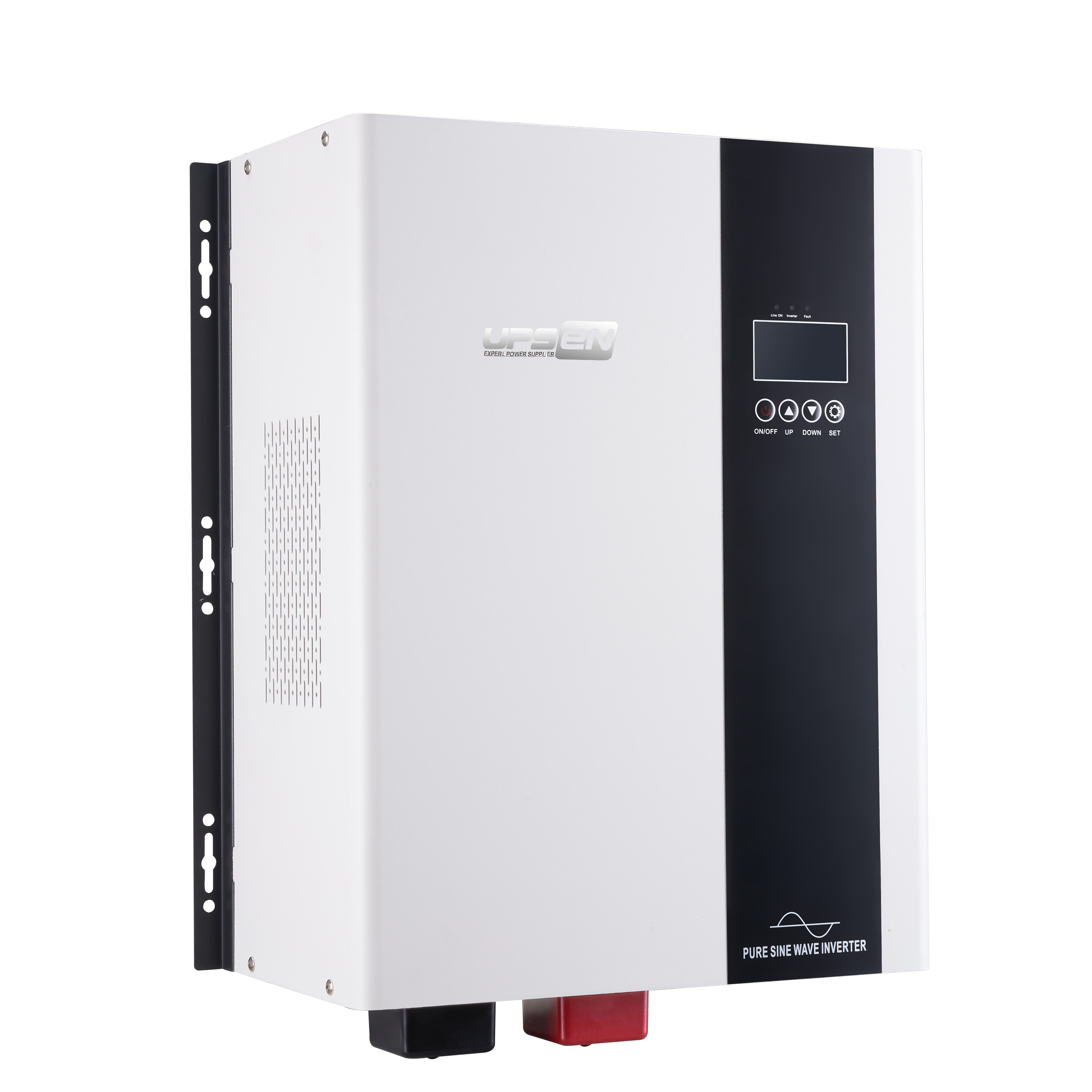
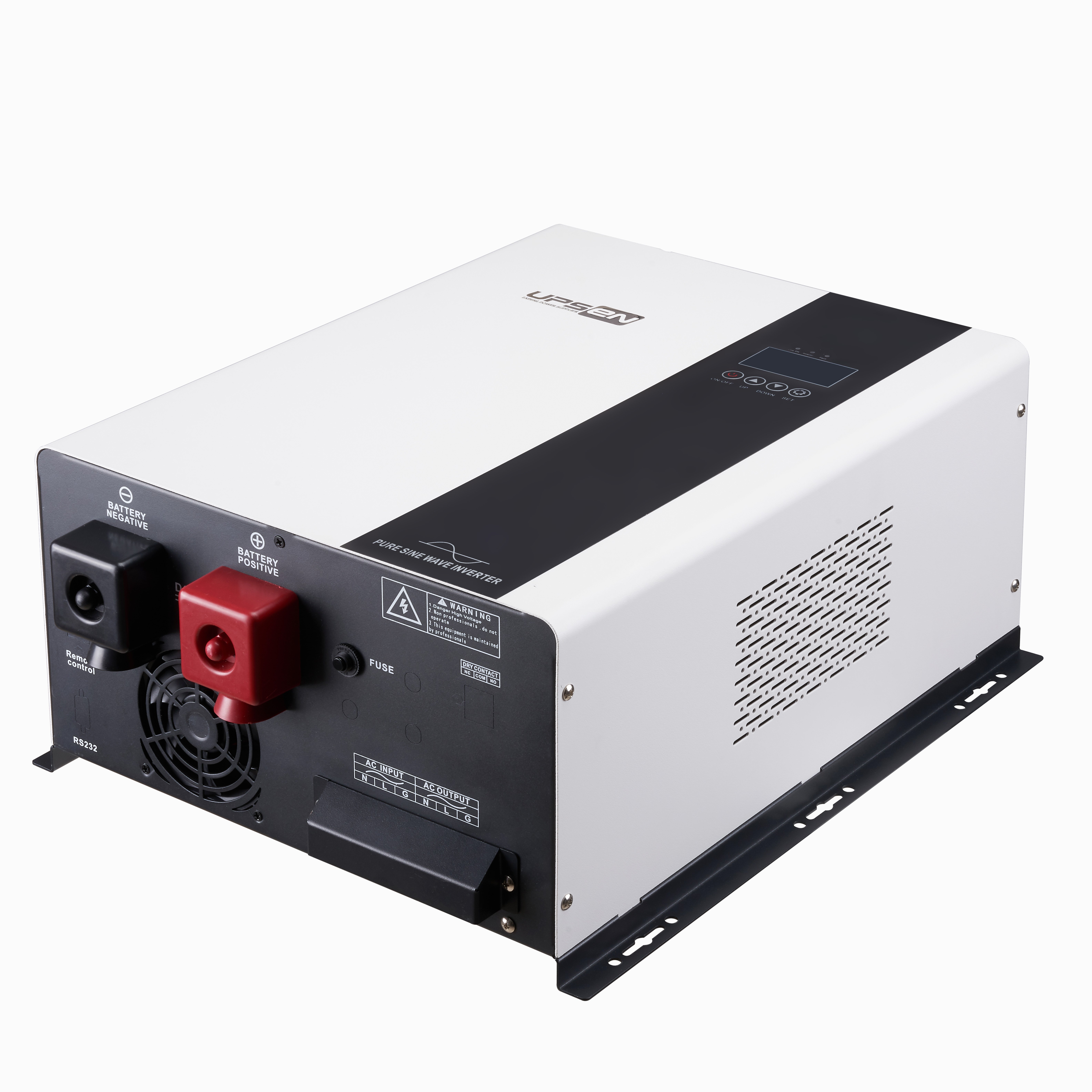
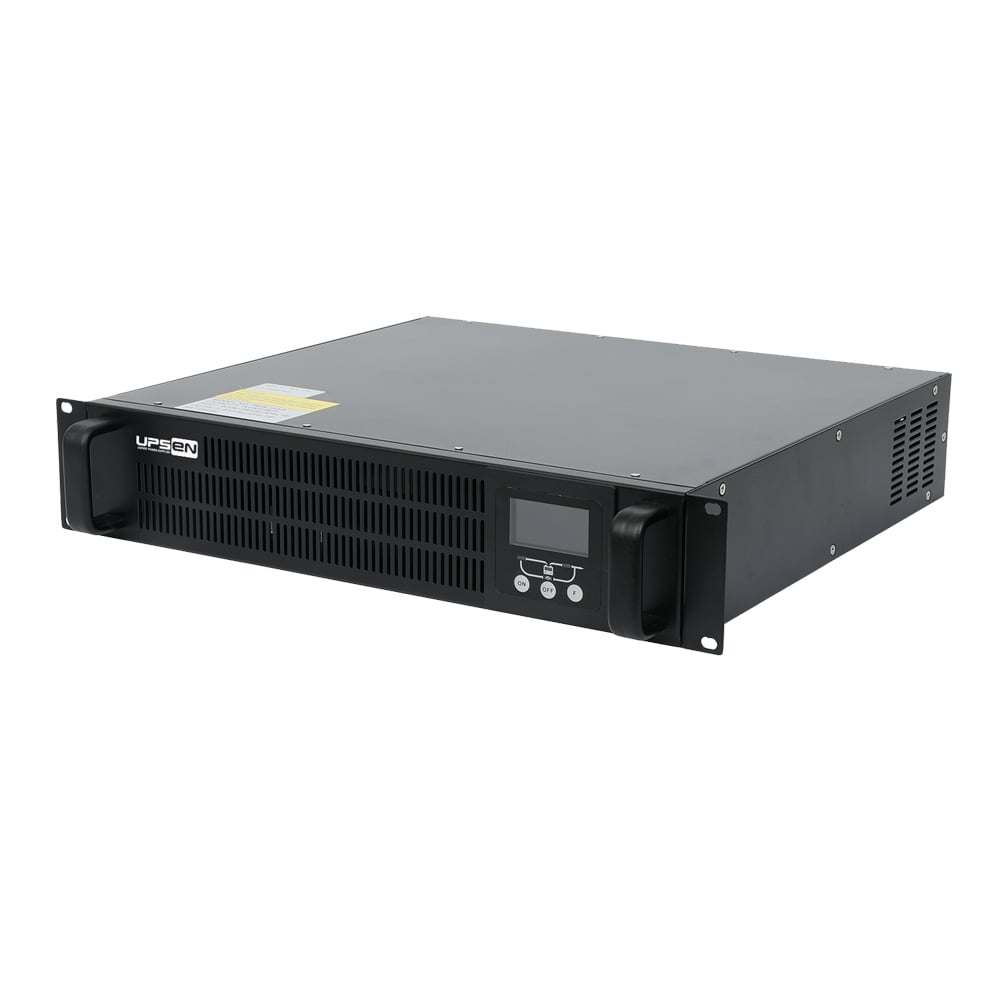
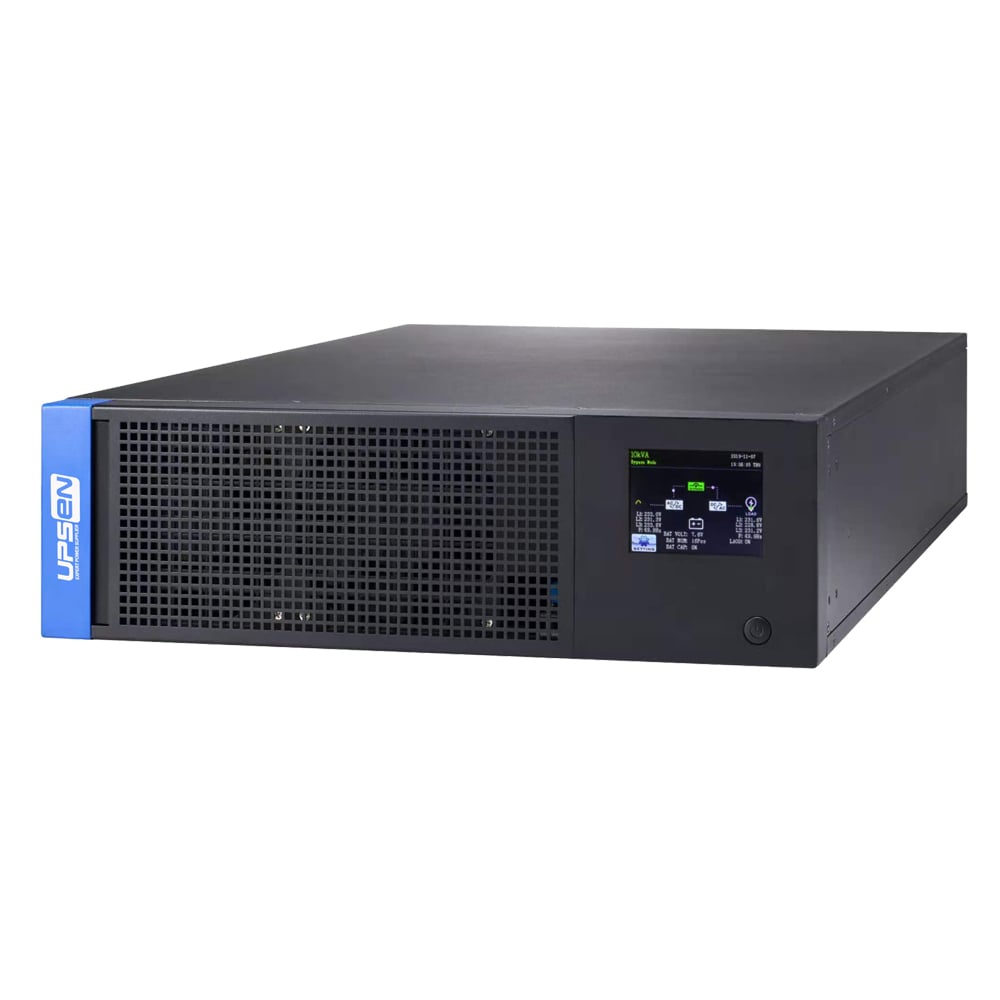
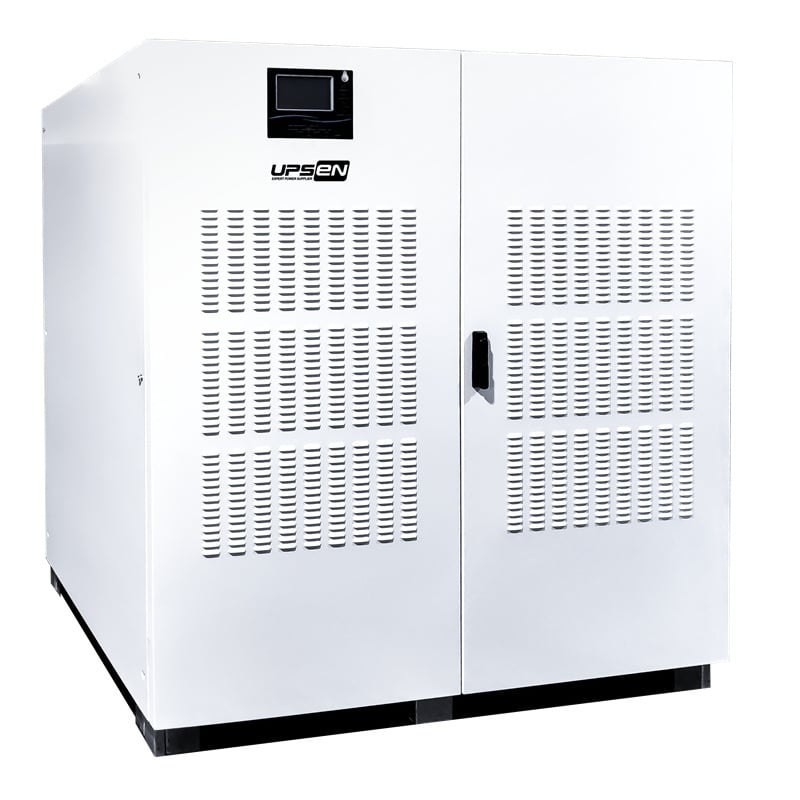
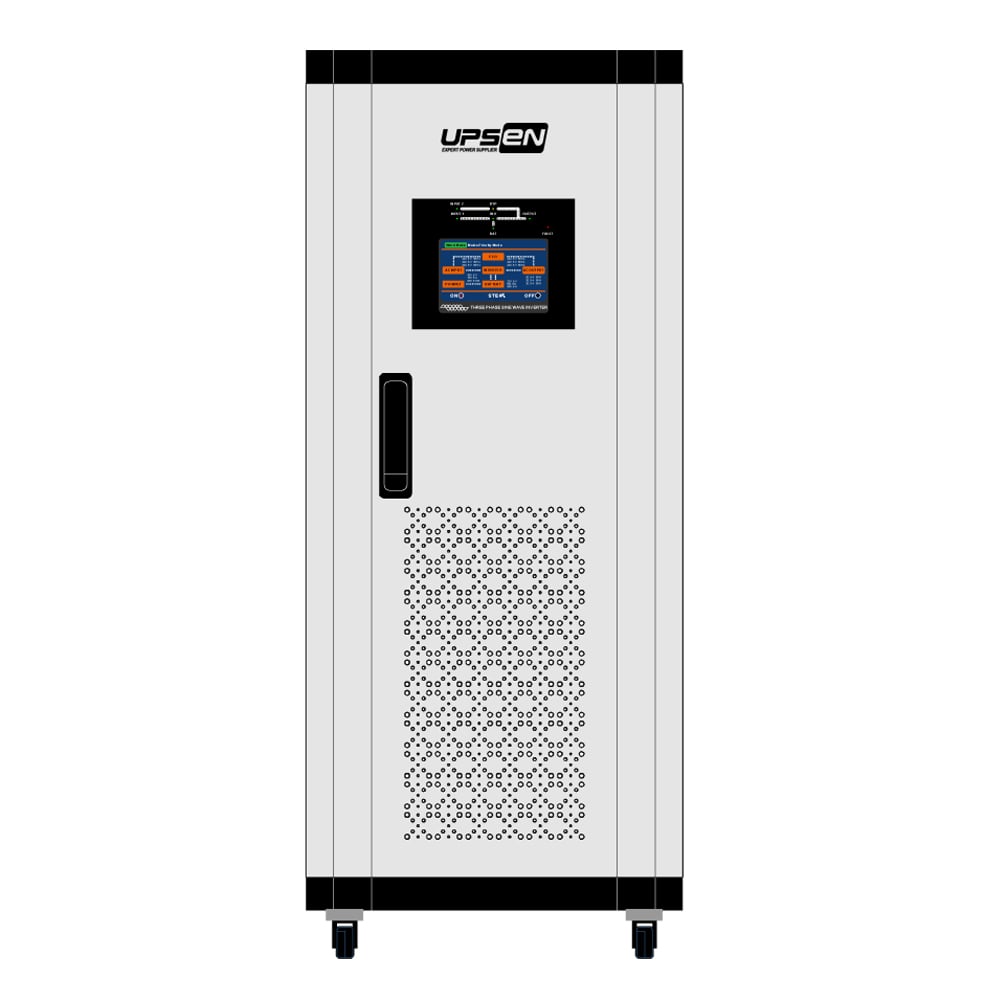
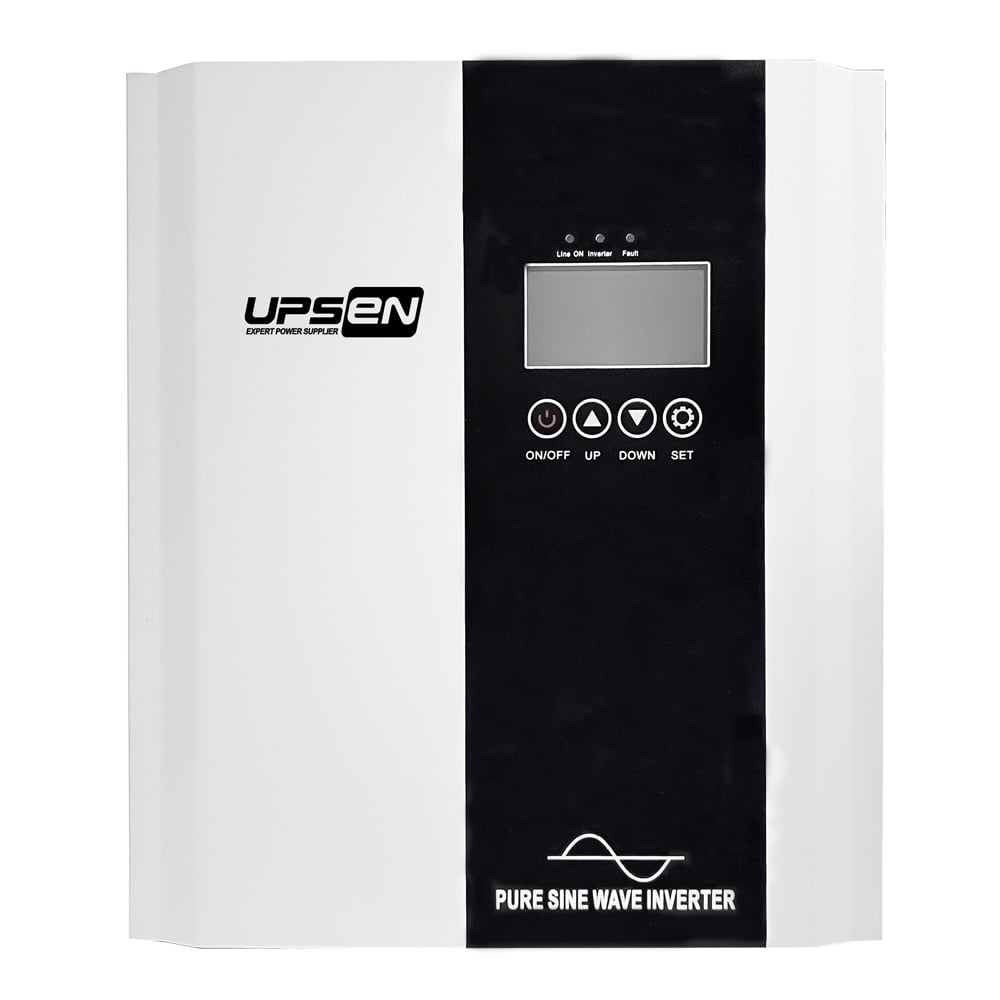
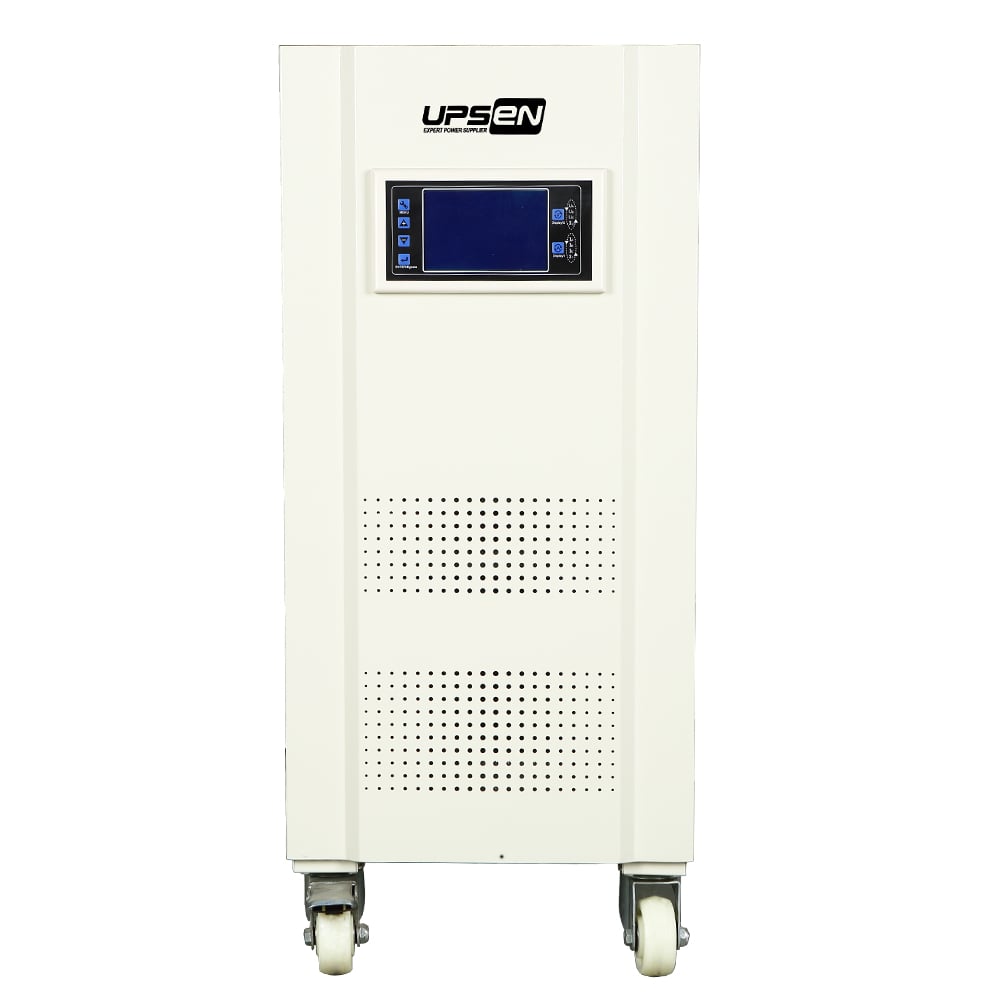
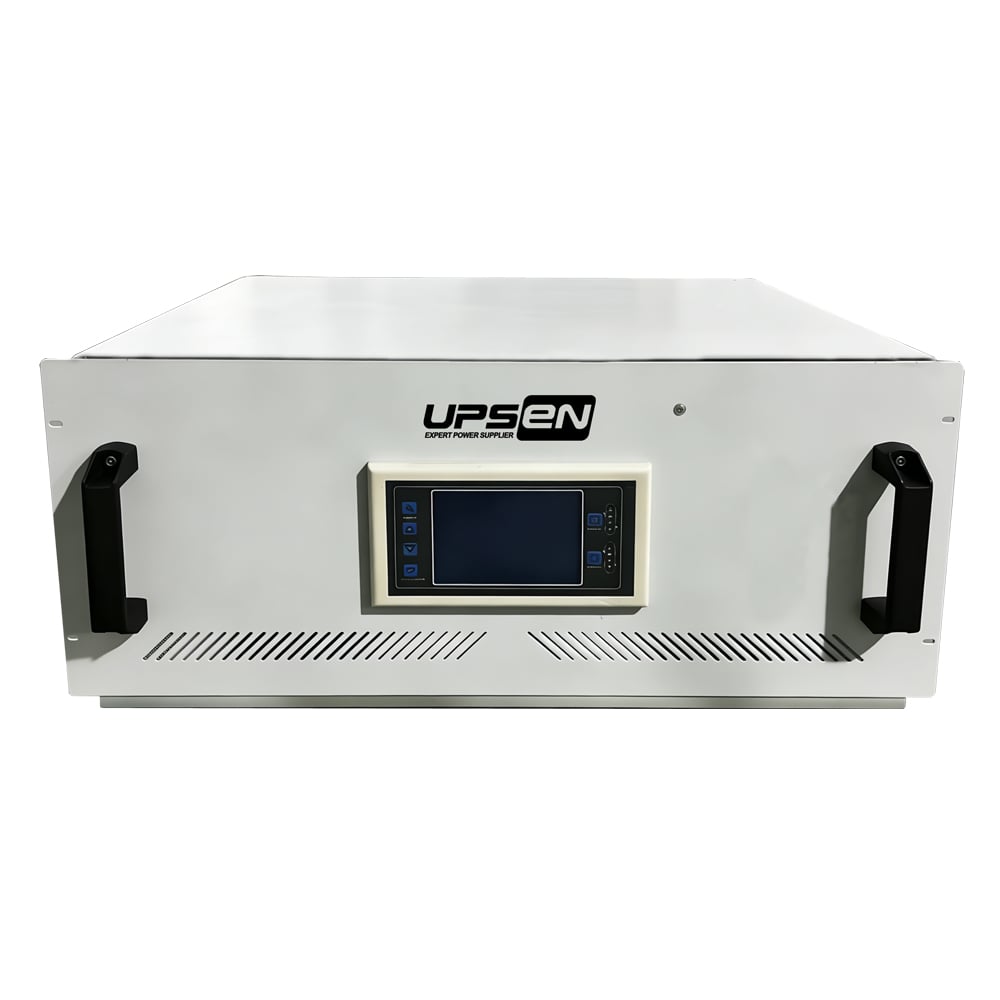
·Czysta fala sinusoidalna na wyjściu.
·Moc znamionowa: 1 kW do 12 kW (12 V/24 V/48 V/96 V); duży prąd ładowania AC: 5–35 A, 5–40 A, 5–50 A, 5–70 A (opcjonalnie)
·Z funkcją UPS: automatyczna konwersja prądu przemiennego (AC) na stały (DC), szeroki zakres napięcia i częstotliwości prądu przemiennego dla zasilania sieciowego i z generatora
·Regulowane napięcie baterii dla różnych typów akumulatorów, np. LD: ołówowo-kwasowy (domyślny), GEL: żelowy, LI: litowo-jonowy.
·Rozruch prądem stałym (DC) oraz automatyczna autodiagnostyka; dostępne 5 trybów pracy: 01: Priorytet sieci / 02: Oszczędzanie energii / 03: Priorytet baterii / 04: Tryb bezobsługowy / 05: Priorytet energii słonecznej
·Wysoka sprawność projektowania oraz „Tryb oszczędzania energii” do ograniczania zużycia mocy
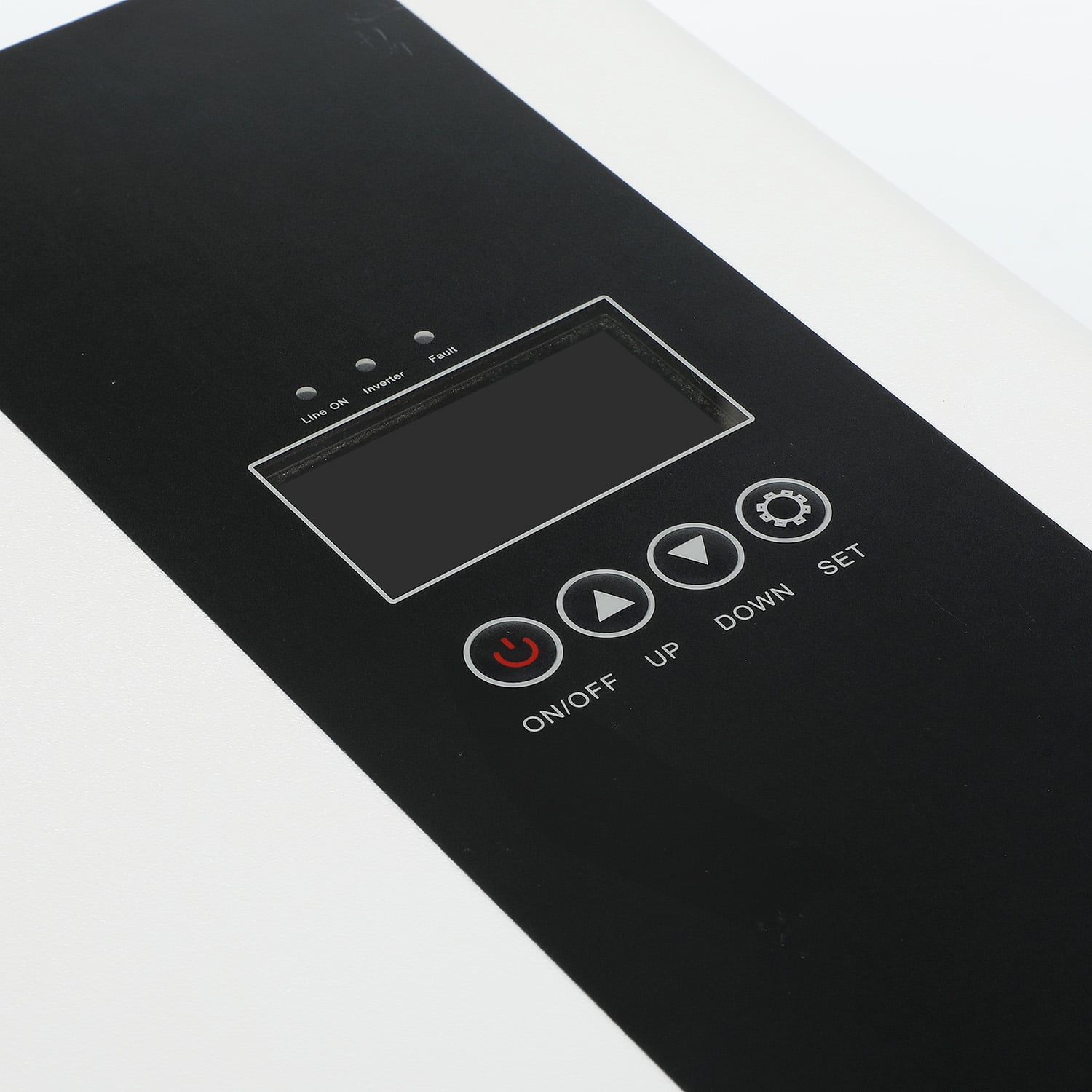
·Inteligentny wyświetlacz LCD i możliwość konfiguracji (tryby pracy, prąd ładowania, napięcie ładowania, zakres wejściowy prądu przemiennego, napięcie baterii, wyłączenie przy niskim napięciu baterii itp.)
·Ochrona przed przepięciami i niedociśnieniem, przeciążeniem, zwarciami, niskim napięciem, przegrzaniem, nadmiernym napięciem oraz odwrotnym podłączeniem baterii (opcjonalnie)
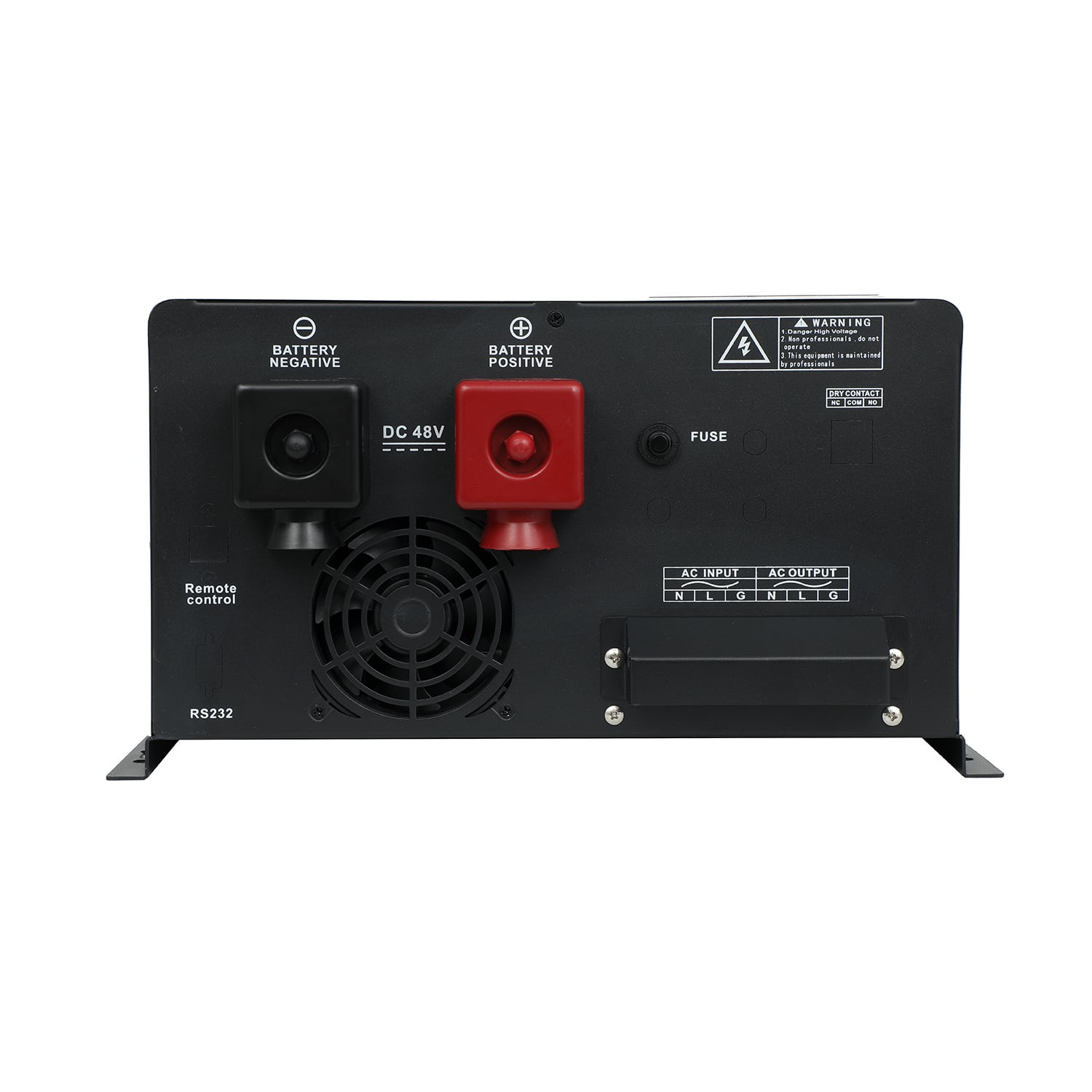
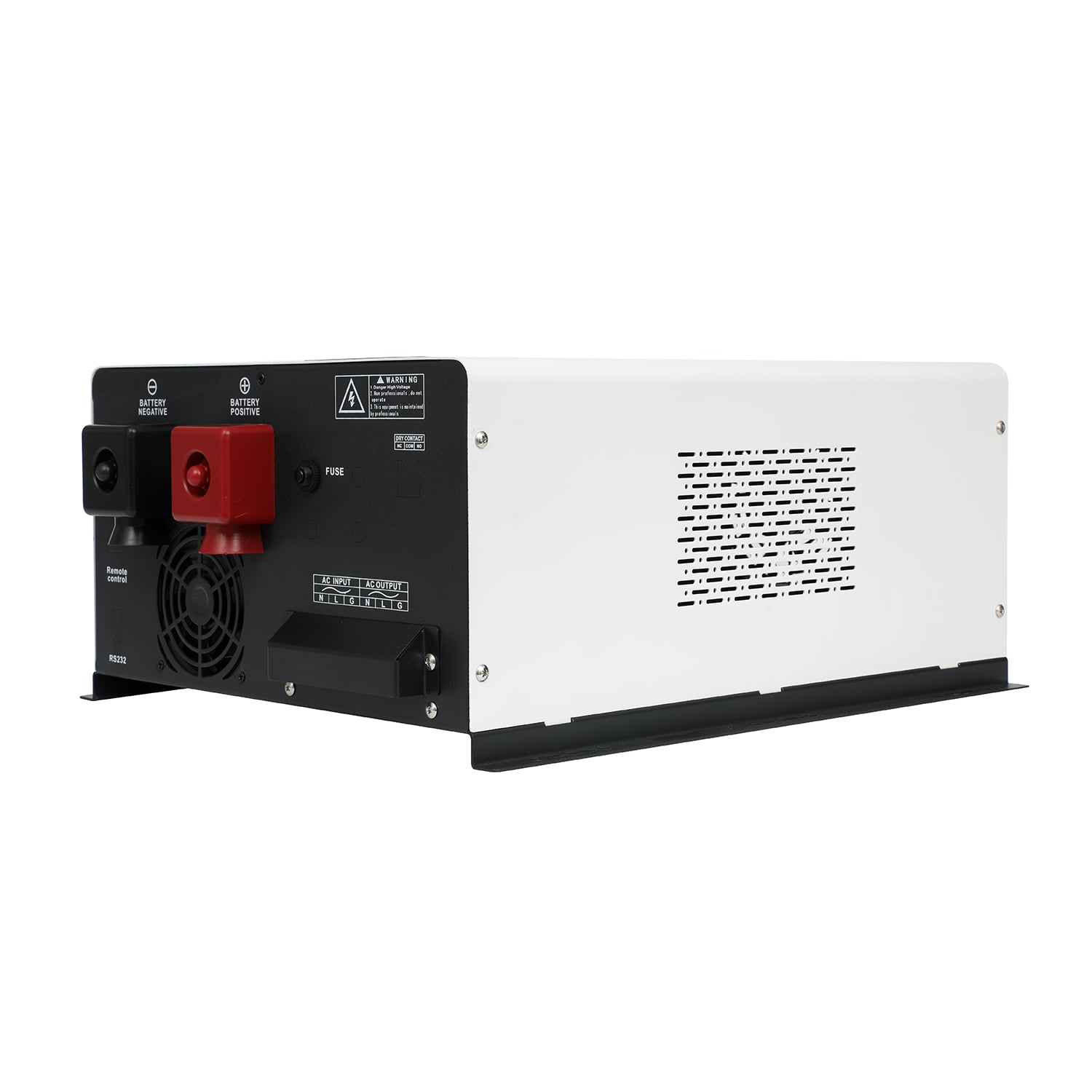
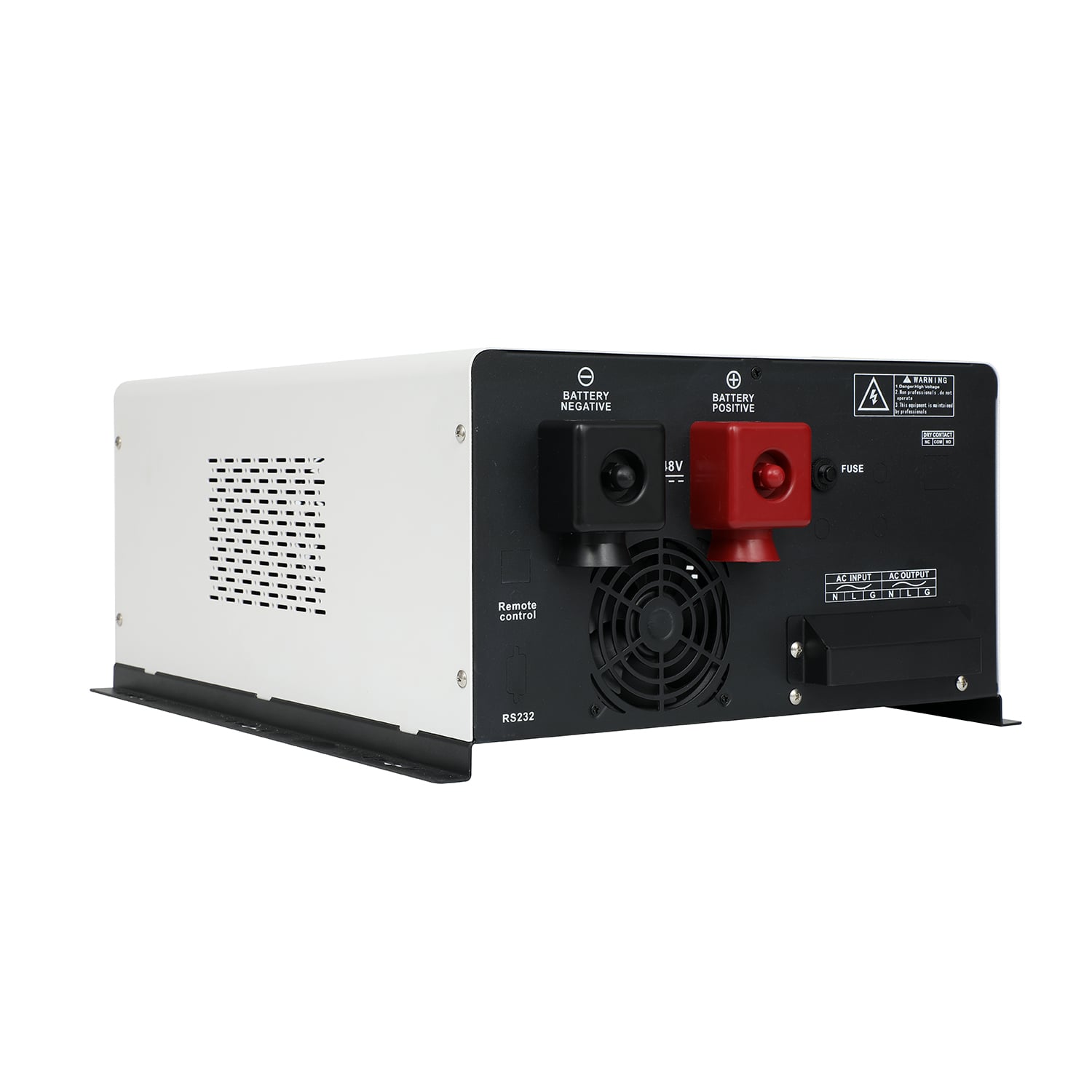
·Obsługa funkcji monitoringu RS232 i RS485 z darmowym oprogramowaniem oraz zdalnego monitoringu (opcjonalnie)
·Zdalne zarządzanie przez Wi-Fi jest opcjonalne
| Model | W1000 | W1500 | W2000 | W3000 | W4000 | W5000 | W6000 | W8K | W10K | W12K | |
| Wejście | Wydajność nominalna | 1000 W | 1500W | 2000W | 3000 W | 4000W | 5000W | 6000W | 8kw | 10 kW | 12KW |
| moc szczytowa | 3000 W | 4500w | 6000W | 9000w | 12000W | 15000W | 18000W | 24kw | 30KW | 36kW | |
| Zakres mocy przemysłowej (VAC) | 110 VAC: 73–137; 120 VAC: 80–150 | ||||||||||
| 220 VAC: 145–275; 230 VAC: 152–288; 240 VAC: 158–300 | |||||||||||
| Zakres częstotliwości napięcia zasilania | 45-65Hz | ||||||||||
| Akumulator | Napięcie DC | 12 VDC / 24 VDC / 48 VDC | 48VDC | 48 VDC / 96 VDC | 96Vdc | ||||||
| Zakres napięcia wejściowego DC | 12 VDC: 10,5–15 VDC; 24 VDC: 21–30 VDC; 48 VDC: 42–60 VDC; 96 VDC: 84–120 VDC | ||||||||||
| Charger | Ładowanie prądem zmiennym | 0A–35A (ustawienie na panelu LCD) | |||||||||
| Wyjście | Możliwość uruchamiania silnika elektrycznego | 0.5HP | 1HP | 1.5HP | 2HP | 3HP | |||||
| Zakres napięcia AVR (VAC) | 110 / 120 / 220 / 230 / 240 ±10 % (automatyczne wykrywanie) | ||||||||||
| Ochrona baterii przed przekroczeniem napięcia | 12 VDC: 16,7 VDC; 24 VDC: 33,4 V; 48 VDC: 66,8 V; 96 VDC: 134 V | ||||||||||
| Alarm nadmiernego napięcia baterii | 12 VDC: 15 VDC; 24 VDC: 30 V; 48 VDC: 60 V; 96 VDC: 120 V | ||||||||||
| Ochrona przed niskim napięciem akumulatora | 12 VDC: 10,5 VDC; 24 VDC: 21 V; 48 VDC: 42 V; 96 VDC: 84 V | ||||||||||
| Ochrona przed niskim napięciem baterii | 12 VDC: 10 VDC; 24 VDC: 20 V; 48 VDC: 40 V; 96 VDC: 80 V | ||||||||||
| Czas przeniesienia | Typowe: 5 ms (w tym czas wykrywania) | ||||||||||
| Ochrona przed temperaturą | alarm przy temperaturze ≥85 ℃, wyłączenie urządzenia przy temperaturze ≥90 ℃ | ||||||||||
| Przeciążenie | System IPS automatycznie wyłącza się w przypadku przeciążenia przekraczającego 120 % wartości nominalnej przez 10 sekund; system IPS automatycznie wznawia pracę po powrocie przeciążenia do wartości znamionowej. | ||||||||||
| Formy fal | Czysty Sinus Wave | ||||||||||
| Częstotliwość | Zasilanie sieciowe: wspólna częstotliwość w stanie inwersji sieciowej: 60/50 ±0,5 | ||||||||||
| Zakres częstotliwości wyjściowej | Śledzenie odbywa się automatycznie | ||||||||||
| (tryb zasilania elektrycznego) | |||||||||||
| Temperatura | Temperatura pracy | 0℃~70℃ | |||||||||
| Metoda termiczna | Wentylator chłodzący z inteligentną kontrolą: przy temperaturze ≤42 ℃ obraca się wolno, przy temperaturze ≥45 ℃ obraca się szybko | ||||||||||
| Wygląd | Wymiary zewnętrzne (mm) (dł. × szer. × wys.) | 460 × 230 × 200 mm | 650 × 270 × 200 mm | 763*315*248 mm | |||||||
| Wymiary brutto (mm) (dł. * szer. * wys.) | 530*330*255 mm | 740*350*275 mm | 840*405*320 mm | ||||||||
| Masa netto (kg) | 17 | 21 | 22 | 29 | 37 | 39 | 43 | 60 | 63 | 65 | |
| Waga brutto (kg) | 19 | 22 | 24 | 31 | 40 | 32 | 45 | 64 | 66 | 68 | |
| *Specyfikacja podlega zmianie bez wcześniejszego powiadomienia. | |||||||||||
Zarządzacz mocy, który daje Ci pełną kontrolę nad sytuacją
Większość falowników jest „głupia”. Po prostu znajdują się między akumulatorem a urządzeniami elektrycznymi, przekształcają prąd stały (DC) na przemienny (AC) i czekają na awarię sieci. To wystarczające rozwiązanie w przypadku prostych układów zasilania. Ale co, jeśli na dachu masz panele fotowoltaiczne, w garażu generator, a sieć energetyczna pobiera wyższe stawki w godzinach szczytu? Co, jeśli chcesz przez cały dzień korzystać wyłącznie z zasilania z akumulatora, uzupełniać jego poziom z sieci tylko w nocy, gdy stawki są niższe, a cały system ma działać bezobsługowo w kabincie, którą odwiedzasz jedynie dwa razy w roku?
Seria Winner nie jest podstawowym falownikiem. To konfigurowalny centrum zarządzania energią, które pozwala dokładnie określić, skąd pochodzi prąd i kiedy go używasz. Dostępna w zakresie mocy od 1 kW do 12 kW, działa z szerokim zakresem napięć akumulatorów i może być dostosowana do Twojego stylu życia – a nie odwrotnie.
Pięć trybów pracy, ponieważ jedno rozwiązanie nie pasuje do wszystkich
Pierwszą rzeczą, jaką zauważysz w przypadku falownika Winner, jest to, że nie ogranicza on Cię do jednej logiki działania. Masz do wyboru pięć różnych trybów pracy, które można wybrać z panelu LCD:
`Priorytet sieci : Sieć jest Twoim głównym źródłem zasilania. Falownik przekazuje moc z sieci do Twoich odbiorników, jednocześnie ładowając akumulator. W przypadku wyłączenia się sieci przełącza się płynnie w tryb falownika. Jest to tryb przeznaczony do typowego systemu zasilania awaryjnego w domu – chcesz, aby sieć zapewniała główne obciążenie, a akumulator pełnił rolę zabezpieczenia.
`Priorytet akumulatora odwróć logikę. Falownik pobiera energię najpierw z twojego banku akumulatorów i przełącza się na zasilanie sieciowe dopiero wtedy, gdy napięcie akumulatora spadnie poniżej ustalonego progu. Jest to tryb przeznaczony dla instalacji fotowoltaicznych, w których chcesz wykorzystać zgromadzoną energię przed zapłaceniem za energię dostarczaną przez zakład energetyczny. Jeśli masz taryfę dwustrefową i wysokie stawki w godzinach dziennych, tryb priorytetu akumulatorów pozwala realnie oszczędzić.
`Priorytet energii słonecznej jeśli masz panele połączone poprzez regulator ładowania, w tym trybie energia jest pobierana z paneli fotowoltaicznych za każdym razem, gdy jest wystarczająco dużo światła słonecznego, uzupełniana z akumulatorów w przypadku braku światła słonecznego, a zasilanie sieciowe jest wykorzystywane jedynie jako ostatnia możliwość. Tryb ten maksymalizuje samozużycie energii bez konieczności jakiegokolwiek interwencji ze strony użytkownika.
`Tryb bezobsługowy zaprojektowany dla obiektów zdalnych — np. masztów telekomunikacyjnych, stacji pompowych lub odosobnionej chaty, do której jeździsz tylko w sezonie łowieckim. Falownik podejmuje wszystkie decyzje w pełni automatycznie: ponownie uruchamia się po awariach, zarządza ładowaniem akumulatorów oraz pozostaje w trybie gotowości przez miesiące bez konieczności jakiegokolwiek interwencji użytkownika.
`Tryb oszczędności energii gdy obciążenie podłączone spadnie poniżej określonego progu, falownik przełącza się w tryb postoju, aby zmniejszyć własne zużycie mocy. Gdy wykryje ponownie obciążenie, „budzi się”. Funkcja ta jest szczególnie przydatna w przyczepach kempingowych (RV) lub małych domach, gdzie każdy watogodzina ma znaczenie.
Wybierasz tryb, który najlepiej odpowiada Twojemu stylowi użytkowania. Nie jest to kompromis między funkcjami — po prostu konfigurujesz falownik Winner tak, aby działał dokładnie tak, jak tego potrzebujesz.
Zakres mocy i elastyczność wejścia prądu stałego
Seria Winner obejmuje szeroki zakres mocy: od 1 kW dla małego biura lub kabiny po 12 kW dla pełnego gospodarstwa domowego lub warsztatu. Napięcia wejściowe prądu stałego dostępne są w konfiguracjach 12 V, 24 V, 48 V oraz 96 V, w zależności od poziomu mocy. Oznacza to, że możesz dobrać falownik do istniejącego banku akumulatorów bez konieczności przewijania całej instalacji. Jeśli już posiadasz akumulator 48 V przeznaczony do wózków widłowych lub bank akumulatorów 24 V do samochodu ciężarowego, istnieje odpowiedni model serii Winner.
Wysoka moc ładowania — ponieważ czekanie jest uciążliwe
Jeśli ładujesz duży bank akumulatorów z generatora, każda minuta jego pracy kosztuje paliwo i generuje hałas. Seria Winner oferuje opcje prądu ładowania przemiennego (AC) w zakresie od 5–35 A aż do 5–70 A, w zależności od modelu. To rzeczywiście szybka szybkość ładowania. Bank akumulatorów o napięciu 48 V i pojemności 200 Ah można naładować od zera do pełni w ciągu kilku godzin pracy generatora zamiast przez cały dzień. W przypadku domów pozamacierzystych, gdzie generator stanowi zapasowy źródło zasilania dla innego zapasowego źródła zasilania, taka szybkość ładowania zmienia uciążliwą czynność w szybkie uzupełnienie poziomu naładowania. Prąd ładowania można regulować za pomocą wyświetlacza LCD, więc możesz go obniżyć dla mniejszego akumulatora lub zwiększyć, gdy generator jest włączony.
Prawdziwa funkcja UPS: Twój komputer nawet nie zauważy przełączenia
Urządzenie Winner jest wyposażone w zintegrowaną funkcję UPS. Gdy falownik działa w trybie priorytetu sieci lub priorytetu akumulatora, a zasilanie sieciowe ulega awarii, przełączenie na zasilanie z falownika następuje w ciągu milisekund. Komputer stacjonarny nadal działa. Router nie uruchamia się ponownie. System DVR do monitoringu bezpieczeństwa nie pomija żadnej klatki. Nie jest to zewnętrzny przełącznik transferowy zamontowany osobno – funkcja ta została wbudowana w sterowanie DSP falownika, które stale monitoruje sieć i przełącza zasilanie w momencie, gdy przebieg napięcia wykracza poza dopuszczalne tolerancje.
Kompatybilność z akumulatorami dostosowująca się do użytkownika
Seria Winner nie zależy od chemii stosowanej w Twoim banku akumulatorów — wystarczy, że ją określisz. Menu LCD pozwala wybrać ustawienia fabryczne dla akumulatorów ołowiu-kwasowych, żelowych lub litowo-żelazowo-fosforanowych (LiFePO4), z odpowiednimi krzywymi napięcia ładowania. A to jeszcze nie wszystko: możesz ręcznie dostosować napięcie ładowania, napięcie utrzymywania (float), prąd ładowania oraz próg odcięcia przy niskim napięciu. Jeśli producent Twoich akumulatorów litowych wymaga konkretnego napięcia absorpcji wynoszącego 14,6 V, możesz je ustawić. Jeśli dbasz o starszy bank akumulatorów ołowiu-kwasowych, który wymaga nieco wyższego napięcia utrzymywania, możesz je dostosować. Inwerter dopasowuje się do akumulatora, a nie odwrotnie.
Ochrona, która próbuje odzyskać działanie przed wyłączeniem
Zestaw ochronny Winnera obejmuje pełną listę kontrolną: napięcie wysokie, napięcie niskie, przeciążenie, zwarcie, przegrzanie oraz opcjonalna ochrona przed odwrotnym podłączeniem baterii. Warto jednak zwrócić uwagę na sposób obsługi awarii. Urządzenie wyposażone jest w automatyczne procedury autodiagnostyki oraz funkcję startu prądem stałym — umożliwia to uruchomienie urządzenia bezpośrednio z baterii nawet w przypadku braku sieci elektrycznej. W razie wystąpienia awarii system próbuje ponownie uruchomić się i usunąć usterkę przed trwałą dezaktywacją. Dzięki temu unikasz wizyty serwisowej w sytuacji, gdy problem wynikał jedynie z chwilowego przeciążenia spowodowanego włączeniem się sprężarki lodówki.
Monitorowanie, które nie przykuwa Cię do szafy
Standardowe interfejsy komunikacyjne obejmują RS232 i RS485, a urządzenie jest dostarczane wraz z bezpłatnym oprogramowaniem do komputera umożliwiającym monitorowanie i konfigurację. Jeśli potrzebujesz zdalnego dostępu — a przy systemie o mocy 12 kW zasilającym cały dom prawdopodobnie takiego dostępu potrzebujesz — dostępne są opcjonalne moduły WiFi oraz zdalnego monitorowania. Możesz sprawdzić stan obciążenia, napięcie akumulatora oraz ustawienia trybu za pomocą telefonu, nie wstając nawet z miejsca.
Kompatybilny z generatorami i czysta fala sinusoidalna
Szeroki zakres napięcia i częstotliwości wejściowego prądu przemiennego urządzenia Winner sprawia, że jest ono odporno na niestabilną pracę generatora, która mogłaby spowodować odmowę przyjęcia źródła przez bardziej wymagające falowniki. Gensety dieselowe i benzynowe z niestabilnymi regulatorami lub spadkiem napięcia pod obciążeniem nie powodują przełączania falownika między trybem sieciowym a bateryjnym. Urządzenie synchronizuje się, przyjmuje moc i albo przekazuje ją bezpośrednio do obciążenia, albo wykorzystuje ją do ładowania akumulatora, zapewniając przy tym czyste wyjście. Wyjście jest zawsze czystą falą sinusoidalną — bez żadnej zmodyfikowanej fali powodującej buczenie silników i przegrzewanie się urządzeń elektronicznych.
Tam, gdzie zwycięzca zdobywa swoje miejsce
Seria Winner jest przeznaczona dla osób, które chcą pełnej kontroli, a nie tylko zapasowego zasilania. Nadaje się do szerokiego zakresu zastosowań:
`Domów i schronisk poza siecią energetyczną zasilanych energią słoneczną i prądem z generatora
`Małych firm w regionach, gdzie występują częste przepięcia i wysokie stawki za energię w godzinach szczytu
`Gospodarstw rolnych i warsztatów, w których narzędzia i pompy są zasilane z banku akumulatorów
`Zdalnych stacji telekomunikacyjnych i systemów monitoringu wymagających niezawodności bez konieczności stałej obsługi
`Zastosowań mobilnych, takich jak ciężarówki gastronomiczne lub pojazdy rekreacyjne (RV), w których źródła zasilania zmieniają się często
Jeśli masz prosty układ — jeden akumulator, jedno połączenie z siecią, brak paneli fotowoltaicznych i brak taryf czasowych — wystarczy podstawowy falownik. Jednak jeśli posiadasz wiele źródeł zasilania, określony typ chemii akumulatorów oraz chcesz mieć pełną kontrolę nad tym, kiedy i w jaki sposób system wykorzystuje poszczególne źródła energii, seria Winner to konfigurowalny, niezawodny sprzęt, który daje Ci pełną kontrolę.

pokoje 1409–1410, Centrum Tongfang, skrzyżowanie ul. Zhongxin i ul. Haoxiang, dzielnica Xinqiao, dystrykt Bao'an, Shenzhen, Chiny.
Prawa autorskie © Shenzhen UPSEN Electronic CO., LTD. Wszelkie prawa zastrzeżone. Polityka prywatności
 EN
EN