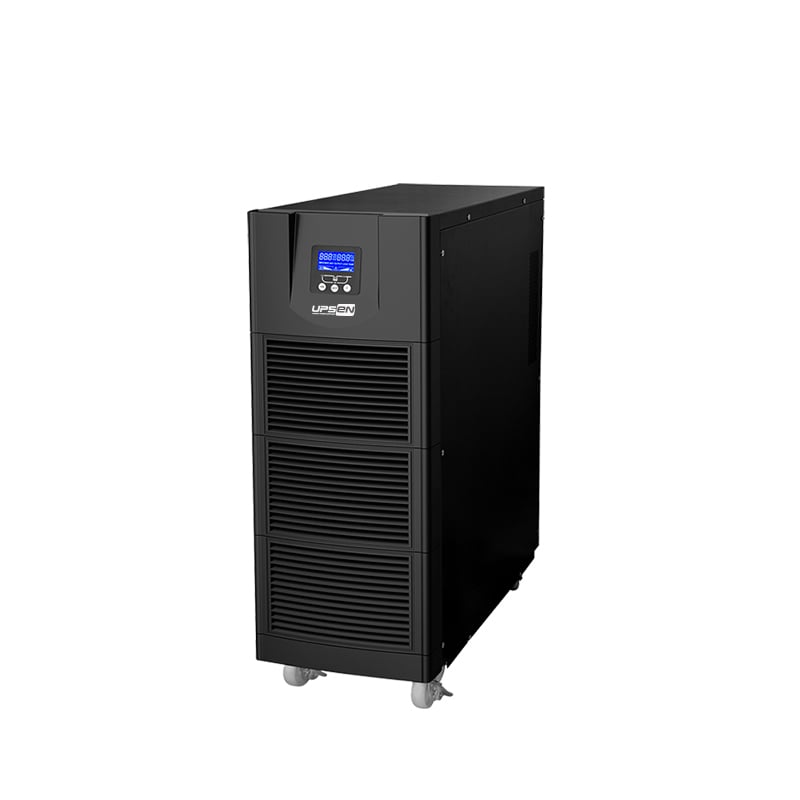
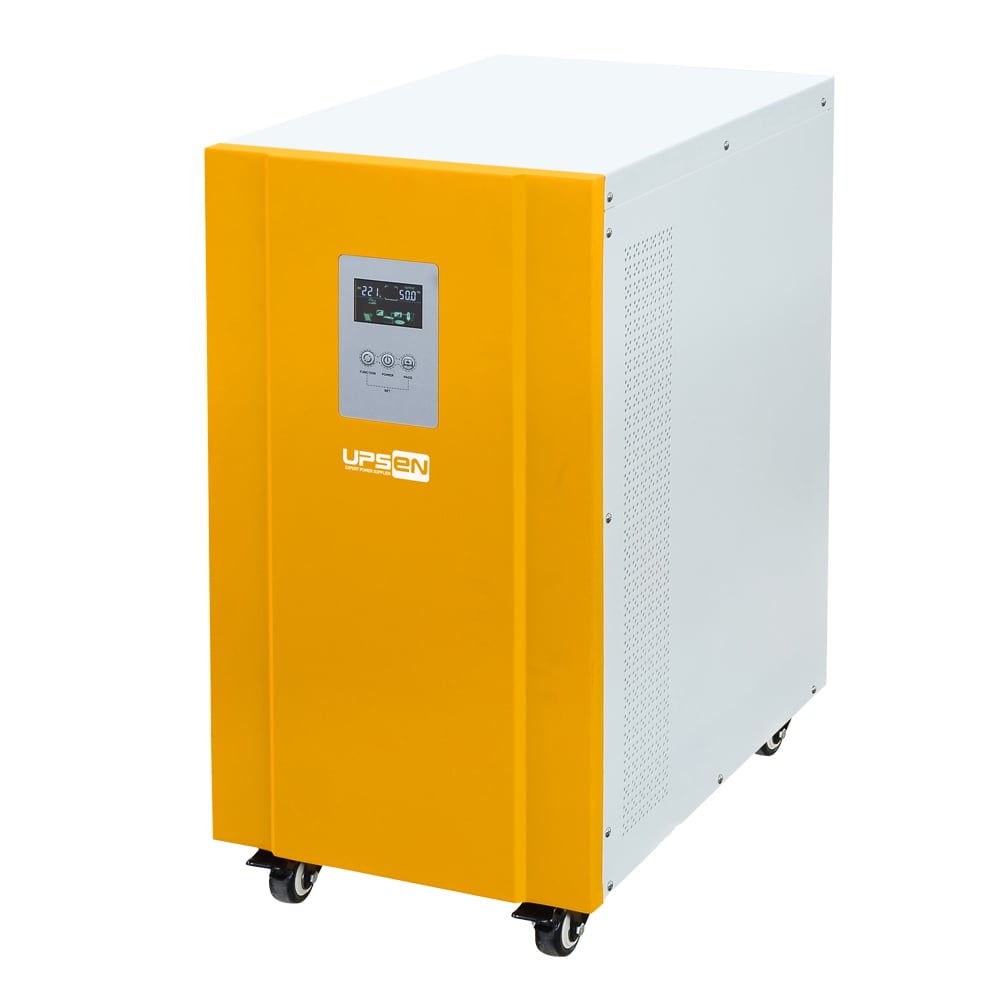
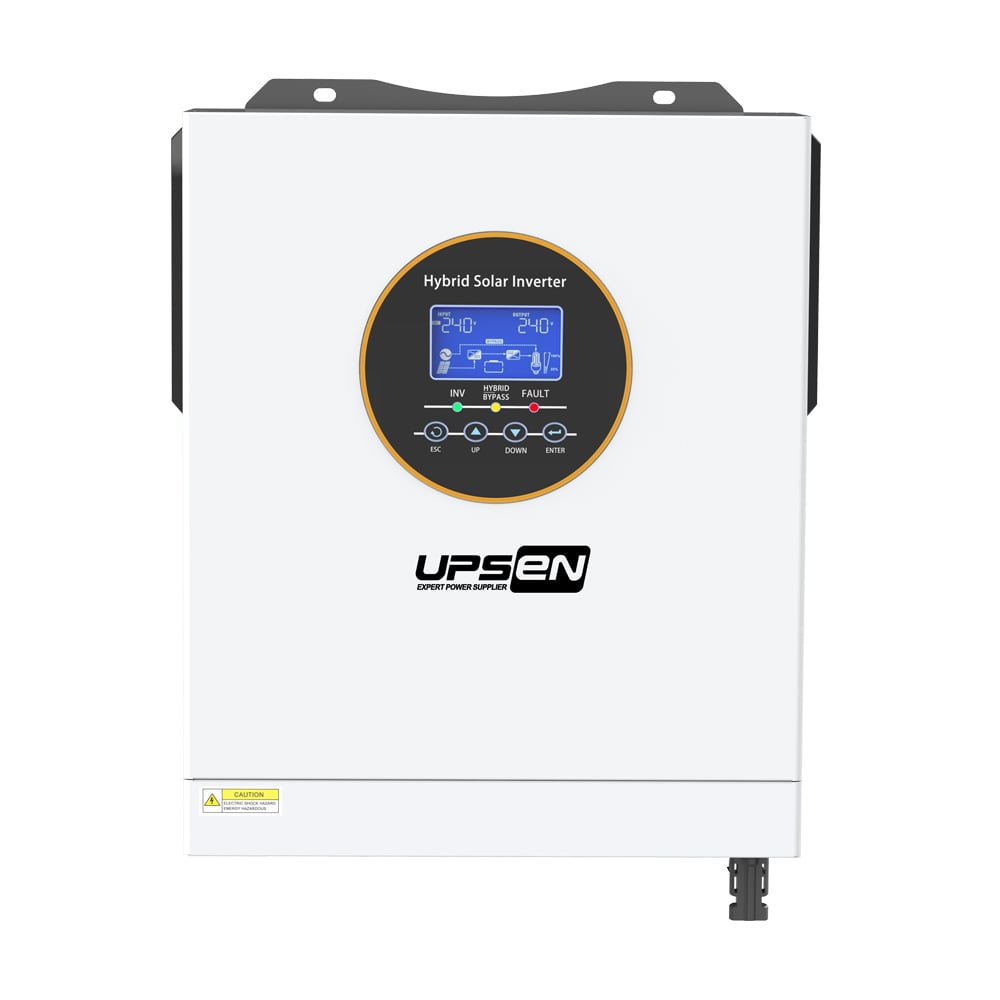
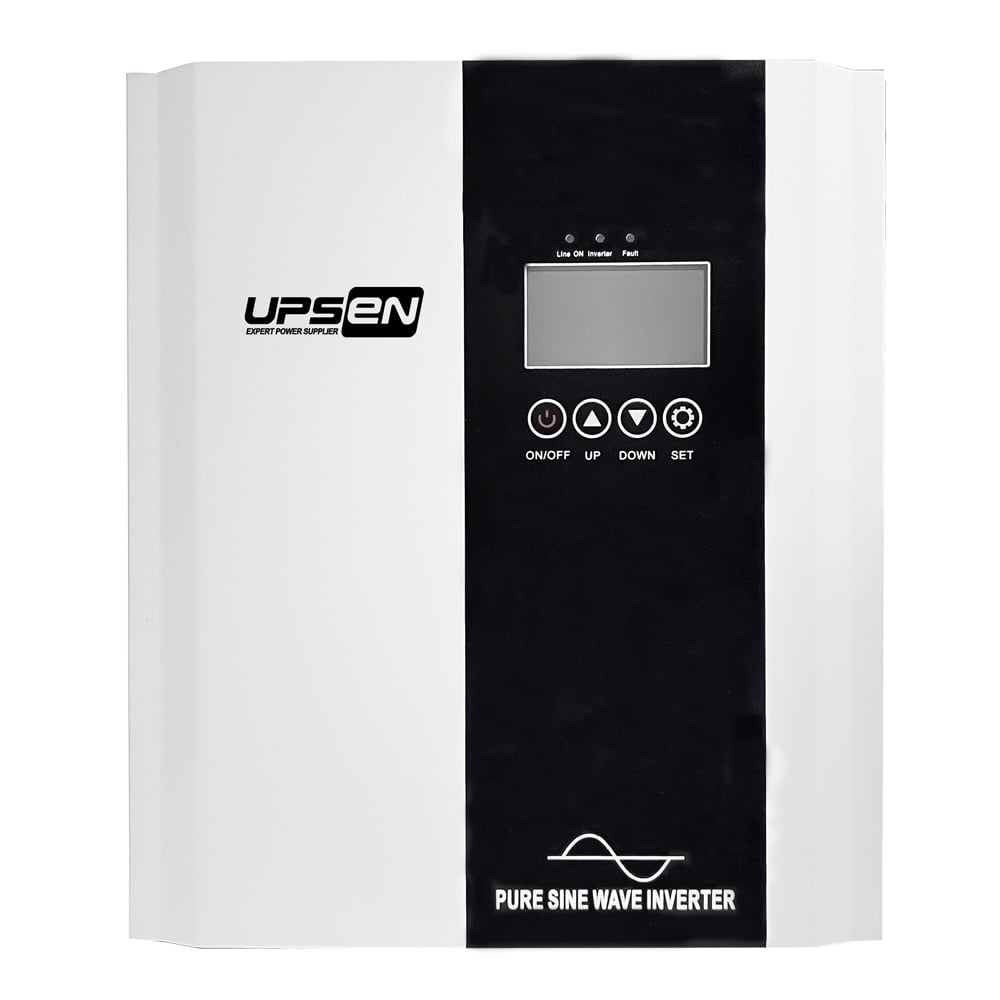
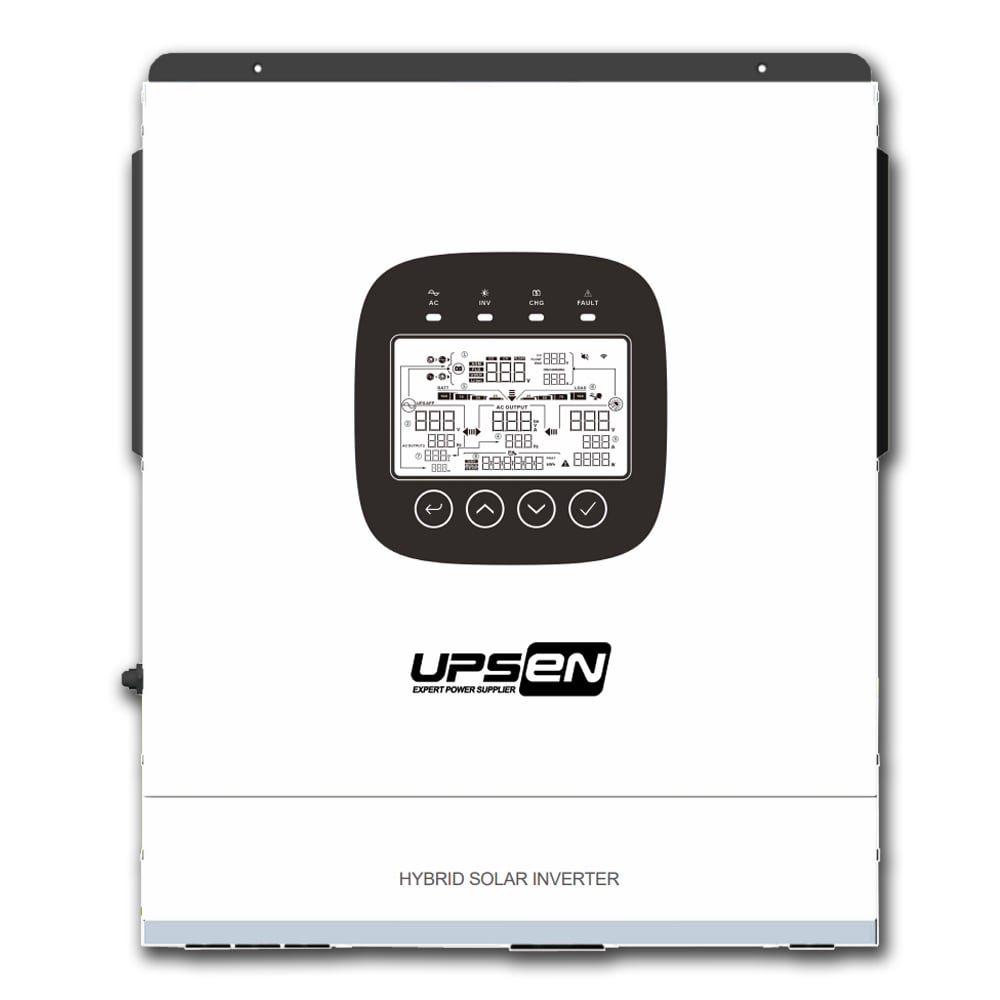
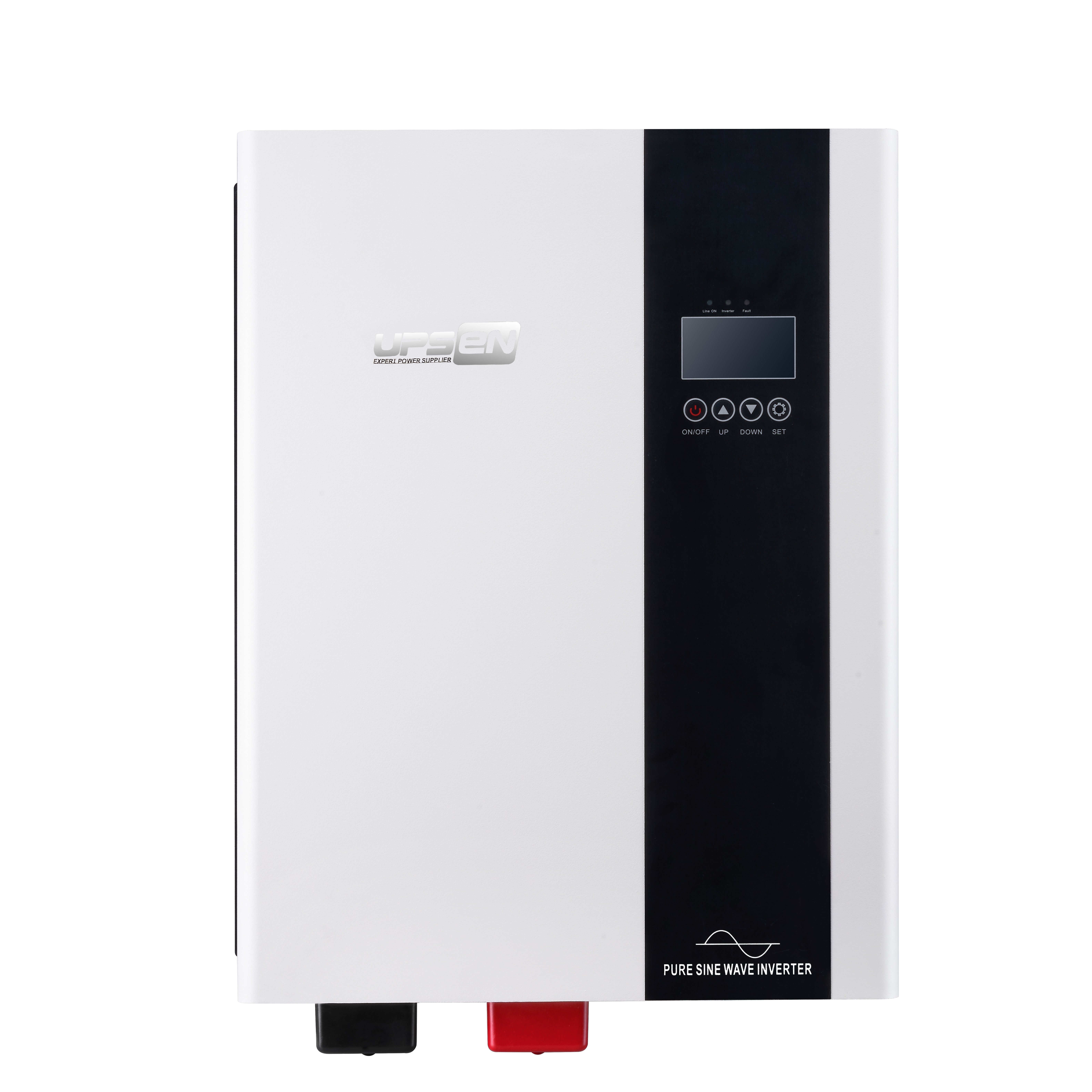
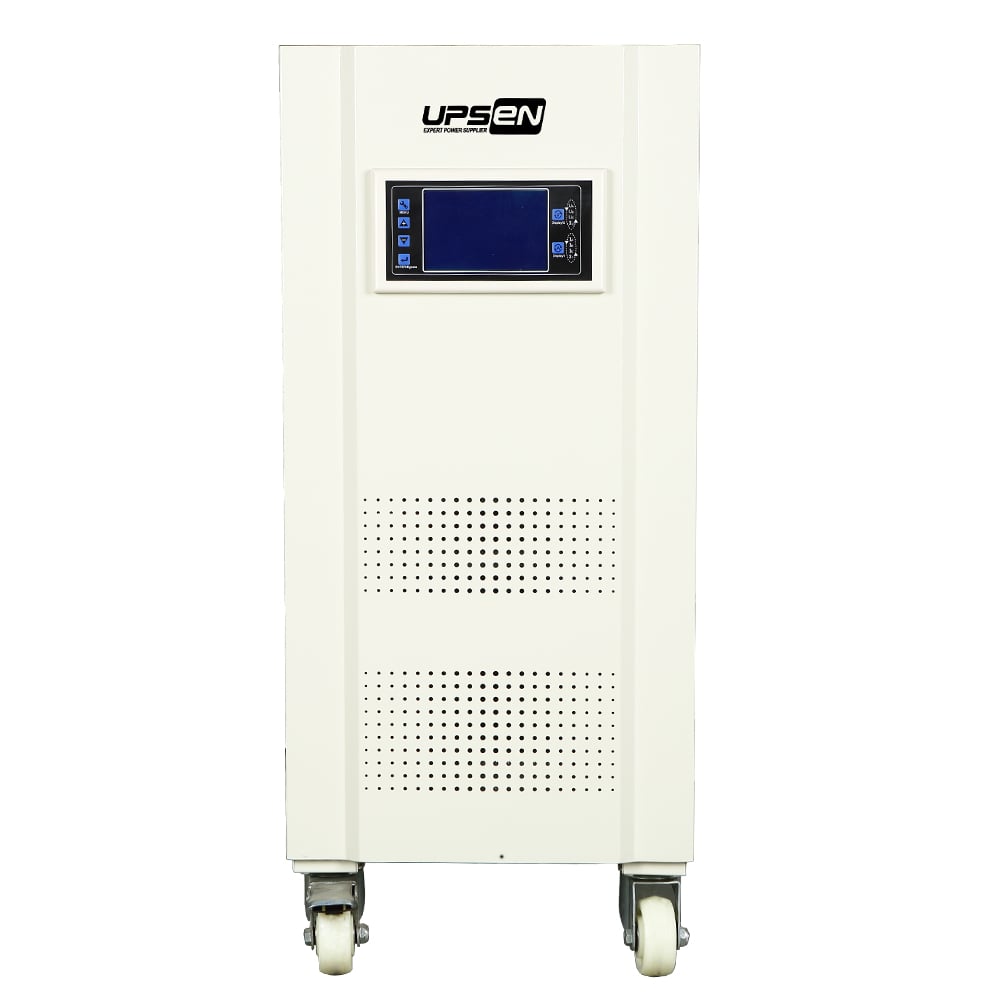
·Teknologjia më e fundit e inverterit me tre nivele
·Teknologji e vërtetë online me konvertim të dyfishtë, dalje me valë sinusoidale të pastër
·faktor i fuqisë së daljes 0,9
·Ekran LCD digital, kohë zero transferimi
·Teknologjia DSP, dizajn i kompaktë
·Korektimi aktiv i faktorit të fuqisë hyrëse (PFC)
·Mbrojtje kundër të gjitha llojeve të problemeve me energjinë
·Gama e gjerë e tensionit dhe frekuencës hyrëse
·Menaxhimi aktiv i ngarkesës, funksioni i nisjes nga ftohtë
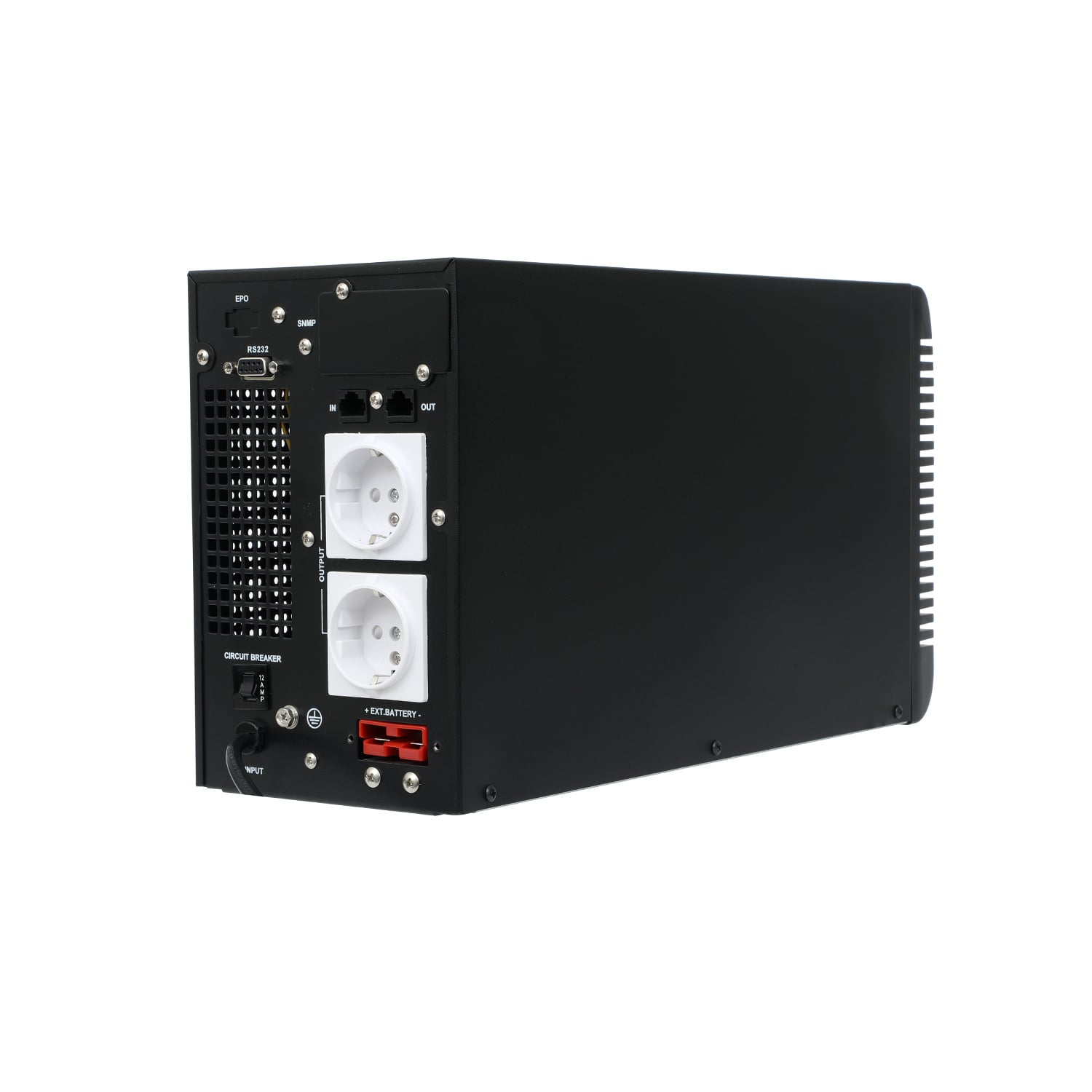
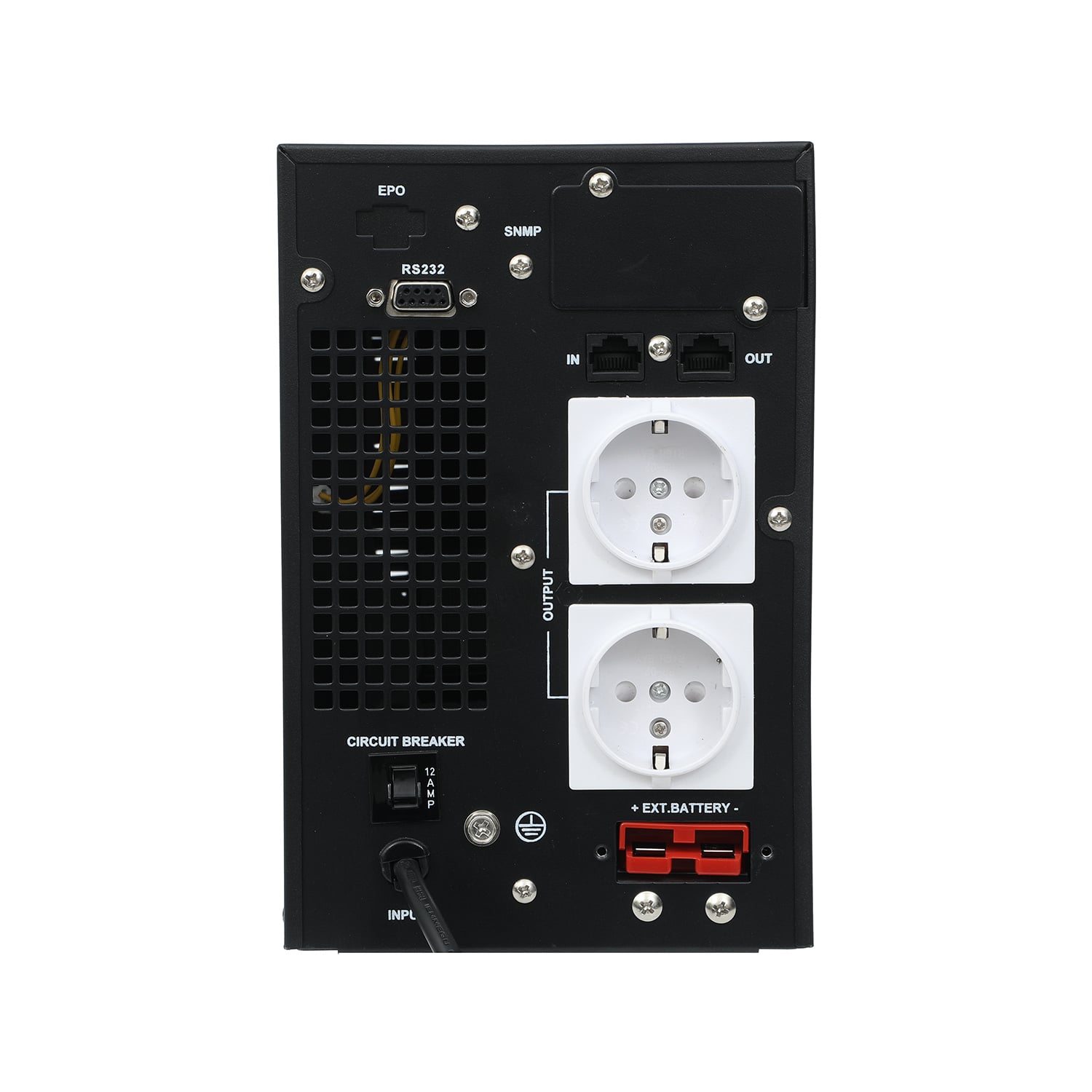
·Slotet e zgjerimit të mjaftueshme për USB, AS400, monitorimin CMC, SNMP, RS485 dhe monitorimin e mjedisit EMD
·E pajisur me shkakthyes shkurtimi për mirëmbajtje
·E përshtatshme për përdorim me gjenerator
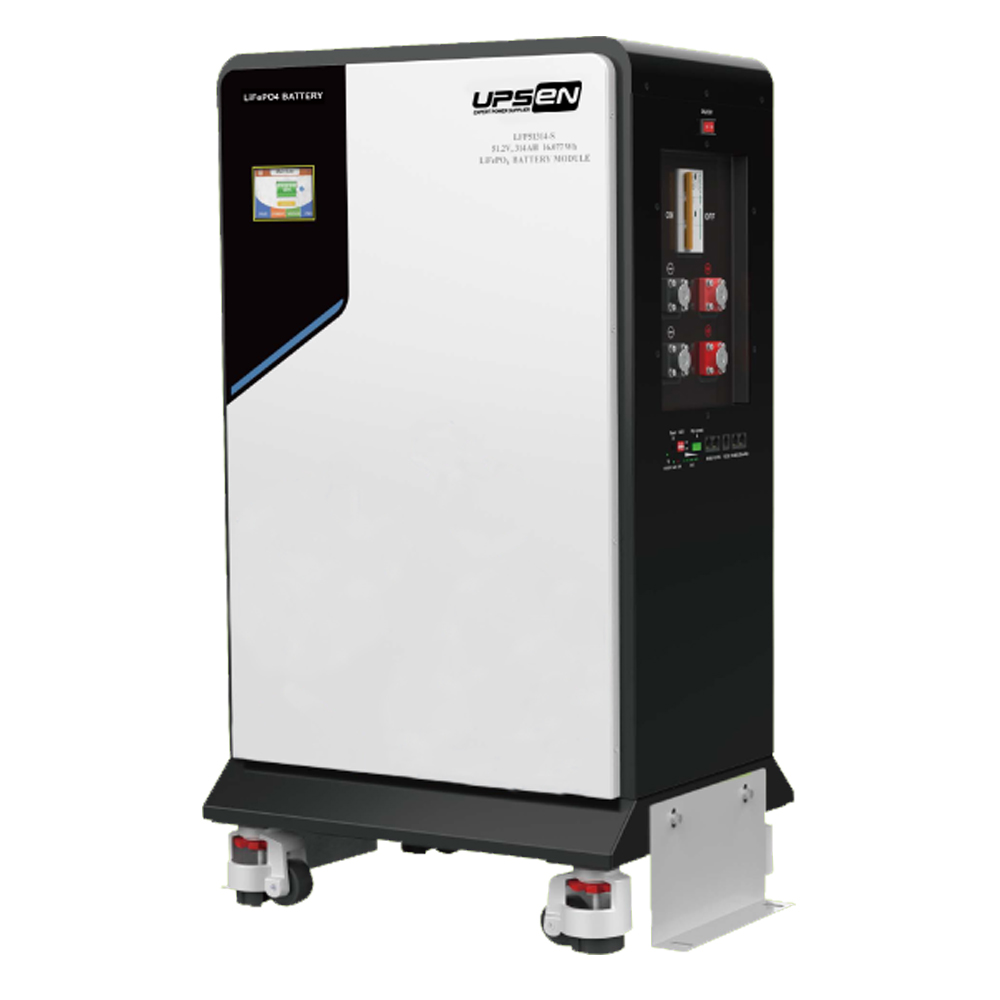
·Bateri me acid të ngopur me plumb, pa nevojë për mirëmbajtje
| Modeli | Q6K Plus | Q6KL Plus | Q10K Plus | Q10KL Plus | ||
| Kapaciteti | 6 KVA / 5400 W | 10 kVA / 9000 W | ||||
| Hyrje | Sistemi i hyrjes | Fazë e vetme dhe tokëzim | ||||
| Tensioni i gamës | (120±5) VAC ~ (274±5) VAC | |||||
| Rryma e vlerësuar | 24A | 40A | ||||
| Frekuenca | 46~54 Hz / 56~64 Hz | |||||
| Gama e tensionit të shkarkimit anësor | (60±5) VAC ~ (300±5) VAC (Parazgjedhur: 80 VAC ~ 264 VAC; mund të rregullohet me softuer) | |||||
| Faktori i Energjisë | ≥0.99 | |||||
| Dalja | Sistemi i daljes | Fazë e vetme dhe tokëzim | ||||
| Tensioni i gamës | 220 VAC (tensioni i daljes mund të caktohet: 200 V/208 V/220 V/230 V/240 V.) | |||||
| Precizioni i tensionit | ±1% | |||||
| Frekuenca | Modi normal | 1. Frekuenca e daljes sinkronizohet me frekuencën e hyrjes kur frekuenca e hyrjes është në diapazonin 46 Hz ~ 54 Hz. 2. Frekuenca e daljes është 50 Hz kur frekuenca e hyrjes nuk është në intervalin 46 Hz–54 Hz. 3. Mund të konfigurohet si 60 Hz. |
||||
| Mënyra e Baterisë | ||||||
| Kapaciteti i mbingarkesës së inverterit (Fuqia nga rrjeti, 25 ℃) |
105% ±5% < Ngarkesa ≤ 125% ± 5%: transferimi në modalitetin shkarkues pas 60 sekondash 125% ±5% < Ngarkesa ≤ 135% ± 5%: transferimi në modalitetin shkarkues pas 30 sekondash Ngarkesa > 135% ± 5%: transferimi në modalitetin shkarkues pas 100 ms |
|||||
| Rryma e vlerësuar | 27A | 45A | ||||
| Faktori i Energjisë | 0.9 | |||||
| Forma e Valës | Valë e pastër sinus | |||||
| Koha e Transferimit | 0 ms (Modaliteti normal ←→ Modaliteti me bateri) <4 ms (Modaliteti normal ←→ Modaliteti shkarkues) |
|||||
| Faktor i Kryes | 3:1 | |||||
| Bateria | Tretë e Nominal e Batereisë | 192 Vdc (personalizimi 240 Vdc është opsional) | ||||
| Sasia e Baterive | 16dh | Asgjë | 16dh | Asgjë | ||
| Lloji i Baterisë | Bateri e mbyllur, e pa nevojë për mirëmbajtje, me bazë plumb-acid, me tension baterie 12 V, 7 Ah (ose 12 V, 9 Ah) | |||||
| Kohë mbështetëse (25 °C) | Ngarkesa e plotë ≥ 5 minuta | Varësisht nga kapaciteti i bankës së baterive të jashtme | Ngarkesa e plotë ≥ 5 minuta | Varësisht nga kapaciteti i bankës së baterive të jashtme | ||
| Koha e Transferimit | 0 ms | |||||
| Rryma e karikimit | 1A | 5,5 A | 1A | 5,5 A | ||
| Komunikimi | Komunikimi | Standard RS232; Opsionale: USB, fllushë SNMP Smart Card | ||||
| Mjedisi i funksionimit | Temperatura | 0 °C ~ 40 °C | ||||
| Zëri i dëgjueshëm | ≤ 50 dB | |||||
| Tatimi | <95% | |||||
| Dimensioni | Madhësia e makinës – Gjërësia * Gjatësia * Lartësia (mm) | 260*533*560 | 190*425*328 | 260*533*560 | 260*533*560 | |
| Madhësia e paketës – Gjërësia * Gjatësia * Lartësia (mm) | 355*635*665 | 305*563*450 | 355*635*665 | 385*685*645 | ||
| Pesha neto (kg) | 55.3 | 12.5 | 62 | 21 | ||
| Peshë e plotë (kg) | 64.5 | 20 | 70 | 23 | ||
| *Specifikimet mund të ndryshojnë pa njoftim të mëparshëm | ||||||
Mbrojtje gatishme për montim në rafte që funksionon me ftohtësi dhe qetësi
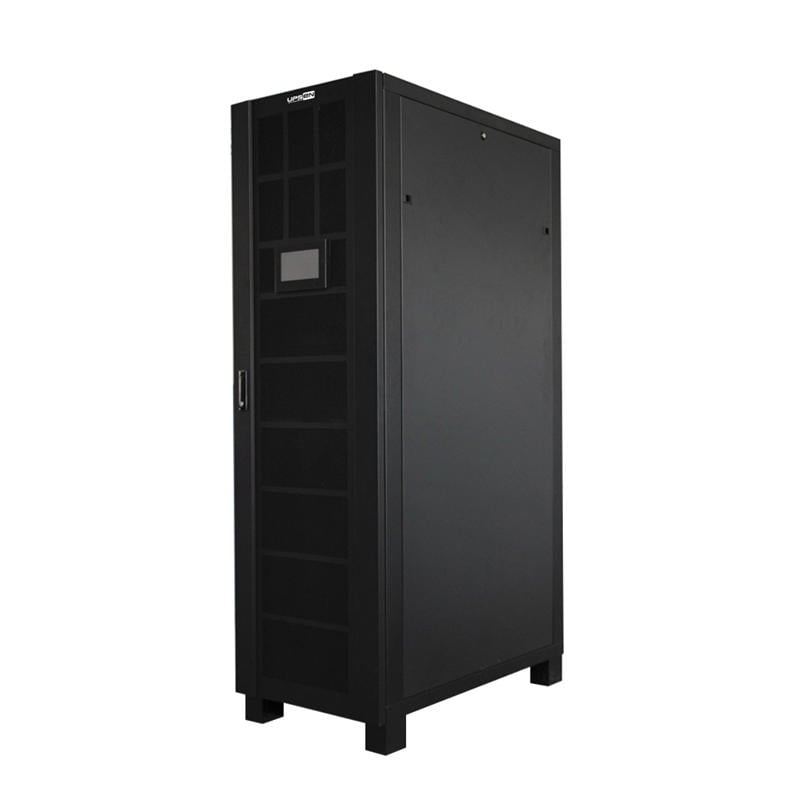
Rritja e fuqisë në 6 ose 10 kVA ndryshon diskutimin. Nuk po flasni më për mbrojtjen e disa stacioneve punuese. Me këtë kapacitet, ju po mbani në funksion një tërë rafte serverësh, një dhomë të vogël të të dhënave që punon pa ndërprerje, ose një pajisje laboratorike që kushton më shumë se instalimi elektrik i ndërtesës. Seria Queen Star në këtë gamë fuqie ruajnë të njëjtën arkitekturë online me konvertim të dyfishtë që karakterizon njësitë më të vogla – kohë transferimi zero, dalje e vazhdueshme me valë sinusore të pastër, izolim i plotë nga çdo gjë që bën rrjeti – dhe më pas shtojnë disa përmirësime që janë logjike kur ngarkesat bëhen serioze.
Kërcimi teknik më i madh është kalimi te teknologjinë e inverterit me tre nivele . Shumica e njësitave UPS me frekuencë të lartë përdorin inverterë me dy nivele. Ata funksionojnë, por ndryshojnë me forcë, gjë që prodhon nxehtësi shtesë dhe zhurmë akustike. Një inverter me tre nivele ndryshon më butë, duke prodhuar një valë më të rrjedhshme me më pak stres në komponentë. Në praktikë, kjo do të thotë se UPS-ja punon më ftohtë, humb më pak energji dhe nuk mbush dhomën me zhurmë ventilatorësh. Është lloji i përsosjes që e ndieni kur një njësi instalohet në një armatirë pranë zyrës, në vend të një dhomë elektrike të veçantë dhe të izoluara nga zhurma.
Konvertimi Online i Dyfishtë: Akoma i papajtueshëm
Saktësisht si vellai i saj më i vogël, Queen Star 6–10 kVA nuk furnizon kurrë energji të rrjetit pa përpunim direkt në pajisjet tuaja. AC-ja hyrëse konvertohet në DC, filtrat dhe pastaj rindërtohet në një valë sinusoidale të pastër nga inverteri. Nuk ka vonesë të shkëmbimit të rrjedhës sepse nuk ka asnjë shkëmbim. Kur rrjeti dështon, bateria merr në mënyrë të paprekur bus-in e DC-së dhe inverteri vazhdon të punojë. Serverët, shkëmbyesit dhe grupet e ruajtjes së të dhënave nuk regjistrojnë asgjë — asnjë cikël i humbur, asnjë hyrje në log për një ngjarje energjie.
Për aplikacionet ku kohëzgjatja e funksionimit matet në dollarë për sekondë, kjo është e vetmja përgjigje e pranueshme.
faktori i fuqisë së daljes 0,9: Watt të vërtetë për ngarkesa moderne
Dizajnet e vjetra të UPS-ve zakonisht citojnë një numër të madh VA që nuk përkthehet në watt të përdorshëm. Një njësi 10 kVA me faktor fuqie 0,7 ju jep vetëm 7 kW. Shumica e pajisjeve moderne IT — serverë me furnizime energjie me korrigjim aktive të faktorit të fuqisë (PFC), shkëmbyesë, rafta ruajtjeje — tërheqin rrymën me një faktor fuqie afër 1,0. Seria Queen Star prodhon një faktor fuqie 0,9 , kështu që një njësi 10 kVA ofron plotësisht 9 kW. Ju nuk paguani për kapacitet të papërdorur. Ju merrni atë që keni blerë, dhe ai i përshtatet saktësisht pajisjeve që po lidhni.
Korektimi Aktiv i Faktorit të Fuqisë të Hyrjes: Përdorimi i Mirë me Ndërtesën
Në anën e hyrjes, korrigjimi aktiv i faktorit të fuqisë mban faktorin e fuqisë hyrëse mbi 0,99. Kjo nuk është vetëm një arsye për të krenuarit. Kjo do të thotë se UPS-ja tërheq rrymën në mënyrë të pastër, në fazë me tensionin. Ka më pak energji reaktive që lëviz nëpër sistemin, më pak ngrohje në telat dhe shumë më pak rryma harmonike që kthehen përsëri në sistemin elektrik të ndërtesës.
Nëse keni hasur ndonjëherë me çelësa të papritur të ndalimit ose neutrals të ngrohur te një objekt me shumë ngarkesa elektronike, do ta vlerësoni pse kjo është e rëndësishme. Seria Queen Star nuk ndot gridin që duhet të mbrojë.
Shkarkimi i Mirëmbajtjes: Zëvendësoni UPS-në pa ndaluar ngarkesën
Në nivelin 6–10 kVA, pajisjet të lidhura me UPS-së janë zakonisht shumë të rëndësishme për t'u ndalur vetëm sepse UPS-ja ka nevojë për një kontroll shërbimi. Bypass-i i integruar i mirëmbajtjes është zgjidhja. Kur ju duhet të punoni në njësinë — pavarësisht nëse është zëvendësim baterie, përditësim firmware-i ose një zëvendësim i plotë — ju mund të drejtoni manualisht energjinë nga rrjeti (ose nga gjeneratori) rreth UPS-së drejtpërdrejt te ngarkesa.
Asnjë ripërshtatje e kabllot. Asnjë manipulim i kabllotve të aktivizuar kur serverët tuaj po bëjnë zhurmë. Vetëm një transfer i kontrolluar që e mban gjithçka në funksionim, ndërkohë që UPS-ja është sigurisht e fikur. Për një ekip IT të vogël ose një ofrues shërbimesh të menaxhuar, i cili nuk mund të planifikojë kohë pushimi, vetëm kjo karakteristikë e justifikon zgjedhjen.
Mbështetja e gjeneratoreve: Dalja e pastër nga hyrja e ndotur
Generatorët e rezervës, veçanërisht ata më të vegjël ose më të vjetër, nuk prodhojnë valën sinusoidale të përsosur që merrni nga rrjeti i energjisë elektrike. Dalja e tyre mund të jetë e papastër, me ndryshime të tensionit dhe të frekuencës që bëjnë që UPS-të më të thjeshta të refuzojnë burimin dhe të mbeten në bateri derisa kjo të shkarkohet plotësisht. Seria Queen Star është ndërtuar me një dritare të gjerë intencionale të tensionit dhe frekuencës hyrëse. Ajo pranon energjinë e papastër të generatorit, e kalon nëpër procesin e konvertimit të dyfishtë dhe i siguron ngarkesës një dalje të pastër dhe të qëndrueshme.
Pajisjet tuaja nuk shohin kurrë skajet e papastërta të generatorit. Ata shohin vetëm një rrymë alternative të përsosur, pa marrë parasysh çfarë ndodh nëpër rrjetin e përparm.
Aftësia për Nisje të Ftohtë: Nisni Ekuipimin Kur Nuk Ka Asgjë
Funksioni i nisjes së ftohtë ju lejon të nisni UPS-in vetëm nga energjia e baterisë, edhe kur rrjeti i energjisë është plotësisht i zhdukur dhe asnjë generator nuk është në punë. Kjo mund të jetë një shpëtimtar në instalime të largëta, ushtrime ripërtëritjeje pas katastrofave ose në çdo situatë ku keni nevojë të aktivizoni sistemet përkohësisht para se rrjeti i energjisë të rikthehet.
Menaxhimi Adaptiv i Ngarkesës: Zhvendosje Intelligjente Kur Kapaciteti është i Kufizuar
Po punoni afër kufijve të njësisë? Seria Queen Star përfshin menaxhimin aktiv të ngarkesës që monitoron prodhimin total dhe mund të zhvendosë inteligjentisht grupe të jashtëzakonikave jo të rëndësishme nëse ngarkesa afrohet në një nivel të pavetëm. Kur kapaciteti bëhet i lirë, ajo i rikonket përsëri. Kjo është veçanërisht e dobishme kur jeni në fuqi gjeneratori dhe duhet të parandaloni një mbishkarkim që mund të çojë në dështimin e të gjithë sistemit.
Një Ekrani Që Nuk Kërkon Manual
Ekran i digitalizuar LCD ju jep numrat kryesorë në një shtypje të syrit: tensioni i hyrjes, tensioni i daljes, përqindja e ngarkesës, nivel i baterisë, frekuencë. Kjo nuk është fshehur në nënmeny, as nuk ka kod misterioz për t’u dekoduar. Nëse ndodh diçka e gabuar, do ta dini se çfarë është dhe do ta dini shpejt.
Opsione Komunikimi për Çdo Mjedis
Pa marrë parasysh cilën sistem monitorimi po përdorni tashmë, ka gjithashtu një vend për të. Queen Star 6–10 kVA përfshin kapacitet zgjerimi për USB, AS400 (për sistemet e vjetra IBM), RS485, SNMP për menaxhimin e rrjetit dhe edhe një kartë monitorimi të mjedisit EMD që gjuron temperaturën dhe lagështinë brenda rafteve. Nëse Qendra Juaj e Operacioneve (NOC) ose sistemi i menaxhimit të ndërtesës ka nevojë të shikojë UPS-in, kjo është e mundur.
Bateritë me acid të plumbit të mbyllura: Pa ujëzim, pa ventilim
Njësia përdor bateri me acid të plumbit të mbyllura dhe pa kujdes. Nuk keni nevojë t’i mbushni me ujë, nuk keni nevojë për ventilim të veçantë dhe ato janë lehtësisht të disponueshme kur lind nevoja për zëvendësim pas disa viteve. Në këtë gamë fuqie, kjo është zgjidhja praktike – e provuar, e parashikueshme dhe e lehtë për mirëmbajtje.
Dizajn i kompaktë i rafteve: Përshtatet ku duhet
Në të gjithë rritjen e fuqisë, seria Queen Star ruajnë një hapësirë të ngushtë. Ajo është projektuar për montim standard në raftin 19-inç dhe zë vetëm disa U hapësirë vertikale. Ju nuk po sakrifikoni gjysmën e raftit për të vendosur UPS-in. Kjo lë më shumë hapësirë për pajisjet që në fakt gjenerojnë të ardhura.
Ku duhet të jetë
UPS-i i serisë Queen Star, me fuqi 6–10 kVA, është i përqendruar drejtpërsëdrejti në dhomat e veglave të vogla dhe të mesme, në sallat e të dhënave të zyrave të degëve, në laboratorët mjekësorë dhe në ambientet e lehta industriale, ku cilësia e energjisë duhet të jetë perfekte, por UPS-i nuk mund të jetë një pajisje e zhurmshme, e nxehtë dhe e madhe që kërkon një dhomë të veçantë. Ai është një përmirësim i njësive 1–3 kVA jo vetëm në wattazh, por edhe në veçoritë që bëjnë ndryshim kur koha e funksionimit pa ndërprerje është e papajtueshme dhe dritaret për mirëmbajtje janë të rralla.
Nëse kërkoni mbrojtje online me konvertim të dyfishtë që funksionon efikasht, integrohet pa probleme dhe përfshin një dizajn të shërbimit miqësor (si ai shkarkues për mirëmbajtje) që ju shpëton në të vërtetë gjatë një thirrjeje në mesnatë, seria Queen Star në 6–10 kVA është ndërtuar për këtë punë.

1409–1410, Qendra Tongfang, kryqëzimi i rrugës Zhongxin dhe rrugës Haoxiang, rrethi Xinqiao, distrikti Bao'an, Shenzhen, Kinë.
Të drejtat e autorizimit © Shenzhen UPSEN Electronic CO., LTD. Të gjitha të drejtat janë të rezervuara Politika e Privatësisë
 EN
EN