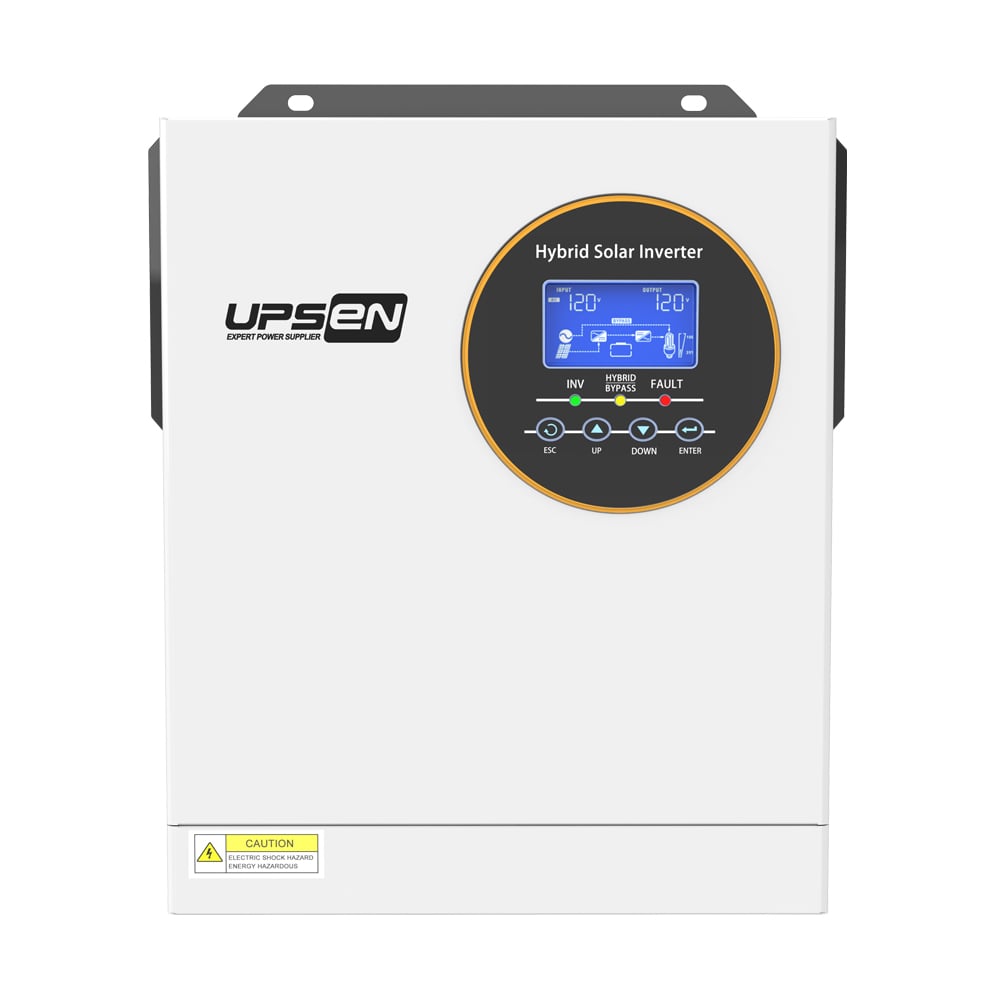
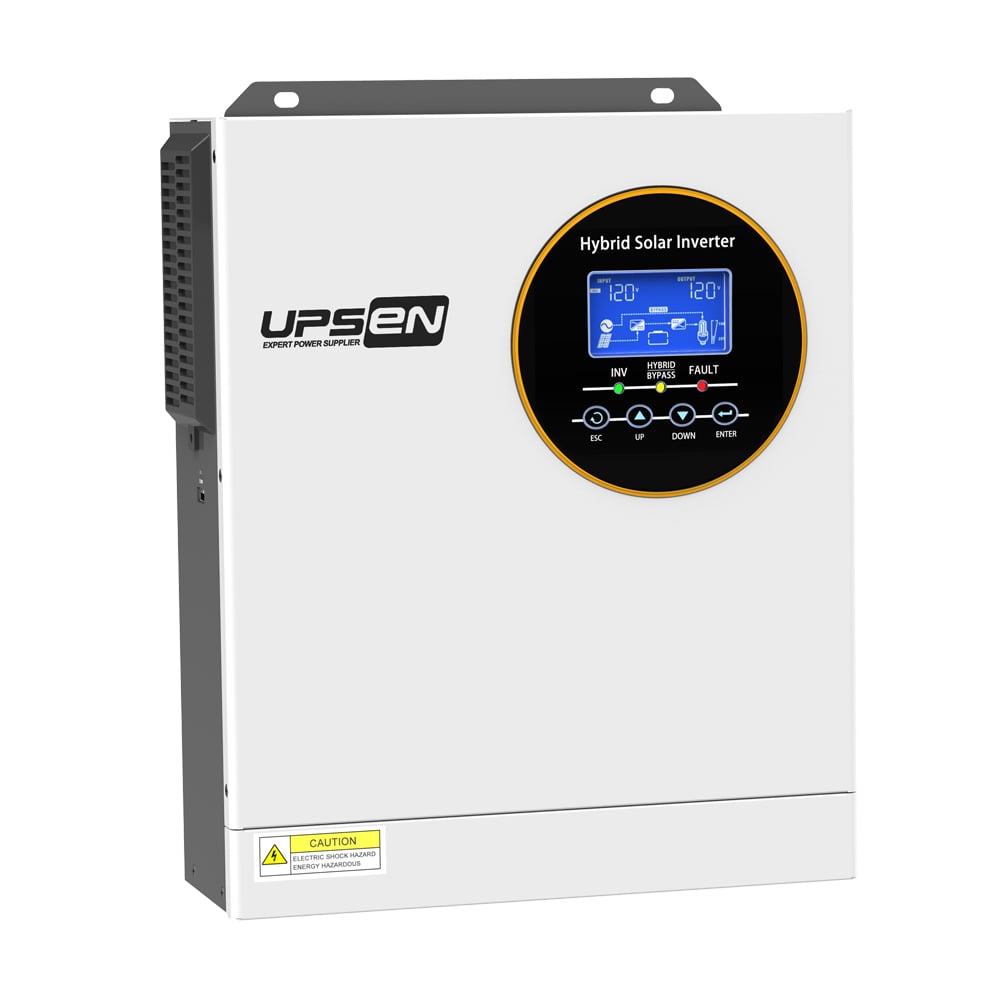
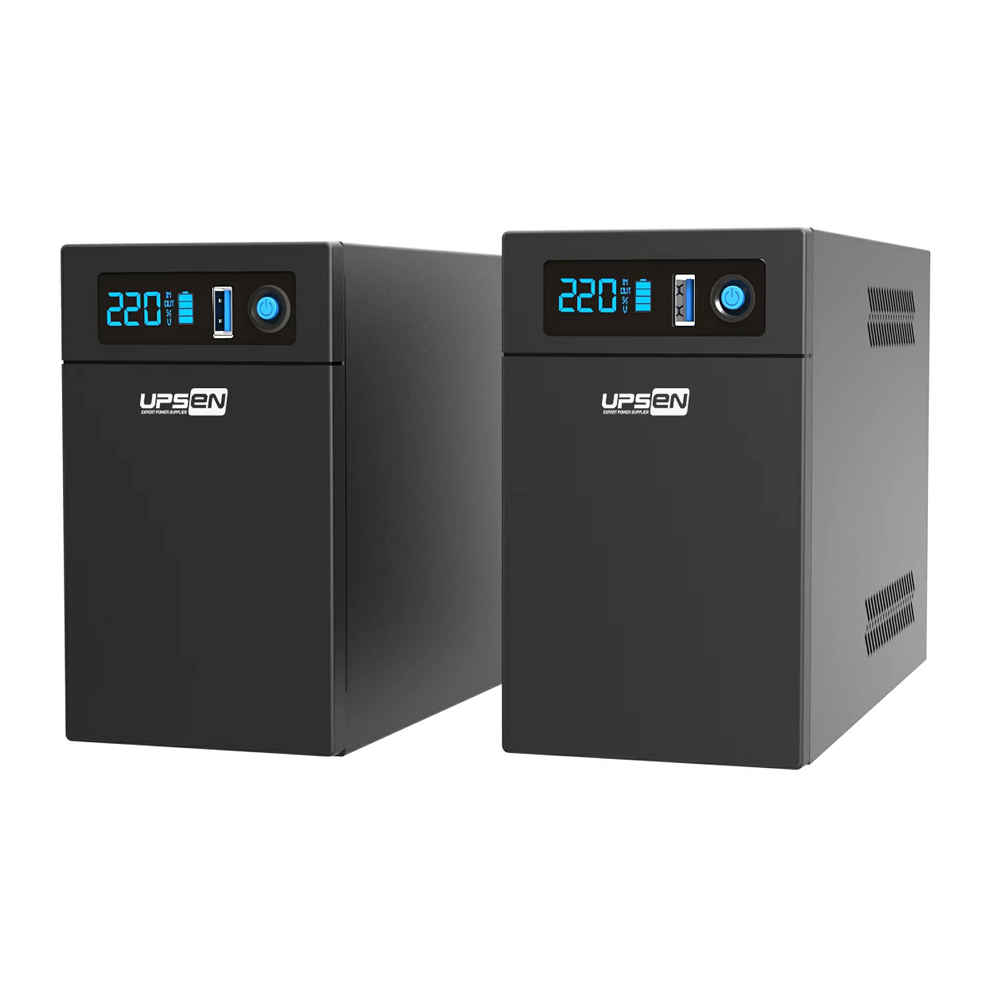
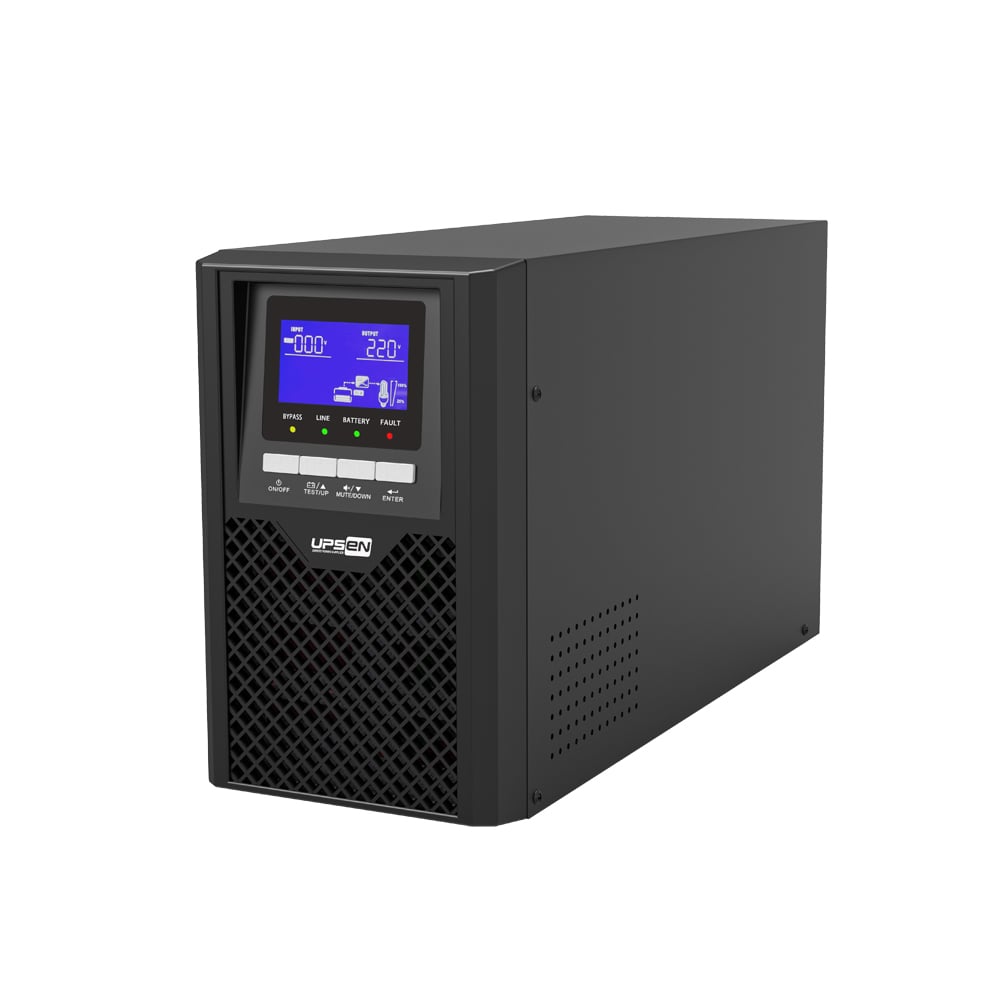
·Chiqish quvvati omili PF=1,0
·Changga chidamli komponentlar bilan jihozlangan
·Akkuizitor (batareya) boʻlmaganda ham ishlashi mumkin
·Kengroq FV kirish kuchlanish doirası: 60 V~300 V doimiy tok
·Ajoyib quyosh MPPT ishlashi, samaradorlik 99% gacha
·FV energiyasi hosil qilish boʻyicha umumiy va kunlik maʼlumotlar
·Akkuizitor (batareya) uygʻonish funksiyasi
·Ortiqcha quyosh energiyasi tarmoqqa uzatilishi mumkin (sozlanadigan)
| Model | HB-LV 3024 | HB-LV 3048 | HB-LV 3624 | HB-LV 3648 | HB-LV 5048 |
|---|---|---|---|---|---|
| Pv massiv | |||||
| Maksimal PV massivi quvvati | 3600W | 3600W | 4200W | 4200W | 6000 Vatt |
| Maksimal FV massivining ochiq zanjir kuchlanishi | 300 V doimiy tok | ||||
| Ishga tushirish voltaji | 60VDC | ||||
| MPPT ishlatish voltaj diapazoni | 70 - 280 V doimiy tok | ||||
| Nomiyal input voltaji | 250VDC | ||||
| MPPT maksimal kirish tokı | 30A | ||||
| MPPT maksimal foydalanish samaradorligi | 99% | ||||
| Akku | |||||
| Batareya Turi | Li-ion / Qo'rg'osh-kislotali | ||||
| Nominal Akku Voltaji | 24 V | 48 V | 24 V | 48 V | 48 V |
| Batareya voltaj oralig'i | 21 - 29 V | 41 - 58 V | 21 - 29 V | 41 - 58 V | 41 - 58 V |
| Maks. o'zgaruvchan tok bilan zaryadlash toki | 40A | 40A | 50A | 50A | 50A |
| Maks. PV bilan zaryadlash toki | 80A | 80A | 100A | 100A | 100A |
| Maksimal doimiy razryad tokı | 100A | 100A | 100A | 100A | 120A |
| AC Kirish | |||||
| Nominal voltaj | 110 / 115 / 120 VAC | ||||
| Kuchlanish oralig'i | 90 - 140 VAC | ||||
| Koʻp uchraydiganlik | 50 / 60 Hz (Avtomatik aniqlash) | ||||
| Chastota diapazoni | 45 - 65 Hz | ||||
| Maksimal kiruvchi to'kimi | 40A | 50A | |||
| AC chiqish | |||||
| Nominal voltaj | 110 / 115 / 120 VAC ± 5% | ||||
| Chiqish voltaj xiloliformi | To'g'ri sinusoidal xilol | ||||
| Nisbiy chiqish quvvati | 3000 VA / 3000 Vt | 3600 VA / 3600 Vt | 5000 VA / 5000 Vt | ||
| Zirak chiqish quvvati | 4500 VA | 5400 VA | 7500 VA | ||
| Nominal chiqish chastotasi | 50 / 60Hz | ||||
| Отиш вақти | 10ms | ||||
| Foydalanish samaradorligi (zirak) PV dan INV gacha | 96.5% | ||||
| Foydalanish samaradorligi (zirak) BAT dan INV gacha | 91.0% | ||||
| Himoya | |||||
| Ko'p harorat himoyalari | Ҳа | ||||
| Ortishdan himoya | ≥150% yukda 3 s; 110%–150% yukda 10 s | ||||
| Umumiy ma'lumotlar | |||||
| Ishlash harorati oralig'i | -10 ~ 50 ℃ | ||||
| Nisbiy namlik | 0 – 95% | ||||
| Maksimal operatsion balandlik | <4000m | ||||
| Suzilish usuli | Aqlli ventilyatorli sovutish | ||||
| Дисплей | LED + LCD | ||||
| BMS bilan aloqalar | RS485 | ||||
| Bulut bilan aloqa | WiFi / 4G | ||||
| Himoya darajasi | IP21 | ||||
| Toʻgʻri vazn (kg) | 6.5 | 6.5 | 8.4 | ||
| Mashina o'lchamlari — Uzunlik*Kenglik*Balandlik (mm) | 326*275*95 | 326*275*95 | 363*105*300 | ||
| Montaj usuli | Diyorga qo'yiladigan | ||||
| Eslatma: Mahsulot parametrlari oldindan xabar berilmasdan o'zgartirilishi mumkin. | |||||
Cheklangan sonli paneldan keng koʻlamli ikki fazali ishlash
Kichik miqyosda quyosh energiyasidan foydalanishga harakat qilganda qiziqarli narsa sodir boʻladi. Siz avtomobilda quyosh panellari oʻrnatish uchun tomning bir qismini tozalaysiz, ikkita yoki uchta panelni oʻrnatasiz, simlarni quyoshli devorga tushirasiz va keyin tanlagan invertoringiz massivdan 100 voltni koʻrmaguncha uzoq vaqtga qadar faollashmaydi, degan xabardor boʻlasiz. 'sizning ikkita panelli zanjiringiz yaxshi kunlarda 70 volt quvvat berishi mumkin. Shu sababli siz 'quyidagi vaziyatga duch kelasiz: yoki joyingizdan ortiq panel qoʻshishingiz kerak, yoki esa ikki fazali ishlashni taʼminlamaydigan va suv quduq pompa ishlatolmaydigan past kuchlanishli invertorni tanlashingiz kerak. 'hB-DUAL seriyali LV — bu muammo yechimining boshlanish nuqtasi. 'u 's standart HB-DUAL bilan bir xil gibrid inverter —120/240V bo'linma faza, haqiqiy vatt, changga qarshi qurilma —lekin faqat 60 voltdan boshlanadigan PV kirish oynasi bilan. Bir juft umumiy 36 hujayra paneli seriyada, va siz 'biz biznesda.
Past PV kuchlanmasi: Eshik ochgich
Standart HB-DUAL - bu kuchli quvvat, ammo u ishga tushirish uchun yaxshi hajmdagi arrayni kutadi. LV varianti quyosh energiyasining minimal qo'llanmasini 60 Vdc gacha, 300 Vdc maxfiy darajasigacha tushiradi. Bu oʻzgarish quyosh energiyasini ilgari oʻrnatilmagan butun turdagi qurilmalar uchun ishga tushiradi. 't bo'linadigan fazali inverterni asoslantiradi. RV tomida faqatgina muayyan miqdordagi paneli bo'ladi. Kichik kabina ikki panel uchun etarlicha katta bo'lgan janub tomonga qaraydigan ochiq devorga ega bo'lishi mumkin. Bog'bonlik ustaxonasi soat 2 dan keyin soya bilan qoplanadi va siz qisqa ip bilan har qanday mumkin bo'lgan vattni yig'ishtirmoqchisiz. LV modeli sizlarni anglatadi 'siz boshlang'ich darajaga yetib olish uchun tomingizni shisha bilan to'ldirishingiz shart emas. Bu shuningdek kichikdan boshlash mumkinligini anglatadi —bugun, bir necha panellar bilan —va keyinchalik invertorni almashtirmasdan qoʻshimcha quvvat qoʻshishingiz mumkin. 60 dan 300 V gacha boʻlgan kuchlanish doirasida sizning kelajakdagi ehtiyojlaringiz uchun yetarli maydon mavjud.
Haqiqiy vattlar, qogʻozda koʻrsatilgan texnik xususiyatlar emas
Quvvat omili 1,0 ga teng, bu katta akasi bilan bir xil. 5000 Vt lik qurilma standart Shimoliy Amerika yuk markazining ikkita issiq tarmogʻiga 5000 Vt lik haqiqiy oʻzgaruvchan tok quvvatini taqsimlaydi. Siz 120 V ni chiroqlar, elektr rozetkalari, sovutgich va elektronika uchun; 240 V ni suv quduq pompa, siqish uskunasi yoki konditsioner uchun olasiz. Quvvat pasaytirilmaydi, hech qanday izoh belgisi yoʻq. Har bir vatt muhim boʻlgan maydonchada yoki zavodda ishonchli ishlash uchun etiketka ustidagi raqamga ishonishingiz mumkin.
Changga chidamli, tebranishga chidamli, gʻorlarda ishlashga moʻljallangan
Koʻpchilik kichik quvvatli invertorlar — isteʼmolchilarga moʻljallangan qurilmalar boʻlib, ular tozalangan, iqlim nazorati ostidagi shkafda yashashni kutadi. LV modeli standart HB-DUAL bilan bir xil qattiq ishlovchi oiladan keladi. Ichki plastinalar yogʻoch ishlab chiqarish zavodidagi mayda zarrachalarga, sigirxonalardagi palla zarrachalariga yoki avtomobilda tuproqli yoʻlda sakrab ketayotgan tebranishlarga chidamli changga chidamli komponentlardan tashkil topgan. Agar siz 'va ikki yil davomida changli garajda ishlayotgan invertorni tozalagan bo'lsangiz, 'bu qanchalik muhim ekanligini aniq bilasiz. LV qurilmasi tirishib qolishdan saqlanish uchun filtrlangan o'rnatma talab qilmaydi. 'buni juda yaxshi tushunasiz. LV birlikka tirishib qolishdan saqlanish uchun filtrlangan o'rnatma kerak emas. 'buni juda yaxshi tushunasiz. LV birlikka tirishib qolishdan saqlanish uchun filtrlangan o'rnatma kerak emas.
Batareya ixtiyoriy: Quvvatni quyoshga ishonib oling
LV modeli batareyaga ulanmagan holda to'g'ridan-to'g'ri quyosh energiyasidan yuklarni boshqara oladi. PV massiv etarli kuchlanish va quvvatni ishlab chiqarib turganda invertor uyg'onadi, doimiy tokni o'zgartirib o'zgaruvchan tokka aylantiradi va uy yoki zavodxona elektr tarmog'iga beradi. Bu faqat kun davomida ishlatiladigan qo'llanishlar uchun ajoyib: quyosh yorug'ligi borida suv nasosining tankni to'ldirishi, 9 dan 17 gacha soatlarda elektr asboblarini ishlatadigan zavodxona, faqat kunduzgi soatlarda foydalaniladigan chalet. 'siz batareya bankining dastlabki xarajatlarini va murakkabliklarini shu paytgacha oldini olasiz. Va bu kun kelganda, siz faqat mos keladigan litий-ion batareya paketini ulab, gibrid rejimga o'tasiz. 'invertor ortiqcha energiyani kechlik va bulutli kunlar uchun saqlashni boshlaydi. Siz o'zingizning tezligingizda kengaytirasiz.
Kichik massivni maksimal darajada samarali ishlashini ta'minlaydigan MPPT
Siz 'cheklangan sonli panellar bilan ishlashda har bir vatt muhim. O'rnatilgan MPPT zaryadlash boshqaruvchisi 99% gacha samaradorlikda ishlaydi. U quyidagi sharoitlarda ham doimiy ravishda massivning maksimal quvvat nuqtasini kuzatib boradi: bulut soyasi o'tib ketayotganda va panel temperaturalari o'zgarayotganda. 'kichik tizim uchun bu samaradorlik arzonroq PWM boshqaruvchiga qaraganda kundalik energiya yig'ilishini sezilarli darajada oshiradi. Farqni old panel displeyida ko'rasiz: umumiy yig'ilgan PV energiya, shuningdek, kunlik ishlab chiqarish ko'rsatkichlari — shu tufayli siz bepul quvvatdan qancha foydalanganingizni aniq bilasiz. 'tarmoqqa o'z ixtiyorizda ulanish
Agar past kuchlanishli (LV) qurilma tarmoq quvvati mavjud joyga o'rnatilgan bo'lsa, siz uni ortiqcha quyosh energiyasini tarmoqqa qaytarish uchun sozlash imkoniyatiga egasiz. Eksport funksiyasi moslashtiriladi:
Agar mahalliy tarmoq kompaniyasi to'g'ri hisob-kitob (net metering) yoki eksport tarifini taklif qilsa, ushbu funksiyani yoqishingiz mumkin va siz iste'mol qilgan quvvatni kompensatsiya qilasiz. —agar eksportga ruxsat berilmagan yoki ruxsat berilmagan bo'lsa, 'siz 'buni amalga oshira olmaysiz 'bu qiyinchilikni o'z ichiga olmaydi, eksportni nolga sozlang va invertor avtomatik ravishda yuklarga va batareyani zaryadlashga mos keladigan chiqishini cheklaydi, shunda hech narsa tarmoqqa orqaga oqmaydi. Tanlov sizning qo'lingizda.
Batareya uyg'onishi: Qo'lda tiklash talab qilinmaydi
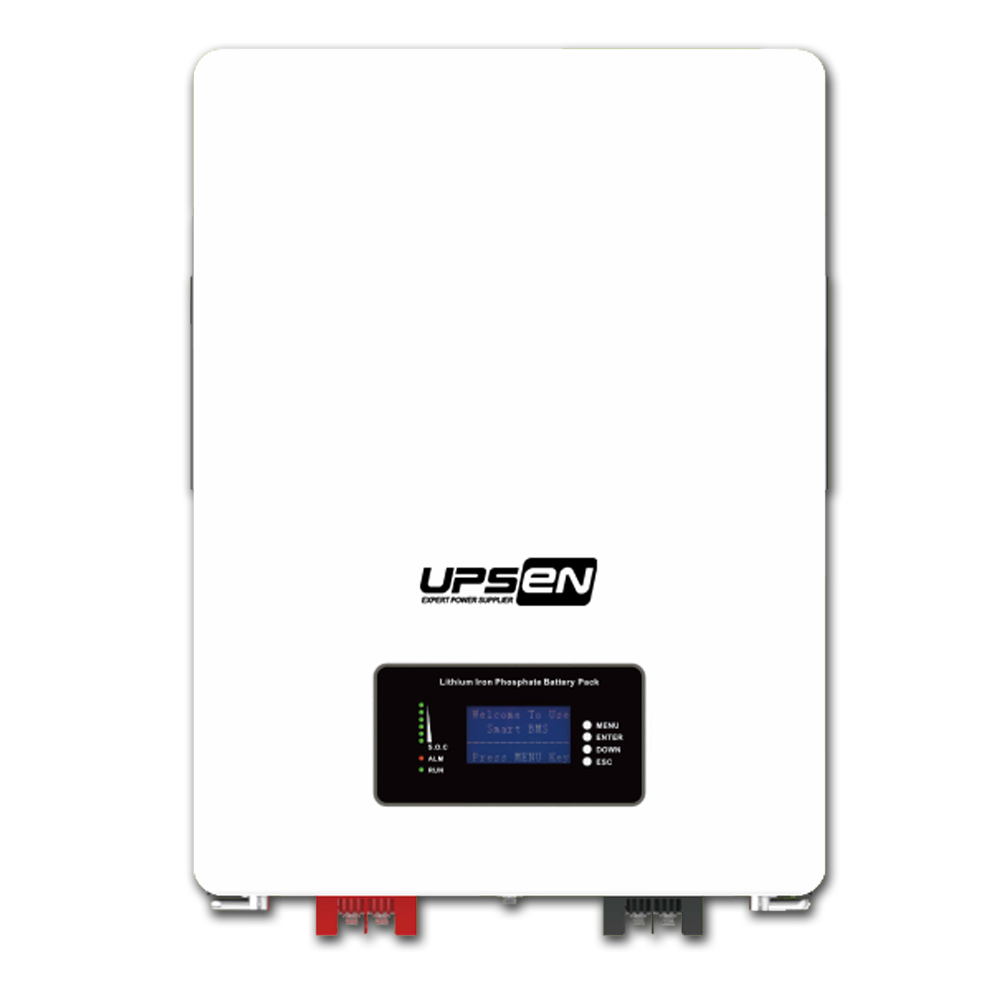
Litiy batareyalar chuqur razryaddan himoyalanish uchun uyqu rejimiga o'tadi. Bunday hollarda oddiy invertor batareyani qo'lda qo'llanmasdan onlayn holatga keltira olmaydi. LV modeli batareyaga 'ning BMS bilan RS-485 orqali aloqa qiladi va quyosh yoki tarmoq energiyasi qaytganida avtomatik ravishda uyg'onish signali yuboradi. Siz 'qorong'ulikda qolmaysiz va faqat bir marta itarib yuborish kerak bo'lgan ajoyib batareyangiz bilan qolmaysiz.
LV qachon maqsadga muvofiq?
HB-DUAL seriyali LV kichik maydonli quyosh energiyasi tizimlariga mos keladi, bunda jismoniy joy, byudjet yoki ikkalasi ham cheklangan, lekin haqiqiy ikki fazali quvvatga ehtiyoj bor:
`Avtonom avtomobillar va sayyohlik avtomobillari tomda faqat ikkita yoki uchta panel joylashtirish uchun joy bor, lekin elektr jihozlari uchun 120 V va 240 V ikkalasiga ham ehtiyoj bor
`Kichik off-grid (tarmoqqa ulanmagan) dachalar va maydonda joylashgan kichik uy-lar siz bir nechta panel bilan boshlab, quvvatni asta-sekin oshirishni xohlaysiz
`Masofadan turib o'tkaziladigan seminarlar va nasosxonalari faqat quyosh nuri bor vaqtda elektr energiyasiga ehtiyoj sezadigan
`Qishloq xo'jaligi binolari tomda joylashgan qisqa panellar guruhidan 240 V li nasos yoki ventilyatorni ishga tushirish
`Orqali maydonchada xavfli ishlarni amalga oshiruvchi sevgi do'stlari vaqt o'tishi bilan kengaytiriladigan kichik quyosh energiyasi tizimini yaratmoqchi bo'lganlar
Foydalanishga qulay ikki fazali invertor
HB-DUAL seriyali past kuchlanishli invertor 'past boshlang'ich kuchlanishga erishish uchun imkoniyatlardan voz kechmaydi. U 'hali ham toʻliq quvvatli, changga chidamli, ikki fazali gibrid invertor boʻlib, quvvat omili 1,0 va yuqori samaradorlikdagi MPPT ga ega. Farqi shundaki, u ishlay boshlashidan oldin qimmatbaho panellarning uzun zanjirini talab qilmaydi. 'ushbu invertorni oʻrnatish uchun faqat ikkita panel, devor va baʼzi quyosh nuri yetarli. Agar sizga yaxshi invertorni oʻrnatish uchun katta massiv kerakligi aytilgan boʻlsa, LV modeli shu fikrga soʻngsiz javobdir. 'kichik boshlang, har bir vattni yigʻing.

xitoy, Shenzhen shahri, Bao'an tumani, Xinqiao tumani, Zhongxin yo'li va Haoxiang yo'li kesishmasidagi Tongfang markazi, 1409–1410-sonli xonalar
© Shenzhen UPSEN Elektronika CO., LTD. Barcha huquqlar himoyalangan Maxfiylik siyosati
 EN
EN