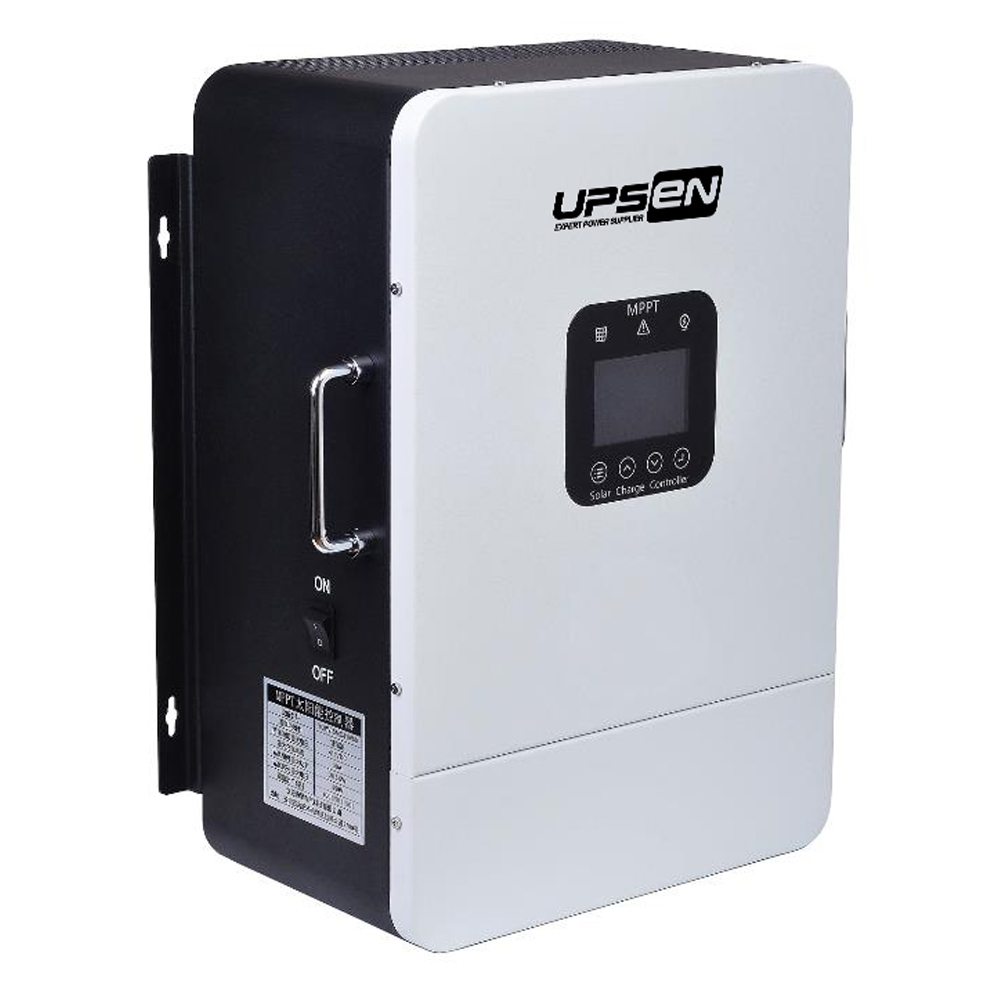
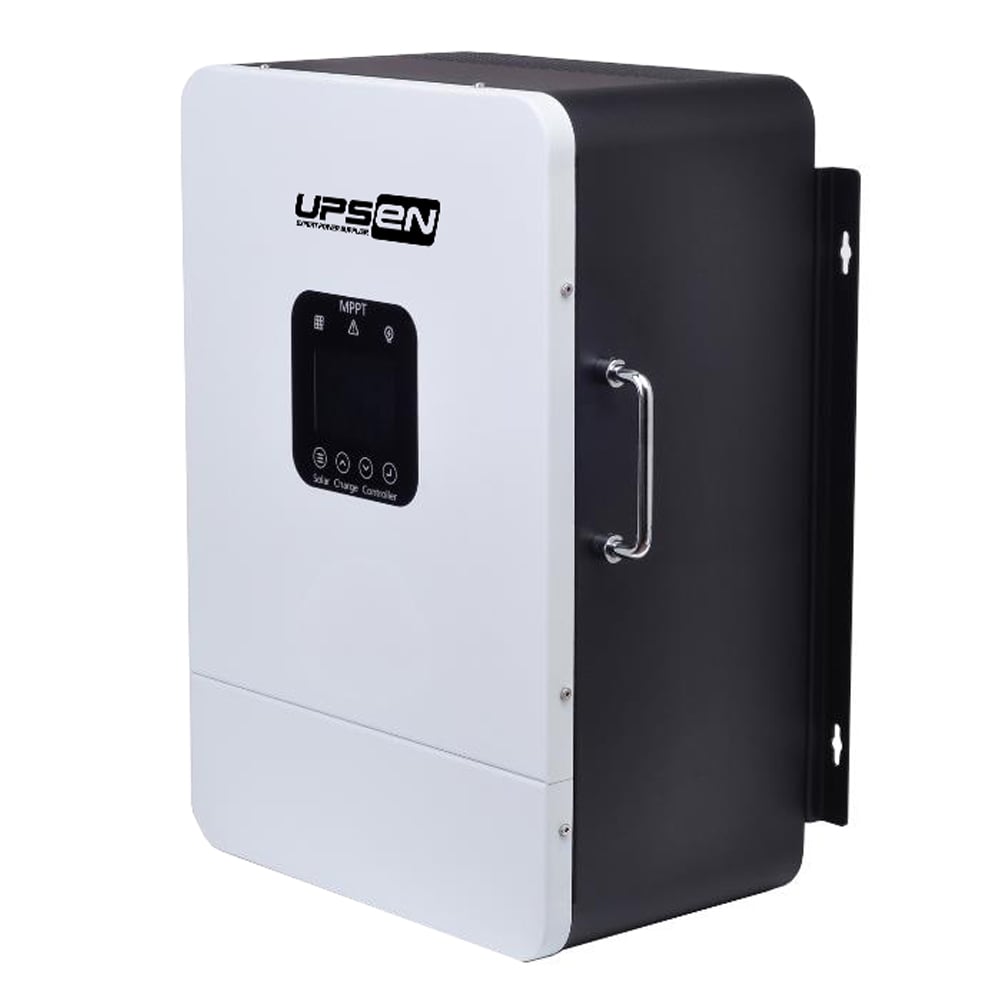
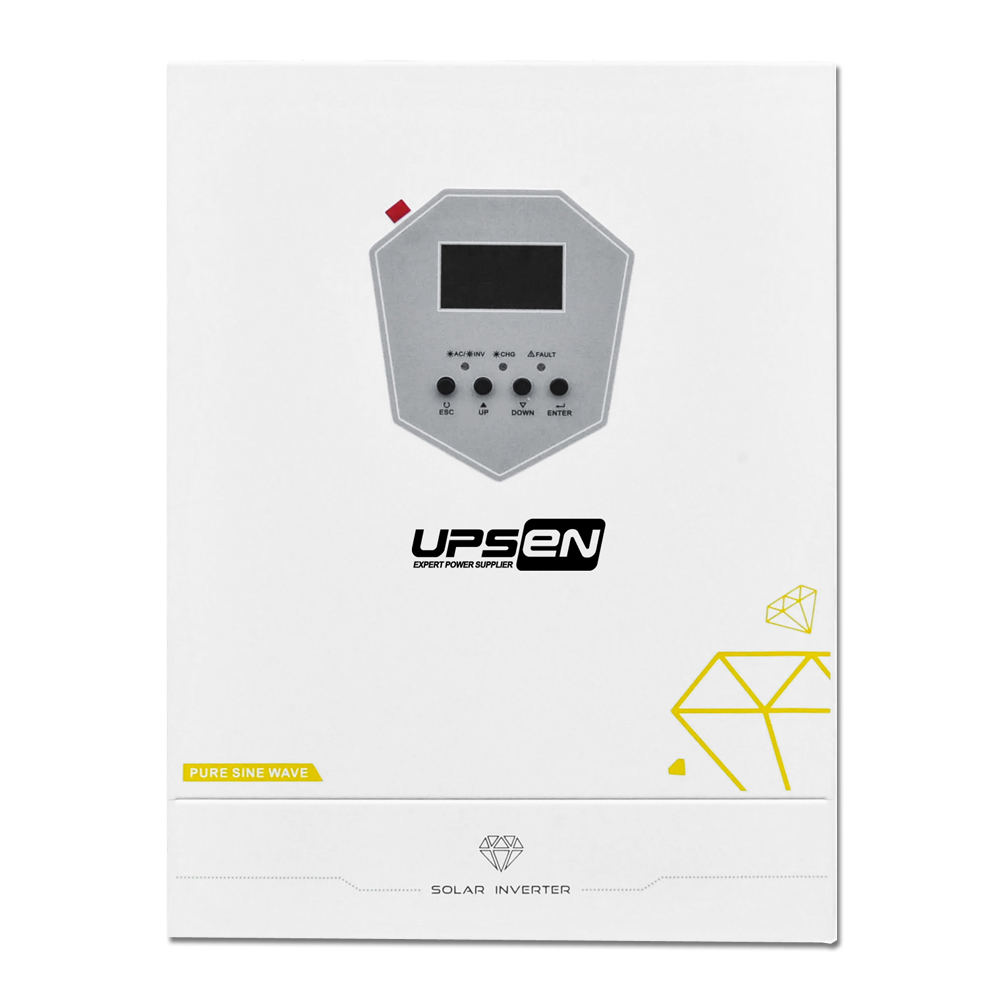
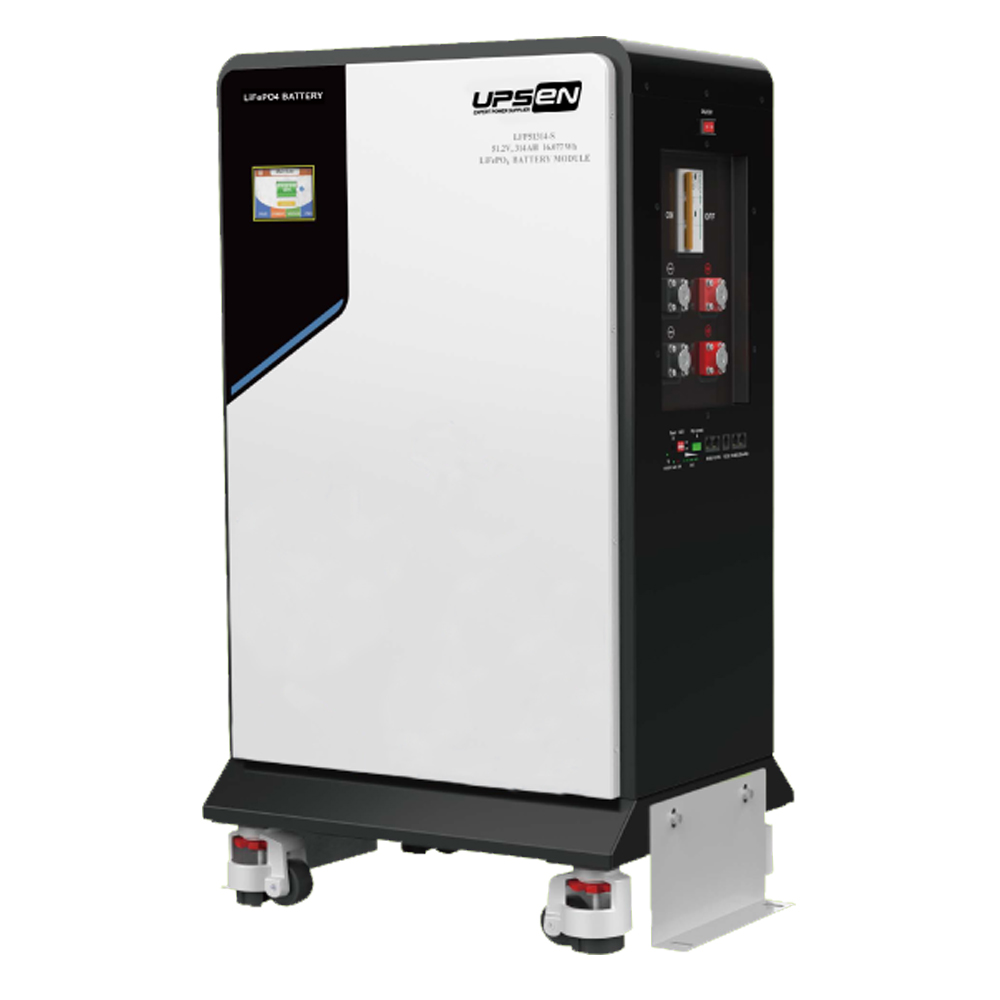
·MPPT технология, ефективност >99,5 %
·Конфигуриране на високопроизводителни IGBT силови модули
·Използване на четиристепенен режим на зареждане (зареждане с понижаване на напрежението, изравняващо зареждане, плаващо зареждане и завършващо зареждане)
·Слънчевият контролер използва високопроизводителни 32-битови чипове с отлично електромагнитно съвместимо проектиране
·Контролерът също има функция за температурна компенсация и функция за RTC реално време
·Стандартен Modbus протокол за комуникация по RS-485
·Потребителят може да управлява зареждането на контролера чрез RS-485 или сух контакт
| Модел | MS 100A – 192 VDC | MS 100A – 384 VDC |
|---|---|---|
| Номинално системно напрежение | 192V | 384V |
| Макс. Ток на зареждане | 100A | 100A |
| Макс. входна слънчева мощност | 19.2KW | 38,4 kW |
| Максимално входно напрежение | 400V | 800V |
| Пусково напрежение на MPPT | 1,1 пъти реалното напрежение на батерията | 1,1 пъти реалното напрежение на батерията |
| Макс. ефективност на проследяване | >99% | >99% |
| Макс, моля те. Ефективност на преобразуването | >98% | >98% |
| Отключване при прекомерно напрежение | 240,0 V | 480,0 V |
| Повторно включване при прекомерно напрежение / Приключване на зареждането | 235,2 V | 470,4 V |
| Напрежение за изравнително зареждане | 225,6 V | 451,2 V |
| Напрежение за плаващо зареждане | 220,8 V | 441,6 V |
| Възстановяване към бързо зареждане | 211,2 V | 422,4 V |
| Повторно включване при ниско напрежение | 201,6 V | 403.2В |
| Изключване при ниско напрежение | 168,0 V | 336,0 V |
| Време за уравнително зареждане | 120 минути | 120 минути |
| Зареждане с постоянен ток | ≤100A | ≤100A |
| Тези параметри могат да се настройват според изискванията за различните типове батерии | ||
| Дисплей | Цветен LCD екран + докосваеми клавиши | |
| Език на дисплея | Английски | |
| Тип терминал | Бариерна клема от серия TC | |
| Височина | ≤2000 м, мощността трябва да се намали при надморска височина над 3000 м | |
| Температура на съхранение | -25°C ~ +55°C | |
| Метод за охлаждане | Интелигентно охлаждане с вентилатор | |
| IP (защита от проникване) | IP32 | |
| Комуникация | RS485 със стандартен MODBUS RTU протокол | |
| Размер | 500*384*228 мм | |
| Нетно тегло | 27 кг. | |
| *Спецификациите на продукта подлежат на промяна без предупреждение. | ||
Високоволтова система за управление за големи слънчеви инсталации
Прекосете соларния алея на всеки дистрибутор и рафтовете са пълни с регулатори на заряд за системи от 12, 24 и 48 волта. Това е напълно подходящо за кабинка или камионетка. Но когато проектирате голяма автономна къща, отдалечен телекомуникационен мачтата или соларна станция за изпомпване на вода, разположена на километър от панелите, вие не използвате батерийна банка от 48 волта. Използвате 192 или 384 волта постоянен ток. Правите това, за да поддържате тока нисък, медните кабели относително тънки и загубите на мощност до минимум. Соларният регулатор с MPPT от серията MS е проектиран специално за такива високоволтови и високомощни обекти. Това е работохолик с номинален ток 100 ампера, който поддържа протокола Modbus, използва промишлени IGBT-транзистори и кара вашите панели да предават почти всеки ват, на който са способни.
Защо 192 волта и 384 волта имат смисъл
Когато удвоите напрежението на батерията, токът се намалява наполовина при съща мощност. Това означава, че похарчвате по-малко за дебели и скъпи медни кабели за свързване на вашата фотоволтаична инсталация към контролера и контролера към батериите. Освен това това води до по-ниски резистивни загуби, които могат да погълнат няколко процента от ежедневната ви енергийна продукция при дълги кабелни трасета. За телекомуникационен обект на върха на хълм с панелите разположени край достъпния път или за ферма с панели на обора и батерии в помпена постройка на сто метра разстояние, използването на постоянен ток с шина от 384 V вместо 48 V може да ви спести значителна сума пари за кабели и изкопаване на траншеи. Серията MS е налична в две версии по напрежение — номинално 192 V или номинално 384 V — така че избирате тази, която съответства на вашата батерийна верига. Това не е компромисен контролер, който се опитва да охваща всичко от 12 V нагоре; той е проектиран специално за системи с по-високо напрежение на постоянен ток и има подходяща изолация, скорост на превключване и класификация на компонентите.
IGBT модули за мощност: промишлена мощност, а не играчки MOSFET
Отворете типичен 48 V контролер за зареждане и ще намерите ред от MOSFET транзистори, които извършват превключването. Това е напълно приемливо при по-ниски напрежения, където основната предизвикателство е токът. Приложете същия дизайн за 384 V и започвате да изисквате от тези MOSFET транзистори неща, за които те не са проектирани — блокиране на високо напрежение и понасяне на термичен стрес, когато голям фотоволтаичен масив работи на пълна мощност посред бял ден. Серията MS използва различен подход. Тя използва високопроизводителни IGBT (изолирана затворна биполярна транзисторна) силови модули. IGBT транзисторите са стандарт в двигателните задвижвания и промишлените инвертори, защото могат едновременно да понасят високо напрежение и висок ток с много по-добра термична стабилност и надеждност. В контролер за зареждане, който ще бъде монтиран в горещо оборудвано помещение и ще работи на пълна мощност по няколко часа всеки ден, този избор означава, че силовата стъпка не се деградира постепенно — просто продължава да функционира. Получавате промишлено ниво на хардуер, а не потребителска електроника, мащабирана нагоре.
Ефективност на MPPT над 99,5 %: Извличане на максимална енергия от всеки фотон
Цялата цел на контролера с MPPT е да извлича максималната мощност от вашата слънчева инсталация, дори когато слънцето се движи, облаци преминават и температурата на панелите рязко се повишава. Серията MS постига това с ефективност на MPPT проследяване над 99,5 %. В реалния свят това означава, че вашата 10 kW инсталация всъщност предава почти 10 kW в батериите по време на максимално слънчево осветление, а не 9,5 kW. При голяма инсталация разликата между MPPT с ефективност 99,5 % и такъв с 96 % може да състави стотици киловатчаса годишно — енергия, за която сте платили с вашите слънчеви панели и която иначе ще остане неизползвана.
Четиристепенна зарядна система, която удължава живота на батериите
Серията MS зарежда в четири отделни етапа: основно зареждане (постоянен ток), изравняване, плаващ режим и завършване. Това е правилният профил за големи наводнени оловно-киселинни батерии, които периодично се нуждаят от контролирано надзареждане, за да се разбърка електролитът и да се предотврати стратификацията. На етапа на основно зареждане се подава максималният ток, който масивът може да осигури, докато напрежението не достигне зададената стойност за абсорбция. След това етапът на изравняване поддържа по-високо напрежение в продължение на програмирано време, за да се изравнят клетките. При плаващия режим напрежението се намалява до поддръжно ниво, което компенсира саморазреждането, без да се образува газ. Етапът на завършване приключва цикъла, когато батерията е напълно наситена. Всички тези зададени стойности са регулируеми, така че ако използвате запечатани AGM-, гелови или дори литиеви батерии със собствена система за управление на батерии (BMS), можете да настроите профила според изискванията им. Контролерът не предполага, че използвате конкретен тип батерийна химия.
Чист сигнал, без електрически истерии
Вътре работи 32-битов процесор, а проектът за електромагнитна съвместимост (EMC) е извършен с голяма сериозност. Серията MS устойчива на високочестотен шум, който големите инвертори и генератори могат да предават по общи DC линии. Освен това тя не генерира собствени смущения, които биха нарушили работата на чувствително телекомуникационно оборудване или радиоапаратура. Ако инсталирате това устройство на обект с микровълнови връзки, SCADA радиоустройства или измервателни системи, такава чиста работа не е лукс — тя е задължителна.
Температурна компенсация и часовник в реално време
Химичният състав на батерията е чувствителен към температурата. Серията MS включва вход за температурен сензор, който коригира напрежението при зареждане според температурата на батерията, така че през лятото да не прегрявате клетките, а през зимата — да не ги зареждате недостатъчно. Освен това устройството разполага с вграден часовник в реално време (RTC), който осигурява регистрация и планиране на операции въз основа на времето. Можете да преглеждате дневните данни за производство, да виждате часовете с максимална мощност и дори да планирате изравнително зареждане за определен ден от седмицата. Това е полезно, когато искате да синхронизирате поддръжковото зареждане с работата на генератор или с време, когато натоварването е ниско.
Modbus и дистанционно управление: интеграция без усложнения
Серията MS поддържа протокола Modbus върху RS-485. Това е универсалният език на индустриалното управление, системите за управление на сгради и SCADA-мрежите. Можете да четете реалновременни данни — напрежение и ток от фотоволтаичните панели, напрежение на батерията и заряден ток, температура, дневна енергийна продукция — от централен контролер или от дистанционен терминал. Освен мониторинг, можете да управлявате зареждането чрез команди по RS-485 или чрез прости сухи контактни сигнали. Искате ли да изключите дистанционно зареждането по време на стартиране на генератора или да активирате цикъл на изравняване от контролния център? Серията MS ви позволява да го направите без какъвто и да е собствен софтуер или зависимост от облак.
Къде се използва серията MS
Този контролер е предназначен за тежки задачи, а не за уикенд къщичка:
`Големи автономни жилища и ранчоа с батерийни банки от 192 V или 384 V и големи фотоволтаични масиви
`Далечни телекомуникационни кули и микровълнови релейни станции, където кабелните трасета са дълги и падането на напрежението е основен проблем
`Селскостопански системи за слънчево водоповдигане с панели, разположени на значително разстояние от помпата и батерийната къща
микрогридове на общността, при които централна батерийна банка с високо напрежение разпределя енергия към множество инвертори
всяка инсталация, която изисква промишлена надеждност на IGBT, фин контрол върху зареждането и интеграция с Modbus
Ако използвате система с 48 V, има много по-малки контролери, които могат да свършат работата по-евтино. Но когато напрежението на вашата батерия достигне стотици волта, а мощността на вашата фотоволтаична инсталация се измерва в киловати, а не във ватове, MPPT слънчевият контролер от серията MS е подходящият инструмент. Той преобразува слънчева енергия с високо напрежение с почти перфектна ефективност, управлява вашата батерийна банка чрез правилния четиристепенен алгоритъм и комуникира с вашата система за мониторинг на език, който тя вече разбира. Без адаптери, без хакове и без кръстосани пръсти.

етаж 1409–1410, център „Тунгфан“, ъгъл на улица „Чжунсин“ и улица „Хаосян“, квартал Синцяо, район Бао’ан, Шенчжън, Китай.
© Shenzhen UPSEN Electronic CO., LTD. Всички права запазени. Политика за поверителност
 EN
EN