
 EN
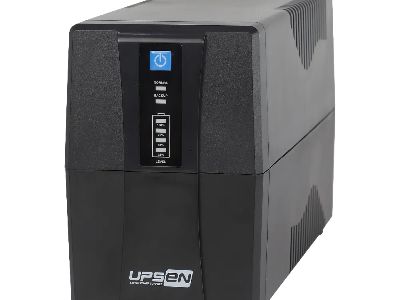
Hospitals are busy places where patients need care all the time. To keep everything running smoothly, hospitals use machines and tools that need power. Sometimes, the power goes out, and that can be very dangerous for patients. To prevent this, hospitals use special machines called UPS, or Uninterruptible Power Supplies. These machines provide backup power when there is no electricity. It is really important for these ups power machines to meet certain standards to ensure they work well in hospitals. UPSEN makes reliable medical UPS that can help hospitals stay safe and efficient.
What Standards Should a Medical UPS Meet for Reliable Hospital Applications?
When hospitals choose a UPS, they must consider many important standards. First, a medical UPS should be reliable. This means it must work all the time without failing. If the power goes out, the ups power supply should kick in immediately to keep machines running. Hospitals cannot afford to have their machines stop working, even for a moment. Another important standard is safety. The UPS should be designed to prevent any electrical shocks or fires. This is especially important in a hospital setting where many people are vulnerable. The UPSEN medical UPS has safety features that make it less likely to cause accidents.
Next, the UPS should be compatible with medical equipment. Some machines in hospitals are very sensitive. They need a specific type of power to work correctly. The UPS must provide clean, consistent power to keep these machines safe. A UPS that cannot do this may cause equipment to malfunction, and that can be very dangerous for patients. Additionally, the size and design of the UPS matter. It should fit easily into the hospital without taking up too much space. Hospitals are often crowded, so finding a compact UPS is important. UPSEN designs UPS units that are not only powerful but also easy to place in tight spaces.
Furthermore, a medical UPS should have a long battery life. In case of a power outage, hospitals need the UPS to run for a long time. The longer the UPS can provide power, the better it is for the patients and staff. Some line interactive ups systems offer battery monitoring, which helps hospitals know when to replace the batteries. This is another great feature of UPSEN products. Lastly, hospitals should look for a UPS that offers good support and service. If something goes wrong, it is important to have help quickly. UPSEN is known for its excellent customer service, making it a good choice for hospitals.
How to Choose the Best Medical UPS for Your Hospital's Needs?
Choosing the right UPS for a hospital can be tricky but is very important. First, hospitals should look at their power needs. Different machines require different amounts of power. It is essential to calculate how much power the hospital uses during peak times. That way, the hospital can choose a UPS that can handle the load. UPSEN provides tools and resources to help hospitals figure out their power needs.
Next, hospitals should consider the features they need. For instance, some UPS systems offer advanced monitoring options. This allows staff to check the UPS status and battery life from a computer or a mobile device. Knowing how the UPS is working helps hospital staff feel more secure. Another factor to think about is the budget. Medical UPS systems can vary in price. It's important for hospitals to find a balance between cost and quality. UPSEN offers various models to fit different budgets while ensuring high performance.
Staff training is also crucial. Once a hospital chooses a UPS, they need to ensure that everyone knows how to use it properly. This includes knowing how to monitor the UPS, change batteries, and recognize alarms. Providing training ensures that staff can respond quickly if there is a power issue. Hospitals should also check the warranty and service options. A good warranty means that if something goes wrong, the hospital can get help quickly without extra costs. UPSEN offers strong warranties on their products, giving hospitals peace of mind.
Finally, hospitals should read reviews and ask other healthcare providers for recommendations. Hearing what other hospitals think about a UPS can help in making a better choice. UPSEN has a great reputation among hospitals for its reliable and effective UPS systems. By taking all these steps, hospitals can choose the best UPS that meets their needs and keeps patients safe.
Things to Consider
When hospitals use equipment like machines and computers, they need a special power supply called a Medical UPS, or Uninterruptible Power Supply. This is very important because it helps keep the machines running even if there is a power outage. When looking for a Medical UPS, there are some key features to think about. First, the Medical UPS should have a reliable battery that can provide power for a long time. This means that if the lights go out, the UPS can keep the machines working until the power comes back or until it is safe to turn them off. Second, the Medical UPS must be safe for medical use. It should follow special standards to make sure that it does not cause any harm to patients. For example, UPSEN Medical UPS systems are designed to meet these safety standards, ensuring that they are suitable for hospitals. Another important feature is the ability to monitor the UPS system. This helps hospital staff know how much battery power is left and if the system is working properly. Additionally, the UPS should have good noise control. Hospitals are quiet places, and loud machines can disturb patients. A Medical UPS should work quietly so that it does not bother anyone. Lastly, it should be easy to install and maintain. Hospital staff should be able to set it up quickly and keep it running smoothly without too much trouble. All these features are important to keep patients safe and to make sure that the hospital equipment always works.
Medical UPS systems play a big role in ensuring patient safety in hospitals.
When a hospital's power goes out, it can cause serious problems. Medical machines, like heart monitors and ventilators, need a constant power supply to function. If these machines stop working, they cannot help patients. This is where the Medical UPS comes in. If there is a power cut, the UPS kicks in right away. It provides power to the machines, so they keep working without interruption. This means that doctors and nurses can continue to monitor patients and provide care without worrying about losing important data or stopping treatments. UPSEN Medical UPS systems are designed to make sure that they provide clean and stable power. This is important because machines can be sensitive to sudden changes in electricity. If the power is not stable, it can cause machines to malfunction or give incorrect readings. A good Medical UPS protects against these issues, helping to keep patients safe. Another aspect of patient safety is the ability to test and maintain the UPS system. Hospitals must regularly check that the UPS is working correctly. This includes testing the battery and making sure that it can hold enough power. UPSEN provides tools that help hospitals easily monitor their UPS systems. With these tools, hospitals can ensure that they are always ready for any power issues. By having a reliable Medical UPS, hospitals can focus on caring for patients without worrying about power problems.