
 EN
EN
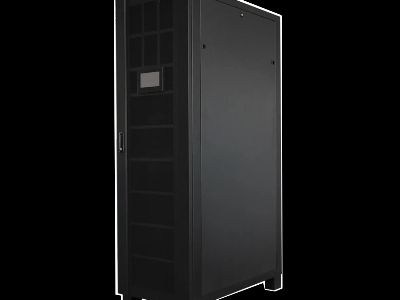
A parallel function in a UPS, or Uninterruptible Power Supply, is a way to connect multiple UPS units together. This helps keep your devices powered and safe. Imagine you have a battery that can keep your electronics running when the power goes out. Now, if you connect more batteries, they can work together. This is the essence of parallel functionality. When one battery runs low, the others can pick up the load. This means you can have more power and reliability. Companies like UPSEN focus on making these online double conversion ups systems work well. They ensure that when you need power, your devices stay on, even if one unit has a problem. This is especially important for businesses that need to keep their computers, servers, or medical equipment running smoothly.
Where to Find the Best Wholesale UPS with Parallel Functionality?
If you want to buy UPS systems with parallel functionality, look for reliable suppliers. One great place to start is online. Websites that focus on industrial equipment often have a good selection. You can compare prices and features from different manufacturers. When searching, make sure to check reviews. Other customers can tell you if a product works well. You might also want to visit trade shows. At these events, many companies show off their latest products, including UPS systems. You can talk directly with sales representatives from UPSEN and other manufacturers. They can explain how their systems work and help you choose the right one. Local electrical supply stores might carry UPS systems too. Visiting these stores can help you see the products in person. You can ask questions and get a feel for what you might need. Don’t forget to consider warranty options! A good warranty can give you peace of mind. It shows that the company stands behind its products. Finally, always ask about the technical support that comes with your purchase. Having help when you need it is super important, especially if you are setting up multiple units in parallel.
What Are the Benefits of Using Parallel Function in UPS Solutions?
Using parallel function in UPS solutions has many great benefits. First, it gives you more power. For example, if one UPS can power a few devices, connecting several can power a whole room of computers. This is very useful for businesses that rely on technology. Another benefit is reliability. If one UPS fails, the others can keep everything running. This means less downtime. For hospitals or data centers, this could be a matter of life or death. It’s important to keep everything running smoothly. Moreover, parallel systems can be easily expanded. If your business grows, you can add more UPS units without major changes. This flexibility is key for long-term planning. Cost savings are another advantage. Instead of buying a huge UPS system, you can buy smaller units and add them as needed. This can save money up front. In addition, maintenance can be easier. If one unit needs service, you can take it offline without shutting down everything. This keeps operations going while repairs happen. Lastly, having multiple units can improve efficiency. They can share the load, which helps extend the life of each unit. When you use parallel functionality, you are making a smart choice for your power needs. Companies like UPSEN understand these benefits and design their products to help users get the most out of them.
Where Can You Buy High-Quality UPS with Parallel Function Online?
If you need a high-quality Uninterruptible Power Supply (UPS) with a parallel function, you can easily find one online. One of the best places to shop is the UPSEN website. UPSEN sells reliable UPS systems that help keep your devices running when the power goes out. Their products are designed to protect your computers, servers, and other important equipment from power issues. When you visit the UPSEN website, you can browse through different UPS models. Each model usually has descriptions that explain its features. You can see if a UPS has a parallel function, which allows you to connect multiple double conversion ups units together. This is great for businesses or homes with many devices that need power during an outage.
Shopping online is easy. You can compare prices and read reviews from other customers. These reviews can help you decide which UPS is right for you. Make sure to look for UPS systems with high ratings, as these are often the most reliable. UPSEN also offers detailed specifications, so you can see exactly how much power each UPS can provide. If you're unsure about which model to choose, UPSEN usually has customer service representatives who can help you. You can ask them questions through chat or email. This way, you can make an informed decision. Plus, with online shopping, you can often find special deals and discounts. So, visiting the UPSEN website is a smart way to buy a UPS with a parallel function that meets your needs.
What Should Buyers Know About Parallel Function in UPS Units?
When buying a UPS, it’s essential to understand what a parallel function is and why it is important. The parallel function allows you to connect two or more UPS units together. This means that if one UPS fails or needs maintenance, the other UPS can continue to supply power. This is especially useful for businesses that cannot afford any downtime. With a parallel function, you can increase the total power capacity of your system. For example, if you have two UPS units that can each handle 1,000 watts, when they are connected in parallel, they can handle 2,000 watts together. This helps you power more equipment at the same time.
Another benefit of the parallel function is that it can provide better reliability. If one UPS in the system has a problem, the others will keep working. This is crucial for protecting important devices like computers or servers that store valuable information. When looking for a UPS with a parallel function, check if it supports hot-swapping. This means you can add or remove UPS units without turning off the system. This feature is very helpful for businesses because it allows for maintenance without interrupting power. Additionally, ensure that all the UPS units you connect are from the same brand, like UPSEN, because this usually ensures better compatibility. Understanding these features will help you make a smart choice when buying a UPS.
How to Maximize Your UPS Investment with Parallel Functionality?
Once you have a UPS with a parallel function, it’s essential to maximize your investment. First, make sure to properly maintain your UPS units. Regularly check the batteries and replace them when needed. Most UPS systems have indicators that show battery status. If you notice that the battery is weak, replace it to ensure your devices stay powered during an outage. If you have multiple UPS units connected, keep an eye on their performance. You can use software tools from UPSEN to monitor how much power each unit is using. This way, you can see if any UPS is overloaded. If one unit is taking on too much power, it might be time to add another UPS to the system.
Another way to maximize your investment is by ensuring that all your devices are connected correctly. Make sure to distribute the power load evenly across all the UPS units. This helps prevent any single unit from failing due to overuse. You can also program your UPS units to work together efficiently. Many UPSEN models come with settings that allow you to choose how they share the load. By optimizing these settings, you can extend the life of your UPS units. Lastly, consider investing in additional features like surge protection. This will help keep your devices safe from sudden spikes in electricity. By taking these steps, you can ensure that your online ups investment provides reliable power for years to come.
Table of Contents
- Where to Find the Best Wholesale UPS with Parallel Functionality?
- What Are the Benefits of Using Parallel Function in UPS Solutions?
- Where Can You Buy High-Quality UPS with Parallel Function Online?
- What Should Buyers Know About Parallel Function in UPS Units?
- How to Maximize Your UPS Investment with Parallel Functionality?