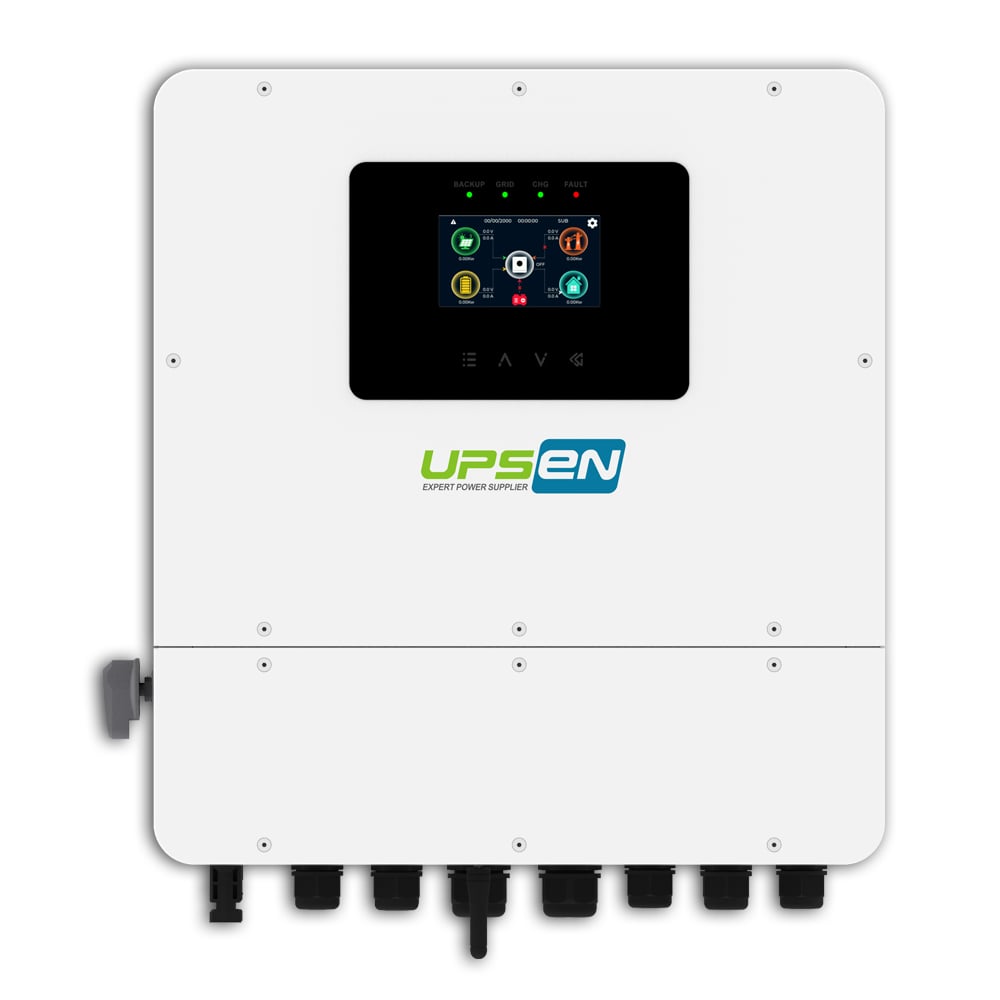
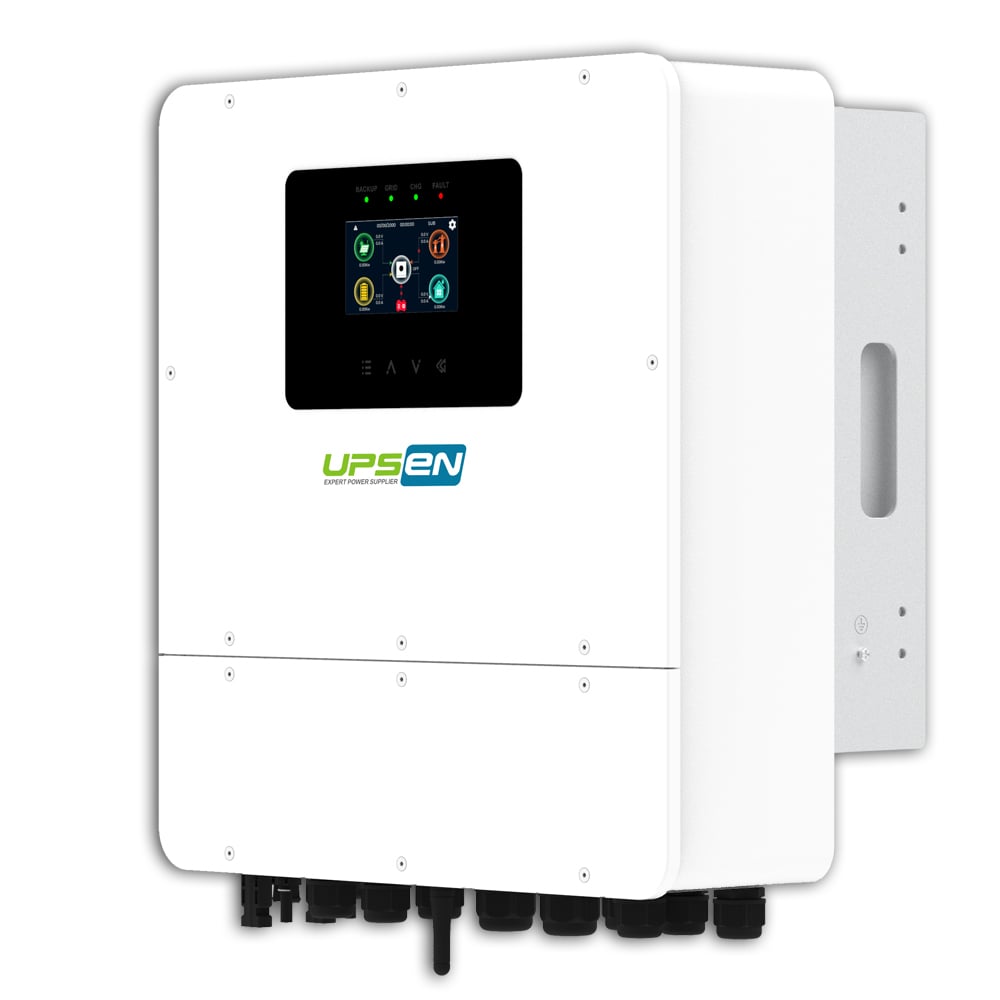
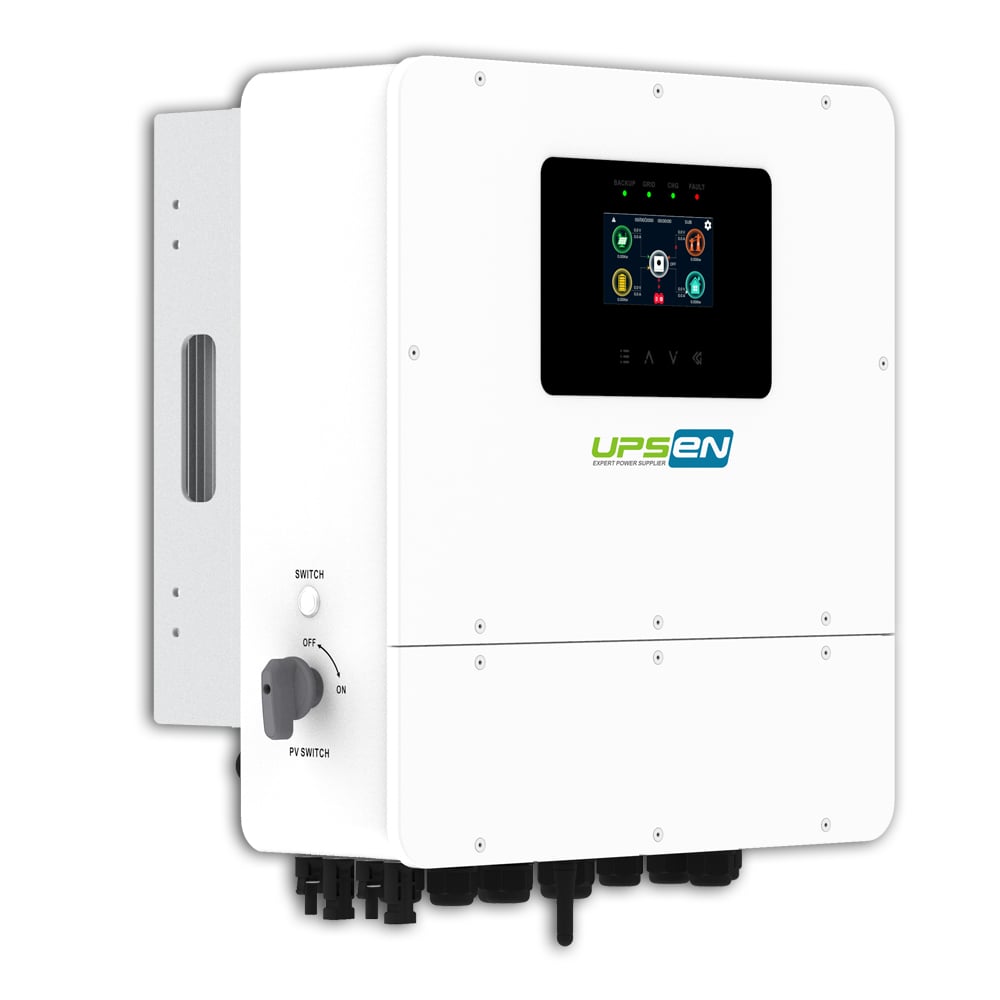
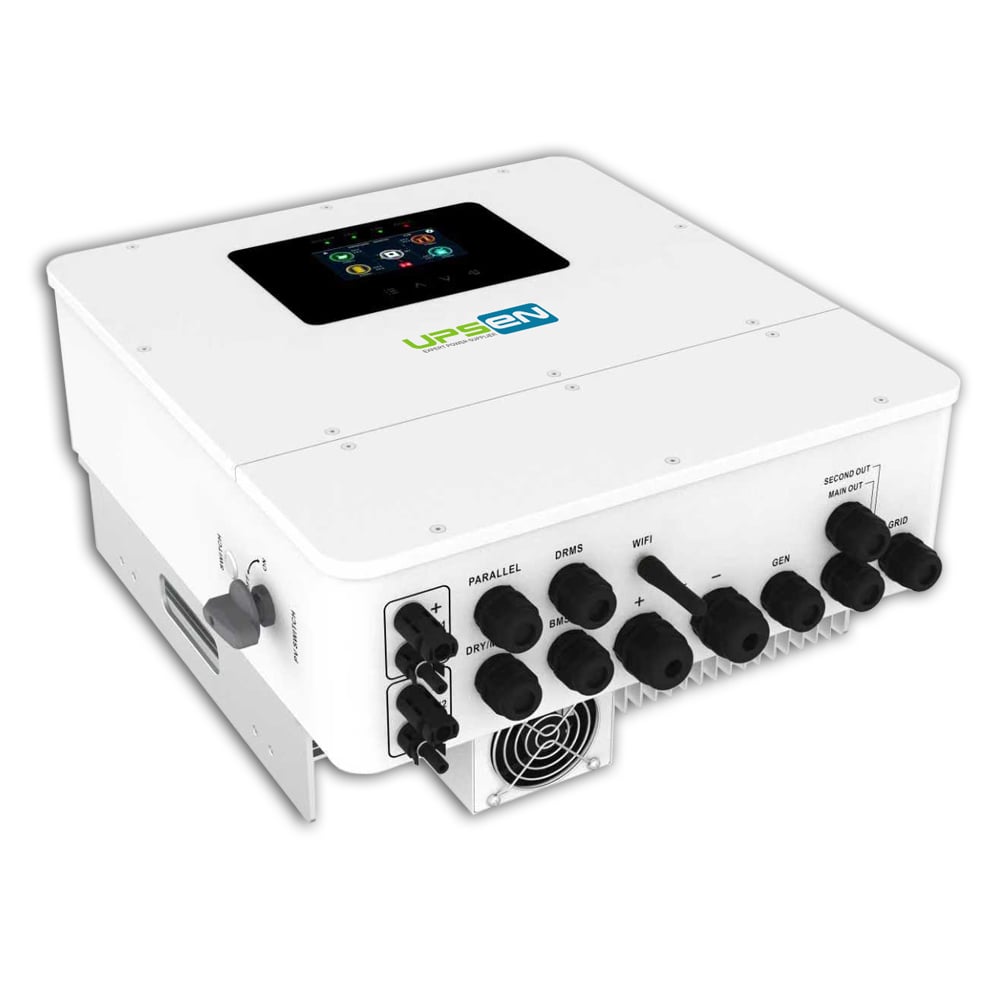
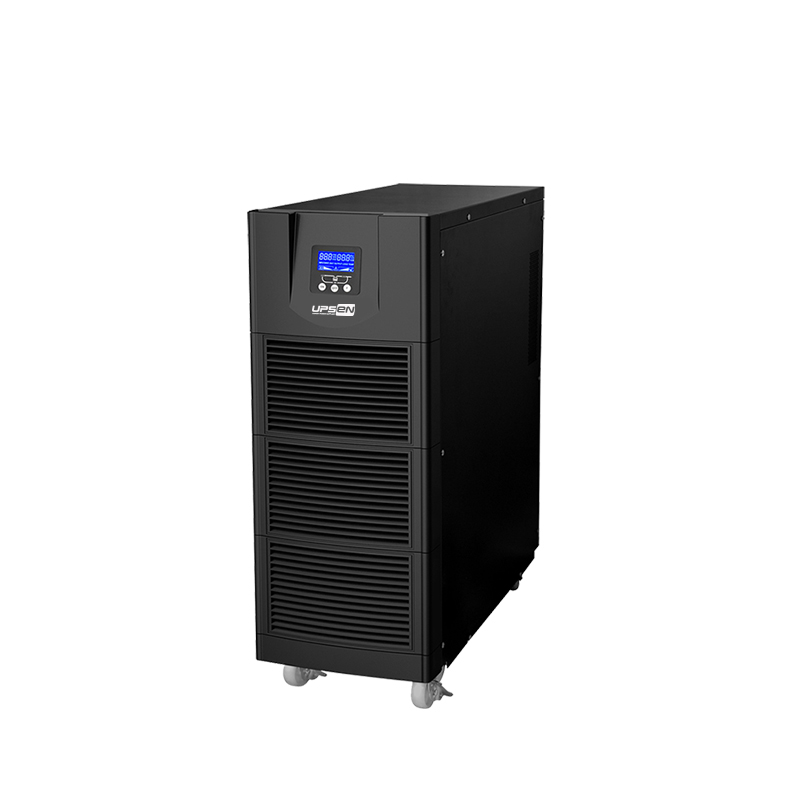
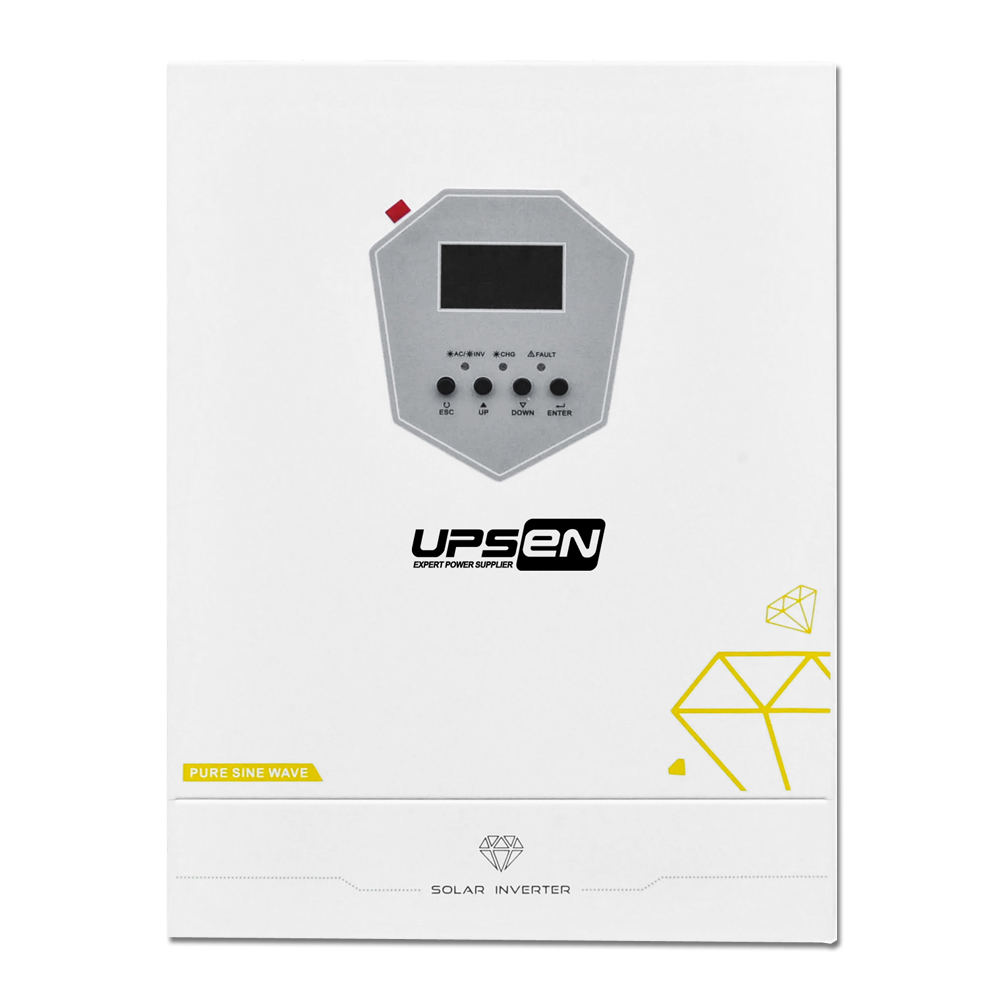
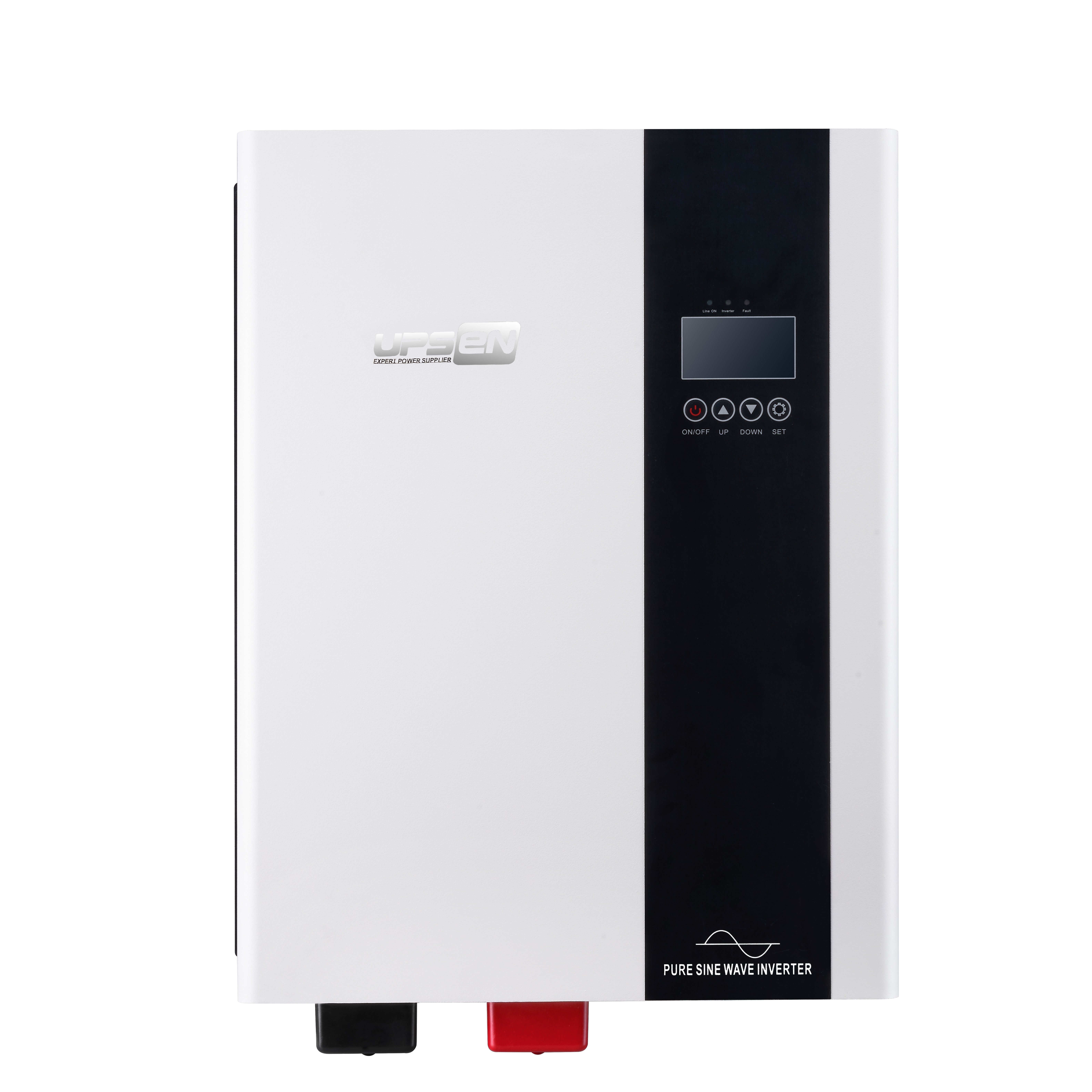
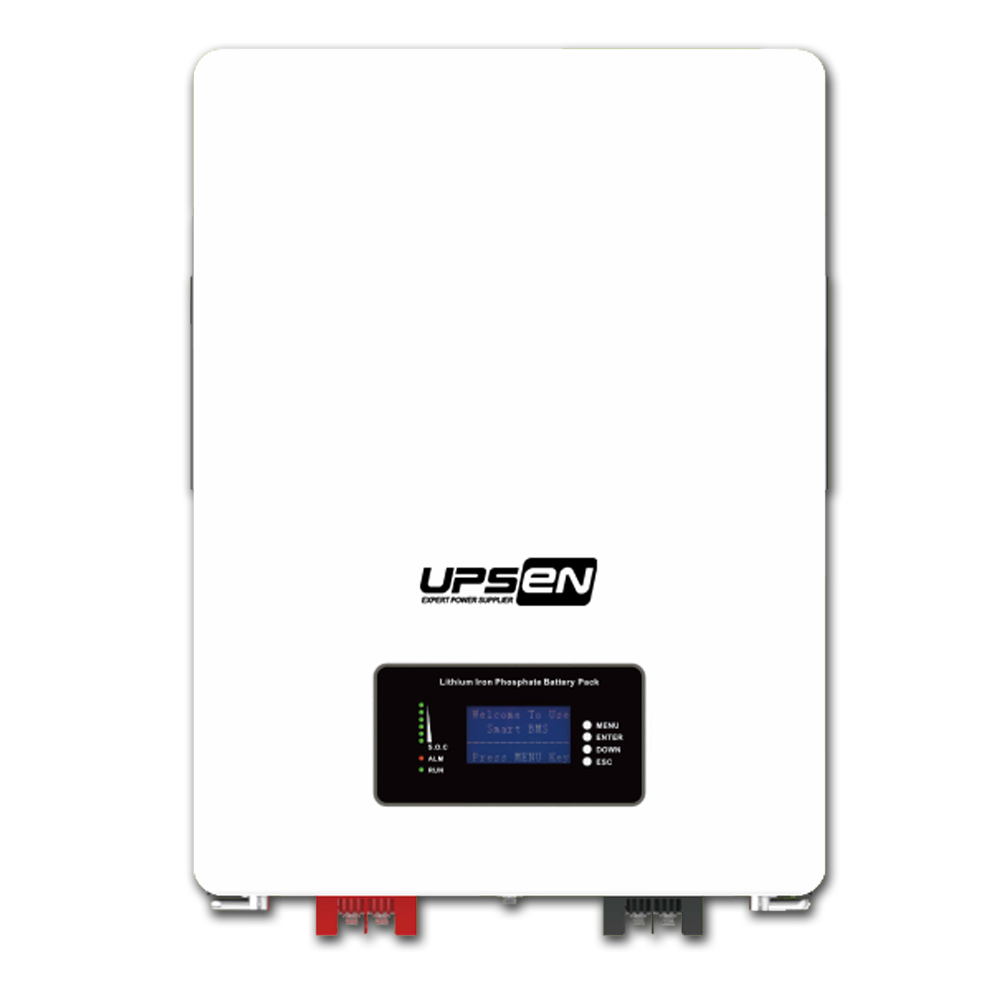
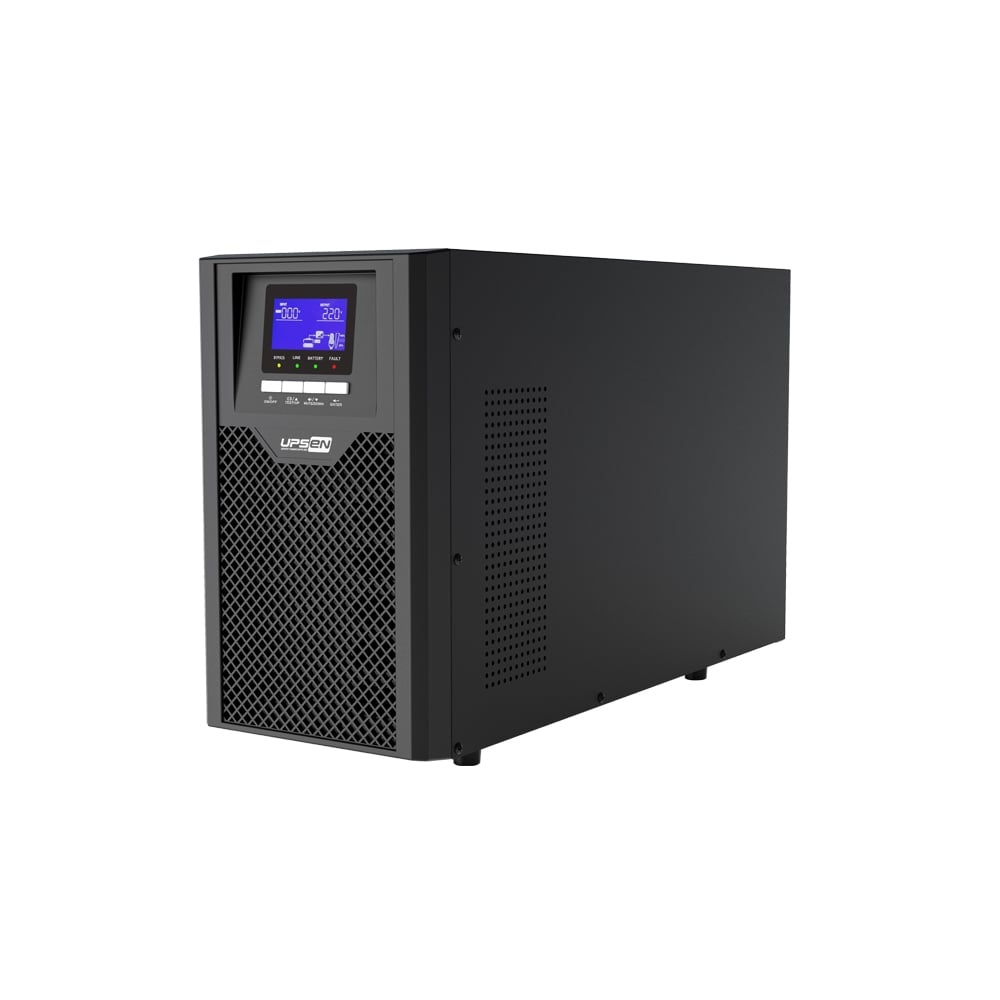
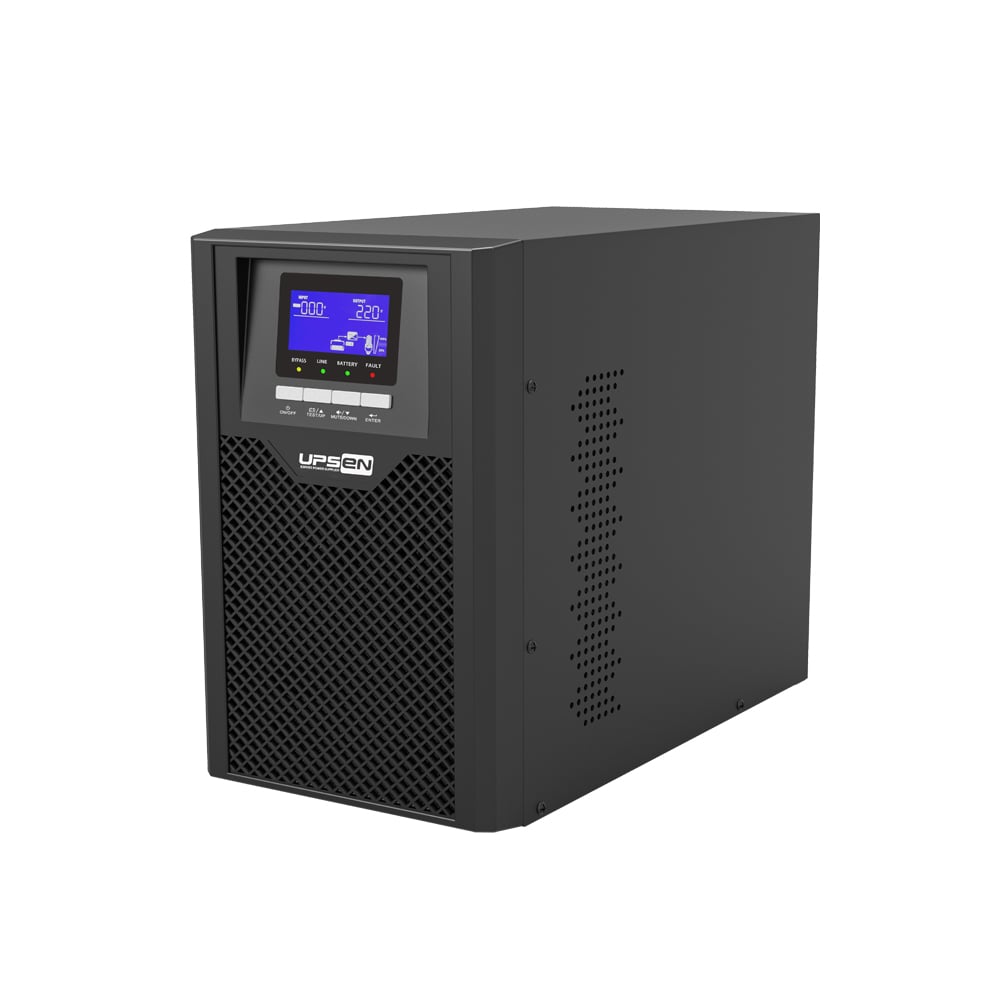
·Střídač čisté sinusové vlny.
·Stupeň ochrany: IP65.
·Nastavitelný rozsah vstupního napětí pro domácí spotřebiče a osobní počítače prostřednictvím nastavení na LCD displeji.
·Nastavitelný nabíjecí proud baterie podle aplikací prostřednictvím nastavení na LCD.
·Nastavitelná priorita střídavého napájení / solárního nabíječe prostřednictvím nastavení na LCD.
·Kompatibilní se síťovým napětím nebo napájením z generátoru.
·Automatické restartování při obnově střídavého napájení.
·Ochrana proti přetížení / přehřátí / zkratu.
·Chytrý návrh nabíječe baterií pro optimalizovaný výkon baterie.
·Funkce studeného startu.
·Umožňuje současné použití méně než šesti zařízení.
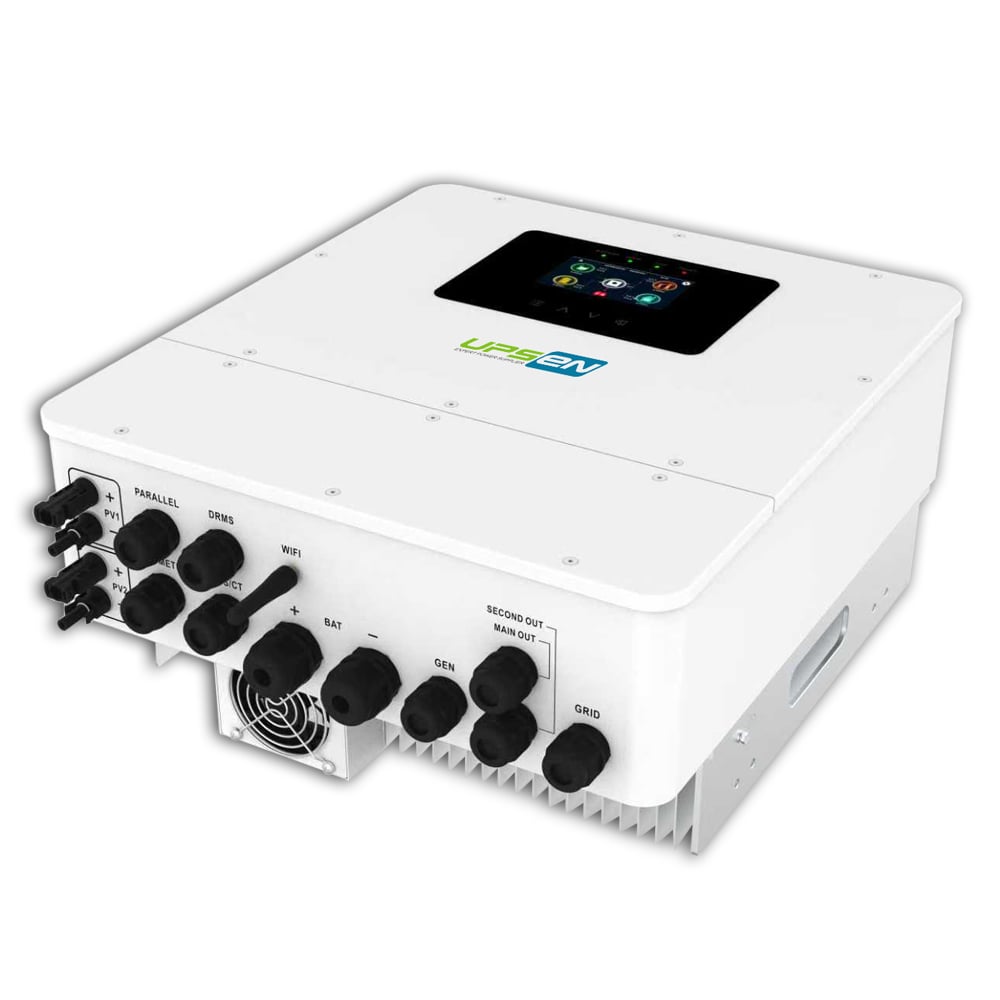
·Integrované WIFI pro mobilní sledování (vyžaduje se aplikace), umožňuje připojení a komunikaci s lithiovou baterií.
·Lze nastavit povolenou dobu nabíjení a vybíjení.
| Model | RS-MGA 6 kW | RS-MGA 8 kW | RS-MGA 10 kW | RS-MGA 12 kW |
|---|---|---|---|---|
| Fáze | 1-fázový vstup / 1-fázový výstup | |||
| Maximální vstupní výkon PV | 9000W | 13 500 W | 16 200 W | 16 200 W |
| Nominální výstupní výkon | 6000W | 8000W | 10000W | 12000W |
| Maximální nabíjecí výkon | 6000W | 8000W | 10000W | 12000W |
| OPERACE SPOJENÁ S MĚSTSKOU SÍŤÍ | ||||
| VSTUP PV (DC) | ||||
| Maximální DC napětí | 520 V DC | |||
| Napětí pro spuštění / počáteční napájecí napětí | 90 VDC / 120 VDC | |||
| Rozsah napětí MPPT | 50–450 VDC | |||
| Počet MPPT sledovačů / maximální vstupní proud | 2 / 18 A | 2 / 18 A + 36 A | 2 / 18 A + 36 A | 2 / 18 A + 36 A |
| VÝSTUP DO SÍTĚ (AC) | ||||
| Jmenovité výstupní napětí | 220 / 230 / 240 VAC | |||
| Rozsah výstupního napětí | 184–264,5 VAC nebo 195,5–253 VAC nebo 184–264,4 VAC (volitelné) | |||
| Nominální výstupní proud | 26,1A | 34.8A | 43.5A | 52,2 A |
| Účinník | >0.99 | |||
| Efektivita | ||||
| Maximální účinnost převodu (DC/AC) | 97% | |||
| OPERACE MIMO SÍŤ | ||||
| AC Vstup | ||||
| Spínací napětí střídavého proudu / napětí automatického restartu | 120–140 VAC / 180 VAC | |||
| Přijatelný rozsah vstupního napětí | 90–280 VAC | |||
| Frekvenční rozsah | 50 Hz / 60 Hz (automatické rozpoznávání) | |||
| Maximální proud vstupu AC | 40A | 50A | 60A | 70A |
| VSTUP PV (DC) | ||||
| Maximální DC napětí | 520 V DC | |||
| Rozsah napětí MPPT | 50 VDC – 450 VDC | |||
| Počet MPPT sledovačů / maximální vstupní proud | 2 / 18 A | 2 / 18 A + 36 A | 2 / 18 A + 36 A | 2 / 18 A + 36 A |
| VÝSTUP V BATÉRIOVÉM REŽIMU (AC) | ||||
| Jmenovité výstupní napětí | 220 / 230 / 240 VAC | |||
| Výstupní waveform | Čistá sinusová vlna | |||
| Účinnost (DC na AC) | 93% | |||
| HYBRIDOVÁ OPERACE | ||||
| VSTUP PV (DC) | ||||
| Maximální DC napětí | 520 V DC | |||
| Napětí pro spuštění / počáteční napájecí napětí | 90 VDC / 120 VDC | |||
| Rozsah napětí MPPT | 50–450 VDC | |||
| Počet MPPT sledovačů/Maximální vstupní proud | 2 / 18 A | 2 / 18 A + 36 A | 2 / 18 A + 36 A | 2 / 18 A + 36 A |
| VÝSTUP DO SÍTĚ (AC) | ||||
| Jmenovité výstupní napětí | 220 / 230 / 240 VAC | |||
| Rozsah výstupního napětí | 184–264,5 VAC nebo 195,5–253 VAC nebo 184–264,4 VAC (volitelné) | |||
| Nominální výstupní proud | 26,1A | 34.8A | 43.5A | 52,2 A |
| AC Vstup | ||||
| Spouštěcí napětí AC/Automatické restartování napětí | 120–140 VAC / 180 VAC | |||
| Přijatelný rozsah vstupního napětí | 90–280 VAC nebo 170–280 VAC | |||
| Maximální proud vstupu AC | 40A | 50A | 60A | 70A |
| VÝSTUP V BATÉRIOVÉM REŽIMU (AC) | ||||
| Jmenovité výstupní napětí | 220 / 230 / 240 VAC | |||
| Účinnost (DC na AC) | 93% | |||
| Nominální DC napětí | 48Vdc | |||
| Maximální solární nábojový proud | 135A | 190A | 220A | 250A |
| Maximální AC nabíjecí proud | 135A | 190A | 220A | 250A |
| Maximální nabíjecí proud | 135A | 190A | 220A | 250A |
| OBECNÉ FYZIKÁLNÍ PARAMETRY | ||||
| Rozměry, H × Š × V (mm) | 521*470*236 | 600*483*260 | ||
| Čistá hmotnost (kg) | 30 | 38 | 42 | 45 |
| Rozhraní | ||||
| Paralelní funkce | Ano, 9 jednotek | |||
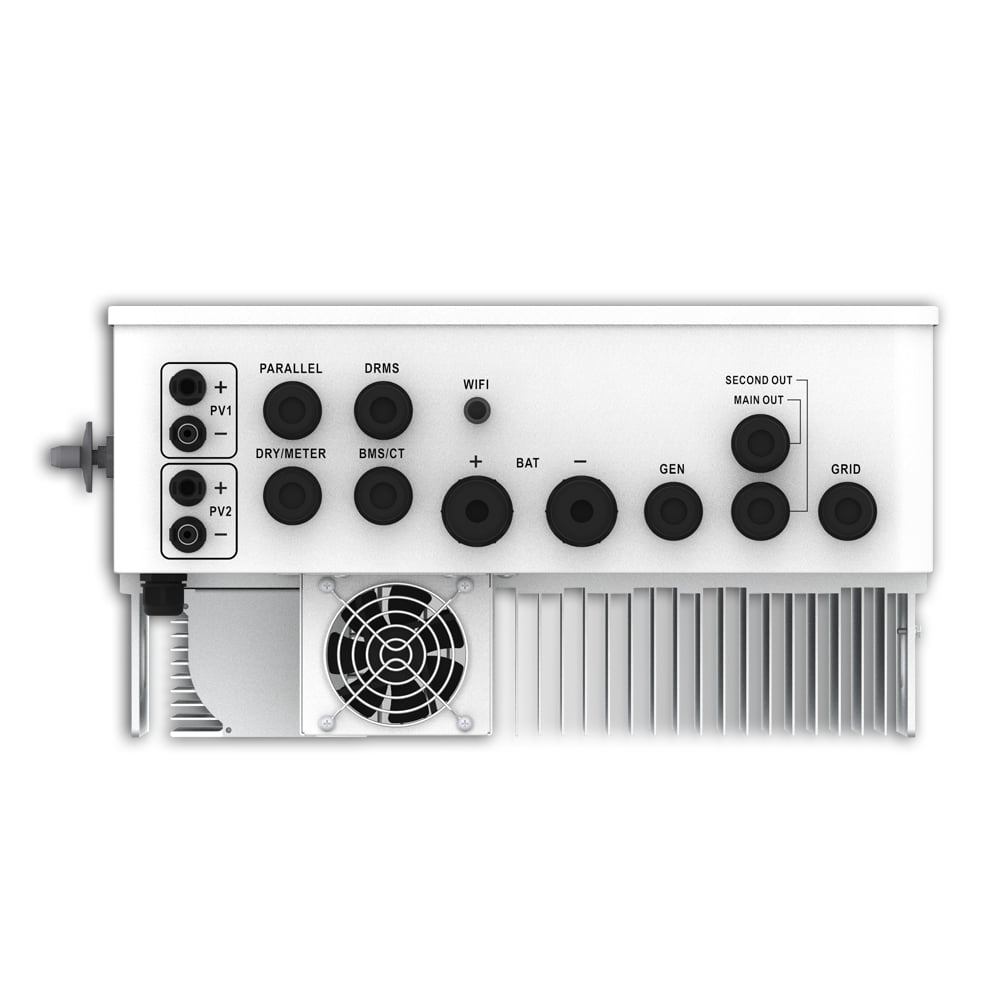
| Komunikační port | RS232 / RS485 / CAN / WIFI / suchý kontakt | |||
| Prostředí | ||||
| Vlhkost | 5 % až 95 % Vlhkost vzduchu (Nekondenzující) | |||
| IP stupeň | IP65 | |||
| Provozní teplota | -10°C ~ 50°C | |||
| Skladovací teplota | -15 ℃ ~ 60 ℃ | |||
| *Technické údaje produktu mohou být změněny bez předchozího upozornění. | ||||
Navrženo pro venkovní použití, optimalizováno pro vaši peněženku
Většina hybridních invertorů je citlivá zařízení. Vyžadují čisté a suché prostředí, například garáž, stěnu, která nikdy nezachytí déšť, a okolní teplotu, která se příliš neodchyluje od 25 °C. To je v pořádku, pokud máte vyhrazenou technickou místnost. Pokud však vaše elektrická zařízení musí být umístěna na vnější stěně, ve prašné stodole nebo pod přístřeškem v tropech, standardní vnitřní inverter nespraví dlouhou dobu. RS MGA je navržen jinak. Má ochrannou třídu IP65, což znamená, že je úplně prachotěsný a odolný vůči přímým proudům vody. Můžete jej namontovat venku, v autostání nebo vedle nádrže pro dobytek, kde vítr zvedá prach. Je navržen tak, aby odolal počasí a nadále fungoval.
Čistá sinusová vlna, od jednoho až po šest jednotek zapojených paralelně
V jádru je MGA hybridní invertor s čistou sinusovou vlnou o výkonu 6 kW až 12 kW, který dodává čistý střídavý proud pro chod vaší ledničky, elektrických nářadí a elektroniky bez rušivého hučení a přehřívání způsobeného upravenou vlnovou formou. A pokud 12 kW nestačí – například při vybavování velkého off-grid domu, malé komerční budovy nebo dílny se silnými jednofázovými zátěžemi – můžete paralelně zapojit až šest jednotek. Tím se celkový výkon zvýší na 72 kW bez nutnosti změny platformy. Žádný centrální řídicí systém, žádná speciální synchronizační krabice. Invertory mezi sebou samy řídí rozdělování zátěže. U systému, který se v průběhu času může rozšiřovat, tato škálovatelnost znamená, že si dnes zakoupíte pouze to, co potřebujete, a další jednotky připojíte později, jakmile to dovolí váš rozpočet.
Komunikace s lithiovým BMS a vestavěné WiFi
MGA komunikuje přímo se systémy pro správu lithiových baterií. Stačí zapojit komunikační kabel a střídač přečte napětí jednotlivých článků, stav nabití a teplotu přímo ze systému BMS. Nastaví nabíjení odpovídajícím způsobem – bez odhadů, bez samostatného monitoru baterie. Získáte přesné odhady zbývající doby provozu a správné ukončení nabíjení, což prodlužuje životnost baterie.
WiFi je integrováno přímo ve výrobku, nikoli jako volitelný adaptér, který je třeba objednat zvlášť. Připojte střídač k vaší domácí síti a mobilní aplikace vám poskytne data v reálném čase: výrobu ze slunečních panelů, spotřebu zátěže, stav baterie a stav elektrické sítě. Pokud spravujete chatu pro víkendové pobytování nebo vzdálené zařízení, tato přehlednost znamená, že budete vědět, že systém je v pořádku, aniž byste museli vyjet na kontrolu.
Programování podle tarifních pásem: Nabíjejte levně, využívejte zdarma
Zde se MGA opravdu projevuje svou chytrou konstrukcí. Většina střídačů umožňuje nastavit prioritu nabíjení – nejprve sluneční energie, poté síť. MGA jde ještě dále. Můžete naprogramovat konkrétní časové okna pro nabíjení i vybíjení. Nastavte ji tak, aby baterii nabíjela ze sítě pouze v období tzv. špičkového tarifu, kdy je elektřina nejlevnější – například mezi půlnocí a 6:00 ráno. Poté ji nastavte tak, aby baterie vybíjela a zásobovala vaše spotřebiče v období špičkového tarifu, kdy jsou tarify dodavatele elektřiny nejvyšší. Střídač tento plán spouští automaticky každý den. Přesouváte tak svou energetickou spotřebu do nejlevnějších časových úseků bez jakéhokoli zásahu. Pro domácnost s časově diferencovaným tarifem nebo malé podniky s vysokou denní zátěží může tato jediná funkce výrazně zkrátit dobou návratnosti celého systému. Nepotřebujete žádný externí správce energie, který by se musel zapojovat – je integrován přímo do firmwaru střídače.
Nastavitelné priority prostřednictvím LCD
Všechna důležitá nastavení jsou přístupná prostřednictvím LCD displeje na čelním panelu. Můžete upravit rozsah vstupního napětí střídavého proudu tak, aby odpovídal generátoru nebo slabé síti. Můžete nastavit proud nabíjení baterie podle velikosti vaší bateriové banky – vysoký pro velký lithiový akumulátor, nízký pro menší olověnou baterii. Můžete definovat prioritní pořadí mezi nabíjením ze sítě a solárním nabíjením, aby vaše fotovoltaická pole měla vždy přednost, když svítí slunce. Invertor vás nepoutá do rigidního provozního režimu. Vy sami rozhodnete, zda bude pracovat v režimu „slunce jako první“, „baterie jako první“ nebo „síť jako první“, a můžete to změnit podle toho, jak se vaše potřeby mění.
Kompatibilní s generátorem, s automatickým restartem a studeným startem
Široké vstupní rozmezí střídavého proudu znamená, že zařízení MGA přijímá napájení z generátoru bez chybového stavu. Nepodporuje odmítnutí generátorové sítě jen proto, že se frekvence mírně odchyluje nebo napětí klesá pod zátěží. Zařízení vyčistí vstupní napájení a buď ho předá dále do zátěže, nebo jej použije k nabíjení baterie. Po obnovení napájení ze sítě nebo z generátoru po výpadku se střídač automaticky restartuje – není třeba stisknout žádné tlačítko ručně. A pokud je vše mrtvé – žádná síť, žádná solární energie, žádný generátor – můžete střídač spustit z baterie samostatně (tzv. cold start), čímž obnovíte provoz vašich zásadních obvodů.
Ochrany a péče o baterii
Přetížení, přehřátí, zkrat – všechny standardní ochrany jsou přítomny. Chytrý nabíječ baterií používá vícestupňový profil nabíjení, který se přizpůsobuje typu a stavu baterie a zabrání chronickému přebíjení, které baterie předčasně poškozuje. U lithiové bateriové banky koordinuje nabíjení s řídicím systémem baterie (BMS), aby zajistil vyváženost článků a přesné ukončení nabíjení v okamžiku dosažení plné kapacity.
Kde se střídač RS MGA používá
MGA je speciálně navržen pro situace, kdy je prostředí náročné a skutečně nutné chytré řízení energie:
`Samostatné domy a chaty mimo elektrickou síť v vlhkém, prachovém nebo deštivém podnebí, kde je omezený vnitřní prostor
`Farma a zemědělské budovy, kde musí střídač fungovat v chlévě nebo v dílně na vybavení
`Malé komerční objekty, které chtějí přesunout zátěž do období s nižšími sazbami za elektřinu
`Vzdálené dílny a telekomunikační budky, které potřebují odolné přeměňovače energie odolné vůči počasí
`Jakákoli instalace, kde montáž střídače venku uvolní cenný vnitřní prostor
Pokud jste se snažili přizpůsobit střídač určený pro vnitřní použití provozu venku nebo pokud jste ke splnění řízení podle tarifních pásem přidali samostatný časovač a stykač, řada RS MGA zjednodušuje oba tyto problémy do jediného zařízení. Je odolná vůči počasí. Je připravena pro paralelní provoz. A ví, kdy je elektřina levnější.

čísla 1409–1410, centrum Tongfang, křižovatka ulic Zhongxin a Haoxiang, městská část Xinqiao, okres Bao'an, Šenčen, Čína.
Všechna práva vyhrazena © Shenzhen UPSEN Electronic CO., LTD. Zásady ochrany soukromí
 EN
EN