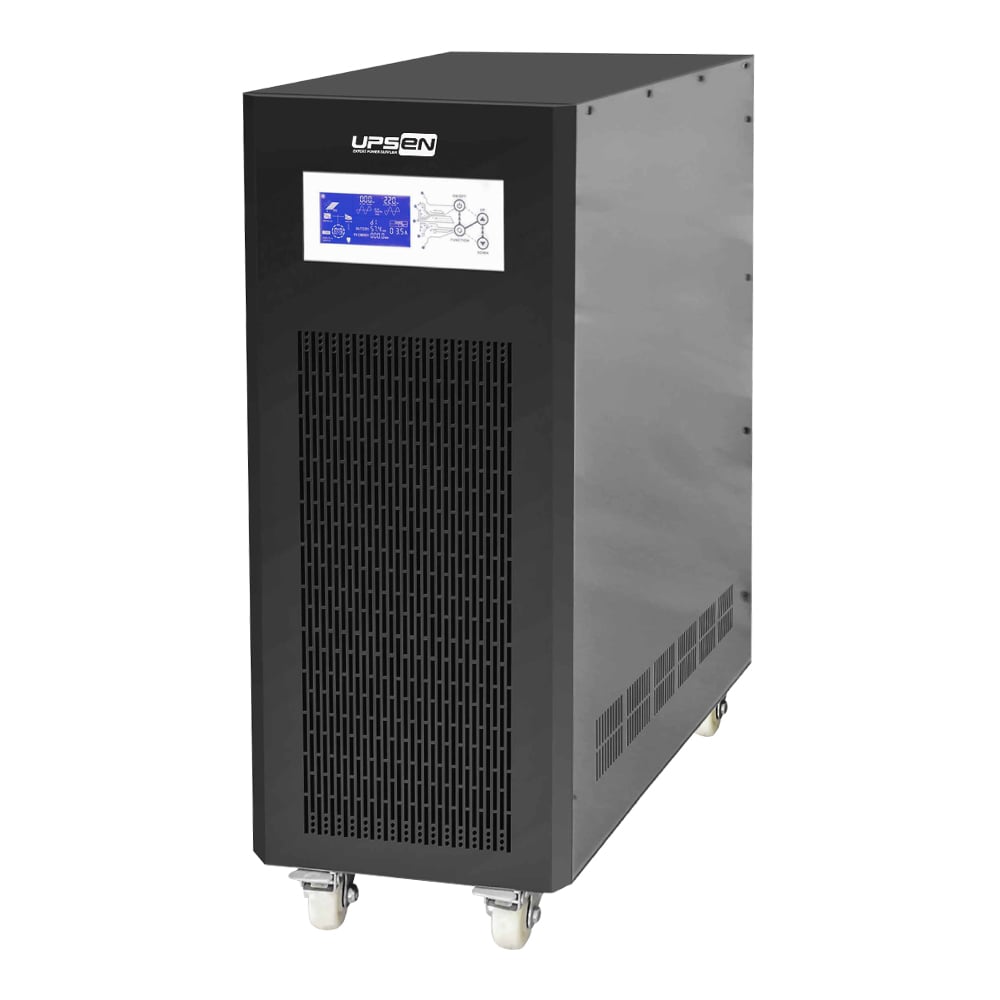
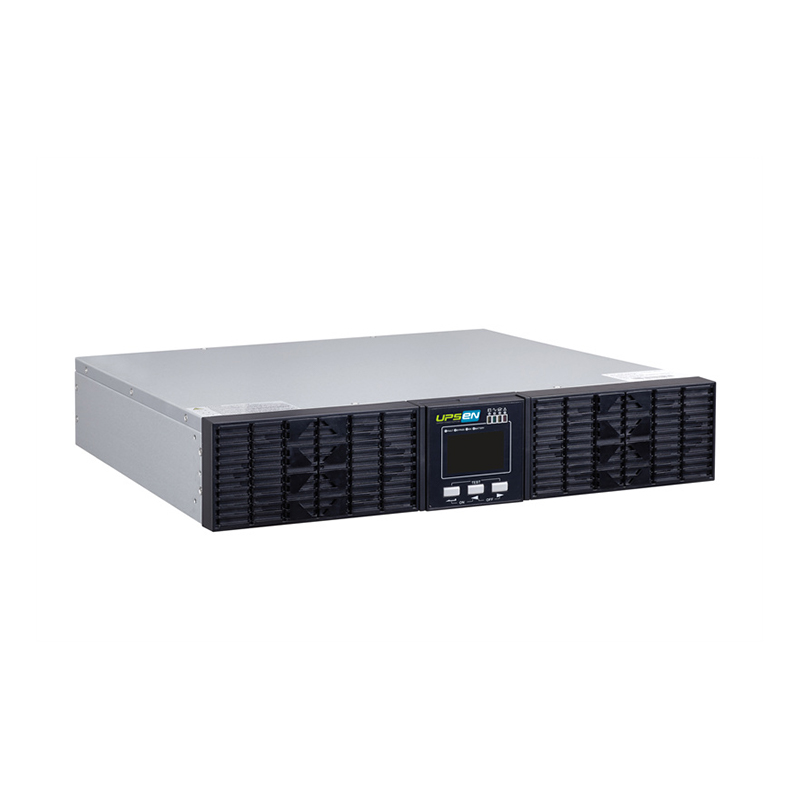
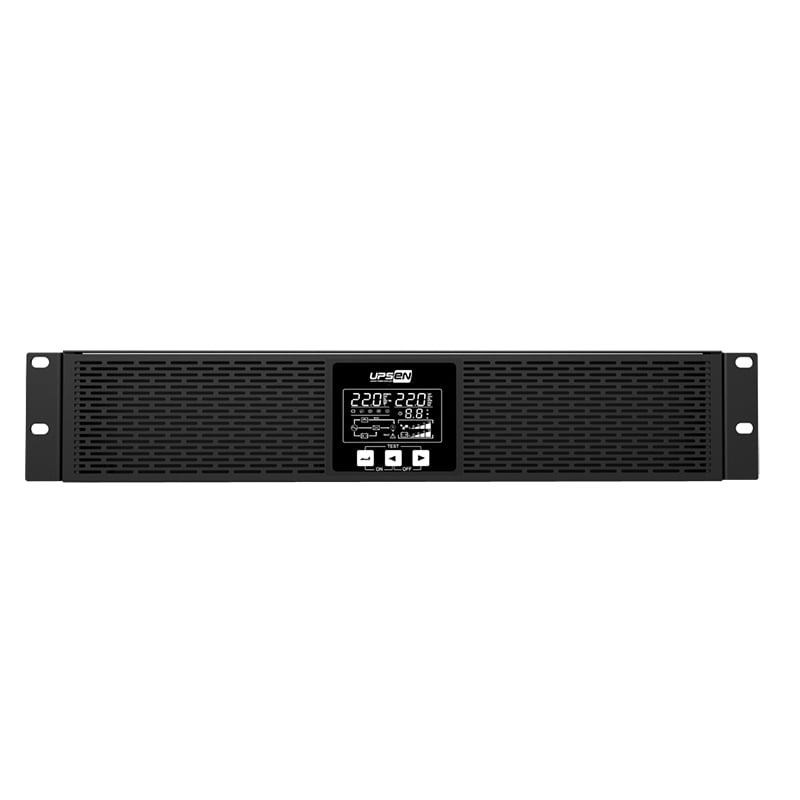
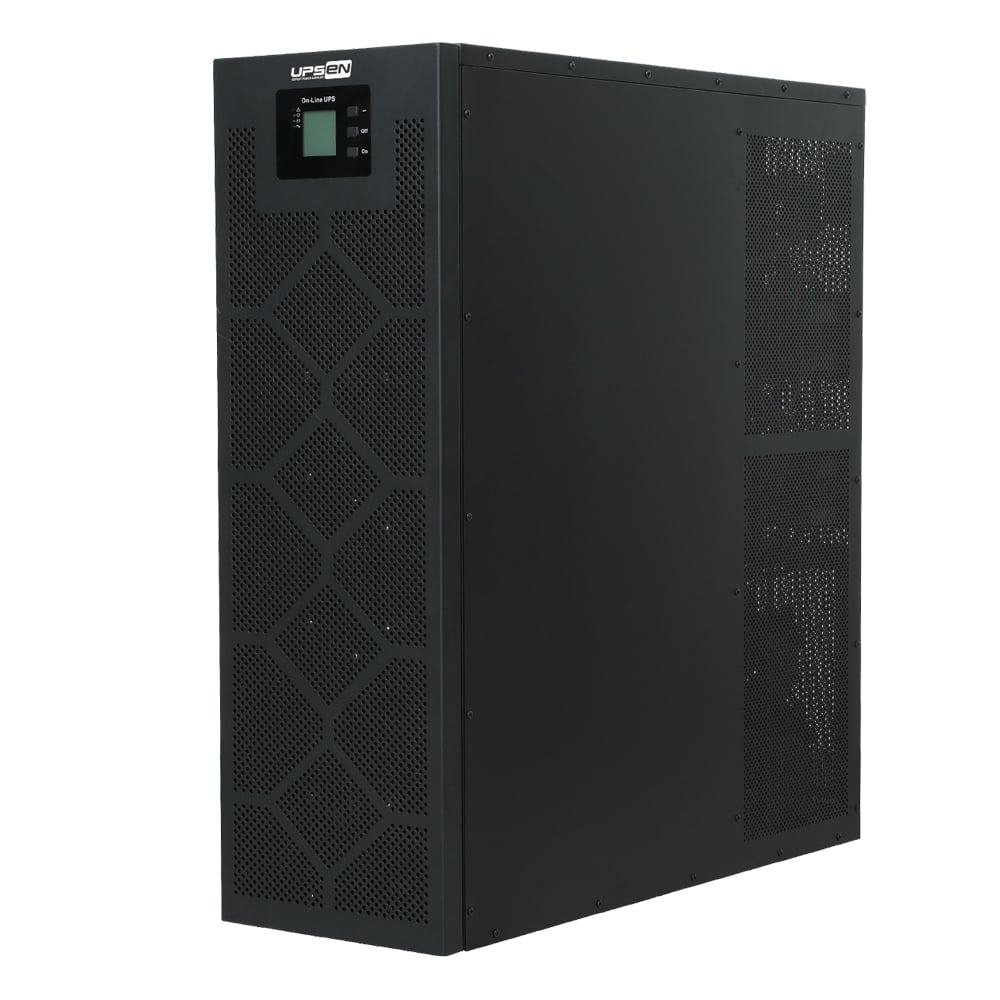
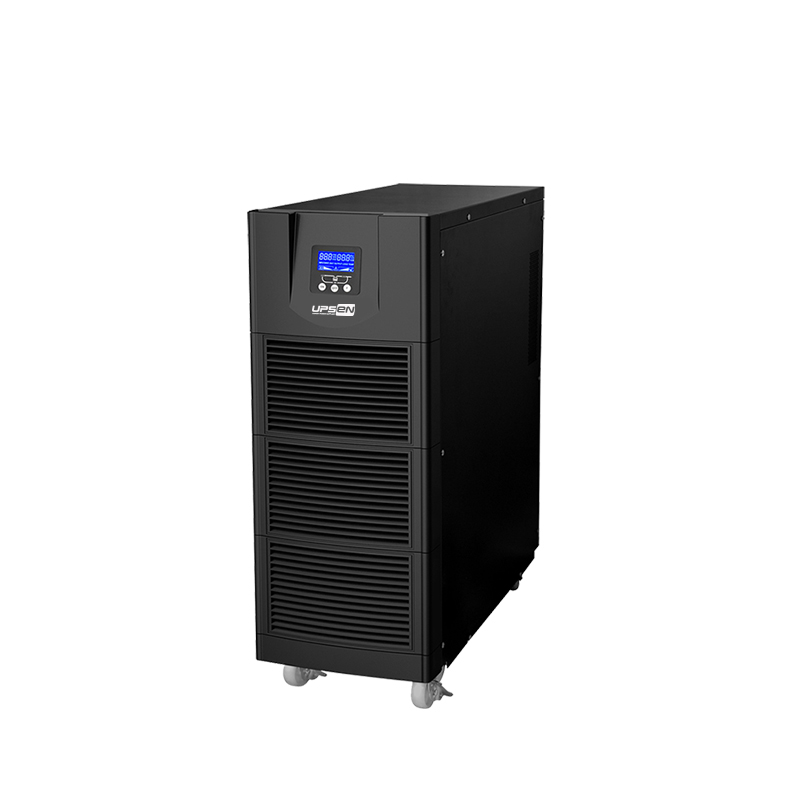
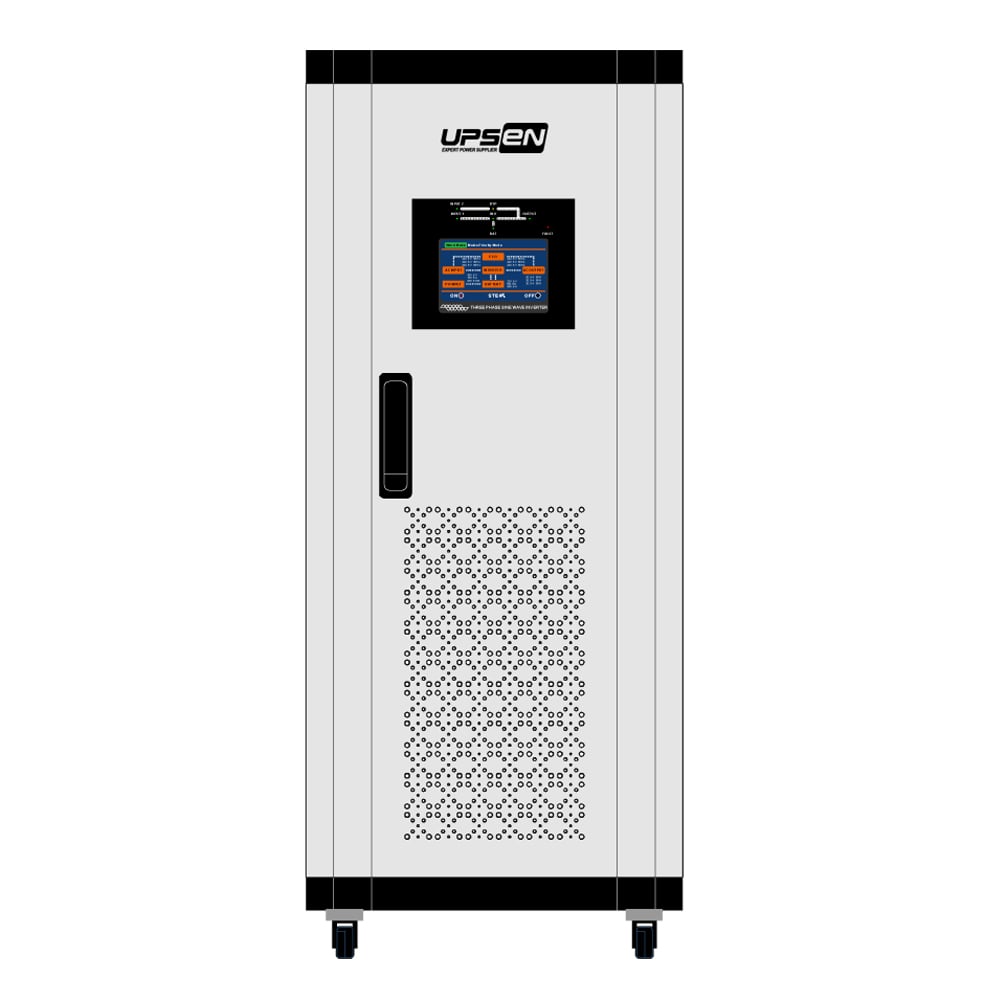
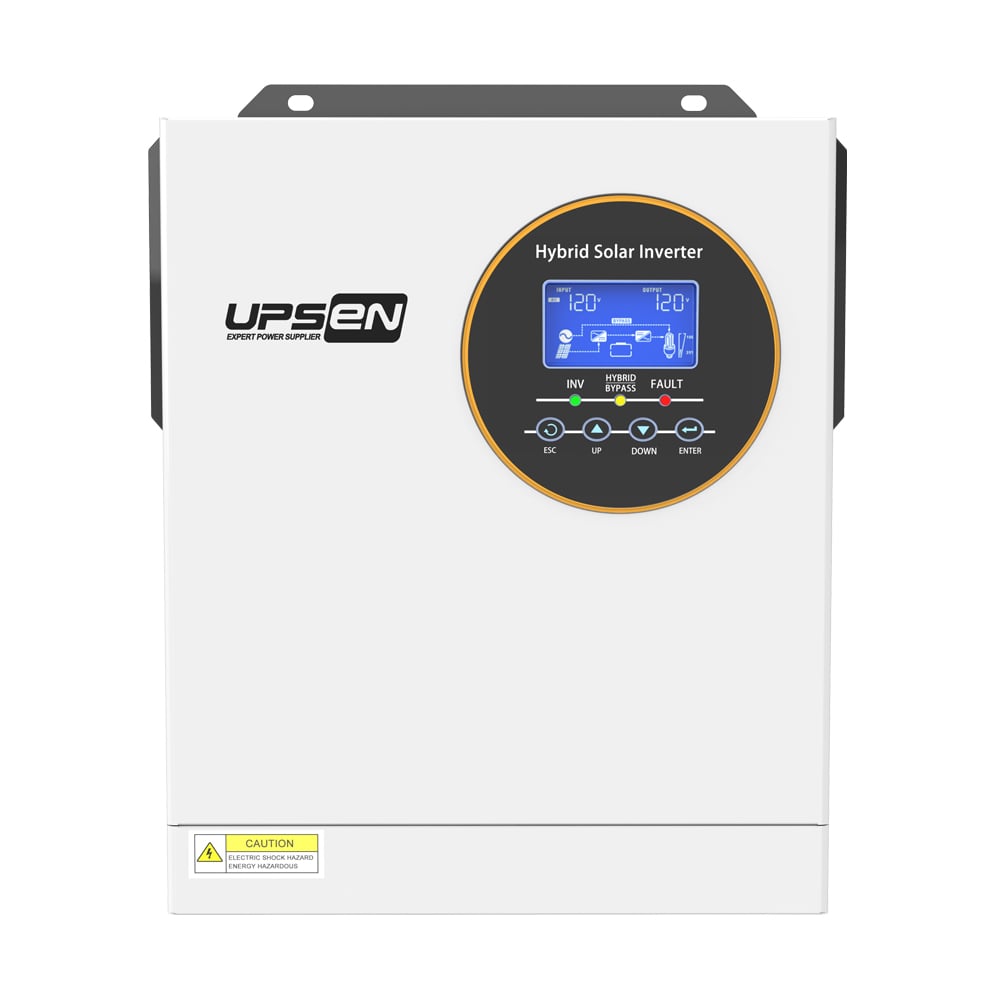
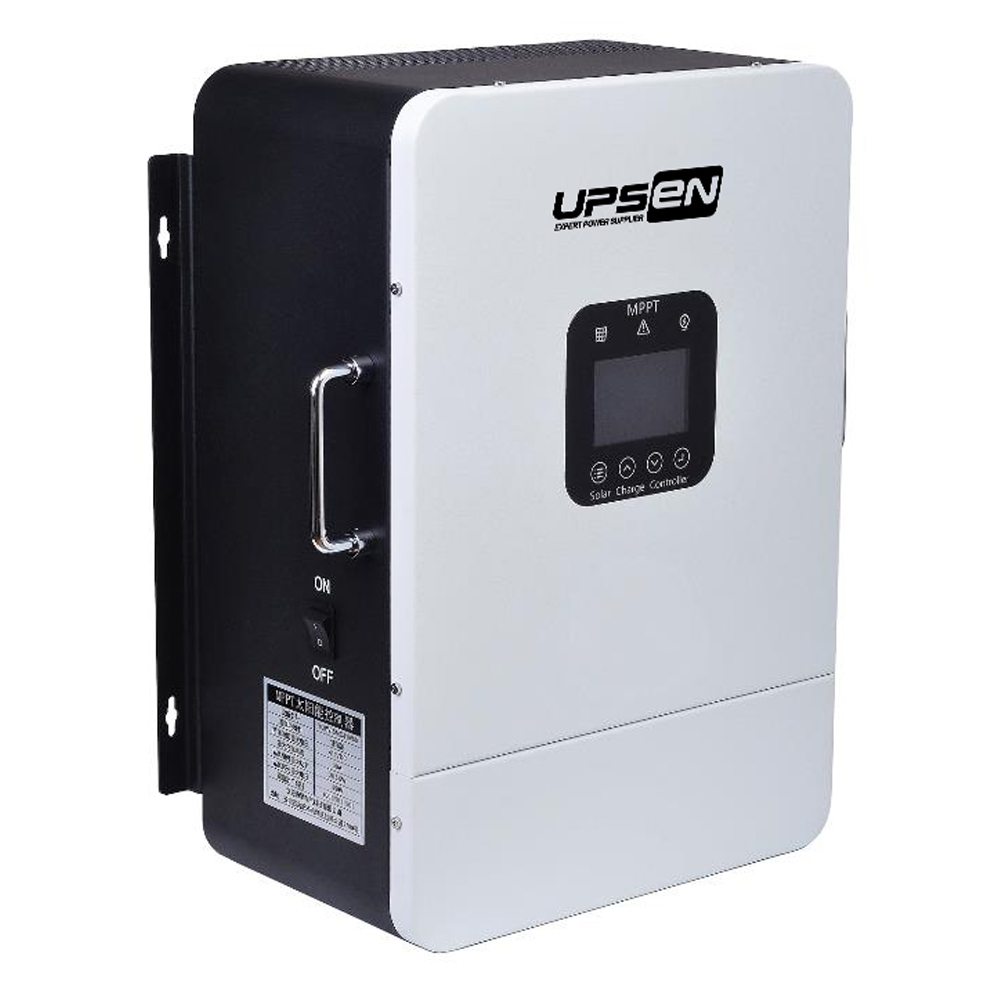
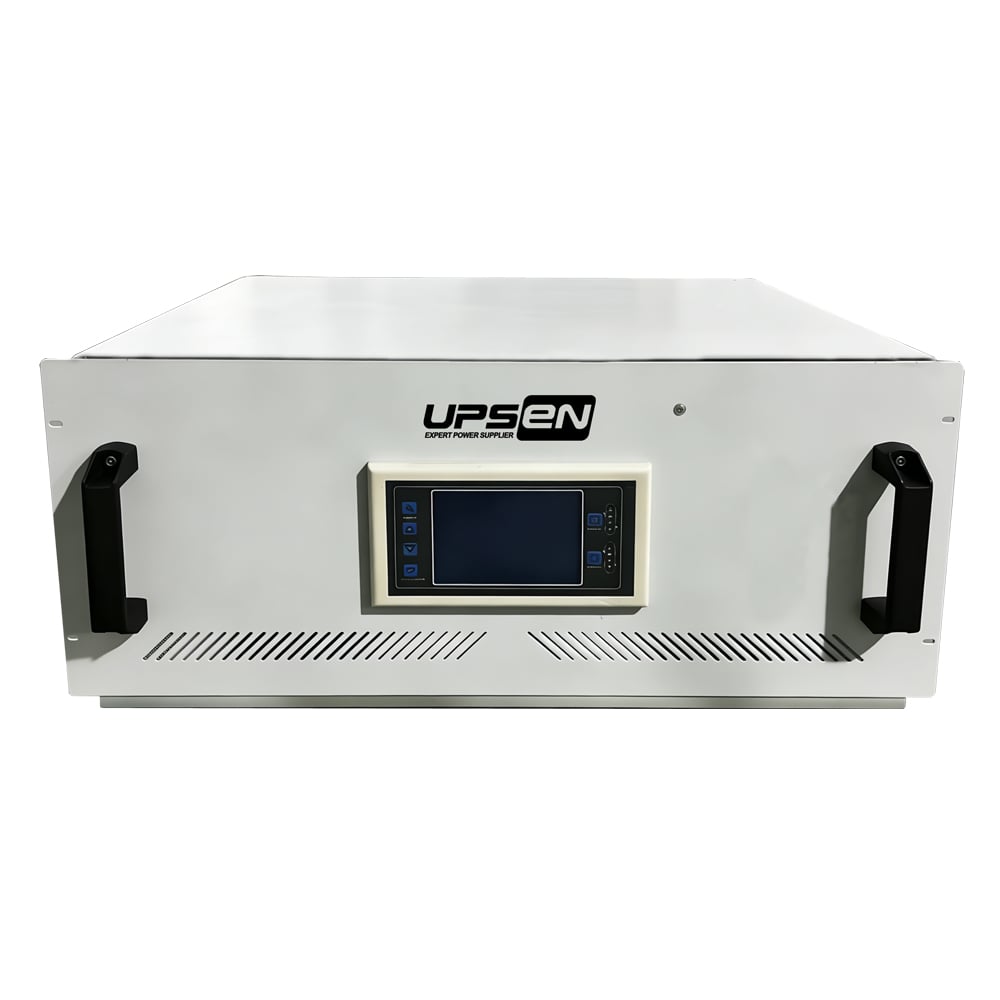
·Puhas siinuslaine väljund. Madal alalispinge, süsteemi maksumuse vähenemine
·Sisseehitatud PWM- või MPPT-laadija
·Väljundvool vahelduvvoolus: 0–45 A reguleeritav
·Lai LCD-ekraan, kuvab selgelt ja täpselt ikoonide andmeid
·100 % võimsuskõrvalekalle koormusega disain, kolmekordne tippvõimsus.
·Erinevate töörežiimide määramine muutuvate kasutustingimuste põhjal.
·Erinevad suhtlusliidesed ja kaugjälgimine RS232 / RS485 / rakendus (WIFI / GPRS) (valikuline).
| Mudel | UB 4 kVA | UB 6 kVA | UB 7 kVA | UB 8 kVA | UB 10 kVA | UB 15 kVA | UB 20 kVA | UB 25 kVA | UB 30 kVA | |
| Nimetusvõimsus | 3.2KW | 4.8KW | 5.6KW | 6,4kw | 8KW | 12kw | 16KW | 20kw | 24kw | |
| Tippvõimsus (20 ms) | 9,6 kW | 14.4kw | 16,8 kW | 19,2 kW | 24kw | 36 kW | 48 kW | 60KW | 72 kW | |
| Startmootor | 3HP | 4HP | 4HP | 4HP | 5HP | 7HP | 10hp | 10hp | 15HP | |
| Akku pinge | 48 / 96 / 192 VDC | 96 / 192 / 384 VDC | 192 / 384 VDC | |||||||
| Sisseehitatud päikesepaneeli regulaatori laadimisvool (valikuline) | PWM: 10–60 A (48 V süsteem); 50 A / 100 A (96 V süsteem); 50 A (192 V süsteem) MPPT: 10 A–100 A (48 V süsteem); 50 A/100 A (96 V süsteem) |
PWM: 10 A–60 A (48 V süsteem); 50 A/100 A (96 V süsteem); 50 A/100 A (192 V süsteem) MPPT: 10 A–100 A (48 V süsteem); 50 A/100 A (96 V süsteem) |
||||||||
| Mõõtmed (pikkus * laius * kõrgus, mm) | 565*300*775 | 725*365*1010 | ||||||||
| Pakendi mõõtmed (pikkus * laius * kõrgus, mm) | 625*360*895 | 785*425*1135 | ||||||||
| N.W.(KG) | 65 | 73 | 75 | 80 | 112 | 134 | 160 | 176 | 189 | |
| Bruttokaal (kg) | 78 | 86 | 88 | 93 | 136 | 158 | 184 | 200 | 213 | |
| Paigaldusmeetod | Tornis | |||||||||
| Mudel | UB 40 kVA | UB 50 kVA | UB 60 kVA | UB 80 kVA | UB 100 kVA | UB 125 kVA | UB 150 kVA | UB 200 kVA | ||
| Nimetusvõimsus | 32kw | 40kw | 48 kW | 64 kW | 80KW | 100 kW | 120 kW | 160kW | ||
| Tippvõimsus (20 ms) | 96kw | 120 kW | 144 kW | 192 kW | 240kW | 300KW | 360kW | 480 kW | ||
| Startmootor | 15HP | 20HP | 25hp | 30hp | 40HP | 50HP | 60hp | 80 hj | ||
| Akku pinge | 192 / 384 VDC | 384 V DC | ||||||||
| Sisseehitatud päikesepaneeli regulaatori laadimisvool (valikuline) | PWM: 100 A–200 A (192 V / 384 V süsteem) / MPPT: 50 A–100 A (192 V / 384 V süsteem) |
PWM: 100 A – 200 A / MPPT: 50 A / 100 A | ||||||||
| Mõõtmed (pikkus * laius * kõrgus, mm) | 720*575*1275 | 875*720*1380 | 1123*900*1605 | |||||||
| Pakendi mõõtmed (pikkus * laius * kõrgus, mm) | 785*640*1400 | 980*825*1560 | 1185*960*1750 | |||||||
| N.W.(KG) | 287 | 307 | 337 | 355 | 512 | 552 | 612 | 705 | ||
| Bruttokaal (kg) | 320 | 340 | 370 | 388 | 552 | 592 | 652 | 755 | ||
| Paigaldusmeetod | Tornis | |||||||||
| Sisend | DC-sisendpinge vahemik | 10,5–15 V DC (ühe akusüsteemi pinge) | ||||||||
| Vahelduvvoolu sisendpinge vahemik | 380 V AC / 400 V AC ± 10 % (kohandatud: 190 V AC / 200 V AC) | |||||||||
| Vahelduvvoolu sisendpinge sagedusvahemik | 45Hz~65Hz | |||||||||
| Maksimaalne vahelduvvooluga laadimisvool | 0–45 A (sõltub mudelist) | |||||||||
| Vahelduvvooluga laadimise meetod | Kolmefaasiline (konstantne vool, konstantne pinge, ujuv laadimine) | |||||||||
| Faas | 3 / N / PE | |||||||||
| tootmine | Tõhusus (akumoodis) | 85% | ||||||||
| Väljundpinge (akumoodis) | 380 V~ / 400 V~ ± 10 % (kohandatav: 190 V~ / 200 V~) | |||||||||
| Väljundsisu sagedus (akumoodis) | 50 / 60 Hz ± 1 % | |||||||||
| Väljundlaine (akumulaatorirežiimis) | Puhas sinuslaine | |||||||||
| Tõhusus (vahelduvvoolurežiimis) | >99% | |||||||||
| Väljundpinge (vahelduvvoolurežiimis) | Vastab vahelduvvoolu sisendile | |||||||||
| Väljundsagedus (vahelduvvoolurežiimis) | Vastab vahelduvvoolu sisendile | |||||||||
| Väljundlaine moonutus (akumulaatorirežiimis) | ≤ 3 % (lineaarne koormus) | |||||||||
| Koormata kaotus (akumulaatorirežiimis) | ≤ 1 % nimivõimsusest | |||||||||
| Koormamata kaotus (AC-režiim) | ≤2% nimivõimsus (laadur ei tööta AC-režiimis) | |||||||||
| Koormamata kaotus (energiatahvlirežiim) | ≤10W | |||||||||
| Faas | 3 / N / PE | |||||||||
| Akuni liik (Valikuline) |
UO: Gel U.S.A | Laadimispinge: 14 V; Ujumispinge: 13,7 V (ühe akutäiskonna pinge) | ||||||||
| U1: A.G.M.1 | Laadimispinge: 14,1 V; Ujumispinge: 13,4 V (ühe akutäiskonna pinge) | |||||||||
| U2: A.G.M.2 | Laadimispinge: 14,6 V; Ujumispinge: 13,7 V (ühe akutäiskonna pinge) | |||||||||
| U3: Hermetiseeritud plii-aku | Laadimispinge: 14,4 V; Ujumispinge: 13,6 V (ühe akupingel) | |||||||||
| U4: Geel Euroopa | Laadimispinge: 14,4 V; Ujumispinge: 13,8 V (ühe akupingel) | |||||||||
| U5: Avatud pliidhappeakud | Laadimispinge: 14,8 V; Ujumispinge: 13,5 V (ühe akupingel) | |||||||||
| U6: Kaltsium (avatud) | Laadimispinge: 15,1 V; Ujumispinge: 13,6 V (ühe akupingel) | |||||||||
| U7: Sulfaatsioonitsükkel | 15,5 V 4 tunniks | |||||||||
| Kohandatav aku | Erinevate aku tüüpide laadimis- ja tühjenemisparameetrid (nt liitiumakud jne.) Saab kohandada kasutaja nõudmistele vastavalt. |
|||||||||
| Kaitse | Aku alakoormusalarm | 11 V (ühe akusüsteemi pinge) | ||||||||
| Aku alakoormuskaitse | 10,5 V (ühe akusüsteemi pinge) | |||||||||
| Aku ülekoormusalarm | 15 V (ühe akusüsteemi pinge) | |||||||||
| Aku ülekoormuskaitse | 17 V (ühe akusüsteemi pinge) | |||||||||
| Akumulaatori ülepinge taastumispinge | 14,5 V (ühe akumulaatori pinge) | |||||||||
| Ülekoormuse võimsuskaitse | Automaatne kaitse (akumulaatorirežiim, kaitselüliti või kindlustus (vahelduvvoolurežiim)) | |||||||||
| Pöördvoolu väljundlühise kaitse | Automaatne kaitse (akumulaatorirežiim, kaitselüliti või kindlustus (vahelduvvoolurežiim)) | |||||||||
| Temperatuurikaitse | >90 °C (väljund välja lülitatud) | |||||||||
| Häire | A | Tavaline töötingimus, häirekaamera ei anna häiret | ||||||||
| B | Häirekaamera helistab 4 korda sekundis akumulaatori katkemise, pinge ebaõiguse või ülekoormuse kaitse korral | |||||||||
| C | Kui seade sisse lülitatakse esimest korda, annab häirekaamera normaalsete tingimuste korral 5 häiret | |||||||||
| Sisemine päikesepaneel juhtelemendid (Valikuline) |
Süügi režiim | MPPT või PWM | ||||||||
| Süügivool | PWM: 10 A / 20 A / 30 A / 40 A / 50 A / 60 A (48 V süsteem); 50 A / 100 A / 150 A / 200 A (96 V / 192 V / 384 V süsteem) MPPT: 10 A / 20 A / 30 A / 40 A / 50 A / 60 A / 80 A / 100 A (48 V süsteem); 50 A / 100 A (96 V / 192 V / 384 V süsteem) |
|||||||||
| PV sisestuspinge vahemik | PWM: 60–88 V (48 V süsteem); 120–176 V (96 V süsteem); 240–352 V (192 V süsteem); 480–704 V (384 V süsteem) MPPT: 60–120 V (48 V süsteem); 120–240 V (96 V süsteem); 240–360 V (192 V süsteem); 480–640 V (384 V süsteem) |
|||||||||
| Maksimaalne PV-sisendpinge (Madalaimal temperatuuril) |
PWM: 100 V (48 V süsteem); 200 V (96 V süsteem); 400 V (192 V süsteem); 750 V (384 V süsteem) MPPT: 150 V (48 V süsteem); 300 V (96 V süsteem); 450 V (192 V süsteem); 750 V (384 V süsteem) |
|||||||||
| Fotovoltailise paneeli maksimaalne võimsus | 48 V süsteem: 560 W / 1120 W / 1680 W / 2240 W / 2800 W / 3360 W / 4480 W / 5600 W; 96 V süsteem: (PWM: 5,6 kW / 11,2 kW) / (MPPT: 5,6 kW / 5,6 kW*2); 192 V süsteem: (PWM: 11,2 kW / 22,4 kW / 16,8 kW*2 / 22,4 kW*2) / (MPPT: 11,2 kW / 11,2 kW*2); 384 V süsteem: (PWM: 22,4 kW / 44,8 kW / 33,6 kW*2 / 44,8 kW*2) / (MPPT: 22,4 kW / 22,4 kW*2) |
|||||||||
| Ootevõimsuse kaotsimine | ≤3W | |||||||||
| Maksimaalne teisendustõhusus | >95% | |||||||||
| Töörežiim | Akutäiendus esimesena / Välisvõrgu toide esimesena / Energiasäästurežiim | |||||||||
| Ülekandmise aeg | ≤4ms | |||||||||
| Näitus | LCD | |||||||||
| Soojusmeetod | Jahutusventilaator täisautomaatse intelligentsjuhtimisega | |||||||||
| Side (valikuline) | RS232 / RS485 / APP (WIFI/GPRS) | |||||||||
| Keskkond | Töötemperatuur | -10 °C – 40 °C | ||||||||
| Salvestustemperatuur | -15 °C – 60 °C | |||||||||
| Kõlas | ≤65dB | |||||||||
| Kõrgus | 200 m (vähendatud võimsusega) | |||||||||
| Õhukindlus | 0–95 % (kondensatsioonita) | |||||||||
| Tagakaitse | 1 aasta | |||||||||
| Märkus: 1. Spetsifikatsioonid võivad muutuda ette teatamata; 2. Erilised pinge- ja võimsusnõuded saab kohandada kasutaja tegelike vajaduste alusel. |
||||||||||
Suurendatud võimsusega töövesi koos sisseehitatud päikeseelektrisüsteemiga
Kui te valite invertori küla mikrovõrgule, tehasele, päikesepargile või telekommunikatsioonikeskusele, mis teenindab sadu mastisid, muutub vestlus. Enam ei ole tegemist ühiku paigaldamisega laua alla või väikese suvemaja toitesüsteemiga. Nüüd on tegemist raskete masinatega, külmhoovate temperatuuri säilitamisega ja veepumbajaama töökindluse tagamisega. Urban Star seeria on loodud just selliste suuremate ja nõudvamate keskkondade jaoks. Selle võimsus ulatub käsitseda võimaliku 4 kVA-st kuni imponieeriva 200 kVA-ni, nii et saate alustada täpselt sellega, mida teie koormus praegu nõuab, ja olla kindel, et sama platvorm suudab kasvada teie energiavajaduste kasvades.
Madal alalispinge, isegi kõrgemas võimsustasemes
Üks suurte võimsuste pöörduritega seotud vaikseid pettumusi on nende nõutav alalispinge. Paljud kõrgvõimsused ühikud nõuavad akupankade pingeid 192 V, 240 V või isegi kõrgemaid, mis tähendab pikkasid rakusid, kallid alalisvoolu jaoks mõeldud katkestajad ning ohutusprotokolli, mis muudab hoolduse kõrgelt riskantseks tegevuseks. Urban Stari seeria lähtub teisest lähenemisviisist. See säilitab madala alalispinge sisendi kogu võimsusvahemikus – isegi 200 kVA juures. See teeb teie akupanga ehitamise odavamaks ja palju lihtsamaks hallata. Juhtmete paigaldus on vähem eksotiline, katkestajad maksavad vähem ja keegi ei pea rõivastuma nii, nagu oleks ta pommide kaitsmisel, lihtsalt et kontrollida veetasemeid. See on praktiline, ohutusele keskenduv konstruktsioonivalik, mis vähendab nii esialgseid kulutusi kui ka pikaajalisi probleeme.
Suur erinevus: sisseehitatud päikesepaneelide laadimine
Kui olete Blus Star seeriaga mingit aega tegelenud, siis tunnetate Urban Stari DNA. Sama puhas sinuslaine väljund. Sama kindel vastupidavus ebavõrdsetele koormustele. Sama võime käsitleda kolmekordset nimetatud võimsust nendel raskevõimalistel mootorite käivitustel. Kuid Urban Staril on ka üks määrav omadus: sisseehitatud PWM- või MPPT-päikesepaneeli laadimiskontroller. Te valite, milline versioon sobib teie päikesepaneelide massiivile, ja see on juba tehaseselt paigaldatud. Ei ole eraldi laadimiskontrollerit, mille spetsifikatsioone tuleb valida, paigaldada, juhtida ja veakorraldada. Te ühendate oma päikesepaneelid otse invertoriga ja seade haldab kõike – laeb akusid päikeseenergiast, segab päikeseenergiat võrgu- või generaatorivooluga ning annab täpselt teie konfigureeritud viisil eelis renewable-energiale. Suurele off-gridi majale, fermale või kaubanduslikule ettevõttele, mis soovib päikeseenergia abil diislikütuse kulude vähendamist, muudab see invertori ühe kasti sees tõeliseks päikesehübriidsüsteemiks.
100 % ebavõrdsus? Talle on kõige vaenulikum
Kolmefaasilised süsteemid on harva täiesti tasakaalustatud. Ühel faasil võib olla koormatud ühefaasiliste tööriistadega töökoda, teisel faasil aga kergelt koormatud valgustus. Urban Star on disainitud nii, et see suudab taluda 100% koormuse ebakorrapärasust. See tähendab, et kui teie koormuse jaotumine muutub nii ebakorrapäraseks, saate täieliku 200 kVA võimsuse võtta ühest faasist. Inverter ei vähenda oma võimsust, ei tekita veateateid ja teiste faaside pinge ei kõigu. Tegelikult tähendab see tööstusettevõttes, kus suur ühefaasiline masin käivitub ebaeeldatavalt, või külapiirkonna võrgus, kus kasutusmustrid on alati ebakorrapärased, seda, et valgus säilib ilma pideva käsitsi ümberpaigutuseta.
Mootorid, kompressorid ja kolmekordne tippvõimsuse tõus
Iga invertor väidab, et suudab toime tulla mootorite käivitamisega. Urban Star tegelikult seda ka teeb. See võimaldab kuni kolmekordset nimivõimsust lühikesteks ülekäiguteks – sellistele koormuspiikidele, mis tekivad näiteks sügava kaevu pumbaga, tööstusliku kompressoriga või külmakambrisse paigaldatud jahutusseadme kompressoriga. Piisavat tippvõimsust puududes seiskuvad need koormused, pinge langeb ja invertor lülitub automaatselt välja. Urban Star'i madalasageduslik konstruktsioon ja tugev transformaator tagavad magnetreservi, mille abil saab selle sissekäigu voolu läbi suruda ilma töö katkemiseta. Teie seadmed käivituvad, siinuslaine jääb puhas ja te ei saa keskööl väljakutset.
Laadimisvool, mida saab täpselt reguleerida
Sisseehitatud vahelduvvoolu laadimisseade on reguleeritav 0–45 amprini, mis võimaldab laadimiskiirust sobitada teie aku panga keemiaga ja mahtuvusega. Kui te kasutate akude täitmiseks generaatorit, saate voolu suurendada, et vähendada generaatori tööaega ja kütusekulu. Kui te hoolite vanema pliidhappe aku pangast, vähendate voolu, et vältida akurakkude ülekuumenemist. Laadimisseade toetab mitmeid aku tüüpe – hermeetilised pliidhappe akud, geelakud, AGM-akud ja liitium-raudfosfaat (LiFePO4) akud – ning neile on kasutaja poolt seadistatavad absorptsiooni- ja ujumispinged. Te ei ole kinni ühesuguses laadimiskõveras.
Ekraan ja juhtimisnupud, millest on mõtet
Esipaneelil on lai LCD-ekraan, mis kuvab olulise teabe otse teie silma all: sisendpinge, väljundpinge, koormusprotsent, aku seisund ja töörežiim. Pole vaja silmi kitsendada väikeste ikoonide pärast ega navigeerida läbi mõistatavate menüüde. Kui soovite muuta seadistust – töörežiimi, laadimisvoolu, pinge piirväärtusi – piisab paarist nupuvajutusest, mitte põhjalikust kasutusjuhendi uurimisest.
Töörežiimid, mis sobivad teie energiataktikaga
Urban Star annab teile kontrolli selle üle, kuidas ja millal see kasutab erinevaid energiavälju. Saadaval on režiimid, millel on eelisandmetena aku, võrgupinge, päikesepäike ja hübridkombinatsioonid. Näiteks saate seadistada režiimi, kus aku on eelistatud päevakeskel kõrgemate tarifftingimustega, päikesepäike on eelistatud päikesepaistmisel ja võrgupinge on eelistatud öösel, kui võrguenergia on odav. Hübridkonfiguratsioonis generaatoriga saab invertor isegi saatda käivitussignaali, kui aku pinge langeb, aktiveerides generaatori automaatselt ning seejärel selle välja lülitades, kui akud on täislaetud.
Kaugesitus ja kaugkuulmine
200 kVA süsteemi jälgimine kaugas asuvas kohas nõuab rohkem kui lihtsalt vilkuvat LED-tuli. Urban Star pakub täielikku suhete valikut: standardina RS232 ja RS485, valikuliselt rakendus-põhine jälgimine WiFi või GPRS kaudu, SNMP võrguühenduse jaoks ning isegi GSM SMS-teadete saatmiseks. Saate oma telefonist kontrollida koormuse olekut, saada tekstiteade, kui aku laadimistase langeb alla määratud piiri, või integreerida invertori hoonejuhtimissüsteemi. Mittevalvetatud objektidel muudab see ühendus seadme mustast kastist täielikult jälgitava varana.
AVR ja generaatorite ühilduvus
Sisendpinge ja sageduse vahemik on teadlikult lai, nii et Urban Star töötab sujuvalt ka generaatoritega – isegi selliste, mille regulaator ei ole täiuslik. Sisseehitatud automaatne pingeregulaator (AVR) puhastab sisenevat võrguenergiat enne, kui see jõuab teie koormusteni, tagades, et tundlikud elektroonikaseadmed saavad stabiilset pinget, olenemata sellest, mida generaator teeb. See on oluline funktsioon kohtades, kus võrgu toimivus on ebapiisav ja generaator on peamine varuallikas.
Kus Urban Star kasutusele võetakse
See on inverter raskete ülesannete jaoks. Tavalised kasutusvaldkonnad hõlmavad:
`Küla elektrifitseerimist ja mikrovõrke kus usaldusväärne vahelduvvooluvarustus on kogukonna vajadus
`Suuri võrgust väljas olevaid maju ja komplekse mis on suurte elektritarbimisega ja milles on integreeritud päikesepaneelid
`Tööstusettevõtteid ja tehaseid milles kasutatakse kolmefaasilisi mootoreid, kompressoreid ja tootmisliine
`Põllumajandusettevõtteid ja põllumajanduslikku töötlemist kastmispumbadega, külmahoonega ja teraviljakuivatitega
`Telekommunikatsiooni baasjaamad ja tornivõrgud puhast ja katkestuseta toite vajavad
`Vee pumbamine ja puhastusjaamad kaugel asuvates või võrgust väljas asuvates kohtades
Kui olete juba tuttav Blus Star seeriaga, siis mõelge Urban Starile kui selle suuremale vennale. See laiendab sama madala alalispinge, tippvõimsuse ja tasakaalutusele vastupidava disaini kuni 200 kVA-ni ning lisab sisseehitatud päikeseakumulaatorilaadija, et päikesesüsteemi integreerimine oleks ühe kasti lahendus. Kõigile, kes vajavad tõeliselt tugevat, konfigureeritavat ja päikesesüsteemile valmis toiteplatvormi vahemikus 4–200 kVA, on see platvorm, mis kasvab teiega kaasa.

tongfang Center, nr 1409–1410, Zhongxin tänav ja Haoxiang tänav ristumiskoha juures, Xinqiao tänav, Bao'an ringkond, Shenzhen, Hiina.
Autoriõigus © Shenzhen UPSEN Electronic CO., LTD. Kõik õigused kaitstud Privaatsuspoliitika
 EN
EN