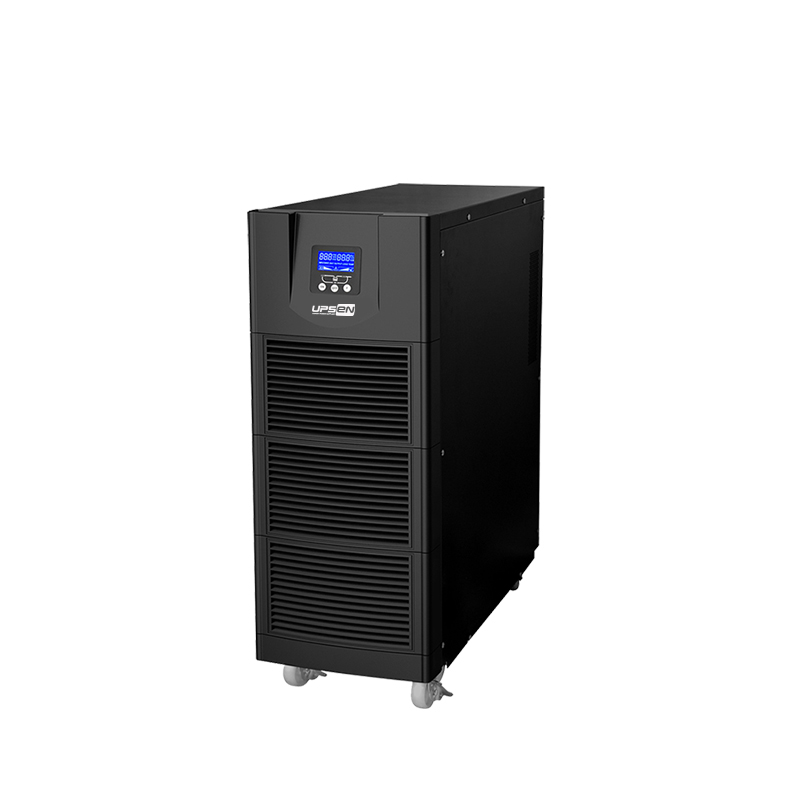
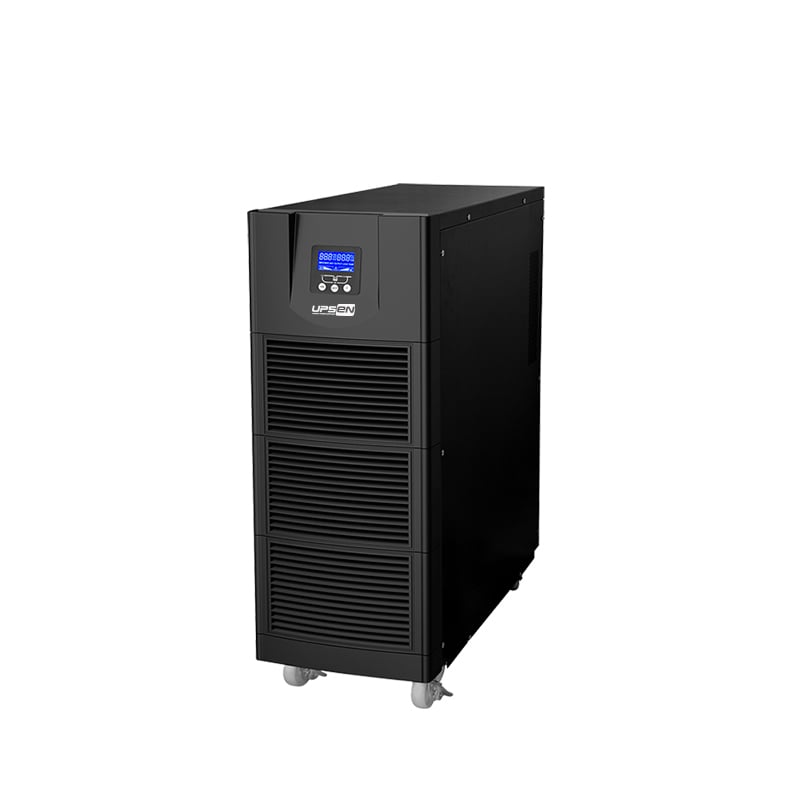
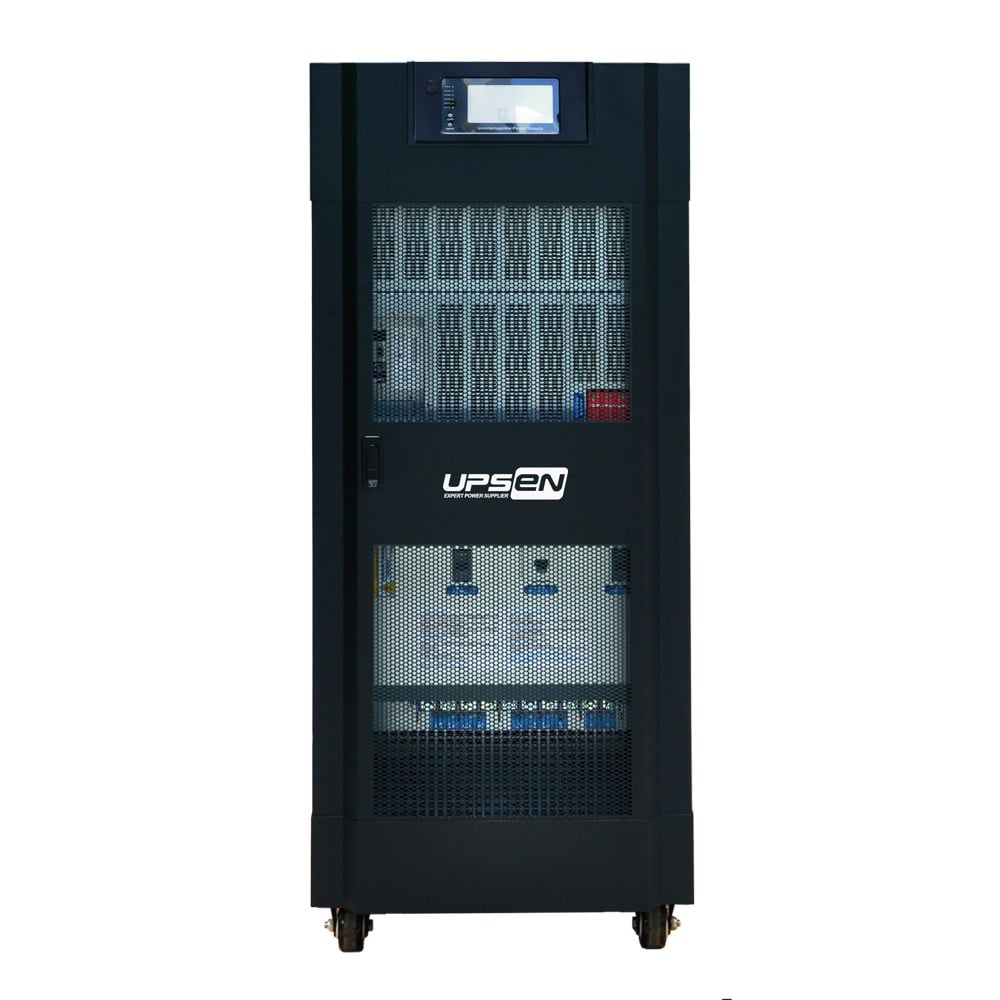
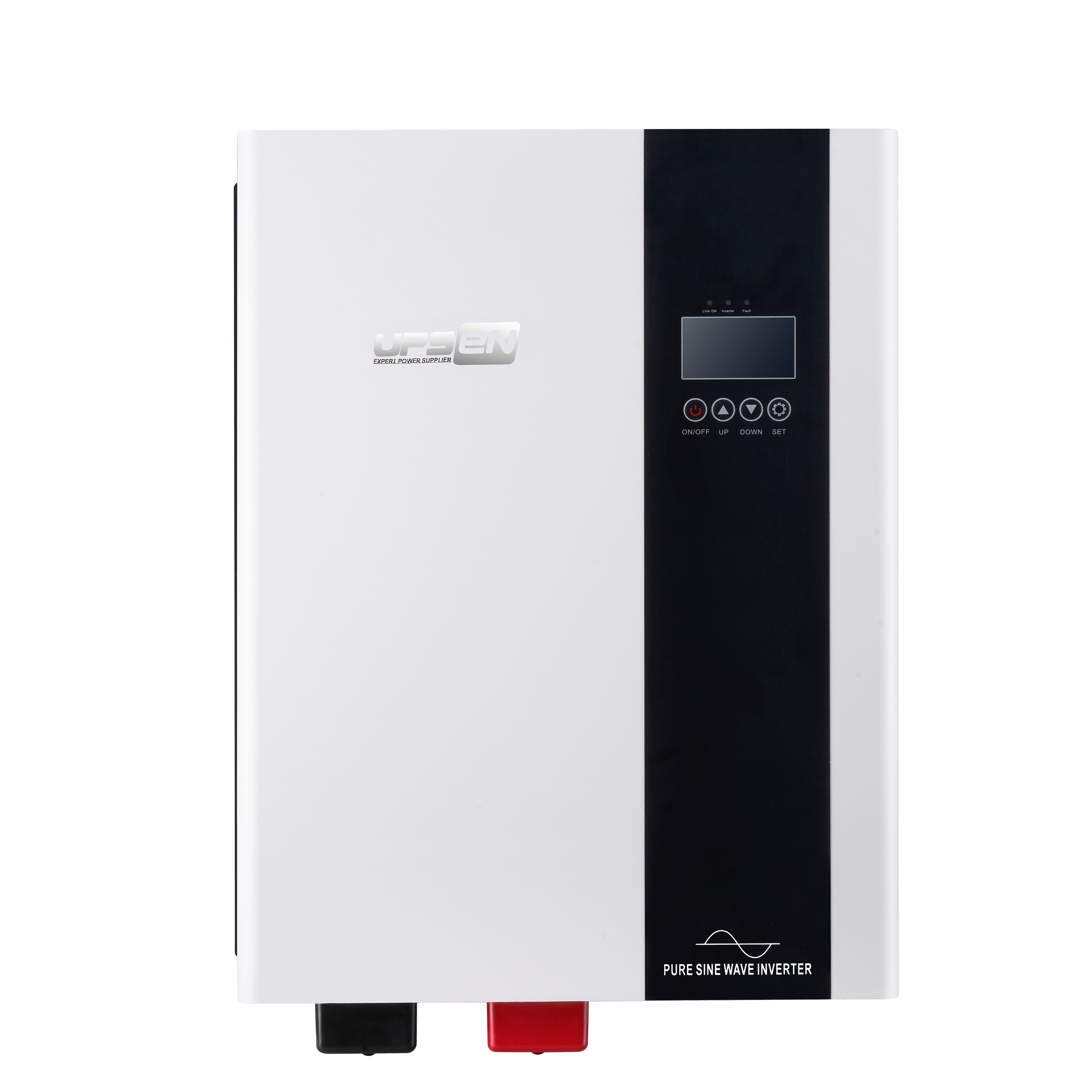
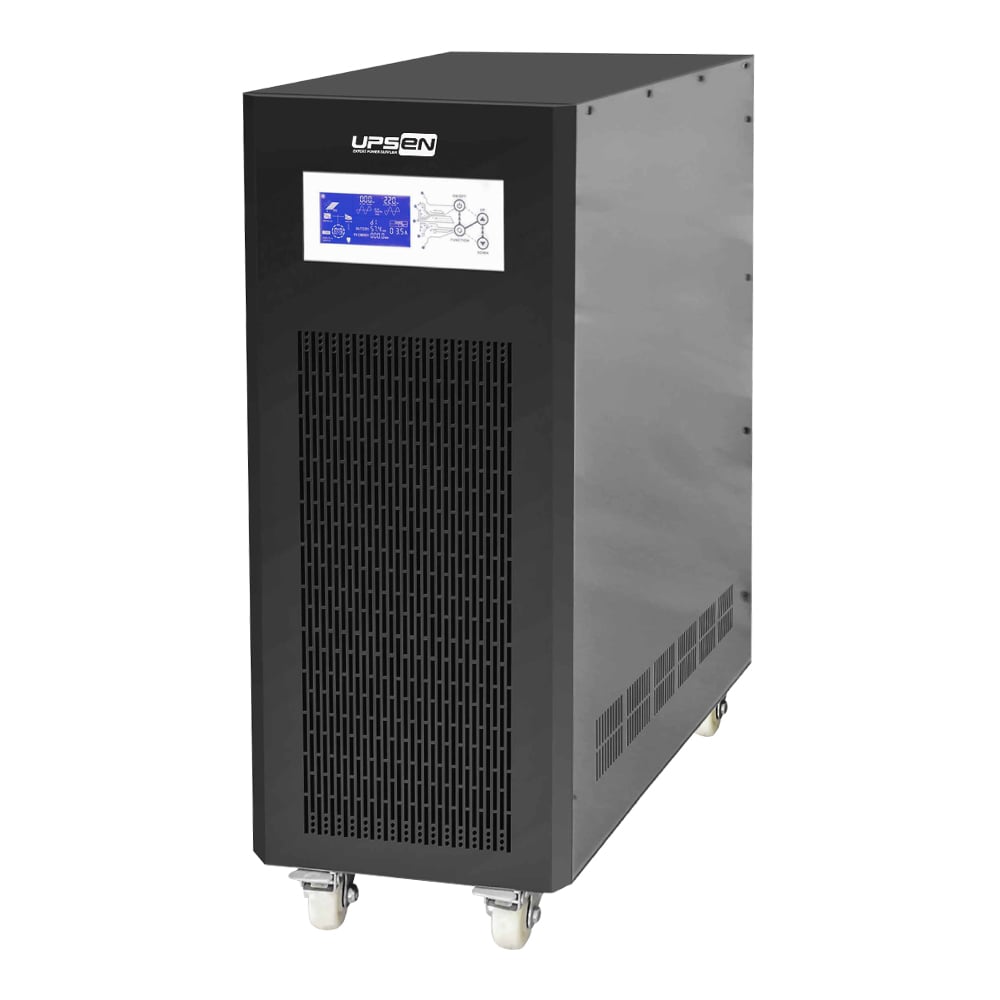
·Жогорку жыштыкта иштеген онлайн үч кирүү жана үч чыгүү UPS. Чыгыш тенсиз жүктөргө туташтырыла алат, ал эми кирүүдөгү үч фаза жүктүн тенсиздигин толук компенсациялайт.
·Толугу менен цифровой башкаруу, тургандашып калган иштөө.
·Энергияны утуп алуу жана чөйрөнү коргоо, эффективдүүлүк 93% чейин жетет.
·N+X параллель резервдүүлүгүн колдойт
·Эң оптималдуу кулпу түзүлүшүнүн көлөмү нарыкта салыштырмалуу өнөрсүтүлгөн өнөрсүтүлгөлөргө караганда эң кичине.
·Бир комплект аккумулятор системага энергия берет, аккумуляторлордун санын азайтат жана чыгымдарды үнэмдүүлүк менен чечет.
·10–20 кВт стандарттык машина аккумулятор менен бирге интегралданган дизайн, орнотууга жана колдонууга ыңгайлуу.
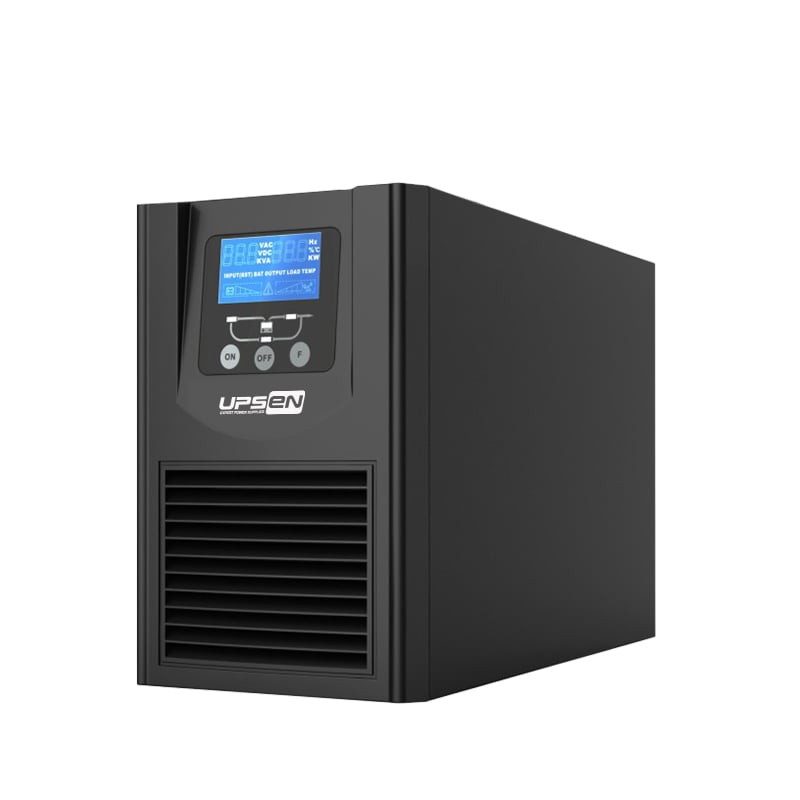
·Көрүнүп турган LCD дисплей интерфейси, үч фазалуу иштөө маалыматын ачык жана интуитивдүү көрсөтөт.
·Акылдуу мобилдик мониторлоо карталары колдонууга мүмкүндүк берет, UPS маалыматын мобильдик колдонулуштар аркылуу чыныгы убакытта мониторлоо үчүн.
| Модель | 33Q 10KL | 33Q 10K | 33Q 20KL | 33Q 20K | 33Q 30KL | 33Q 40KL | |
| Номиналдык кубаттуулук | 10KVA/9KW | 20KVA/18KW | 30KVA/27KW | 40 KVA / 36 кВт | |||
| Кирим | Фаза | 3 фаза, 4 сым жана жерлөштүрүлгөн | |||||
| Номиналдык чыңалуу | 380 / 400 / 415 В~ | ||||||
| Чыңалуу диапазону | 207 ~ 475 В~ | ||||||
| Чыгуу диапазону | 40–70 Гц (орнотууга мүмкүнчүлүк бар) | ||||||
| Күч фактору | ≥ 0,99 | ||||||
| Токтун жогорку гармоникалык түзүлүшү (THD) | ≤3% (100% сызыктык эмес жүктөм) | ||||||
| Чыгаруу | Фаза | 3 фаза, 4 сым жана жерлөштүрүлгөн | |||||
| Номиналдык кернеу жана тактык | 380Vac(1±1%)3P4W+G | ||||||
| Күч фактору | 0.9 | ||||||
| Номиналдуу ток | 15A | 30A | 45A | 61 А | |||
| Чыгуу жыштыгы | 46–54 Гц — тармактын күчтүүлүгү менен синхрондоо; 50 Гц (тармактын күчтүүлүгү 40–46 Гц жана 54–60 Гц ортосунда); 50 Гц (аккумулятор) |
||||||
| Чыгыш гармоникалык толкуну | ≤3% (толук резистивдүү жүктөм) | ||||||
| Ток коэффициенти | 3:1 | ||||||
| Чыгыш жүктөмүнүн ашырылып кетиши | 105%±5% < Жүктөм ≤ 125%±5%: 1 минута өткөндөн кийин байпас чыгышка өтүп, сигнал берет; 125%±5% < Жүктөм ≤ 150%±5%: 30 секунд өткөндөн кийин байпас чыгышка өтүп, сигнал берет; Жүктөм > 150%±5%: 300 мс өткөндөн кийин байпас чыгышка өтүп, сигнал берет. |
||||||
| Натыйжалуулук | >92% | >91% | |||||
| Батарея | Уолтаж | 192 ВТТ | ±192 ВТК | ||||
| Sanalyk | 16 | 32 | |||||
| Заряддын тогу (А) | 5,5A | 1A | 7.5A | 1A | 5,5A | ||
| Шалык тогунан аккумуляторго өтүш убактысы | 0мс | ||||||
| Коргоо | Кыска токтун түзүлүшү | Бардык системаны кармоо | |||||
| Иштеп бүлүнүү | Сызык режими: Байпаска алып өтүү; Резервдик режим: UPS-ти дароо өчүрүү | ||||||
| Аккумулятордун тогу төмөн | Аларма жана өчүрүү | ||||||
| Өзүн-өзү диагностикалоо | күчкө киргенде жана программалык башкаруу аркылуу ишке кирет | ||||||
| ЭПО (мүмкүнчүлүк) | UPS-ти дароо токтотуңуз | ||||||
| Батарея | Аккумулятордуу башкаруунун гадириги | ||||||
| Көпчүлүкчүлүк тосуу | EN62040-2 стандартына ылайык келет | ||||||
| Сигналаар | Эшитилген жана көрүнгөн | Сызыктын иштебей калышы, аккумулятордун төмөн кернеши, ашыкча жүктөм, системанын айырышы | |||||
| Көрсөтүү | Абал индикатору жана LCD | Сызык режими, байпас режими, аккумулятордун төмөн кернеши, аккумулятордун айырышы, ашыкча жүктөм жана UPS айырышы | |||||
| LCD экранда окулуучу маалымат | Кирүү кернеши, кирүү жыштыгы, чыгыш кернеши, чыгыш жыштыгы, жүктөмдүн проценти, аккумулятордун кернеши жана ичиндеги температура | ||||||
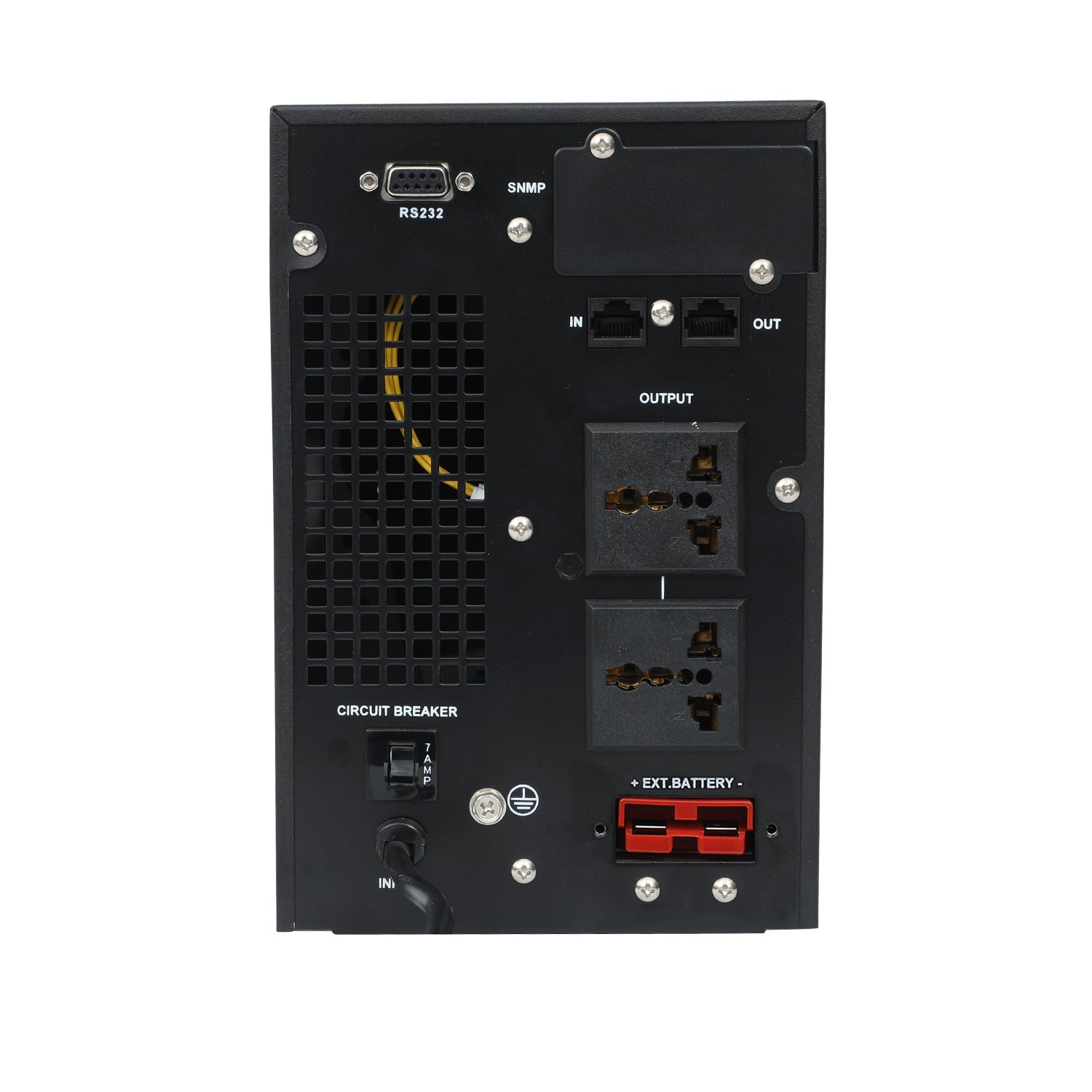
| Байланыш интерфейси | RS232, EPO (Стандартдык); Акылдуу слот жана SNMP картасы (Мүмкүнчүлүк), Реле картасы (Мүмкүнчүлүк) | ||||||
| Бардык чындыгы | Иштөө температурасы | 0℃ ~ 40℃ | |||||
| Көчүрүлүү температурасы | -25℃ ~ 55℃ | ||||||
| Эстүүлүк толкун | ≤ 60 дБ | ||||||
| Биichickлигі | <1500 м. 1500 мден жогору болгондо, иштетүү үчүн номиналдык кубаттуулукту төмөндөтүңүз | ||||||
| Намдуулук | 20% ~ 95% конденсацияланбаган | ||||||
| Өлчөм | Куралдын өлчөмү – Э*Т*Б (мм) | 260*533*501 | 260*560*717 | 260*710*717 | 260*710*717 | ||
| Пакеттин өлчөмү – Э*Т*Б (мм) | 350*603*631 | 436*708*861 | 350*778*864 | 350*778*864 | 350*778*864 | 350*778*864 | |
| Таза салмак (кг) | 26 | 72 | 57.5 | 98 | 58.5 | 63 | |
| Жалпы салмак(kg) | 36 | 82 | 73 | 113 | 74 | 77 | |
| Коопсуздук талаптарына ылайык | CE, EN / IEC62040-2, EN / IEC62040-1-1 | ||||||
| *Техникалык сапаттар алдын ала хабарланбай өзгөртүлүшү мүмкүн | |||||||
Бардыгы бирге келген үч фазалык иштегич
Көпчүлүк үч фазалык UPS орнотулуштарында түшүнүлбөгөн күтүүлөр бар: айрым аккумулятор шкафы, кошумча жер майдаңы жана орнотуу убактысында чыдам керек. 33Queen Star Сериясы бул күтүүлөрдү, айрыкча 10–20 кВА диапазонунда, чындыгында сынга салат. Бул — чындыгында ичке аккумулятору бар жогорку жыштыктагы онлайн UPS: сырткы коробка, кошумча кабелдер же кошумча жер майдаңын издөө керек эмес. Жер майдаңы жана жөнөкөйлүк техникалык спецификациялардан дагы да маанилүү болгон кичинекей сервер бөлмөлөрү, розничный түрдөгү башкы офистор же кеңседе бул иштегичтин иштешүүсүнүн чоң артыкчылыгы.
Булдан тышкары, серия 40 кВАга чейин созулат, бул сизге ошол эле платформада өсүш ыктымалдыгын берет. Бирок баштапкы турган нерсе — интегралдуу версиянын негизинде жасалган практикалык чечимдер.
Ичке орнотулган аккумулятор: Бир коробка, даяр.
10 кВА жана 20 кВА моделдеринде аккумулятор негизги башкаруу башынын ичинде жайгашат. Сиз бирдикти ачып, аны орнуна жылдырып, кирүү жана чыгыш туташтырууларын жасап, андан соң электр тогуна кошотуз. Айрым аккумулятор шкафын искердөөгө тартуу керек эмес, кошумча туруктуу ток (DC) сымдарын тартуу керек эмес жана абдан зарыл болгондон башка жерди ээлеп алганыңыз керек эмес. Орнотуу — үч фазалуу токтун орнотулушу үчүн плагин-жана-плей (plug-and-play) деңгээлине жетишкен.
Бул UPS бир нече башка жабдуулар менен чогуу жайгашууга тийиш болгон тар ток бөлмөсүндө маанилүү. Ошондой эле бул ашыкча туташтырууларды, ашыкча сымдарды жана тез чоңоюп, туура эмес туташтырылышы мүмкүн болгон башка компоненттерди азайтат.
ошол эле архитектурада 40 кВАга чейинки резерв
20 кВАдан көп керекпи? 33Queen Star сериясында 30 кВА жана 40 кВА моделдери да бар. Ошол чоңдуктагы аккумуляторлор сыртка чыгат — ошончо көп энергияны сактоо үчүн физиканын заңдарынан качуу мүмкүн эмес — бирок UPS өзү ошол эле платформада калат. Демек, эгерде сиз 20 кВАлык ичке орнотулган бирдик менен баштасаңыз жана ал сизге жетишсиз болуп калса, 30 же 40 кВАга өтүш — бүтүндөй жаңы система үйрөнүүгө тапшырбайт. Башкаруу интерфейси, цифровая архитектурасы, параллель логикасы — бардыгы сакталат.
Үч фазалуу туура иштетилген: Жүктүн кандайдыр бир баасында кирүүчү фазалар тең салыштырылган
Төмөн кернеүлүү (LV) варианттай эле, бул UPS жүктүн теңсиз чыгышын кирүүчү тармакка өткөрбөй-ақ иштейт. Сиздин фазаларыңыз теңсиз болушу мүмкүн — L1 фазасында көп түрлүү түзүлүштөр, L3 фазасында азыраак — бирок кирүүчү тармак толугу менен тең салыштырылган калат. Бинанын автоматтык ток кескиси таза, бирдей ток жүктөмүн көрөт. Кошумча үзүлүштөр болбойт, трансформатор кызбайт, түзөтүүчү электр тармагын кайрадан жасоо керек болбойт.
Бардыгы DSP цифровой башкаруу аркылуу идариеленет. Чыгыш синусоидасы туруктуу, көчүрүү так, жана бирдиктин пайдалануу мөөнөтүндө аналогдык калибрлөөнүн чейкишүүсүнөн курчунганда турган кереги жок.
Тириштиктүүлүк жана параллельдүүлүк мүмкүнчүлүгү
Тириштиктүүлүк 93% тээш. Бул гипермасштабдуу маалыматтар борборундагы UPS-терде көрүлгөн оо-чоң сан эмес, бирок бул класс жана баасы үчүн ал надёждуу. Жылуулук башкарылат. Суутуруу талаптары орточо деңгээлде калат.
Эгерде сизге резервдүүлүк же жөнөкөй гана көбүрөөк күч керек болсо, N+X параллельдүүлүгү колдонулат. Параллель шинасына экинчи (же үчүнчү) бирдикти кошуңуз. Бирөөнүн иштебеши мүмкүн, башкалар жүктөмдү ташып жүрөт. Эгерде сиздин күч талаптарыңыз өсөт, анда баштапкы инвестицияны алмаштырбай, горизонталдык масштабдоо ишке ашырылат.
Бир аккумулятор тобу
Төмөн кернеэли LV сериясындай, бүтүн система бир аккумулятор банкынан иштейт. Модуль боюнча айрым тилкелер жок. Сатып алуу, көзөмөлдөө жана узак мөөнөттө алмаштыруу үчүн аккумуляторлор азыраак. Бул баштапкы баа жана узак мөөнөттүү техникалык кызмат көрсөтүүнүн чыгымдарын туташтырат.
Кулачтык дизайн: Өз классындагы эң кичинеси
Физикалык өлчөмү артыкча кичине болгон. Бул кубат диапазонундагы үч фазалуу UPS үчүн башка тараптан, башы турган түрү (tower) мүмкүн болгончо компакттуу. Эгерде жердин квадрат метри айлык ижарага алынса, бул чон эмес деталь эмес.
Дисплей жана мониторлоо
Алгы панелде визуалдаштырылган LCD дисплей колдонулган, ал үч фазалуу маалыматтарды — фаза боюнча кернеу, ток, жүктөмдүн проценти — бир экранда ачык көрсөтөт. L2 фазасынын температурасы жогору болуп жатканын билүү үчүн менюларды аралап өтүүгө кереги жок.
Алыскы мониторлоо опциондуу интеллектуалдуу мобильдик картанын жардамы менен ишке ашырылат. Аны орнотуп, телефонуңуздагы колдонмону кошуп, андан аркылуу UPS статусун, аккумулятордун жагдайын жана тревогаларды кайсы жерден болбосун текшере аласыз. Бир нече объекттилерди камтыган ИТ персоналы үчүн же түпкүлүк он-сайт кызматы жок орнотулуштар үчүн бул NMS толук системасын орнотпогон күйдө да маалыматта турууга практикалык усул.
Бул жана LV моделдеринин арасынан тандоо
Эгерде сиз 33Queen Star жана 33Queen Star LV моделдеринин арасынан тандоо кылып жатсаңыз, бул чынында эки негизги факторго байланыштуу:
сизге ичке орнотулган аккумулятор керекпи? LV эмес 10–20 кВА моделдери аны ичинде камтыйт. LV моделдери сырткы аккумуляторлорду колдонот. Эгерде сиздин негизги каботуңуз — орнотуу жөнөкөйлүгү же жердин аянты болсо, ичке орнотулган вариант тандалышы керек.
сизге 20 кВАдан көп күч керекпи? LV максималдуу 20 кВАга чейин иштейт. Стандарттуу серия 40 кВАга чейин жетет. Эгерде кийинки өсүш мүмкүн болсо, 33Queen Star платформасын алмаштырбай-ақ кеңейтүүгө мүмкүндүк берет.
Эки модел да тенсиз жүктөрдү ташууга жарамдуу. Эки модел да N+X параллель иштөөнү колдойт. Эки модел да бирдей цифровой башкаруу жана контролдун мүмкүндүгүн берет. Бул — надёждуу үч фазалуу онлайн коргоо, бирок ар кандай орнотуу талаптарына ылайык келген ар кандай корпуслоо.

кытайдын Шэньчжэнь шаары, Баоань району, Синцяо уруусу, Чжунсин жолу менен Хаосянг жолунун кесилүүсүндөгү Тонгфанг Борбору, 1409–1410.
© Шэньчжэнь UPSEN Электрондук Ко., Лтд. Бардык укуктар кадырланат. Купуялык саясаты
 EN
EN