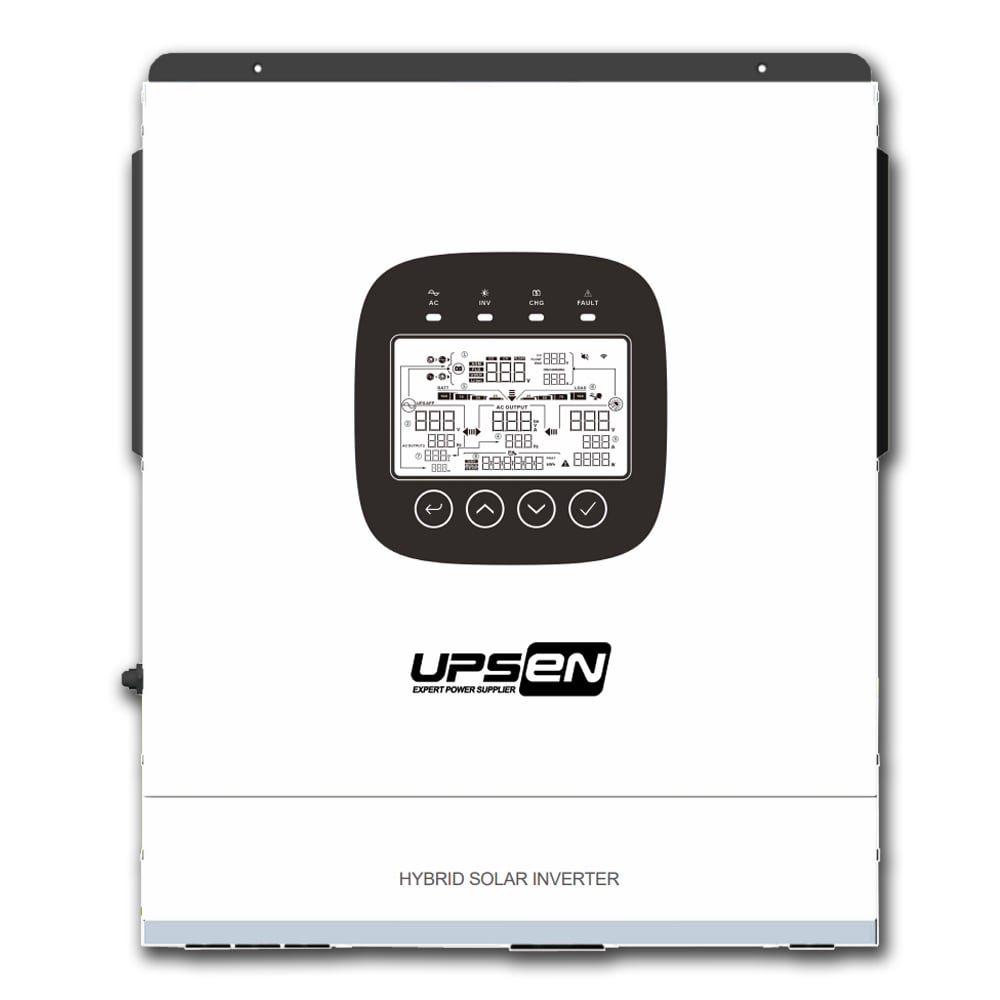
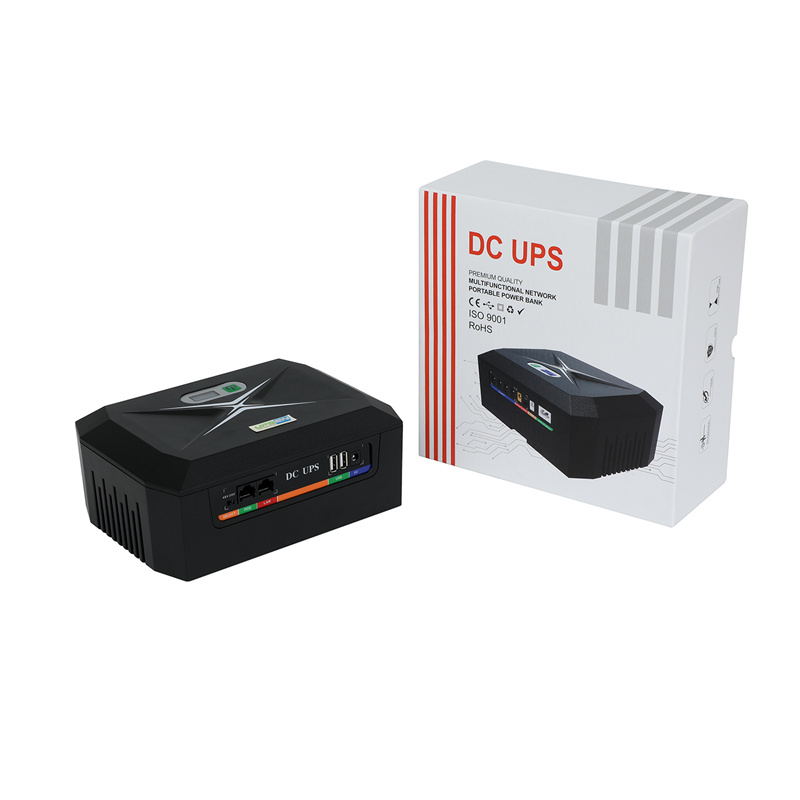
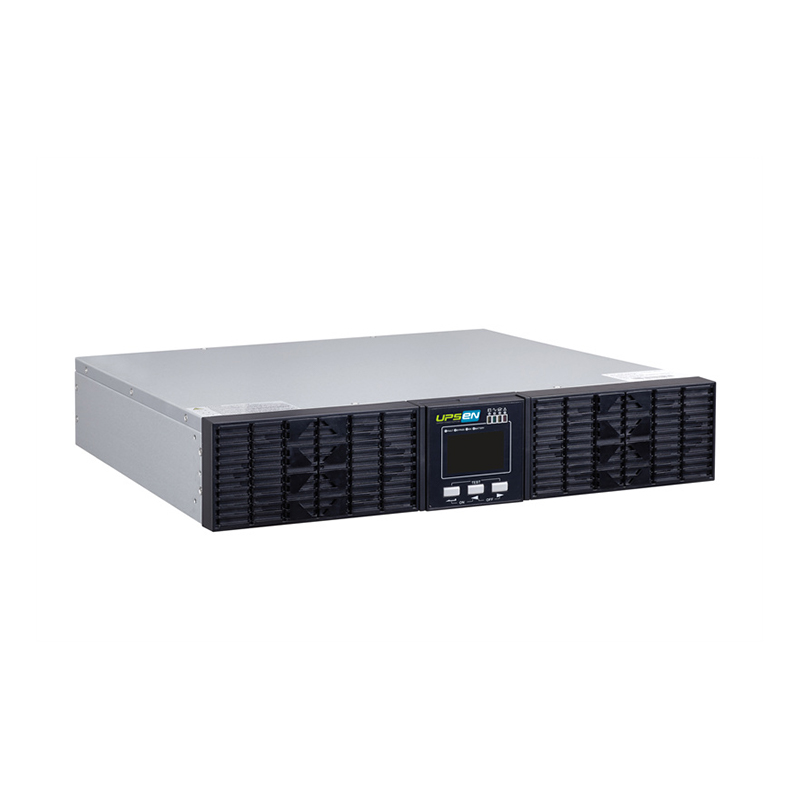
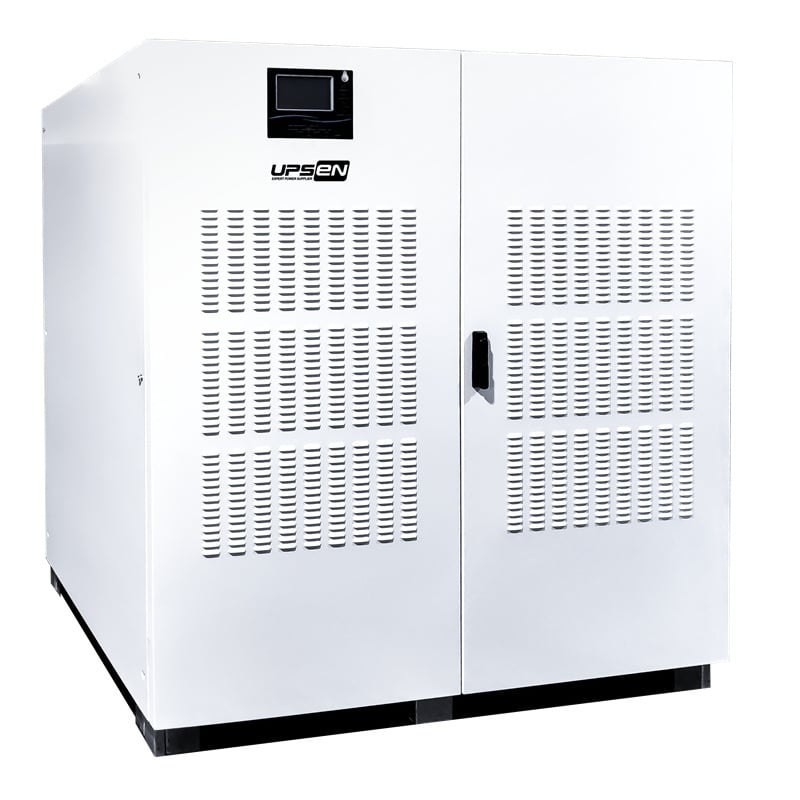
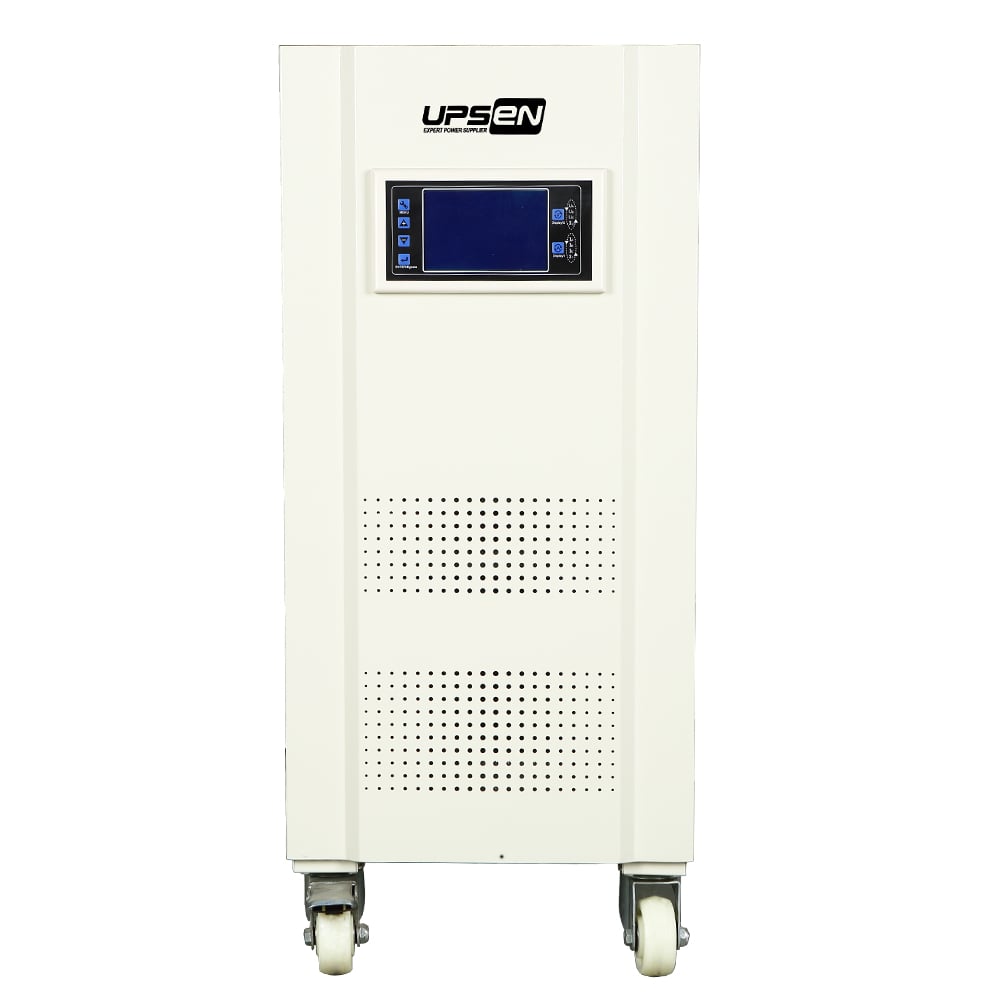
·Акылдуу жүктөрдү башкаруу үчүн эки чыгыш
·Таза синус толкуну чыгышы, Аккумуляторсуз иштөө
·500 В кең PV тизмеги кернеши батареяга кошулбаганда жүктү иштетүүгө мүмкүндүк берет (энергия жетиштүү болгондо)
·Ичке орнотулган MPPT күн энергиясы контроллеры
·LCD орнатуулары аркылуу конфигураланган AC / күн энергиясы кирүүсүнүн жана чыгышынун приоритеттери
·Кең жана тандалгыч AC кирүүсүнүн кернеши диапазону
·Батареянын ашыкча чыгышына, жүктүн ашыгына, ашыкча температурага, кыска токтун ортосундагы коргоо функциялары
·Ток түзүлгөн сайын автоматтык иштөөгө кирүү
·Салкындын башталышы функциясы, USB мониторлоо функциясы
·Опциялык WIFI жана Bluetooth интеллектуалдуу мониторлоо функциясы, ар кандай маалыматтарды көрүү үчүн мобильдик APP колдонууга мүмкүндүк берет (опциялык)
·LCD орнатуулары аркылуу ар түрлүү батареялар үчүн тандалгыч заряддоо
| Модель | RS VMH 3024 | RS VMH 5048 | RS VMH 10048 |
| Чыгыш куатынын номиналдык мааниси | 3000 ВА / 3000 Вт | 5000VA / 5000W | 10 кВА / 10 кВт |
| Чыгарылымдын форматы | L + N + PE | ||
| Нормалдуу чыгуучу чыңалуу | 208 / 220 / 230 / 240 В~ ± 5% | ||
| Чыгуу жыштыгы | 50 / 60 Гц ± 0,1% | ||
| Таңбаланыш | Таза синус толкуну | ||
| Токтук кубаттуулук | 6000ВА | 10000VA | 20000VA |
| Коорукчулук үйрөнү | Аккумулятордун иштөө режими: 1 мүнөт@102%~110% жүктөм / 10 секунд@110%~130% жүктөм 3 секунд@130%~150% жүктөм / 200 миллисекунд@>150% жүктөм |
||
| Чоңойтуу чыгымы (аккумулятордун иштөө режими) | >94% | >94% | >93% |
| Алмастыруу убакты | 10 мс | ||
| AC Киргизүү | |||
| Киргизүү форматы | L + N + PE | ||
| Номиналдык киргизүү вольту | 208 / 220 / 230 / 240 В AC | ||
| Кирүүчү вольтаждын аралыгы | Куралдардын режими: 90 ~ 280 В; ИБЭ-нын режими: 170 ~ 264 В | ||
| Кирүүчү чуку аралыгы | 50 Гц / 60 Гц (автоматтык табуу) | ||
| Макс. AC заряддоо тогу | 120A | 80A | 80 А + 80 А |
| PV киргизүү | |||
| Күн энергиясы менен заряддоо түрү | МППТ | МППТ | МППТ |
| Фотоэлектрлык модульдун макс. кирүү кубаты | 4000В | 5500W | 11000W |
| MPPT издөө кернеши диапазону | 120~430 ВТК | 120~430 ВТК | 120~430 ВТК |
| Макс. Pv кириш чыңалуу | 500 VDC | 500 VDC | 500 VDC |
| Макс. ФЭ модулунун заряддоо тогу | 120 А | 80 А | 80 А + 80 А |
| Макс. зарядка куррусу | 120 А | 80 А | 80 А + 80 А |
| Батарея | |||
| Номиналдык чыңалуу | 24 VDC | 48 VDC | 48 VDC |
| Аккумулятордун түрү | Li-ion / Кургак аккумулятор | ||
| Тамактуу Аккумулятордуу Төмөнү (Орнотууга болот) |
28,2 В DC | 56,4 В DC | 56,4 В DC |
| Токтун түзүлүшү (Орнотууга болот) | 27 VDC | 54 ВДЦ | 54 ВДЦ |
| Физикалык параметрлер | |||
| Байланыш интерфейси | USB / RS485 / CAN / Кургак контакт | ||
| Кеңейтү жолу коммуникация интерфейси | WiFi (Иштетүү мүмкүн) | ||
| Көрсөтүү | LED экран | ||
| Параллельдуу Интерфейс | Жок | Ооба | Жок |
| Иштөө чөйрөсүнүн температурасы | 0 ~ 50℃ | ||
| Сактоо чөйрөсүнүн температурасы | -15 ~ 60℃ | ||
| Жумуш Көрөмдүүлүк Чыныгы | 20%~95% (Конденсациясыз) | ||
| Иштөө бийиктиги | <2000 м | ||
| Муздатуу режими | Активдүү салкындатуу | ||
| Чыңгыс чыгаруу | ≤50db | ||
| Машина өлчөмү - Т*Б*Т (мм) | 300*450*110 | 300*450*110 | 480*620*145 |
| Пакет өлчөмү - Т*Б*Т (мм) | 400*535*226 | 400*535*226 | 580*705*261 |
| Неттук салмак (кг) | 8 | 9 | 16 |
| Жалпы салмак (kg) | 8.5 | 10 | 17 |
| Техникалык стандарт | IEC62368-1 | ||
| *Өнөмдүн техникалык сапаты өзгөртүлүшү мүмкүн, алар жарыяланбайт. | |||
Бул инвертор батареяларсыз да жалгыз күн нурунда иштейт
Офф-грид инверторлордун көпчүлүгү -тоскоолдук тудурган предположение менен бөлүшөт: алар батареянын ар дайым тизмеде болушу керек деп санайт. Эгерде сиздин батарея банкы бош болсо же анды тагын сатып алган эңсесиз — күн ортосунда панелдеринизге күн нуру түшүп жатса да, сизге эч нерсе берилбейт. RS VMH бул предположенини чыгарып салат. Жогорку 500 В PV тизмеги аркылуу ал түздан массивтен күч алып, жүктөрүңүзгө түздан берет — батарея керек эмес. Күн жогору турган сайын инвертор иштейт. Бул жалгыз айырма конвенционалдуу офф-грид инверторлорго мүмкүн болбогон, бирок практикалык күндүзгү иштөөчү көптөгөн колдонууларды ачып берет -тор инвертору жөн гана жетпейт: суу соргуу, цехтын желдетүүсү, өсүмдүктөрдү кургатуу үчүн вентиляторлор же алыскы иш жайында инструменттерди иштетүү. Батареяларды кийинчерэки кошкондо, VMH автоматтык түрдө гибриддык режимге өтөт, изилдеген күн энергиясын сактап, түнкү мезгилде резервдик электр менен камсыз кылат — ошол эле бирдик, ошол эле электр тармагы.
Жүктөрүңүздү чыныгы мааниде башкаруучу эки чыгыш
Бул сценарий ар бир оф-тордун үйчөлүгүндө ойнолот: -сиз батарея банкыңыздан тоңуттургучту, бир нече чамчыкты жана Wi-Fi маршрутизаторду иштетесиз. Андан кийин кимдир бирөө чайникти же кичинекей жылыткычты косот. Керне төмөндөйт, сигнал берүү чыгат жана анан бардыгы акыркы ампер үчүн күрөшөт. -Сааттар бою. RS VMH жүктөрүңүздү эки айрым тармакка бөлүп, биринчи тармакта өтө маанилүү жабдуулар (чамчыктар, маршрутизатор, тоңуттургуч, коопсуздук камералары) жайгашат, ал эми экинчи тармакта маанилүү эмес жүктөр (суу жылыткыч, кошумча розетка, цехтеги иш столу) жайгашат. -lCD менюсунан кайсы чыгышга приоритет берилерин аныктайсыз. Батарея белгиленип койулган деңгээлге түшкөндө, инвертор автоматтык түрдө маанилүү эмес жүктөрдү өчүрөт. -батарея белгиленип койулган деңгээлге түшкөндө, инвертор автоматтык түрдө маанилүү эмес жүктөрдү өчүрөт. -бул өтө маанилүү топ, алар зарыл нерселерди бир нече саат бою онлайн режиминде сактап жүрүшөт. Эч кандай тышкы байланыштыргыч, эч кандай кошумча -жүктөлгөндө -- Ашыкча кутуча. Ал түздөн-түз курулган. Бир аз убакыттын ичинде -электр тармагынын үйүнө же алыскы телекоммуникациялык баш калкалоочу жайга, мындай акылдуу жүктү башкаруу чектелген батарея банкын алда канча пайдалуу ресурска айлантат.
Таза синус толкуну жана ички бөлүгүндө туура MPPT
AC чыгуусу таза синус толкуну жетиштүү таза, муздаткыч компрессоруңуздун үнү чыкпайт, LED жарыктарыңыздын жарыгы өчпөйт, жана ноутбук адаптериңиздин иштеши жакшы. Алдыңкы панелинин артында, жогорку -кернеу MPPT зарядды башкаруу контроллери алгынан эле интеграцияланган. Бул арзан PWM түрүндөгү, кийинки этапта кошулган түзүлүш эмес; MPPT технологиясы ошол эле солнечный панелдердин массивинен айрыкча суук же булуттуу шарттарда (панелдин кернеу деңгээли жогору, аккумулятордун кернеу деңгээли төмөн болгондо) көпчүлүк кубат алып чыгат. Кеңири PV кернеу диапазону — 500 В DC га чейин — панелдерди узун серияларга бириктирүүгө мүмкүндүк берет, бул кабельдин чоңдугун жана узун сымдар боюнча кубаттын чыгышын азайтат. Сиз массивти туранда инверторго түз багыттап, калган ишти MPPT өзү аткарат.
Колдонуу ыкчамдыгына ылайык куралдануучу приоритеттер
Off -шеңбердеги жашоо көпчүлүк таразылаштырууларды камтыйт -жана сиздин инверторуңуз сизге чечим кабыл алууга мүмкүндүк берүү үчүн тиешелүү болушу керек. VMH-нын LCD экраны сизге кубат булагынын приоритетин түз баалоого мүмкүндүк берет. Сиз аны күн энергиясына биринчи орун берүү үчүн орното аласыз -(PV кубаты бар болгондо аны колдонуңуз, керектөөлөрдүн үстүнөн шеңберден же генератордон гана толуктагыла), шеңбер -биринчи (AC тармагынан иштейт жана аккумуляторду кыйлашылган учурлар үчүн сактайт), же булактарды аралаштырган гибриддик баланс. Чыгыш приоритети бирге иштейт: капаситет тарып калганда кайсы жүктөм тобу биринчи электр алганын чечет. AC киргизүү кернеши жана жыштыгынын диапазону кең жана тандалуучу—заттагы тармак, портативдик генератор же ойлонгон регулятор менен дизель генератору инверторду ката циклына таштабайт. Ал талаа электр энергиясын кабыл алат, аны тазалайт жана андан электр өткөрөт же аккумуляторду заряддаганда пайдаланат.
Өзү -Койдуу функциялар, алар шедге барууну азайтат
Электр тармагы же генератордун кубаты чыгып кеткенден кийин кайрадан ишке киргенде, VMH автоматтык түрдө кайра иштей баштайт — инвертордун панелине чыгып, түймөнү басуу керек эмес. Салкын старт мүмкүнчүлүгү деген сөз — AC кирешеси толугу менен жок болгондо да, батареянын бир гана көмөгү менен аны иштетүүгө болот. Кышында бош турган мезгилдик үй үчүн бул өтө маанилүү: инвертор сиз келгенге чейин оффлайн турат, андан кийин батарея банкынан кубат алып, жүктөрдү башкаруу иштерин баштайт. USB мониторлоо локалдык орнотуу үчүн ноутбук аркылуу стандарттуу, бирок чын удалёндуу ыңгайлык WiFi же Bluetooth модулдары аркылуу камсыз кылынат. Алар орнотулганда, PV өндүрүшүн, жүктүн тартуусун, батареянын абалын жана ката журналын мобильдик колдонмо аркылуу текшерсеңиз болот. Эгерде сиз бир нече саат узактыкта жайгашкан сайтты башкарып жатсаңыз, бул көрүнүш сизге барганга чейин нерсе болуп жатканын билүүгө мүмкүндүк берет.
Аккумулятордун химиялык составы — сиздин тандооңуз
VMH сизди белгилүү бир батарея түрүнө түртпөйт. LCD аркылуу химиялык түрүн тандаңыз — суу толтурулган коргошун -кислоталуу, герметикеленген AGM, гель же литий (LiFePO4) — жана инвертор тиешелүү заряддагы кернеэ жана токтотуу профилин колдонот. Эгерде сиздин аккумулятор өндүрүүчүңүз белгилүү бир нерсе көрсөтсө, порогдун маанисин кол менен да өзгөртүүгө мүмкүндүк бар. Бул иштөө өзгөрүштүүлүгү сизге арзан кургак аккумуляторду колдонууга жана андан кийин инверторду алмаштырбай-ақ литийге өтүүгө мүмкүндүк берет.
Коргоо системасы, бирок ал 'күчтүү коргоо' дегендей чыгышпайт
Чоң -разряддан, жүктөмдөн ашып кетүүдөн, ашыкча -температуралык жана кыска токтун коргоосу бар, жана алар белгилүү бир төзүмдүүлүк менен иштейт. Мезгилдик чыңалуу — мисалы, тоңуткучтун компрессору ишке киргендеги — инвертордун толук өчүшүнө алып келбейт, эгерде ал чыныгы коркунучтуу болбосо. Курал өтүштөрдүн аркылуу өтүүгө аракет кылат жана электр энергиясын берүүнү уланта берет, бул сиз үчүн өтө маанилүү, анткени сиз жакындагы кургак магазинга чейин үч саат жолдо болуп, электр энергиясына таптакыр кадам таштаганда.
RS VMH кайда жайгашат
VMH түзөлүшү боюнча офф- -тормоздун жана чек аралык -нын -тормоздун колдонулушу үчүн түзөлгөн, бул жерде өз алдынчылык, жүктөмдүн башкаруусу жана күн энергиясын пайдалануу таза чоң пик ватттардан көбүрөөк мааниге ээ:
`Off -генераторсуз иштеген тор тутумдагы кабиналар жана кичинекей үйлөр
`Күндүзгү жарык, шамалдаткычтар жана байланыш үчүн электр энергиясынын биринчи орунда турган айыл мектептери жана саламаттык пункттары
`Көзөмөлдөн таштап койулган жүктөрдү башкаруу керек болгон алыскы көзөмөл станциялары жана теле-коммуникациялык бекеттери
`Күндүзгү күн нурунан туздан-туз иштеген суу чыгаруу жана суу менен кошулган системалар
`Аккумулятор банкасы орнотулганга чейин убактылуу AC электр энергиясы керек болгон цехтар жана иштөөчү аянттар
Эгерде аккумулятордун үчүн токтогон болсоңуз -традициондык инвертордун биринчи чектөөсү, RS VMH — башка ойлонуу ыкмасы. Ал күндүз күн нурунун күчүн пайдаланат, жүктөрдү акылдуу бөлөт жана тек гана зарыл болгондо гана сакталган энергияга таянат. Бул — практикалык жана ишенимдүүрөк түрдөгү оф-тор тутумдагы электр энергиясы — жана бардыгы бир гана коробкага сыйат, ал эми баштаганда аккумулятор керек эмес. -оф-тор тутумдагы электр энергиясы — жана бардыгы бир гана коробкага сыйат, ал эми баштаганда аккумулятор керек эмес.

кытайдын Шэньчжэнь шаары, Баоань району, Синцяо уруусу, Чжунсин жолу менен Хаосянг жолунун кесилүүсүндөгү Тонгфанг Борбору, 1409–1410.
© Шэньчжэнь UPSEN Электрондук Ко., Лтд. Бардык укуктар кадырланат. Купуялык саясаты
 EN
EN