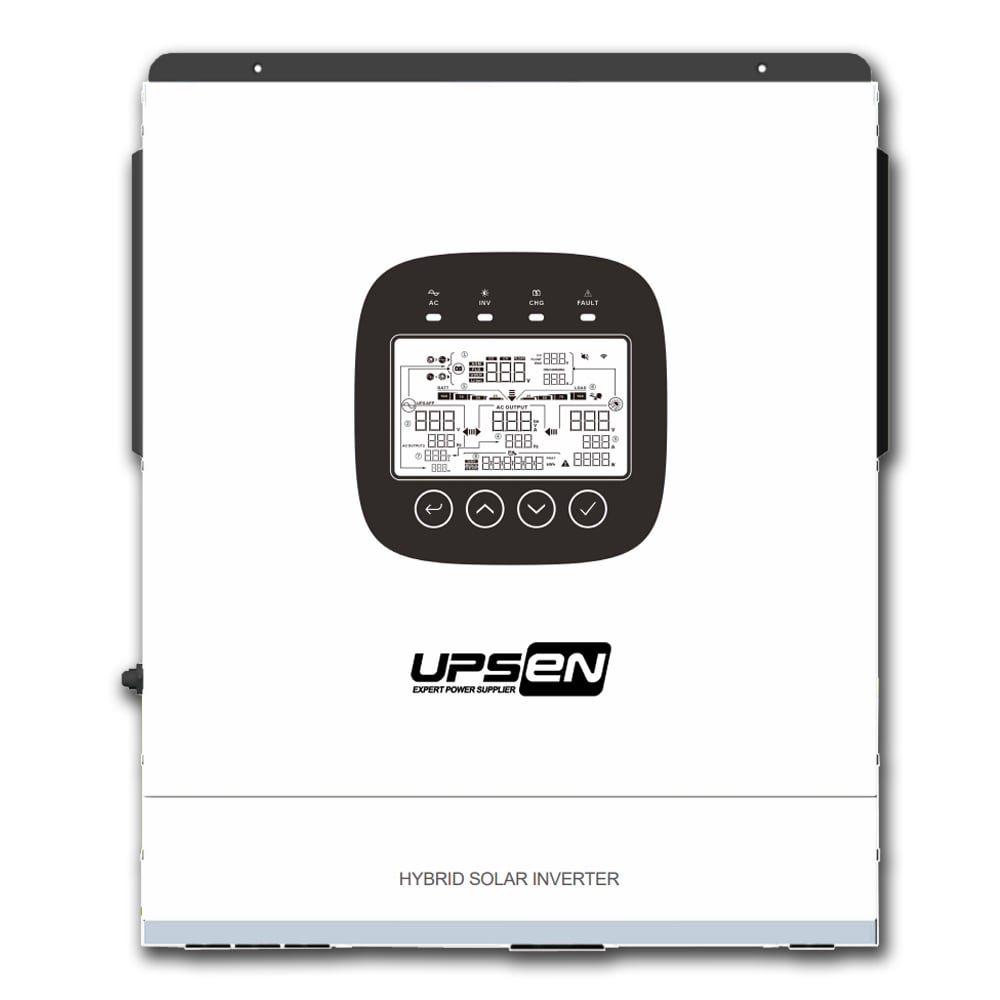
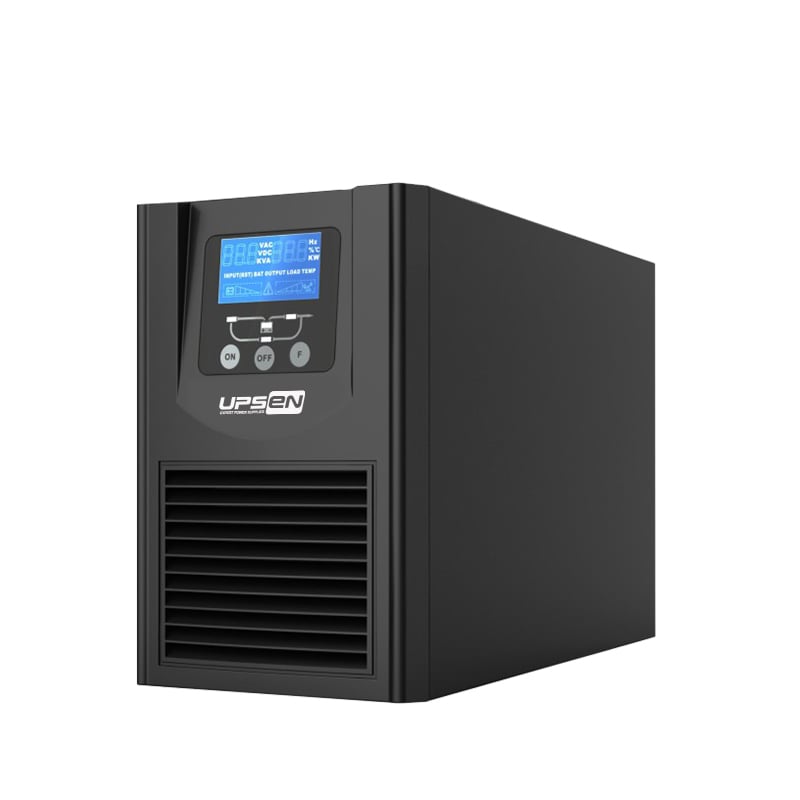
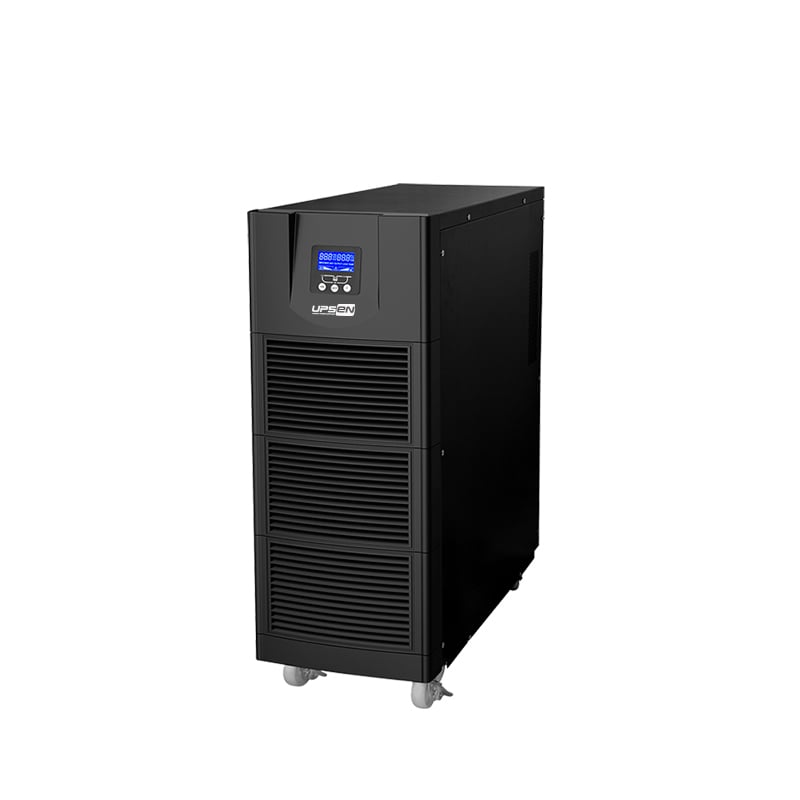
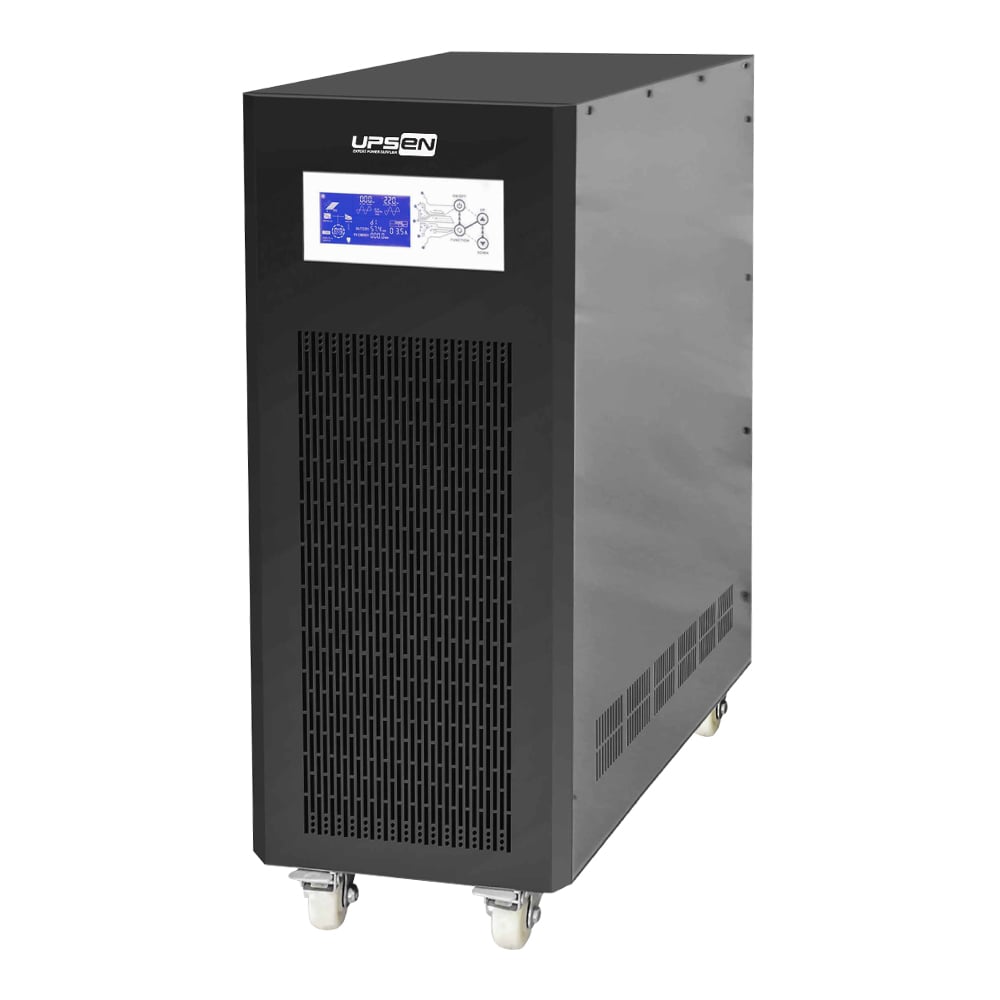
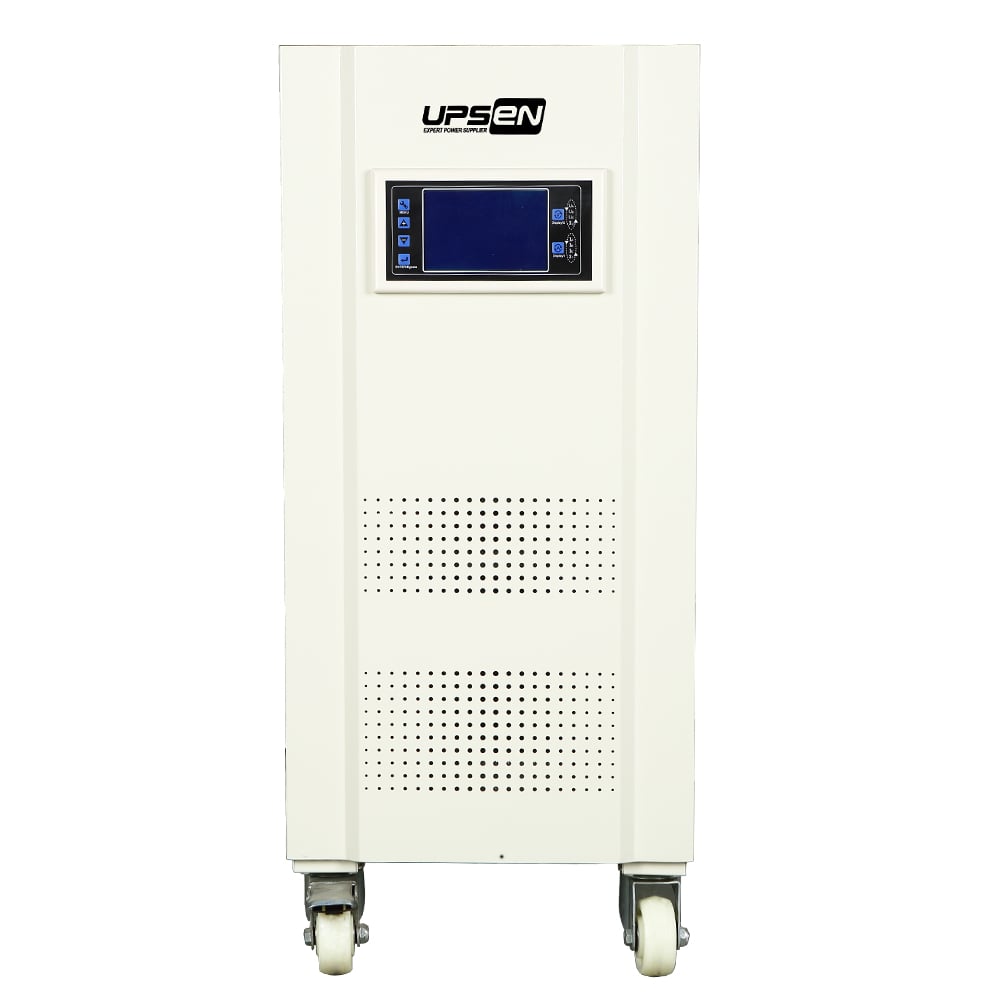
·Kahekordne väljund, nutukas koormushaldus
·Puhast sinusoidne väljund, töötamine ilma akuta
·500 V lai päikesepaneeli ahela pinge võimaldab koorma toimetamist ilma akuga ühendatuna (kui energiat on piisavalt)
·Sisseehitatud MPPT päikesekontroller
·Konfigureeritav vahelduvvoolu / päikeseelektri sisendprioriteet ja väljundprioriteet LCD-seadistuste kaudu
·Lai ja valitav vahelduvvoolu sisendpinge vahemik
·Mitmeülesanne akukaitse: ülelaadimine, ülekoormus, ülekuumenemine, lühike haare
·Automaatne sisselülitumine pärast võrgutoite taastumist
·Külma käivitamise funktsioon, USB jälgimisfunktsioon
·Valikuline WIFI- ja Bluetooth-täisjuhtimisfunktsioon, toetatud mobiilirakendus andmete vaatamiseks (valikuline)
·Erinevate aku tüüpide valikuline laadimine LCD-seadistuste kaudu
| Mudel | RS VMH 3024 | RS VMH 5048 | RS VMH 10048 |
| Nominaalne väljundvõimsus | 3000 VA / 3000 W | 5000 VA / 5000 W | 10 kVA / 10 kW |
| Väljundvorming | L + N + PE | ||
| Nimetatud väljundping | 208 / 220 / 230 / 240 VAC ± 5 % | ||
| Väljalaske sagedus | 50 / 60 Hz ± 0,1 % | ||
| Lainevorm | Puhas sinuslaine | ||
| Tippvõimsus | 6000VA | 10000VA | 20000VA |
| Ülekoormuse võimsus | Akumulaatorirežiim: 1 min @ 102–110 % koormus / 10 s @ 110–130 % koormus 3 s @ 130–150 % koormus / 200 ms @ >150 % koormus |
||
| Maksimaalne tõhusus (Akurežiim) | >94% | >94% | >93% |
| Ülekandmise aeg | 10 ms | ||
| AC sisend | |||
| Sisendvorming | L + N + PE | ||
| Nimetus voltige puhul | 208 / 220 / 230 / 240 VAC | ||
| Sissevoolutusvahemik | Seadme režiim: 90–280 V; UPS-režiim: 170–264 V | ||
| Sisendi sagedusala | 50 Hz / 60 Hz (automaatne tuvastus) | ||
| Maksimaalne vahelduvvoolu laadimisvool | 120A | 80A | 80 A + 80 A |
| PV sisend | |||
| Päikesepaneelide laadimistüüp | MPPT | MPPT | MPPT |
| PV maksimaalne sisendvõimsus | 4000 W | 5500W | 11000W |
| MPPT jälgimispinge vahemik | 120–430 VDC | 120–430 VDC | 120–430 VDC |
| Maks. PV sissetuleva pinge | 500 VDC | 500 VDC | 500 VDC |
| Maksimaalne PV laadimisvool | 120 A | 80 A | 80 A + 80 A |
| Maksimaalne laadimisvool | 120 A | 80 A | 80 A + 80 A |
| Aku | |||
| Nominaalne pinge | 24 VDC | 48 VDC | 48 VDC |
| Akuni liik | Li-ioon / Plaadiakumulaator | ||
| Püsiv laadimispinge (Saab seadistada) |
28,2 VDC | 56,4 VDC | 56,4 VDC |
| Ujulaadimispinge (saab seadistada) | 27 VDC | 54 VDC | 54 VDC |
| Füüsilised parameetrid | |||
| Sideehituse liides | USB / RS485 / CAN / Kuiv kontakt | ||
| Laienduspesa suhtlusliides | WiFi (valikuline) | ||
| Näitus | LED-ekraan | ||
| Rööpliides | Pole saadaval | Jah | Pole saadaval |
| Töökeskkonna temperatuur | 0–50 °C | ||
| Säilituskeskkonna temperatuur | -15–60 °C | ||
| Töökõlbliku keskkonna niiskus | 20–95 % (kondensatsioonita) | ||
| Töökõrgus | <2000 m | ||
| Külmutusrežiim | Aktiivne jälgmine | ||
| Müraheide heitkogused | ≤50db | ||
| Seadme mõõtmed – laius*kõrgus*sügavus (mm) | 300*450*110 | 300*450*110 | 480*620*145 |
| Pakendi mõõtmed – laius*kõrgus*sügavus (mm) | 400*535*226 | 400*535*226 | 580*705*261 |
| Netoväärtus (kg) | 8 | 9 | 16 |
| Kogukaal (kg) | 8.5 | 10 | 17 |
| Turvakindlus | IEC62368-1 | ||
| *Toote tehnilised andmed võivad muutuda ilma eelneva teatamiseta. | |||
Töötab ainult päikesevalgusel, isegi akuteta
Enamik võrgust sõltumatuid -pöördvooluvertereid jagab tüütav eeldus: nad eeldavad alati akusüsteemi olemasolu. Kui teie akupank on tühjenenud või kui te pole veel akusüsteemi ostnud, ei saa te midagi, isegi siis, kui päike paistab täielikult teie paneelidel. RS VMH viskab selle eelduse kõrvale. Laiu 500 V PV-ahela tõttu saab see võtta voolu otse päikesepaneelide massiivist ja toita kohe oma tarbijaid ilma akuta. Niikaua kui päike paistab, töötab pöördvooluverter. See üks erinevus avab laia valiku praktilisi ainult päevases ajas kasutatavaid rakendusi, mida tavapärane võrgust sõltumatu -võrguinverter ei suuda seda üldse võrrelda: vee pumbamine, töökoha ventilatsioon, saagikute kuivatusventilaatorid või tööriistade kasutamine kaugel töökohtadel. Kui hiljem lisate akud, lülitub VMH ilma katkestusteta hübridrežiimi, salvestades üleliiased päikesepaneelide toodetud energiakogused ja tagades varuenergia öösel — sama seade, sama juhtmete paigaldus.
Kahekordne väljund, mis tegelikult haldab teie koormusi
See stsenaarium esineb igas võrgust lahti asuvas -kodus: teie akupank toidab külmkappi, mõnda lambit ja Wi-Fi marsruutijat. Siis keegi lülitab sisse kahvlikat või väikse soojendusseadme. Pinge langeb, alarm heliseb ja äkki võitlevad kõik seadmed viimase amperiga. -Tundideks. RS VMH võimaldab jagada teie koormused kahe eraldi ringi vahel — üks oluliste seadmete jaoks (valgustid, marsruutija, külmkapp, turvakaamerad) ja teine mitteoluliste koormuste jaoks (veesoojendaja, täiendav pistikpesa, töökoharada). LCD-menis saate määrata, milline väljund saab eelisõiguse. Kui aku laebumistaseme langemisel saavutatakse etteantud piir, lülitab invertor automaatselt välja mitteolulised koormused. -oluliste koormuste (veesoojendaja, täiendav pistikpesa, töökoharada) ja üks mitteoluliste koormuste jaoks (veesoojendaja, täiendav pistikpesa, töökoharada). LCD-menis saate määrata, milline väljund saab eelisõiguse. Kui aku laebumistaseme langemisel saavutatakse etteantud piir, lülitab invertor automaatselt välja mitteolulised koormused. -olulised koormused (veesoojendaja, täiendav pistikpesa, töökoharada). LCD-menis saate määrata, milline väljund saab eelisõiguse. Kui aku laebumistaseme langemisel saavutatakse etteantud piir, lülitab invertor automaatselt välja mitteolulised koormused. -kriitiline rühm, hoiab oma olulised asjad internetis tundide pikemaks. Väline kontakt, ei lisa -töötas laadimisel -- Võtke see ära. See on sisse ehitatud. Väikeses osas. -võrgustiku koduks või kaugelekantud telekommunikatsiooni varjupaigaks, see intelligentset koormusjuhtimist muudab piiratud akupank palju kasulikumaks ressurssiks.
Puhas sinuslaine ja õige MPPT sees
AC väljund on puhas sinuslaine piisavalt puhas, et teie külmkapi kompressor ei sumise, teie LED-tuled ei vilku ja teie sülearvuti adapter töötab jah. Eespaneeli taga on kõrge -pinge MPPT laadimise reguleerija on juba integreeritud. See ei ole odav PWM, mis on peale mõelnud; MPPT pigistab samast voolupaneelist oluliselt rohkem võimsust, eriti külmadel või pilvedel tingimustel, kui paneeli pinge on kõrge ja aku pinge madal. Lai PV-pingevahemik kuni 500 V DC võimaldab paneele pikemasse seeriasse siduda, vähendades nii kaablite suurust kui ka võimsuse kadu pikema käigu korral. Sa ühendad voolukogumi otse inverterisse ja lased MPPT-l ülejäänu teha.
Konfigureeritavad eelistused, et sobida teie tegeliku võimsuskasutusega
Välja lülitatud -võrgus elamine on täis kompromisse -, ja teie invertor peaks andma teile otsustusõiguse. VMH LCD-ekraan pakub lihtsat juhtimist võimsusallika eelistuste üle. Saate seadistada selle päikesepõhjaseks (kasutada päikeseenergiat alati, kui see on saadaval, täiendada vajadusel võrgust või generaatorist), võrgupõhjaseks (töötada vahelduvvoolu all ja salvestada akut väljaütete jaoks) või hübriidse tasakaalaga, mis segab erinevaid allikaid. Väljundprioriteet töötab koos: otsustage, milline koormusgrupp saab esmalt võimsust, kui võimsus on piiratud. Vahelduvvoolu sisendpinge ja sagedusvahemik on lai ja valitav – nõrk võrguühendus, kanduv generaator või diisligeneraator ebastabiilse regulaatoriga ei põhjusta invertoril vea tsüklit. See aktsepteerib ebakvaliteetset võimsust, puhastab seda ja kasutab seda kas edastamiseks või aku laadimiseks. -esimesena (kasutada päikesepaneelide energiat alati, kui see on saadaval, täiendada vajadusel võrgust või generaatorist), võrgu -esimesena (töötada vahelduvvoolu all ja salvestada aku väljaütete jaoks) või hübriidse tasakaalaga, mis segab erinevaid allikaid. Väljundprioriteet töötab koos: otsustage, milline koormusgrupp saab esmalt võimsust, kui võimsus on piiratud. Vahelduvvoolu sisendpinge ja sagedusvahemik on lai ja valitav – nõrk võrguühendus, kanduv generaator või diisligeneraator ebastabiilse regulaatoriga ei põhjusta invertoril vea tsüklit. See aktsepteerib ebakvaliteetset võimsust, puhastab seda ja kasutab seda kas edastamiseks või aku laadimiseks.
Ise -Piisavuse funktsioonid, mis vähendavad käike varustushoones
Kui võrgu- või generaatoritoitus taastub pärast katkestust, käivitub VMH automaatselt uuesti – ei ole vaja välja minna invertoripaneeli juurde ja nuppu vajutada. Külmkäivitusvõime tähendab, et saate selle käivitada ainult akust, isegi kui AC-sisend on täielikult välja lülitatud. See on kriitilise tähtsusega hooajalisel puumajas, kus talvel pole kedagi – invertor võib olla väljaspool kasutust seni, kuni te saabute, ja seejärel käivituda akupanga abil ning alustada koormuste juhtimist. USB-seire on standardne kohaliku seadistamise jaoks sülearvutiga, kuid tõeline kaugseire mugavus tuleneb valikulisest WiFi- või Bluetooth-moodulist. Nende paigaldamisel saate mobiilirakendusest jälgida päikesepaneelide tootmist, koormuse tarbimist, aku seisundit ja vealogisid. Kui te haldate objekti, mis asub mõni tund sõidu kaugusel, annab see ülevaade teile teada juba enne sõitmist.
Akukemikaal on teie valik
VMH ei sunni teid kindla akutüübi kasutama. LCD-ekraanil valite akukemikaalia – lekevad plii- -happe-, hermetiseeritud AGM-, geel- või liitium (LiFePO4) akud — ja invertor rakendab sobivat laadimispinget ja ujumisrežiimi. Samuti on võimalik käsitsi kohandada läveväärtusi, kui teie akutootja soovib midagi konkreetset. See paindlikkus tähendab, et saate alustada odava pliiuakuga ja hiljem üle minna liitiumakule ilma invertori vahetamata.
Kaitse, mis ei karjus pidevalt 'lõvi!'
Lõpetatud -lahutumine, ülekoormus, üle -temperatuur ja lühisühendus on kõik olemas ning need toimivad kindla püsivusega. Ajutine tippkoormus — näiteks külmikukompressori käivitumine — ei põhjusta invertori täielikku väljalülitumist, kui see pole tegelikult ohtlik. Seade üritab transientsid läbi elada ja jätkata võimsuse tarnimist, mis ongi just see, mida soovite, kui olete kolm tundi kaugel lähimast kodumajapidamispoest.
Kus RS VMH sobib
VMH on loodud otse off- -grid- ja äärealade -of -grid-rakenduste jaoks, kus olulisemad on iseseisvus, koormuse reguleerimine ja päikesepaneelide kasutamine kui lihtsalt maksimaalne võimsus.
`Välja lülitatud -võrgusüsteemid ja väikese suurusega majad, mis soovivad oluliste seadmete tööd käivitada ilma generaatorita
`Maapiirkondades asuvad koolid ja tervishoiuasutused, kus päevavalguse, ventilaatorite ja sidevahendite toitevarustus on esmane prioriteet
`Kaugselt jälgitavad monitorimisjaamad ja telekommunikatsiooni kaitsekohad, millel on vaja automaatselt toimivat koormushaldust
`Vee pumbatamise ja kastmise süsteemid, mis saavad päeval otse päikesepaneelidelt toimetada
`Töökohad ja ehitusplatsid, kus on vajalik ajutine vahelduvvoolutoide enne akupanga paigaldamist
Kui teid on takistanud aku -on konventsionaalse invertori esimene piirang; RS VMH on teistsugune mõtlemisviis. See võimaldab päikesele päeval täita raskemat tööd, haldab koormaid intelligentselt ja kasutab salvestatud energiat ainult siis, kui seda tõesti vajatakse. See on praktilisem ja paindlikum tüüpi võrgust lahus toitevarustus – ja kogu süsteem mahub ühte kasti, mille käivitamiseks ei ole aku vajalik. -grid power—and it all fits inside a single box that doesn't demand a battery to get started.

tongfang Center, nr 1409–1410, Zhongxin tänav ja Haoxiang tänav ristumiskoha juures, Xinqiao tänav, Bao'an ringkond, Shenzhen, Hiina.
Autoriõigus © Shenzhen UPSEN Electronic CO., LTD. Kõik õigused kaitstud Privaatsuspoliitika
 EN
EN