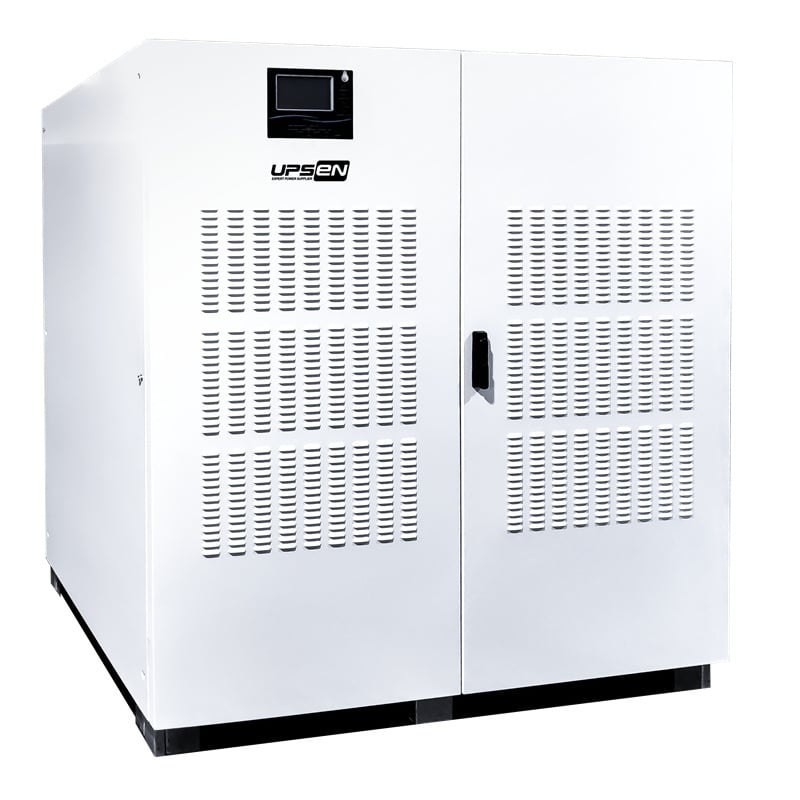
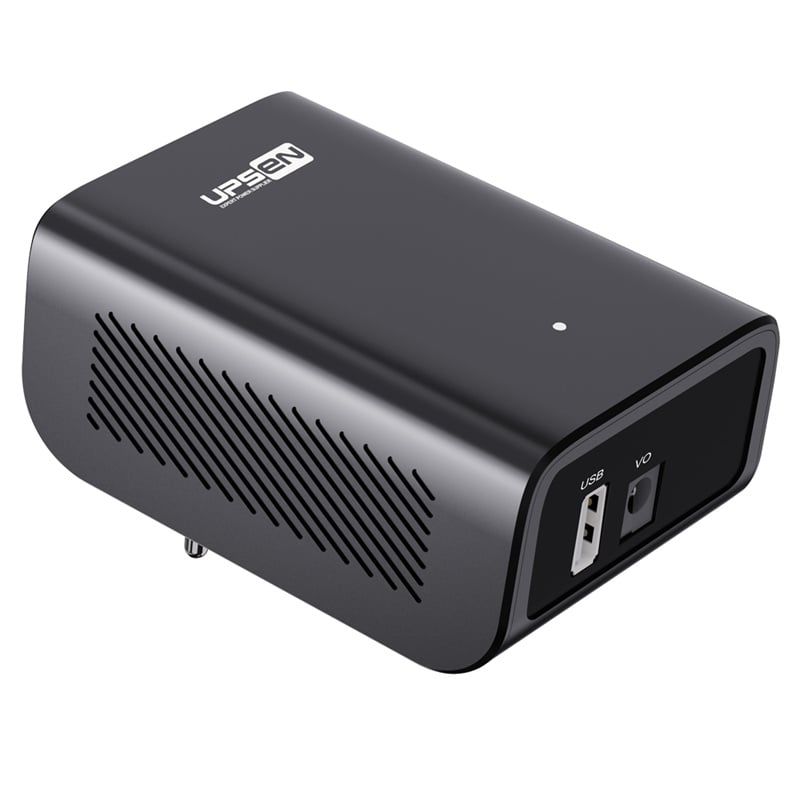
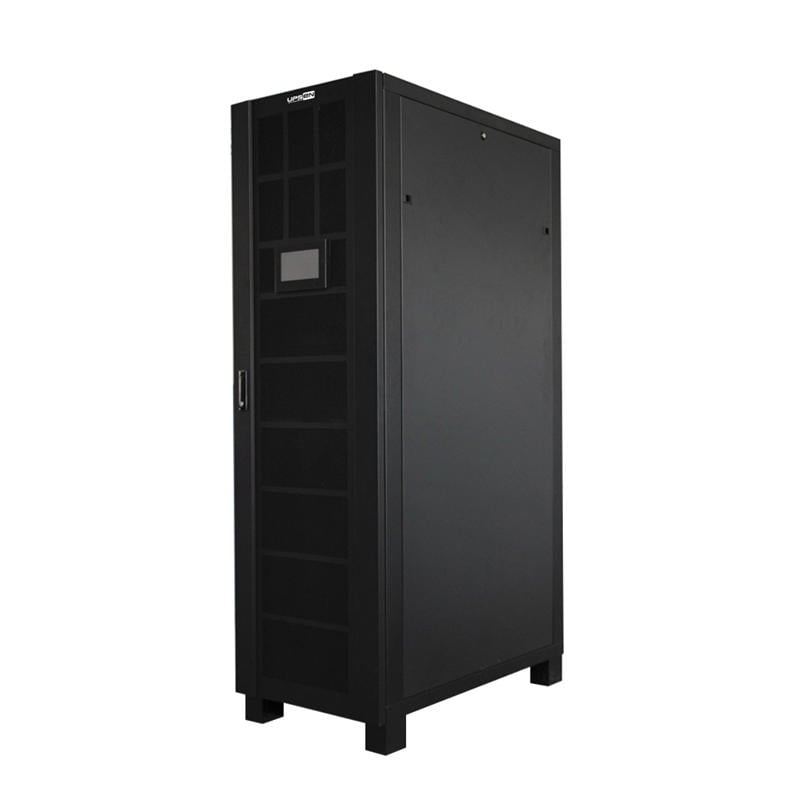
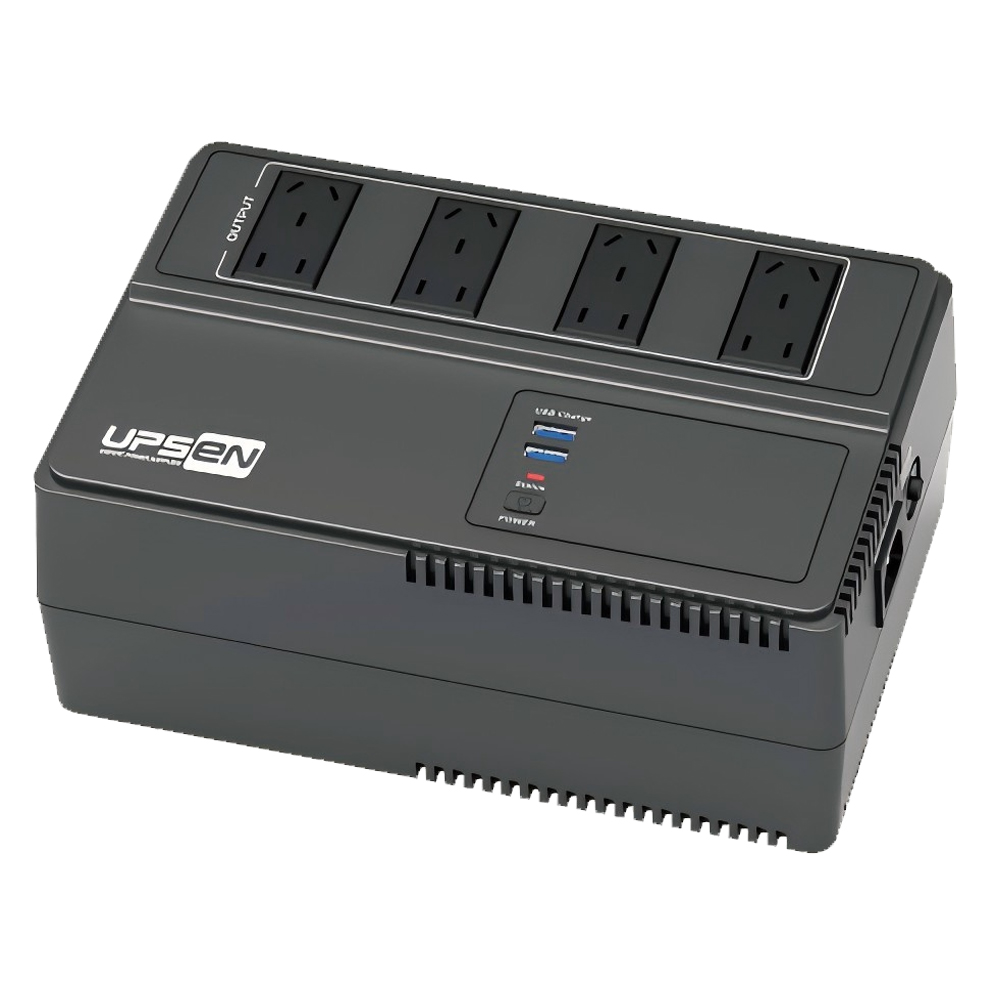
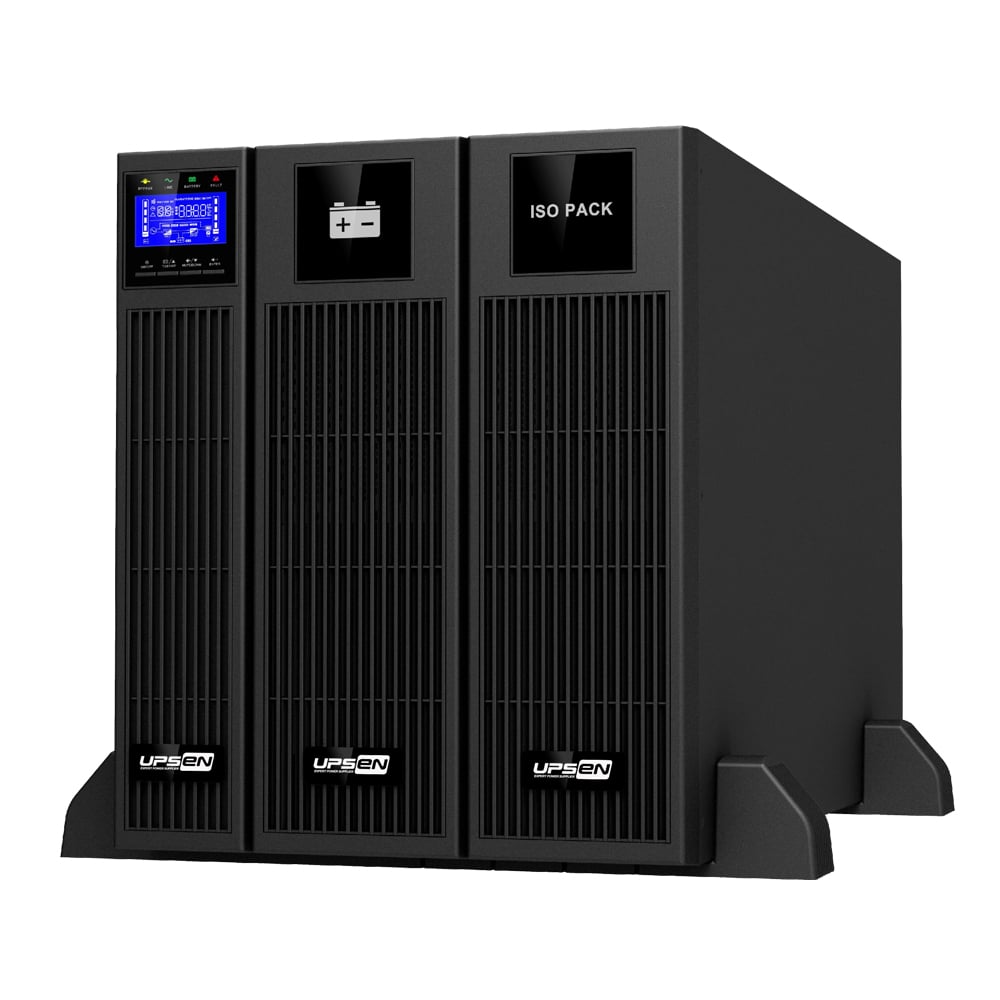
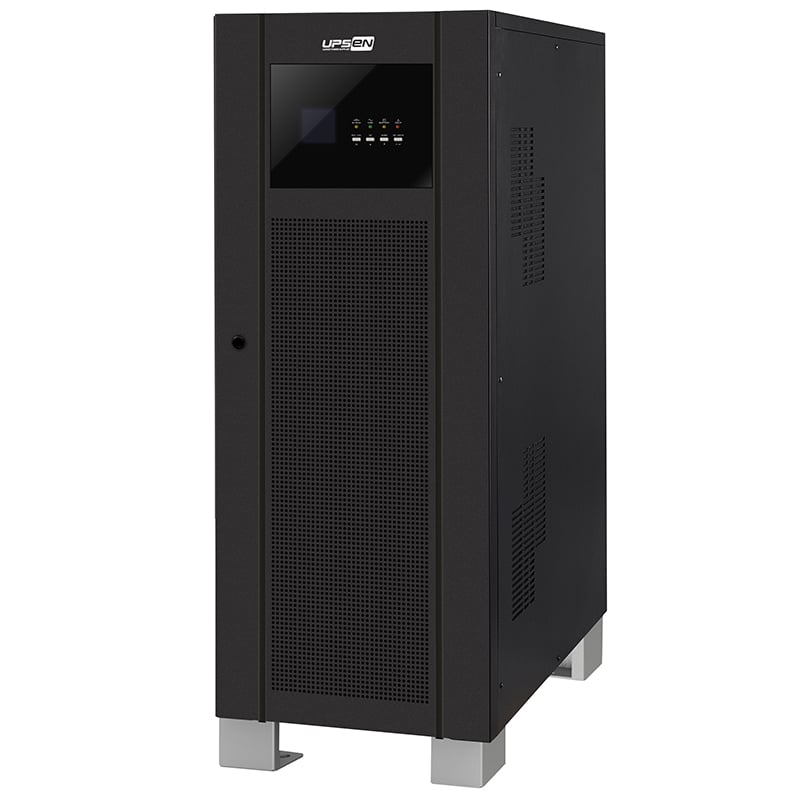
. မြင့်မားတဲ့ ယုံကြည်မှုရှိပြီး ဈေးကွက်မှာ ထိန်းသိမ်းထားတယ်။
dSP နှစ်မျိုးသုံးပြီး ဒစ်ဂျစ်တယ် ထိန်းချုပ်မှု နည်းပညာသုံးပြီး စနစ်ဟာ ပိုမိုတည်ငြိမ်ပါတယ်။
. ပိုအားကောင်းတဲ့ ဝန်ထုပ်ဆောင်မှု စွမ်းဆောင်ရည်နဲ့ အပြင်ထွက် အိုင်ဆိုလိတ်ရေး ထရန်စဖာမာ ထည့်သွင်းထားတယ်။
. ဗဟိုပြု အဝေးပြေးအခန်းမရှိဘဲ အဆင့်မြင့် ဗဟိုမောင်းနှင်တဲ့ ကိုယ်ပိုင် အပြိုင် နည်းပညာဟာ အပြိုင် ၆ ခုအထိ ရရှိနိုင်ပါတယ်။
ားထက်မြက်သော ဘက်ထရီစီမံခန့်ခွဲမှုလုပ်ဆောင်ချက်၊ ဘက်ထရီစက်ကြိမ်အလိုအလျောက်စစ်ဆေးခြင်း၊ ဘက်ထရီ EOD အချိန်အလိုအလျောက်ညှိခြင်း၊ ဘက်ထရီများကို အလိုအလျောက်ထိန်းသိမ်းခြင်းဖြင့် ဘက်ထရီသက်တမ်းကို ပိုမိုရှည်လျားစေပါသည်။
၅.၇ လက်မ LCD ပြသခြင်း၊ တရုတ်ဘာသာနှင့် အင်္ဂလိပ်ဘာသာဖြင့် ပြသသည့် အင်တာဖေး၊ UPS ၏ အလုပ်လုပ်မှုအခြေအနေအချက်အလက်များကို အသုံးပြုသူများအား တိကျစွာ
ပြသပေးခြင်း၊ အသုံးပြုရန် အလွယ်တက်သော စီမံခန့်ခွဲမှု။
· အလွတ်သော လေပေါက်လမ်းကြောင်းနှင့် အပိုပေါက်လမ်းကြောင်းဒီဇိုင်း၊ စီးကွင်းပေါ်ရှိ ပေါ်လ်ဘုတ်အားလုံးကို သုံးကြိမ် အလွှာထုတ်ခြင်းဖြင့် ကာကွယ်ထားခြင်း၊ အမှုန်မှုန်ကာကွယ်ရေး ဖီလ်တာအတွင်းပါဝင်ခြင်း၊ မသေချာသော ပတ်ဝန်းကျင်တွင် ထိရောက်သော အပူပေါက်ခြင်းနှင့် ကာကွယ်မှုစွမ်းရည်ရှိခြင်း။
စံသတ်မှတ်ထားသော ဘက်ထရီဖြန့်ဖြူးရေး ဆက်သွယ်မှုကိရိယာ၊ ဘက်ထရီဗို့အားနိမ့်ကျလာပါက ဘက်ထရီကို အလိုအလျောက် ဖြတ်လောက်ပါသည်။ ထိုသို့ဖြင့် ဘက်ထရီကို အလွန်အမင်း အားသုတ်ခြင်းမှ ကာကွယ်ပေးပါသည်။ ဘက်ထရီသက်တမ်းကို ပိုမိုကောင်းမွန်စွာ အာမခံပေးပါသည်။
အထူးပြုထားသော စွမ်းအင်ပြန်လည်စုပ်ယူမှုကိရိယာသည် ပြန်လည်ပေးပ်သည့် လော့ဒ်အတွက် သင့်တော်ပါသည်။
· ရွေးချယ်စရာ မီက်ဆာသည် ဘက်ထရီပက်က်ကို မျှဝေအသုံးပြုနိုင်သော လုပ်ဆောင်ချက်ကို ပေးစေပါသည်။ အသုံးပြုသူများအတွက် ဘက်ထရီစရိတ်ကို စုစုပေါင်းသက်သောက်စေပါသည်။
| မော်ဒယ် | LX33 10K | LX33 15K | LX33 20K | LX33 30K | LX33 40K | LX33 60K | LX33 80K | LX33 100K | LX33 120K | LX33 160K | LX33 200K | LX33 300K | LX33 400K |
| အမျှတသော စွမ်းအား (VA) | 10KVA | 15kva | 20KVA | 30kva | 40KVA | 60kva | ၈၀ KVA | 100KVA | ၁၂၀ KVA | 160KVA | ၂၀၀ KVA | 300KVA | ၄၀၀KVA |
| အက်တစ်ပါဝါ (W) | 9KW | 10KW | 18KW | 27kw | 36KW | 54kw | ၇၂ကွ | 90KW | 108kw | 144KW | 180kW | ၂၇၀ ကီလိုဝပ် | ၃၆၀ ကီလိုဝပ် |
| Input | |||||||||||||
| အားလပ်အওေးအကွာအဝေး | 380 / 400 / 415Vac (-25%~ +20%) သုံးဖောက်တွေအတွက် ငါးခုလုံးပါ လျှပ်စစ်ကြိုး | ||||||||||||
| ကြိမ်နှုန်းအကွာအဝေး | ၅၀/၆၀ ဟာတဇ် ± ၅ ဟာတဇ် အလိုအလျောက် စိစိမ်းသိရှိခြင်း | ||||||||||||
| စွမ်းအားကိန်း | ≥၀.၈ (ဖီလ်တာမပါသောအခါ)၊ ≥၀.၉၅ (ဖီလ်တာပါသောအခါ) | ||||||||||||
| အဆင့်သတ်မှတ် Current | 18A | ၂၈A | 37A | 56A | ၇၄A | ၁၁၂A | 148A | 185A | ၂၂၄A | 298A | 371A | 557A | 742A |
| ထုတ်ကုန် | |||||||||||||
| အဆင့်သတ်မှတ် Voltage | ၃၈၀/၄၀၀/၄၁၅ ဗို့အား AC ± ၁% | ||||||||||||
| အကြိမ်နှုန်း | 50/60HZ | ||||||||||||
| အကြိမ်နှုန်း တည်ငြိမ်မှု | ဘက်ထရီမုဒ်တွင် ၅၀/၆၀ (±၀.၀၅%) ဟာတဇ် | ||||||||||||
| လျှပ်စစ်လှိုင်းပုံစံ | အင်းလှိုင်း | ||||||||||||
| စွမ်းအားကိန်း | ၀.၉ (နောက်ကောက်) | ||||||||||||
| စုစုပေါင်းဟာရ်မွန်းဒစ္တာရှုံးခြင်း | ≤၃% (လိုင်နီယာ လော့ဒ်)၊ ≤၅% (မလိုင်နီယာ လော့ဒ်) | ||||||||||||
| အလွန်အမင်း သယ်ဆောင်နိုင်မှု | ၁၁၀%/၁၂၅%/၁၅၀% ကြေးနောက်ဆုံး ၆၀ မိနစ်/၁၀ မိနစ်/၁ မိနစ် | ||||||||||||
| ခေါင်းဖောက်ပုံစံ | 3:1 (အမျှော်) | ||||||||||||
| ရွေ့လျှော့ခြင်းအချိန် | အိုင်မ်စ်၊ ပုံမှန်မုဒ်မှ ဘက်ထရီမုဒ်သို့ (သို့မဟုတ်) အလားတူပြောင်းလဲခြင်း | ||||||||||||
| အနားဖြတ်ခြင်း | |||||||||||||
| အဆင့်သတ်မှတ် Voltage | 380/400/415Vac သုံးဖောက်စ် ငါးခုလုံး | ||||||||||||
| ဗို့အားကာကွယ်ရေးအကွာအဝေး | -40%~+20% | ||||||||||||
| အဆင့်သတ်မှတ်ထားသော အကြိမ်ရေ | 50/60HZ | ||||||||||||
| အက frequency ကာကွယ်ရေး အလျား |
±20% | ||||||||||||
| ရွေ့လျှော့ခြင်းအချိန် | အုမ်းစ် / 2 မိလီစက္ကန့် | ||||||||||||
| ဘက်ထရီ | |||||||||||||
| Inverter အတွက် Voltage Range Operation (VDC) |
၃၂၀~၄၉၀ ဗို့အား DC | ||||||||||||
| ပုံမှန် အင်တာเฟေးစ် | |||||||||||||
| LED | အင်ပုတ်၊ အင်ဗာတာ၊ ဘိုင်ပါစ်၊ ဘက်ထရီ၊ အော့တ်ပုတ်နှင့် အခြေအနေ | ||||||||||||
| LCD | အင်ပုတ်/အော့တ်ပုတ် ဗို့အား၊ မှုန်းနှုန်း၊ ပါဝါ ဖက်တာ၊ ဘက်ထရီ ဗို့အား၊ ဘက်ထရီ လျှပ်စီးကြောင်း၊ အခြေအနေ၊ လော့ဒ် ရှိသည့် ရှေးနှုန်း၊ UPS အခြေအနေ၊ သမိုင်းမှတ်တမ်း၊ ဆက်တွဲမှုများ | ||||||||||||
| ဆက်သွယ်ရေး | |||||||||||||
| ကြားခံစနစ် | RS232, RS485, ခြောက်သွေ့သော ဆက်သွယ်မှု၊ SNMP ကတ် | ||||||||||||
| ပတ်ဝန်းကျင် | |||||||||||||
| အလုပ်လုပ်သော အပူချိန် | 0~40℃ | ||||||||||||
| နှိုင်းယှဉ်စိုထိုင်းမှု | ၀~၉၅% (ရေစီးများ မဖြစ်ပါ) | ||||||||||||
| ဆက်ထိုးရေး အပူချိန် | -25℃~+70℃ | ||||||||||||
| အမြင့် | ပင်လုပ်ရေမျက်နှာပြင်အထက် ၁၀၀၀ မီတာအထိ၊ ၁၀၀၀ မီတာမှ ၂၀၀၀ မီတာအထိ ၁၀၀ မီတာလျှင် ၁% လျော့ချမှု | ||||||||||||
| 1m အဝေးမှ ဆူညံသံ | ≤70dB | ||||||||||||
| ရွေးချယ်နိုင်သည် | ဟာမောနစ် ဖီလ်တာ၊ SNMP အက်ဒေါ့ပ်တာ၊ ဘိုင်ပါစ် လျှပ်စီးကြောင်း မျှဝေမှု အိုင်န်ဒတ်တာ | ||||||||||||
| ရုပ်သိမ္းရေး | |||||||||||||
| စက်၏ အရွယ်အစား - အနံ * အနက် * အမြင့် (မီမီ) |
570*800*1195 | 880*760*1600 | 1751160*805*1600 | 1400*945*1900 | 1635*1040*1900 | ||||||||
| အသားတင်အလေးချိန်(ကီလိုဂရမ်) | 213 | 273 | 273 | 316 | 328 | 483 | 568 | 800 | 902 | 1219 | 1425 | 1800 | 2050 |
| အလေးချိန် (၁၀၀ ကီလိုဂရမ်) | 259 | 319 | 319 | 362 | 374 | 553 | 638 | 886 | 988 | 1349 | 1555 | 1950 | 2200 |
| *သတ်မှတ်ချက်များကို ကြိုတင်အကြောင်းကြားခြင်းမရှိဘဲ ပြောင်းလဲနိုင်ပါသည် | |||||||||||||
အခြားအားလုံး ပိတ်သွားသည့်အချိန်တွင် အွန်လိုင်းတွင် ဆက်လက်လုပ်ဆောင်နေသည့် စက်
UPS အများစုသည် သာမန်အီလက်ထရွန်နစ်ပစ္စည်းများကို ပျက်စီးစေသည့် နေရာများတွင် နှစ်များစွာကြာ လုပ်ဆောင်မှုအချက်အလက်များကို စုစည်းရင်း နေရာယူလာကြပါသည်။ LX33 သည် ထိုကဲ့သို့သည့် UPS များထဲမှ တစ်ခုဖြစ်ပါသည်။ အပူများပြီး ဖုန်များသည့် လျှပ်စစ်အခန်းများတွင် အကုန်အကျများစွာ တပ်ဆင်ထားပါသည်။ ထို့ကြောင့် ၎င်း၏ ယုံကြည်စိတ်ချရမှု အချက်အလက်များသည် စက်ရုံမှ ခန့်မှန်းချက်များသာမက အတွေ့အကြုံအချက်အလက်များဖြင့် အာမခံထားခြင်းဖြစ်ပါသည်။ ထိုအကြောင်းရင်းများသည် စဥ်ဆက်မပြတ် လုပ်ဆောင်နိုင်မှု၊ ပြုပြင်ထိန်းသိမ်းရန် လွယ်ကူမှုနှင့် စွမ်းအားကြီးမှုတို့ကို ဦးစားပေးသည့် အင်ဂျင်နီယာများ၏ ဆုံးဖြတ်ချက်များပေါ်တွင် အခြေခံပါသည်။
ဒွိ-DSP ထိန်းချုပ်မှု - ဦးနောက်နှစ်ခု၊ အားနည်းချက်တစ်ခုမျှ မရှိ
LX33 ရဲ့ ဗဟိုချက်မှာ နှစ်မျိုးတွဲ DSP အားလုံး ဒစ်ဂျစ်တယ် ထိန်းချုပ်မှု ဗိသုကာပါ။ သီးခြား ဒစ်ဂျစ်တယ် အချက်ပြမှု ပရိုဆက်ဆာ နှစ်ခုက အလုပ်ဝန်ထုပ်ကို မျှဝေပြီး ဝင်အား voltage၊ ထွက်အား၊ ဘက်ထရီအခြေအနေနဲ့ အတွင်းအပူချိန်တွေကို ဆက်တိုက် နမူနာယူပါတယ်။ DSP တစ်ခုက ချို့ယွင်းမှုတစ်ခု တွေ့ရင် အခြားတစ်ခုက မပျက်မသွေ ထိန်းချုပ်မှုကို ထိန်းသိမ်းတယ်။ ဒါက Processing Power အကြောင်းတင်မဟုတ်ပဲ တစ်လုံးလုံး UPS ကို ဖျက်ဆီးနိုင်တဲ့ Single-chip ပျက်ကွက်မှု ပုံစံထုတ်ခြင်း အကြောင်းပါ။ ရလဒ်က ကြိမ်နှုန်းနဲ့ ဗို့အားကို ပိတ်ထားလျက် ရှိနေတဲ့ စနစ်ပါ၊ ကွန်ရက်ဟာ ပြင်းထန်စွာ လှုပ်ခါနေချိန်မှာ ဒါမှမဟုတ် ဝန်ထုပ်ဟာ မခန့်မှန်းနိုင်တဲ့ နည်းတွေနဲ့ တက်ဆင်းနေချိန်မှာတောင်ပါ။
အပြင်ထွက်မှု သီးခြားပြုပြင်ရေး ထရန်စဖာမာ: အနိမ့်လှိုင်းအသာစီး
LX33 သည် အနိမ့်ကြိမ်နှုန်းအွန်လိုင်း UPS ဖြစ်ပါသည်။ ထို့ကြောင့် အင်ဗာတာနှင့် သင့်လော့ဒ်အကြားတွင် အထူးသဖြင့် ထုတ်လုပ်မှုအတွက် အွန်လိုင်းချိတ်ဆက်မှု အီဆိုလေးရှင်း ထရာန်စ်ဖော်မာ တစ်လုံး တပ်ဆင်ထားပါသည်။ ထိုထရာန်စ်ဖော်မာသည် အမြင့်ကြိမ်နှုန်း UPS မည်သည့်စနစ်မျှ မကောင်းနိုင်သည့် အရေးကြီးသော အချက်နှစ်ချက်ကို ပေးစေပါသည်။ ပထမအချက်မှာ ဂဲလ်ဗနစ် (Galvanic) အပိုင်းခြားမှုကို အပြည့်အဝပေးစေခြင်းဖြစ်ပါသည်— DC ယိမ်းယိုမှု သုညဖြစ်ပါသည်၊ အသုံးပြုသည့် လေးဘက်မှ အမျှတ်မှု အသံအမှုန်များ မည်သည့်နည်းဖြင့်မျှ မဖြတ်သန်းနိုင်ပါသည်။ ထို့ကြောင့် အထူးခြောက်သွေ့သော စက်မှုထိန်းချုပ်မှုစနစ်များ၊ ဆေးဘက်ဆိုင်ရာ ရေးမှတ်မှုစနစ်များ သို့မဟုတ် ရေးသားမှုစနစ်များအတွက် ထိုအပိုင်းခြားမှုသည် ပုံမှန်မဟုတ်သည့် အခြေအနေများကို အပြည့်အဝ ဖယ်ရှားပေးနိုင်ပါသည်။ ဒုတိယအချက်မှာ အင်ဗာတာအား လော့ဒ်စတာတ်အတွက် အထူးသဖြင့် အားကောင်းသည့် စွမ်းအားပေးခြင်းဖြစ်ပါသည်။ မော်တာ၊ ကွန်ပရက်ဆာ သို့မဟုတ် ဆောလီနွိုက်များအုပ်စုကြီးတစ်ခုသည် အစပေါ်မှ အလွန်များပြားသည့် စီးဝေးမှုကို ဖမ်းယူသည့်အခါ ထရာန်စ်ဖော်မာ၏ သံလိုက်ကွင်းသည် ထိုအားကို စုပ်ယူပြီး ချောမွေ့စွာ ပေးစေပါသည်။ အင်ဗာတာ၏ ဆမီကွန်ဒတ်တာများသည် အပြည့်အဝ အားမြင့်မှုကို မခံစားရပါသည်။ ထို့ကြောင့် LX33 သည် ထရာန်စ်ဖော်မာမပါသည့် UPS များကို ဘိုင်ပါစ်သို့ ပေါ်လော့ဒ်ပေးခြင်း သို့မဟုတ် အမှားအမှင်ဖြစ်စေခြင်းကို ဖြစ်စေနိုင်သည့် လော့ဒ်များကို စတာတ်ပေးနိုင်ပါသည်။
ဗဟိုမှ မှီခိုမှုမရှိသည့် အလိုအလျောက် ပါရေလ်လယ် စနစ် - ဗဟိုချိတ်ဆက်မှု ကောင်တာမပါဘဲ စွမ်းအားကို တိုးချဲ့နိုင်ခြင်း
အများစုသော ပါရေလယ် UPS စနစ်များတွင် ယူနစ်များကို ညှိနှိုင်းရန် ဗဟိုချုပ်ကုန်းမှု ဘိုင်ပါစ်ကာဘီနက် (bypass cabinet) သို့မဟုတ် မော်စ်တာ ကွန်ထရိုလာ (master controller) တစ်ခု လိုအပ်ပါသည်။ ထို ဘိုင်ပါစ်ကာဘီနက်သည် ပျက်စဲမှုဖြစ်နိုင်သည့် တစ်ခုတည်းသော အမှားအမှင်ဖြစ်လာပါသည်— ၎င်း ပျက်သွားပါက ပါရေလယ်စနစ် တစ်ခုလုံးသည် အလုပ်မလုပ်တော့ပါ။ LX33 သည် ကွဲပြားသည့် ချဉ်းကပ်မှုကို အသုံးပြုပါသည်။ ၎င်းသည် ဗဟိုမှ မှုန်ဝါးသော အလိုအလျောက် ပါရေလယ်နည်းပညာကို အသုံးပြုပါသည်။ ယူနစ် (၆) လုံးအထိ ပါရေလယ်အဖွဲ့အစည်းအဖွဲ့အစည်းအဖွဲ့အစည်းအဖွဲ့အစည်းအဖွဲ့အစည်းအဖွဲ့အစည်းအဖွဲ့အစည်းအဖွဲ့အစည်းအဖွဲ့အစည်းအဖွဲ့အစည်းအဖွဲ့အစည်းအဖွဲ့အစည်းအဖွဲ့အစည်းအဖွဲ့အစည်းအဖွဲ့အစည်းအဖွဲ့အစည်းအဖွဲ့အစည်းအဖွဲ့အစည်းအဖွဲ့အစည်းအဖွဲ့အစည်းအဖွဲ့အစည်းအဖွဲ့အစည်းအဖွဲ့အစည်းအဖွဲ့အစည်းအဖွဲ့အစည်းအဖွဲ့အစည်းအဖွဲ့အစည်းအဖွဲ့အစည်းအဖွဲ့အစည်းအဖွဲ့အစည်းအဖွဲ့အစည်းအဖွဲ့အစည်းအဖွဲ့အစည်းအဖွဲ့အစည်းအဖွဲ့အစည......
အမှန်တကယ် သင်ယူနိုင်သည့် ဘက်ထရီစီမံခန့်ခွဲမှု
ဘက်ထရီများသည် အသက်ကြီးလာပါသည်။ သို့ဖြစ်၍ သုံးနှစ်သာကြာသော ဘက်ထရီစုစည်းမှုကို အသစ်အသစ်ဖြစ်သည့် ဘက်ထရီစုစည်းမှုနှင့် တူညီစွာ ကုသသည့် UPS သည် အကောင်းဆုံးမဟုတ်သည့် အချိန်တွင် လုပ်ဆောင်ချိန် မလ sufficiently ဖြစ်စေရန် ဖိတ်ခေါ်နေခြင်းဖြစ်ပါသည်။ LX33 ၏ ဘက်ထရီစီမံခန့်ခွဲမှုစနစ်သည် အလိုအလျောက် စက်ဝိုင်းကို ကိုယ်တိုင်စစ်ဆေးခြင်းများကို လုပ်ဆောင်ပါသည်။ ဘက်ထရီသည် ဖိအားအောက်တွင် မည်သို့လုပ်ဆောင်သည်ကို ခြေရှားပေးပြီး ထုတ်လုပ်မှုအဆုံးတွင် ခန့်မှန်းချက်များကို အလိုအလျောက် ညှိပေးပါသည်။ ဆဲလ်များ အားနည်းလာသည်နှင့်အမျှ UPS သည် လုပ်ဆောင်ချိန်ခန့်မှန်းချက်များကို ပြန်လည်ညှိပေးပါသည်။ ထို့ကြောင့် သင်သည် အမှန်တကယ်တွင် မိနစ် ၄ မိနစ်သာ ကျန်ရှိသည့်အခါတွင် မိနစ် ၁၅ မိနစ် ကျန်ရှိသည်ဟု ပြသသည့် မော်နီတာကို စိတ်မကောင်းဖောက်ဖောက် ကြည့်နေရခြင်းများ မဖြစ်ပါသည်။ ထို့အပ besides ပုံမှန်ထိန်းသိမ်းမှုများကိုလည်း အလိုအလျောက် လုပ်ဆောင်ပေးပါသည်။ ဥပမါ- အားသုံးမှုညီမျှရေးခြင်း၊ အပူချိန်အလိုက် ဗို့အားညှိခြင်းများကို နည်းပညာပညာရှင်များ အချိန်ဇယားကို မှတ်မိဖို့ မလိုအပ်ပါသည်။
DC ဆာကဴစ်တွင် စံသတ်မှတ်ထားသည့် ဖြန့်ဖြူးရေး ဘက်ထရီ ဆက်သွယ်မှုကို ပါဝင်စေပါသည်။ ရှည်လျားသည့် ဖိအားဖောက်ထုတ်မှုအတွင်း ဘက်ထရီဗို့အားသည် လုံခြုံရေးအတွက် သတ်မှတ်ထားသည့် အနိမ့်ဆုံးအဆင့်အောက်သို့ ကျဆင်းသည်နှင့်အမျှ ဆက်သွယ်မှုကို ရုပ်ပိုင်းဆိုင်ရာအားဖြင့် ဖောက်ထုတ်ပေးပါသည်။ ထိုသို့ဖောက်ထုတ်ခြင်းဖောက်ထုတ်မှုသည် ဘက်ထရီစုစည်းမှုများကို အလွန်အမင်း ဖောက်ထုတ်မှုကြောင့် ပျက်စီးမှုများမှ ကာကွယ်ပေးပါသည်။ ထိုရိုးရှင်းသည့် လျှပ်စစ်-မေကာနီကယ် ကိရိယာသည် ဆော့ဖ်ဝဲအယ်လ်ဂေါ်ရီသမ်များထက် ပိုမိုများပြားသည့် ဘက်ထရီစုစည်းမှုများကို ကာကွယ်ပေးနိုင်ခဲ့ပါသည်။
လေထုညစ်ညမ်းသောနေရာများတွင် အသက်ရှင်နေထိုင်ရန် တည်ဆောက်ထားခြင်း
စက်မှုလုပ်ငန်းပတ်ဝန်းကျင်များသည် ခွင့်လွှတ်နိုင်မှုမရှိပါ။ ဖုန်မှုန်များသည် စားပွဲတွင် အီလက်ထရွန်နစ်ပေါ်သို့ ကျရောက်ပြီး စိုထိုင်းဆသည် လျှပ်ကူးလိုင်းများကို ပျက်စီးစေကာ ပူပွင်းမှုသည် အရာအားလုံးကို စုပ်ယူပါသည်။ LX33 ၏ ရုပ်ပိုင်းဆိုင်ရာဒီဇိုင်းသည် ဤအချက်သုံးချက်အားလုံးကို ဖြေရှင်းပေးပါသည်။ အအေးမှုလေသည် လေထုပိတ်နေသော လမ်းကြောင်းတစ်ခုမှတစ်ဆင့် ဖောက်ထွက်ပေးပြီး အရေးကြီးသော အီလက်ထရွန်နစ်ပစ္စည်းများမှ လုံးဝခွဲထားပါသည်။ ထို့ကြောင့် ဖန်သီးများမှ စုပ်ယူသော ဖုန်မှုန်များနှင့် ဓာတ်ငွေသည် ထိန်းချုပ်ပေးသော ဘုတ်များ သို့မဟုတ် ပါဝါအစိတ်အပိုင်းများကို မထိမိပါ။ ဖန်သီးများသည် အပိုမှုန်းဖြစ်ပါသည်— တစ်ခုသည် ရပ်သွားပါက အခြားဖန်သီးများသည် လေစီးကြောင်းကို ဆက်လက်ထိန်းသိမ်းပေးပြီး စက်သည် အလုပ်လုပ်နေမည်ဖြစ်ပါသည်။
စက်ဘုတ်တစ်ခုလျှင် ကာကွယ်ရေးအလွှာသုံးထပ်ပါရှိပါသည်- အခြေခံကွန်ဖော်မယ်လ် ကုတ်တင်း (conformal coating) အလွှာတစ်ထပ်၊ ရေစိုမှုနှင့် ဓာတုပစ္စည်းများ၏ တိုက်ခိုက်မှုကို ကာကွယ်ရေးအလွှာနှစ်ထပ်ဖြစ်ပါသည်။ အပူလေဝင်ပေါက်တွင် ဖုန်မှုန်များကို ကာကွယ်ရေးအတွက် အတွင်းပိုင်းတွင် ထည့်သွင်းထားသော ဖုန်မှုန်ကာကွယ်ရေးဖီလ်တာလည်း ပါရှိပါသည်။ ဤဖီလ်တာသည် ဖုန်မှုန်များကို စက်ထုပ်အတွင်းသို့ ဝင်ရောက်မှုမှ အစောပိုင်းတွင်ပဲ ဖမ်းဆုပ်ပေးပါသည်။ ဆီမင့်စက်ရုံ၊ အထည်အလုပ်ရုံ သို့မဟုတ် ပင်လုံးကမ်းရိုးတန်းတွင် ဆားရေမှုန်များသည် နေ့စဉ်ဘဝတွင် အများအားဖြင့် ဖြစ်ပေါ်လေ့ရှိသည့် အခြေအနေဖြစ်ပါသည်။ ထိုသို့သော ပတ်ဝန်းကျင်အခြေအနေများတွင် ဤအဆင့်များအထိ ပတ်ဝန်းကျင်အခြေအနေနှင့် ကိုက်ညီသော အာမ်ခံမှုများသည် ဆိုက်ဘာအသက် (၁၀) နှစ် အသက်တာကို အစောပိုင်းတွင် ပျက်စေခြင်းမှ ကွဲပြားစေပါသည်။
လက်စွဲစာအုပ်မှုန်းမှုမှုန်းမှုမှုန်းမှုမှုန်းမှုမှုန်းမှုမှုန်းမှုမှုန်းမှုမှုန်းမှုမှုန်းမှုမှုန်းမှုမှုန်းမှုမှုန်းမှုမှုန်းမှုမှုန်းမှုမှုန်းမှုမှုန်းမှုမှုန်းမှုမှုန်းမှုမှုန်းမှုမှုန်းမှုမှုန်းမှုမှုန်းမှုမှုန်းမှုမှုန်းမှုမှုန်းမှုမှုန်းမှုမှုန်းမှုမှုန်းမှုမှုန်းမှုမှုန်းမှုမှုန်းမှုမှုန်းမှုမှုန်းမှုမှုန်းမှုမှုန်းမှ......
ရှေ့ဘက်ပေါ်ယံတွင် တရုတ်-အင်္ဂလိပ် နှစ်မျိုးသုံး ဘာသာစကားဖြင့် အလုပ်လုပ်နိုင်သည့် ၅.၇ လက်မ LCD မော်နီတာ ပါရှိပါသည်။ ဤမော်နီတာသည် ဈေးကွက်တွင် အကြီးဆုံးမော်နီတာမှုမှုမှုမှုမှုမှုမှုမှုမှုမှုမှုမှုမှုမှုမှုမှုမှုမှုမှုမှုမှုမှုမှုမှုမှုမှုမှုမှုမှုမှုမှုမှုမှုမှုမှုမှုမှုမှုမှုမှုမှုမှုမှုမှုမှုမှုမှုမှုမှုမှုမှုမှုမှုမှုမှုမှုမှုမှုမှုမှုမှုမှုမှုမှုမှုမှုမှုမှုမှုမှုမှုမှုမှုမှုမှုမှုမှုမှုမှုမှုမှုမှုမှုမှုမှုမှုမှုမှုမှုမှုမှုမှုမှုမှုမှုမှုမှုမှုမှုမှုမှ......
အထူးလုပ်ဆောင်မှုများအတွက် ရွေးချယ်စရာများ
အချို့သော ရွေးချယ်စရာ လုပ်ဆောင်ချက်များသည် LX33 ကို စံနစ်မှီ UPS ယူနစ်များအများစုက လျစ်လျူရှုထားသည့် အထူးလိုအပ်ချက်များနှင့် ကိုက်ညီစေရန် ပြုလုပ်ပေးပါသည်။ တစ်ခုမှာ စွမ်းအင်ပြန်လည်ထည့်သွင်းမှုကို စီမံထိန်းချုပ်သည့် အထူးဒီဗိုင်းစ်ဖြစ်ပါသည်။ ပြန်လည်ထုတ်လုပ်နေသည့် ဘောင်းလုံးများ (regenerative loads) ပါဝင်သည့် အသုံးပြုမှုများတွင်— အချို့သော မော်တော်မောင်းများ၊ အီလီဗေတာများ သို့မဟုတ် အချိန်တိုအတွင်း စွမ်းအင်ကို အရင်ဘက်သို့ ပြန်လည်ပို့ဆောင်နိုင်သည့် စမ်းသပ်ရေးကိရိယာများ— ဤဒီဗိုင်းစ်သည် ထိုစွမ်းအင်ကို DC ဘောင်းလုံးကို မတည်မင်းဖောက်စေခြင်း သို့မဟုတ် ကာကွယ်ရေးစနစ်များကို ဖွင့်လှစ်စေခြင်းမှ ကာကွယ်ရန် ထိရောက်စွာ စွမ်းအင်ကို ပျောက်ကွယ်စေပါသည်။ ဤလိုအပ်ချက်သည် အထူးသော လိုအပ်ချက်ဖြစ်သော်လည်း သင့်တွင် ဤလိုအပ်ချက်ရှိပါက အခြားနည်းလမ်းများမှာ အပြင်ပေါ်ရှိ ဘရိတ်ခုံများကို စမ်းသပ်မှုများဖြင့် အကောင်အထည်ဖော်ရန် ဖြစ်ပါသည်။
အခြားတစ်ခုမှာ ဘက်ထရီများကို မျှဝေသုံးစွဲနိုင်သည့် မော်ဂျူလ်ဖြစ်ပါသည်။ များစွာသော ယူနစ်များကို တစ်ပါတည်း ချိတ်ဆက်အသုံးပြုသည့် အသုံးပြုမှုများတွင် ယူနစ်တစ်ခုချင်းစီအတွက် ကိုယ်ပိုင် ဘက်ထရီဘက်ခ်များကို သုံးစွဲခြင်းအစား များစွာသော ယူနစ်များသည် ဘက်ထရီတစ်ခုတည်းကို မျှဝေသုံးစွဲနိုင်ပါသည်။ ဤနည်းလမ်းသည် ဘက်ထရီစုစုပေါင်းစရိတ်ကို သိသိသာသာ လျော့ကျစေပါသည်— ကာဘိုင်နက်များ နည်းလေး၊ ထိန်းသိမ်းရန် ဆဲလ်များ နည်းလေး၊ အသုံးပြုရန် မြေပြင်နေရာ နည်းလေး။ ဤနည်းလမ်းသည် အပေါ်ယံအားဖြင့် အသုံးပြုမှုများတွင် အစိုးရအသုံးစရိတ်များနှင့် အမြဲတမ်း ထိန်းသိမ်းမှုအချိန်များကို လျော့ကျစေရန် လက်တွေ့ကျသည့် နည်းလမ်းဖြစ်ပါသည်။
LX33 သည် အကောင်အထည်ဖော်မှုတွင် အကောင်အထည်ဖော်မှုကို သက်သေပြပါသည်
LX33 သည် အသေးစားရုံးခန်းအတွက် ဆာဗာခန်းမဟုတ်ပါ။ ၎င်းသည် လေးလေးနက်နက်သော ဘော်ဒီဖော်မေးရှင်းများ၊ မသေချာသော ပတ်ဝန်းကျင်နှင့် မသေချာသော လျှပ်စစ်စွမ်းအားအရည်အသွေးရှိသော နေရာများအတွက် ဖန်တီးထားခြင်းဖြစ်ပါသည်။ အသုံးများသော အသုံးပြုမှုများမှာ အောက်ပါအတိုင်းဖြစ်ပါသည်။
`မော်တော်မောင်းနှင့် ထိန်းချုပ်မှုဘော်ဒီဖော်မေးရှင်းများ ရောစပ်သော စက်မှုအလုပ်ရုံများအတွက် ကြီးမားသော အလုပ်အများကြီး လုပ်ဆောင်နိုင်သော အလိုအလျောက်စနစ်များ
`ရေသန့်စင်ရေး၊ လျှပ်စစ်ထုတ်လုပ်ရေး၊ သယ်ယူပို့ဆောင်ရေး အချက်ပေးစနစ်များကဲ့သို့သော အရေးကြီးသော အခြေခံအဆောက်အအုံများ
`လုပ်ငန်းစဉ် အပ်ပေးမှုများ ရပ်ဆို့သောအခါ ထုတ်လုပ်မှုအစုအဖွဲ့များ ဖျက်သိမ်းရမည့် အခြေအနေများတွင် အသုံးပြုသော စမီးကွန်ဒတ်တာနှင့် ဆေးဝါးထုတ်လုပ်ရေး
`မှုန်မှုန်မှုန်မှုန်မှုန်မှုန်မှုန်မှုန်မှုန်မှုန်မှုန်မှုန်မှုန်မှုန်မှုန်မှုန်မှုန်မှုန်မှုန်မှုန်မှုန်မှုန်မှုန်မှုန်မှုန်မှုန်မှုန်မှုန်မှုန်မှုန်မှုန်မှုန်မှုန်မှုန်မှုန်မှုန်မှုန်မှုန်မှုန်မှုန်မှုန်မှုန်မှုန်မှုန်မှုန်မှုန်မှုန်မှုန်မှုန်မှုန်မှုန်မှုန်မှုန်မှုန်မှုန်မှုန်မှုန်မှုန်မှုန်မှုန်မှုန်မှုန်မှုန်မှ......
`အထူးသဖြင့် ခွဲစိတ်မှုနှင့် ရေးသားမှုစနစ်များအတွက် သီးသန့်ဖော်ပေးထားသော တည်ငြိမ်သော လျှပ်စစ်စွမ်းအားကို လိုအပ်သော ဆေးဘက်ဆိုင်ရာ စခန်းများ
`ဗဟိုချုပ်ထိန်းမှုအိုင်းစီဘီ (Cabinet) မပါသော N+X အပေါ်ယံအပိုအာမခံမှုစနစ်ကို လိုအပ်သော ဒေတာစင်တာများ
အမည်ကို အမှန်တကယ် အသိအမှတ်ပြုခံရသော အလုပ်များကို လုပ်ဆောင်နိုင်သော စက်ကိရိယာ
LX33 Series Low Frequency Online UPS ဟာ အမြင့်ဆုံး ထိရောက်မှု ကိန်းဂဏန်းတွေ (သို့) အနည်းဆုံး ခြေထောက်အမှတ်အသားကို လိုက်မနေဘူး။ ရိုးရှင်းတဲ့ ဒဿနတစ်ခုပေါ်မှာ တည်ဆောက်ထားတာပါ။ ထိန်းချုပ်မှုမှာ DSP နှစ်ခုထား၊ တကယ့် အပြောင်းအလဲကိရိယာနဲ့ ထွက်မှုကို သီးခြားထား၊ ကျရှုံးတဲ့ ထိန်းချုပ်ရေးကိရိယာတစ်ခုတည်းနဲ့ မချိုးဖောက်နိုင်တဲ့ အပြိုင်စနစ်တစ်ခု ဒီဇိုင်းထုတ်ပြီး သာမန်အီလက်ထရောနစ်ကို စားတဲ့နေရာတွေမှာ ရှင်သန်ဖို့ လုံ ရလဒ်က ကွန်ရက် ပရမ်းပတာတွေ၊ ဝန်ထုပ် နှိပ်စက်မှုတွေနဲ့ နှစ်ချီပြီး စုစည်းထားတဲ့ ဖုန်မှုန့်တွေကြားမှာ အွန်လိုင်းမှာ ရှိနေတဲ့ စက်တစ်ခုပါ။ အချိန်ဟာ အရေးပါတဲ့ တစ်ခုတည်းသော တိုင်းတာမှုဆိုတဲ့အခါ LX33 ဟာ အခန်းထဲမှာ သင်လိုချင်တာပါ။

1409-1410, Tongfang Center, the intersection of Zhongxin Rd. and Haoxiang Rd., Xinqiao St., Bao'an Dist., Shenzhen, China.
Copyright © Shenzhen UPSEN Electronic CO., LTD. All Rights Reserved ကိုယ်ရေးကိုယ်တာမူဝါဒ
 EN
EN