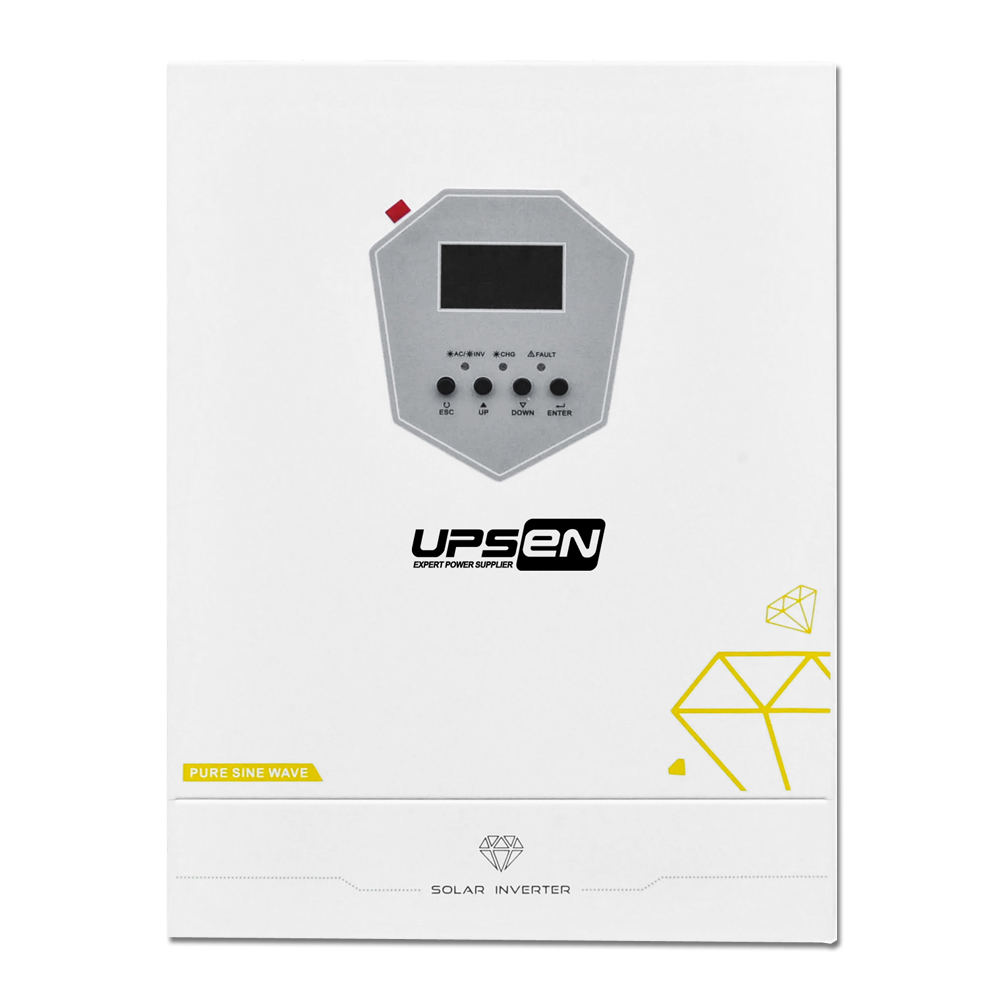
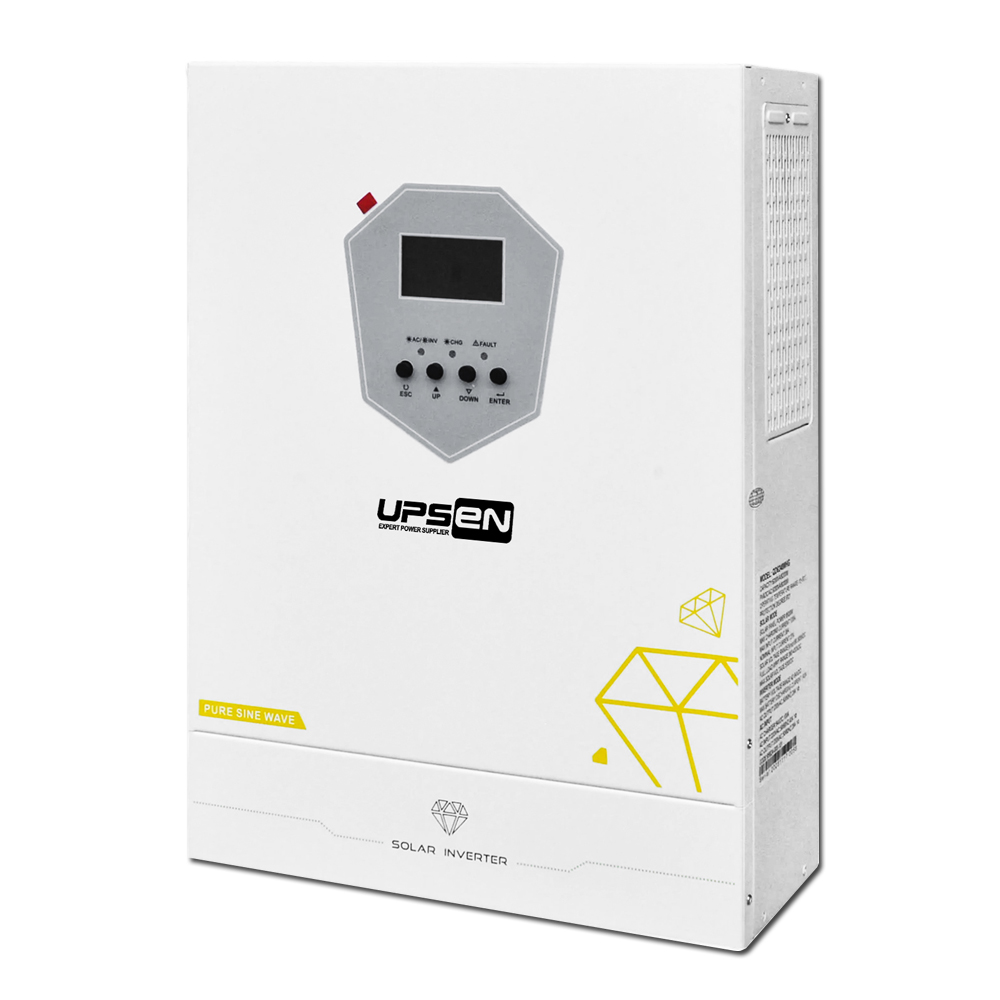
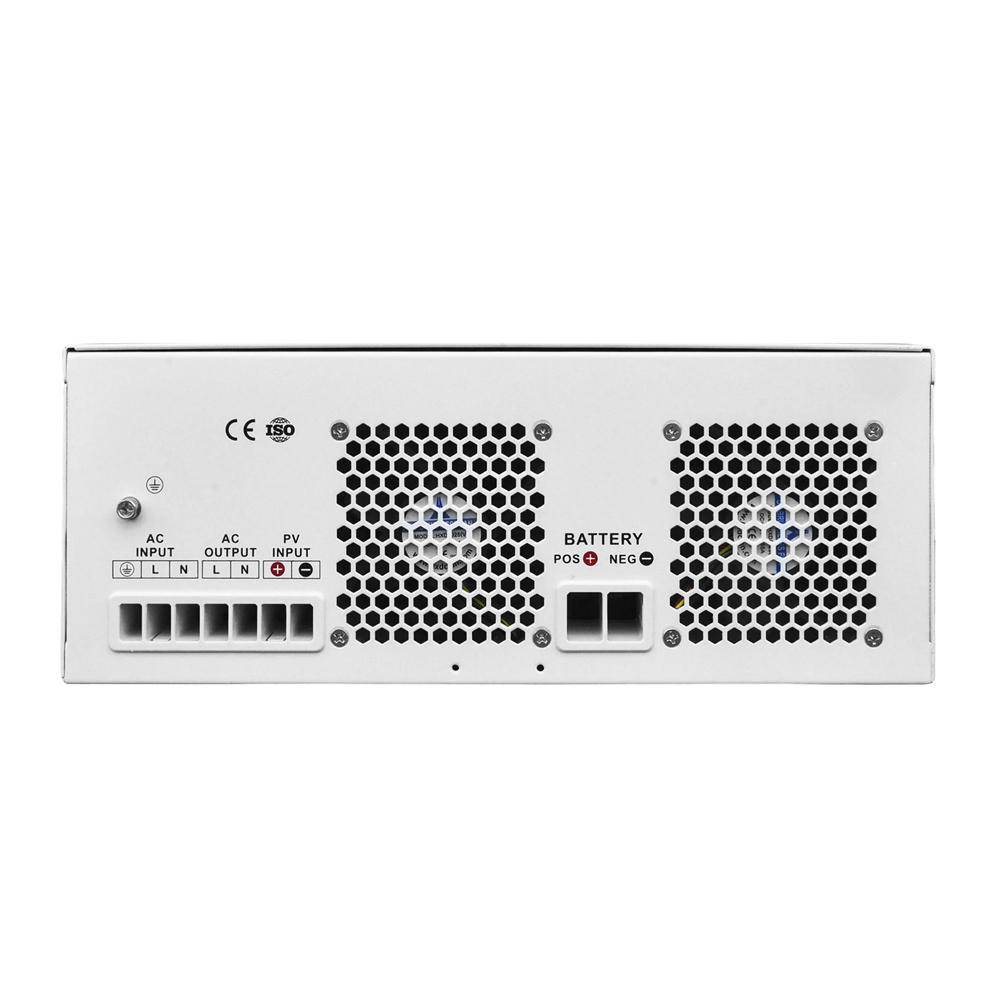
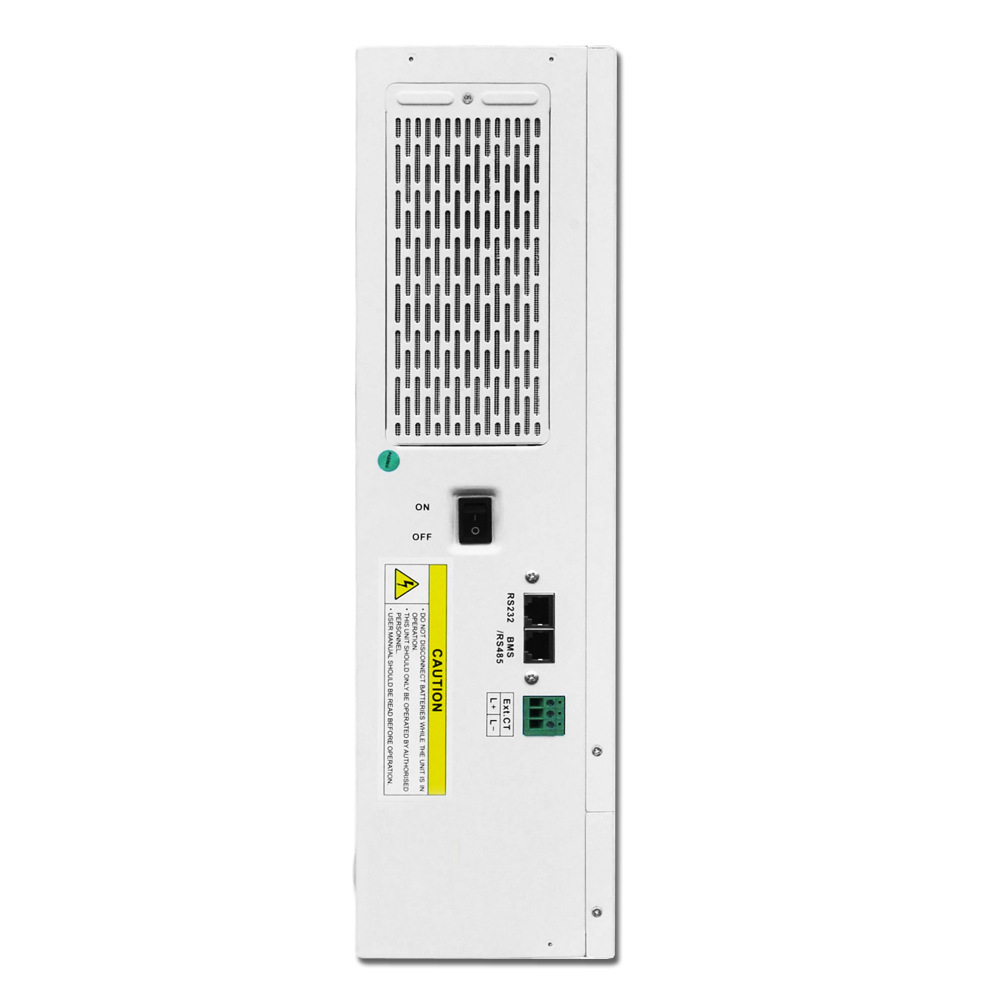
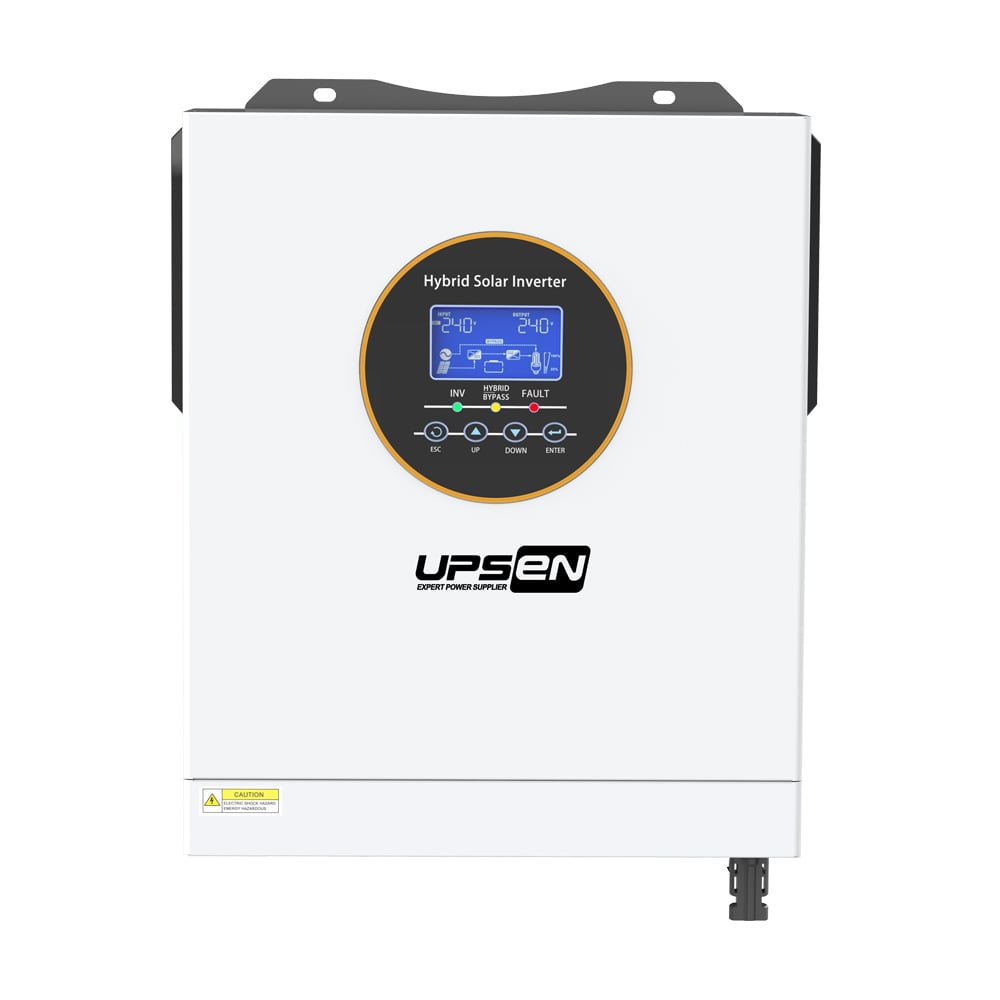
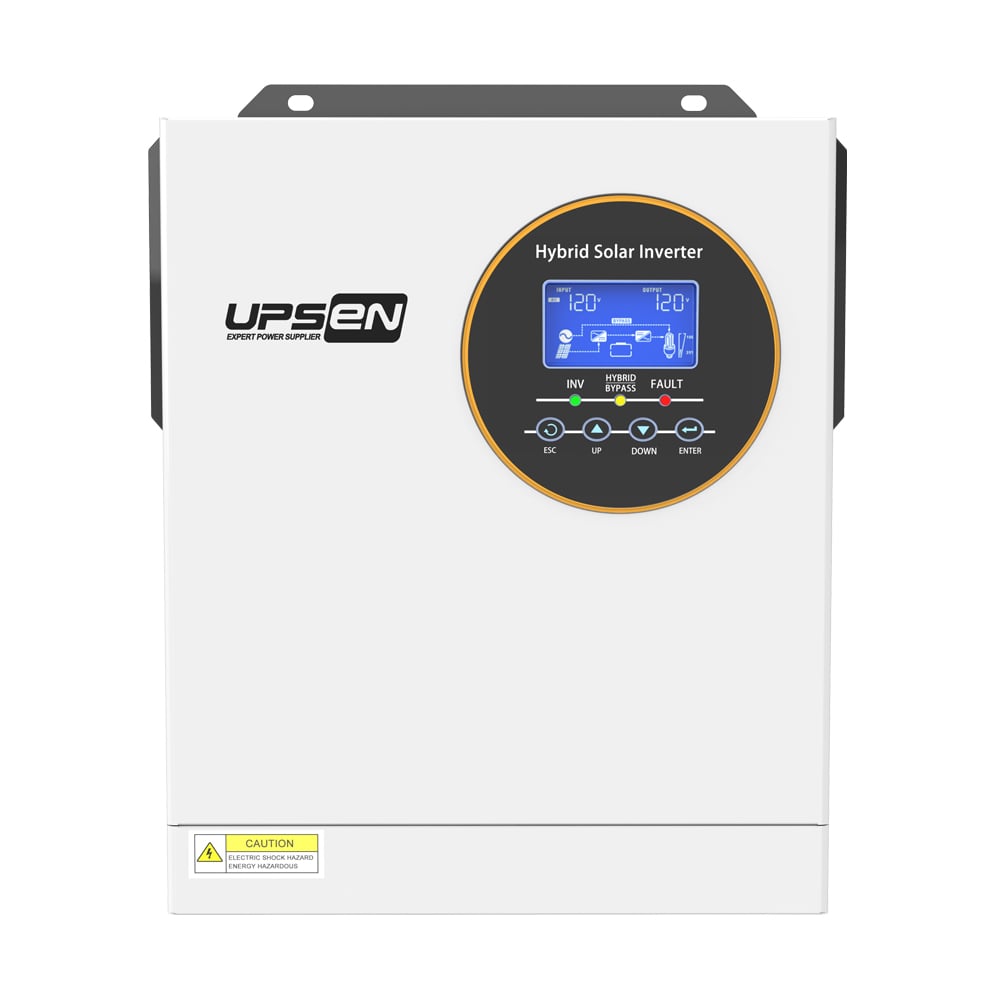
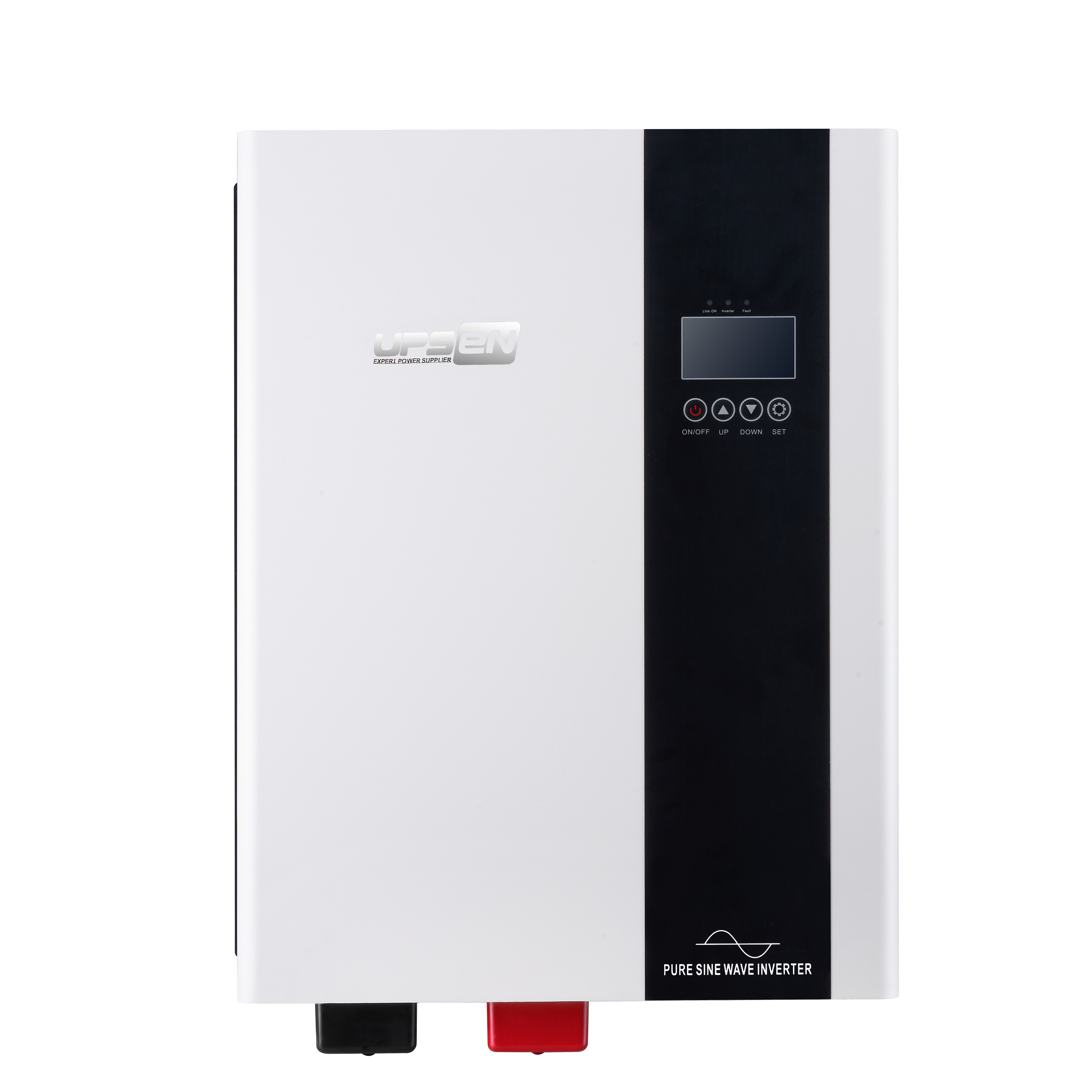
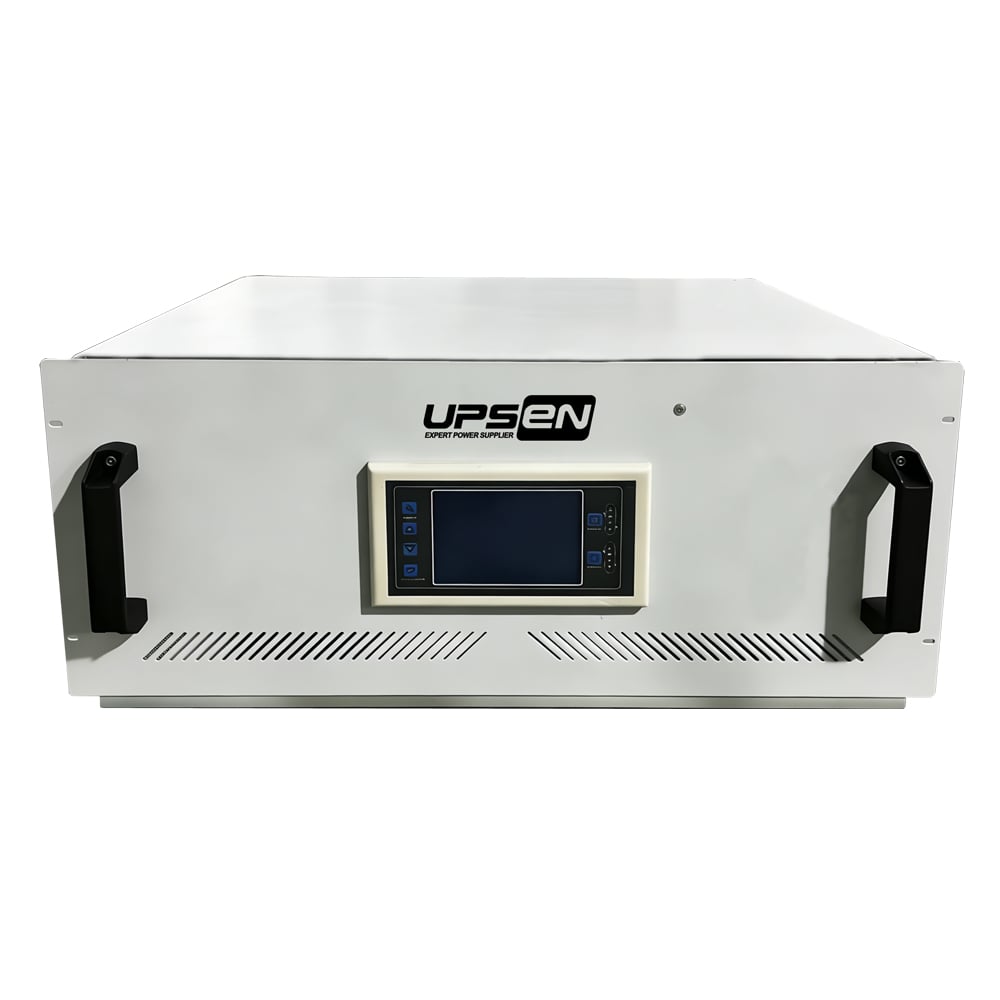
·Izhodni faktor moči PF = 1,0
·Samodejna funkcija ponovnega zagona litijevih baterij za udobnejše polnjenje
·Podpira zaščito pred povratnim tokom s tokovnim transformatorjem (CT), samodejno zaznava stanje omrežja in zagotavlja, da se električna energija ne vrača v omrežje
·Opcijski dotikalni zaslon
·Nastavljiv napetostni nivo polnjenja za prilagoditev različnim zahtevam polnjenja baterij
·Omogoča proizvodnjo sončne energije v povezavi z omrežjem, kar zmanjšuje stroške električne energije
·Komunikacija: zunanji Wi-Fi za spremljanje podatkov v realnem času
·Podpira funkcionalnost sistema za upravljanje litijevih baterij (BMS)
| Model | RS-VED 2012 | RS-VED 3024 | RS-VED 3624 | RS-VED 4024 | RS-VED 6248 | RS-VED 11048 | |
| Model | Nazivna vhodna napetost | 220 / 230 / 240 VAC | |||||
| Razpon napetosti | 90–280 VAC ±3 V (normalen način), 170–280 VAC ±3 V (UPS način) | ||||||
| Frekvenca | 50 / 60 Hz (prilagodljiv) | ||||||
| Izhod | Pretvornik na baterije | 1600W | 3000W | 3600W | 4000W | 6200 W | 11000W |
| Sončni inverter | 1600W | 3000W | 4500W | 5000W | 6500W | 11000W | |
| Vrhunjska moč | 3200 VA | 6000VA | 7200VA | 8000VA | 12400VA | 22000W | |
| Izhodna napetost | 220 / 230 / 240 VAC ±5 % | ||||||
| Izhodna frekvenca | 50 / 60 Hz ±0,1 % | ||||||
| Valovna oblika | Čisti sinusni val | ||||||
| Čas preklopa (nastavljiv) | Računalniška oprema: 10 ms, gospodinjski aparati: 20 ms | ||||||
| Preobremenitev | Delovanje na baterije: 21 s pri obremenitvi 105 %–150 %; 11 s pri obremenitvi 150 %–200 %; 400 ms pri obremenitvi > 200 % | ||||||
| Delovanje v omrežju | Izhodna napetost | Brez povezave z omrežjem | 220 / 230 / 240 VAC | ||||
| Območje mrežne napetosti | 195–253 VA | ||||||
| Razpon frekvenc omrežja | 49–51 ± 1 Hz / 59–61 ± 1 Hz | ||||||
| Izhodni tok | 15.7A | 17,4A | 26,9A | 47,8 A | |||
| Razpon faktorja moči | >0.99 | ||||||
| učinkovitost pretvorbe (DC/AC) | 98% | ||||||
| Akumulator | Nazivna napetost | 12VDC | 24Vdc | 48VDC | |||
| Konstantna napetost za polnjenje (nastavljiva) | 14,1 VDC | 28.2Vdc | 56.4Vdc | ||||
| Plavajoča napetost za polnjenje (nastavljiva) | 13.5VDC | 27Vdc | 54Vdc | ||||
| Nabojnik | Način nabiranja iz PV | MPPT | MPPT | MPPT | MPPT | MPPT | MPPT*2 |
| Maksimalni vhod PV | 2000W | 3000W | 5000W | 5000W | 7500W | 2 × 5500 W | |
| Odvzem MPPT | 40–500 VDC | 40–500 VDC | 60~500VDC | 60~500VDC | 60~500VDC | 90–500 VDC | |
| Najboljši delovni razpon Vmp | 300–400 VDC | 300–400 VDC | 300–400 VDC | 300–400 VDC | 300–400 VDC | 300–400 VDC | |
| Maksimalna vhodna napetost PV | 500Vdc | 500Vdc | 500Vdc | 500Vdc | 500Vdc | 500Vdc | |
| MAKSIMALNI TOK VHODA PV | 13A | 13A | 18A | 18A | 27A | 18A/18A | |
| Maksimalni tok nabiranja PV | 100A | 100A | 120A | 120A | 120A | 150A | |
| Maksimalni tok nabiranja iz AC | 60A | 60A | 60A | 60A | 100A | 150A | |
| Maksimalni tok polnjenja | 100A | 100A | 120A | 120A | 120A | 150A | |
| Prikaz | LCD | Lahko prikazuje način obratovanja/obremenitev/vhod/izhod | |||||
| Vmesnik | RS232 | Hitrost prenosa podatkov 2400 baudov | |||||
| Vmesnik za razširitev slotov | Kartica za komunikacijo z upravljalnikom litijevih baterij (BMS), WiFi, 2 × 5-pin / razmik 2,54 mm | ||||||
| Vmesnik za povezovanje v paralelo | Brez funkcije vzporedne povezave | Paralelna funkcija | |||||
| Temperatura okolja | Temperatura okolja pri delovanju | -10°C~50°C | |||||
| Vlažnost delovnega okolja | -15°C~60°C | ||||||
| Ork višinska pozicija | Največ 1000 m; če je manj kot 1000 m, se nazivna moč zmanjša; največ 4000 m | ||||||
| Vlažnost delovnega okolja | 20 %–95 %, brez kondenzacije | ||||||
| Hrup | ≤45dB | ||||||
| Dimenzija | Velikost stroja – D*Š*V (mm) | 403*304*114 | 433*330*138 | 601*360*163.5 | |||
| Velikost paketa – D*Š*V (mm) | 480*375*182 | 480*375*182 | 480*375*182 | 480*375*182 | 512*420*207 | 735*473*272 | |
| Neto teža (kg) | 6.42 | 6.53 | 7 | 7.5 | 9.38 | 19.2 | |
| Bruto teža (kg) | 7.53 | 7.6 | 8.07 | 8.55 | 10.76 | 21.4 | |
| Standardi in certifikati | EN-IEC 60335-1, EN-IEC 60335-2-29, IEC 62109-1 | ||||||
| Opomba: Specifikacije izdelka so lahko spremenjene brez dodatnega obvestila. | |||||||
Uporabite lastno sončno energijo, ohranite zadovoljstvo omrežja in nikoli ne sedite v temi
Tukaj je dejavnost za veliko lastnikov hiš z sončnimi paneli: za to napravo ste porabili dobro denar, vsak dan pa več ur proizvaja več energije, kot jo lahko porabite. Brez hibridnega inverterja se ta presežek bodisi izvozi v omrežje za zelo nizko plačilo – če vaš dobavitelj sploh dovoljuje takšen izvoz – bodisi gre v nič. RS VQD to reši tako, da vam omogoča, da med dnevnim časom delujete z lastno sončno energijo, presežek shranite v baterije in ključne električne vezje ob izpadu omrežja ohranite v obratovanju. Poleg tega naredi nekaj, kar ga loči od mnogih hibridnih inverterjev na tržišču: zagotavlja, da se električna energija nikoli ne vrača v omrežno napetostno linijo, razen če vi tega želite.
Zaščita pred nazadnim tokom s strani CT: izvoz le, ko ga vi izberete, ne po naključju
VQD je opremljen z zaščito pred nazadnjo tokovno smerjo CT. Tokovni transformator se pritrdi na vašo glavno napajalno napetost in inverter neprestano spremlja tok. Če zazna, da bo električna energija začela teči nazaj v omrežje, takoj zmanjša izhodno moč. To ni programska napoved – gre za varnost na strojni ravni v realnem času, ki zagotavlja skladnost z zahtevami distribucijskega operaterja brez potrebe po podpisu sporazuma o izvozu ali zamenjavi merilnega naprave. Uživate v vseh prednostih samopotrošnje sončne energije brez vsakršnih regulativnih težav. Za gospodinjstva, kjer net metering ni na voljo ali pa je tarifa za oddajo elektrike tako nizka, da se ne splača opraviti administrativnih postopkov, je funkcija ničelnega izvoza prednost, ne omejitev.
Dejanska moč, brez papirnatih specifikacij
Izhodni faktor moči je 1,0. Enota z izhodno močjo 11 kW zagotavlja polnih 11 kilovatov dejanske moči. To ustreza sodobnim gospodinjskim aparatom in elektronski opremi brez izgube kapacitete. Ne zmanjšujete izhodne moči zaradi zastarelega faktorja moči 0,8 ali 0,9 – uporabljate vsak vat, za katerega ste plačali.
Samodejni ponovni zagon litijeve baterije: brez ročnih klicev za prebujanje
Litijeve baterije imajo številne prednosti, vendar so povezane tudi z lastno posebnostjo: po globokem razbajanju sistem za upravljanje baterije (BMS) pogosto popolnoma izklopi celoten paket, da zaščiti celice. Za ponovni zagon je običajno potreben poseben polnilnik, pritisnitev gumba ali obisk tehničnega servisa. VQD to obravnava samodejno. Izkoristi vgrajeno komunikacijo z litijevim BMS in lahko sproži zaporedje ponovnega zagona ob obnovi omrežne napetosti ali ob ponovni proizvodnji sončne energije. Brez ročnega ponastavitve, brez servisnega obiska, brez vračanja domov v temno hišo, kljub popolnoma funkcionalnemu sončnemu sistemu na strehi.
Napetost polnjenja, ki ustreza vaši baterijski banki
Ne vsaka baterija zahteva isto napetost. Prek menija LCD zaslona lahko prilagodite napetost polnjenja za mokre svinčene akumulatorje, zaprte AGM, želatinske ali litijevo-železovo-fosfatne (LiFePO4) baterije. Če proizvajalec vaše baterije določi posebno napetost za absorpcijo ali plavajočo napetost, jo lahko nastavite ročno. Inverter se prilagodi kemiji baterije, ne obratno.
Možnost dotikalnega zaslona za čistejši vmesnik
Standardni vmesnik je jasen LCD zaslon, ki vam prikaže osnovne podatke: proizvodnjo iz fotovoltaikih panelov (PV), porabo obremenitve, stanje baterije in status omrežja. Če pa želite nekaj bolj sodobnega, je na voljo dodatna možnost dotikalnega zaslona. Ta je večji, barvnega izvajanja in omogoča intuitivnejše krmarjenje med nastavitvami ter ogled pretokov energije. Ni nujen, vendar ga je vredno razmisliti, če bo inverter nameščen na vidnem mestu, kot je strojna soba ali hodnik.
Wi -Spremljanje Fi brez prekomernega števila kablov
Zunanji Wi -Modul Fi je vključen v komplet; ko ga enkrat priključite, lahko vse spremljate s svojega telefona: koliko sončne energije proizvajate, koliko energije vaša hiša porablja, stanje naboja baterije in ali je omrežje prisotno. Aplikacija vam ponuja jasen nadzorni zaslon, ki omogoča enostavno spremljanje vaših energijskih tokov v realnem času. Za tiste, ki želijo spremljati delovanje svojega sistema brez potrebe, da bi šli v garažo ali se pomikali po majhnem zaslonu, je to funkcija, ki vsakodnevno uporabo resnično poenostavi.
Hibridna obljuba: varčevanje pri povezavi z omrežjem, rezervno napajanje brez povezave z omrežjem
Med normalnim obratovanjem VQD deluje v omrežju povezanih načinu. Sončna energija napaja vaše obremenitve, presežek pa polni baterijo. Ko je baterija polna, zaščita pred povratnim tokom CT zagotavlja, da se nič ne vrača v omrežje. S tem zmanjšujete svojo porabo, znižujete račune za električno energijo in hkrati ustvarjate rezervo. Če pride do izpada omrežja – zaradi nevihte, izklopa ali načrtovanih izpadov – pretvornik preklopi v rezervni način. Izolira se od omrežja, energijo črpa iz baterije in sončnih panelov ter nadaljuje z oskrbo določenih nujnih vezij. Prehod je brezhiben; računalniki in usmerjevalniki se ne znova zagnajo.
Kje se RS VQD ujema
To je hibridni pretvornik za lastnike hiš, ki že imajo sončne panеле (ali jih bodo kmalu namestili) in želijo iz svojega sistema izluščiti največjo možno korist:
`Hiše z obračunom po časovnih tarifah, kjer samopotreba med vrhunskimi urami dejansko prihrani denar
`Hiše v območjih, kjer pogosto nastopajo izklopi, kjer je baterijsko podprto nujno vezje nesprejemljivo
`Lastnike, kjer izvoz v omrežje ni dovoljen ali ni ekonomsko smiseln glede na tarife
`Družine, ki želijo prek telefona spremljati svojo energijsko proizvodnjo in porabo
`Vse, ki združujejo litijeve baterije s sončno energijo in ne želijo ročnega ponovnega zagona po globokem razbremenu
Hibridni sončni inverter RS VQD serije ne reši vsakega energijskega problema, a reši najpomembnejše: omogoča uporabo lastne energije po lastnih pogojih, ohranja čist vmesnik z omrežjem, brez težav zazene litijeve baterije in zagotavlja rezervno napajanje ob izpadu omrežja. Za sodobno domačo sončno napravo je to osnovna funkcija.

1409–1410, Tongfang Center, križišče cest Zhongxin in Haoxiang, Xinqiao, okrožje Bao'an, Shenzhen, Kitajska.
Avtorske pravice © Shenzhen UPSEN Electronic CO., LTD. Vse pravice pridržane. Politika zasebnosti
 EN
EN