· Generator Compatible.
· Standard RS485, Optional WIFI APP
· IGBT inverter with output isolation transformer.
· Dual input design, supporting independent bypass.
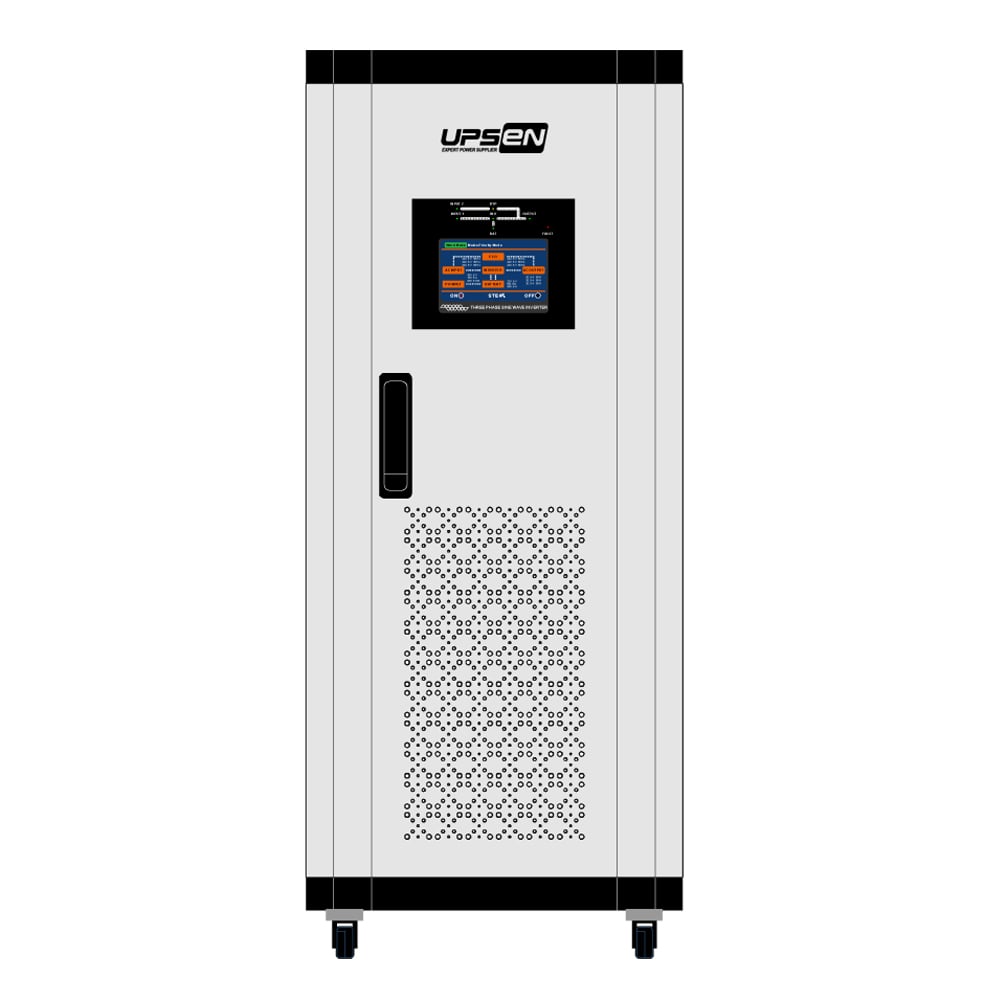
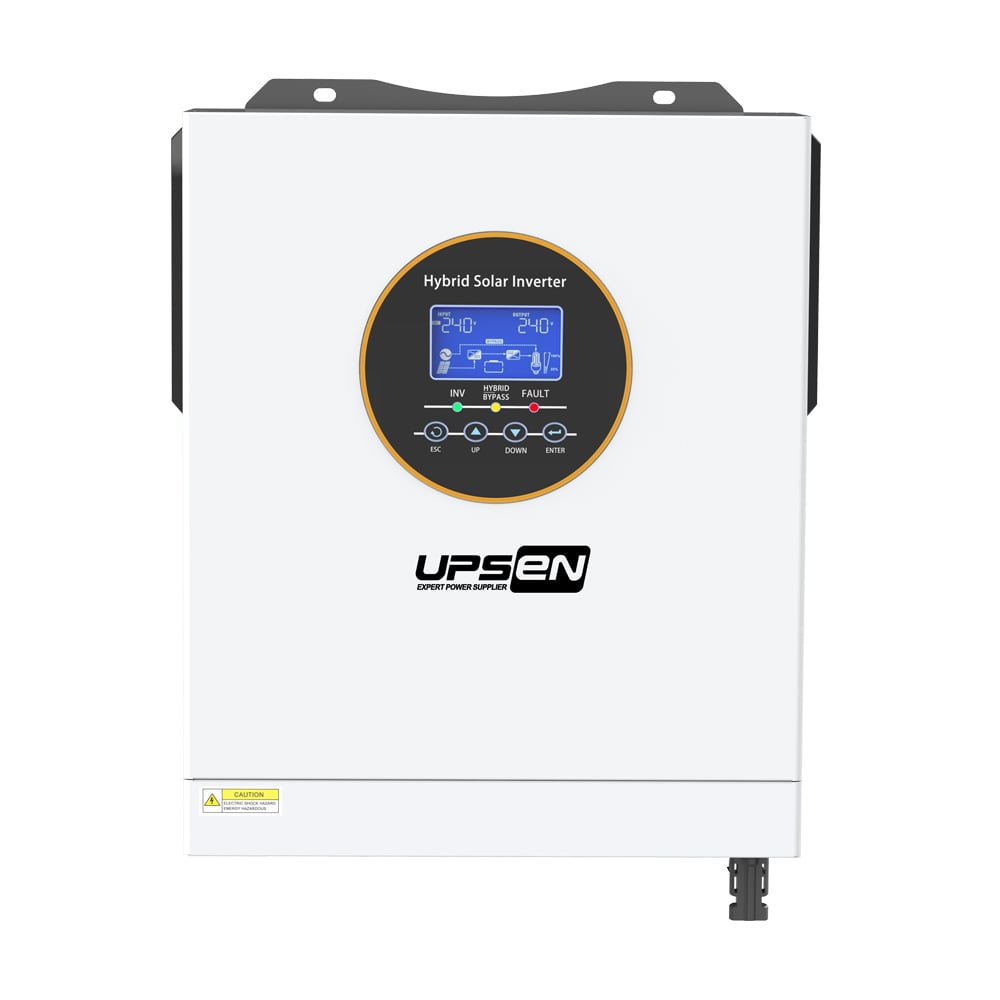
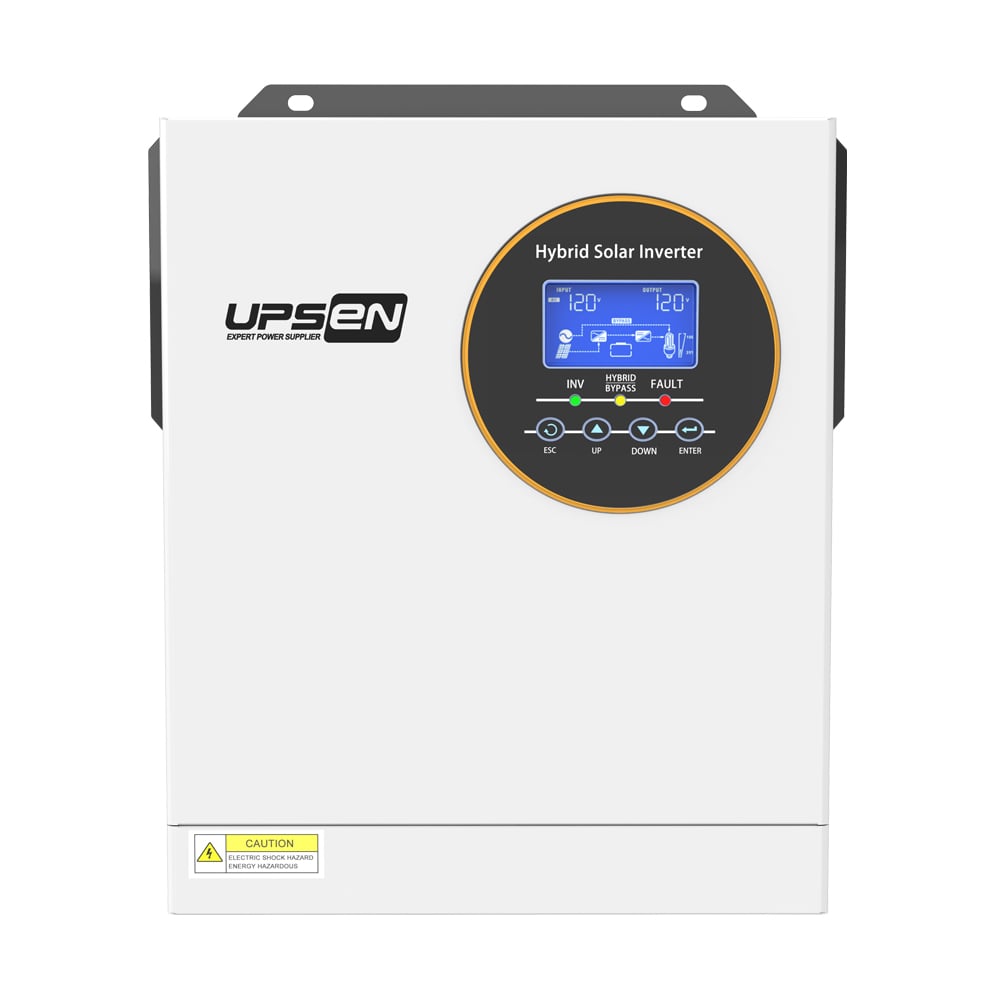
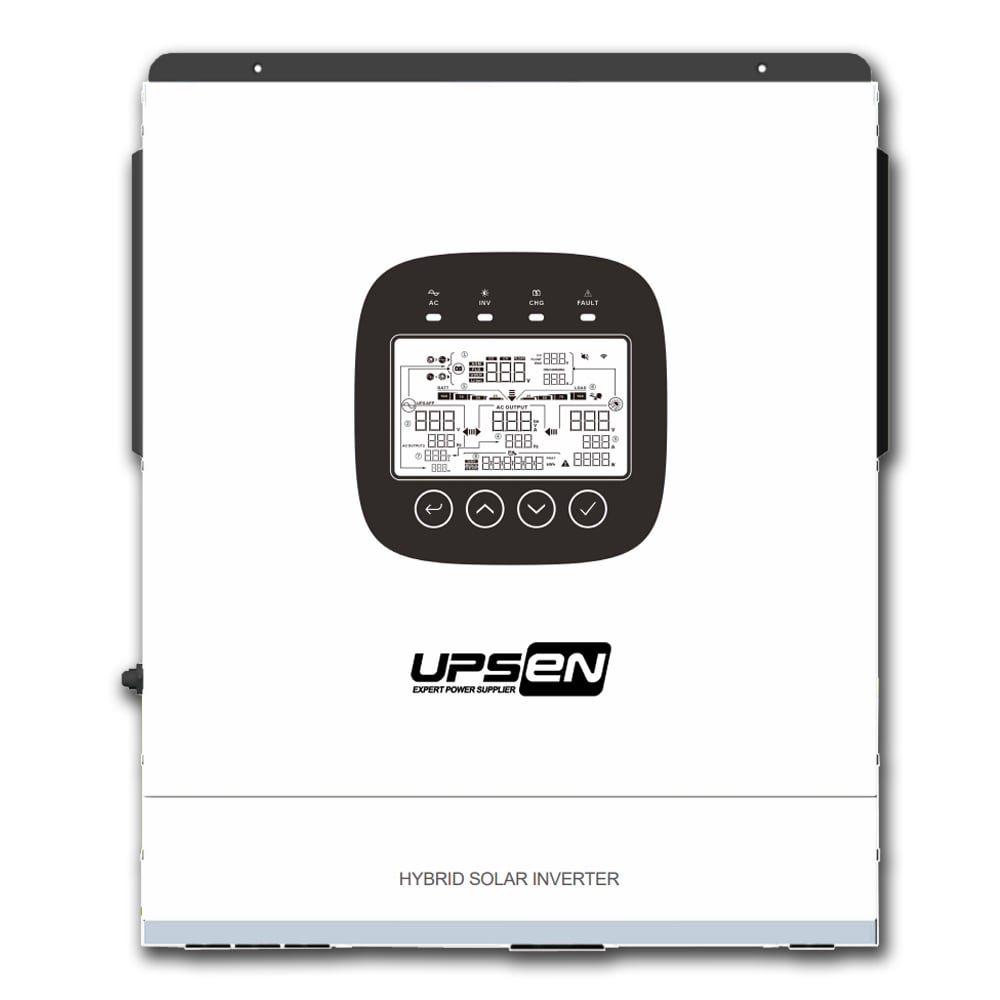
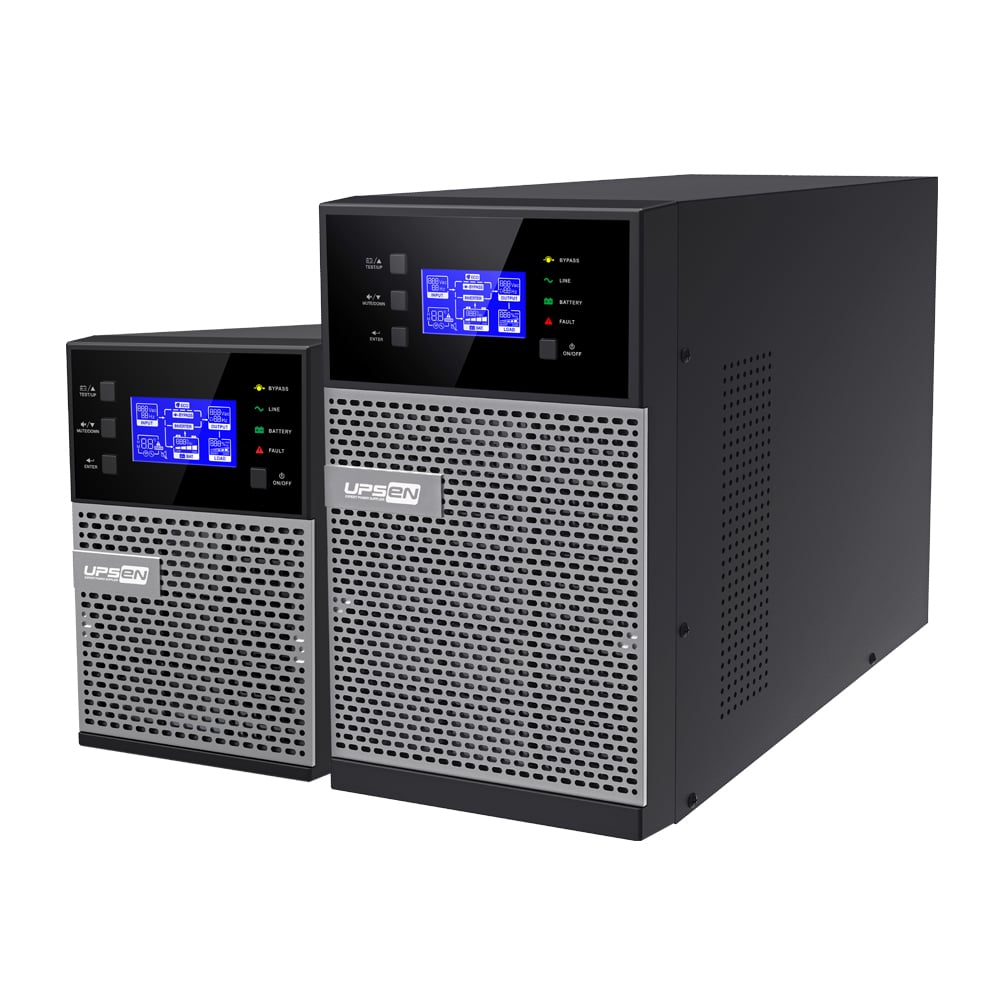
· LCD+LED touch screen display, easier to maintenance of failure.
· Wide input voltage range, 50/60Hz auto-sensing frequency.
· Dual DSP for independent control of power module, no single point
· Support 100% unbalanced load, single-phase full load, any two-phase full load.
· Advanced digital and parallel technology, providing higher reliability than single system.
· Strong load adaptability and loading capacity, and excellent power grid applicability.
· Conformal coating technology to make it operate in harsh environment for a long time.
· Effective hardware and software protection, robust self-diagnosis function, abundant event log for future check
· Intelligent battery management, automatic floating/equalizing charge control, battery self-diagnosis control.
· Compatible with lead-acid battery and lithium battery, suitable for different types of battery configuration requirements.
| Model | TP33 10K | TP33 15K | TP33 20K | TP33 30K | TP33 40K | TP33 50K | TP33 60K | TP33 80K | TP33 100K | TP33 120K | TP33 150K | TP33 200K | |
|---|---|---|---|---|---|---|---|---|---|---|---|---|---|
| Default battery system voltage(VDC) | 96V / 192V / 384VDC | 192V / 384VDC | 384VDC | ||||||||||
| Inverter Output | Rated Power | 10KW | 15KW | 20KW | 30KW | 40KW | 50KW | 60KW | 80KW | 100KW | 120KW | 150KW | 200KW |
| Wave Form | Pure Sine Wave | ||||||||||||
| Voltage | 380VAC / 400VAC / 415VAC or 220VAC / 230VAC / 240VAC | ||||||||||||
| Output Frequency | Automatically Track Bypass Frequency | ||||||||||||
| Phase | Three Phase + N + G | ||||||||||||
| Inverter Efficiency(Peak) | >95 % | ||||||||||||
| Typical Transfer Time | 8ms ( Max) | ||||||||||||
| Overload Capacity | 105%-110%:60min to bypass; 110%-125%:10min to bypass; 125%-150%: 1min to bypass; <150%: 10s transfer to bypass |
||||||||||||
| Bypass Input | Rated Voltage | 380VAC / 400VAC / 415VAC | |||||||||||
| Input Voltage Rated | +10%, +15%, +20%(Can be set); -10%, -20%, -30%(Can be set) | ||||||||||||
| Phase | Three Phase +N+G | ||||||||||||
| Input Frequency | ±3% (±0.5%, ±1%, ±2%, ±3% (Can be set) | ||||||||||||
| AC Input | Phase | Three Phase +N+G | |||||||||||
| Voltage | 380VAC / 400VAC / 415VAC ±25% | ||||||||||||
| Input Frequency Range | 45Hz - 65Hz | ||||||||||||
| Battery | Low Battery Protection | 80VDC ± 0.3V(96VDC), 160VDC ± 0.3V(192VDC), 200VDC ± 0.3V(240VDC), 320VDC ± 0.3V(384VDC) | |||||||||||
| Low Battery Cutoff | 84VDC ± 0.3V(96VDC), 168VDC ± 0.3V(192VDC), 210VDC ± 0.3V(240VDC), 336VDC ± 0.3V(384VDC) | ||||||||||||
| High Battery Alam | 112.5VDC ± 0.3V(96VDC), 225VDC ± 0.3V(192VDC), 280VDC ± 0.3V(240VDC), 450VDC ± 0.3V(384VDC) | ||||||||||||
| Battery Type | AGM, Lead Acid, Lithium | ||||||||||||
| AC Charger | Maximum Charge Current | 30A( Sensing) | |||||||||||
| Other | Mounting | Wall Mount | |||||||||||
| Display | LCD + LED | ||||||||||||
| Cooling Fan | Forced Ventilation | ||||||||||||
| Audible Noise | <60dB | ||||||||||||
| Communications | RS485(Standard), WIFI( Optional) | ||||||||||||
| Operation Temperature | -10℃ ~ 50℃ | ||||||||||||
| Storage Temperature | -10℃ ~ 60℃ | ||||||||||||
| Appearance | Product Size(L*W*H) | 610*340*810 | 755*400*1010 | 830*450*1160 | 800*700*1500 | 800*700*1700 | |||||||
| Packing Size(L*W*H) | 660*390*960 | 800*450*1180 | 880*500*1330 | 850*750*1670 | 850*750*1870 | ||||||||
| Net Weight (KG) | 84 | 106 | 113 | 180 | 200 | 270 | 300 | 480 | 600 | 650 | 700 | 800 | |
| Gross Weight (KG) | 104 | 126 | 133 | 205 | 225 | 300 | 330 | 520 | 640 | 690 | 750 | 850 | |
| Note : Product Specification are Subject to Change Without Further Notice. | |||||||||||||
The Tough One You Bolt Down and Forget About
You know the kind of site where a standard inverter gives up early. A remote pumping station where the air is thick with salt and the temperature swings 40 degrees between day and night. A mine workshop running a 40kW rock crusher that yanks the voltage down every time it starts. A telecom tower on a hilltop, fed by a generator that's seen better days. In places like these, an ordinary high-frequency inverter—light, compact, and fussy—simply won't last. The TP33 Series is the opposite. It's a low-frequency inverter built around a big, heavy IGBT-based output isolation transformer, and that chunk of iron is exactly what makes it so unkillable.
The Transformer Difference
Why does a low-frequency design matter? Because the output transformer gives the inverter genuine electrical muscle. When a motor, a compressor, or a crusher kicks in, the inrush current can be three to five times the normal running load. A high-frequency inverter sees that spike and either trips or folds into bypass. The TP33's transformer acts as a magnetic flywheel—it absorbs the surge and shoves it out smoothly, without the inverter semiconductors getting hammered. That means you can start big, aggressive loads directly from the inverter without soft-starters or reduced-voltage tricks.
And because the transformer provides galvanic isolation between the DC bus and your equipment, you also get complete protection from DC leakage and common-mode noise. For sensitive measurement gear, telecom repeaters, or control systems that share the same AC bus, that isolation eliminates a whole category of phantom faults.
100% Unbalanced Load? It Doesn't Even Notice
Three-phase sites rarely pull evenly from each leg. One phase might be running a row of single-phase welders, while the other two are feeding light loads. Many inverters force you to de-rate by a third or more if the imbalance gets too wide. The TP33 is rated for 100% unbalanced loading. You can pull the full 200kW from a single phase while the other two sit idle. The voltage on each leg stays clean and stable. In a workshop with big single-phase tools that move around the floor, or a village microgrid where the load balance is unpredictable, this single capability saves you from constant re-wiring and derating math.
Dual DSP: Two Brains, No Single Point of Failure
The control system runs on two independent digital signal processors. They share the work—one managing the rectifier and battery, the other overseeing the inverter and output—and each can take over if the other fails. That's a genuine redundancy you don't often see in this power class. It means a processor fault doesn't bring the inverter down. For a remote site where a service visit costs a plane ticket and a day of travel, that kind of internal backup keeps the lights on until the next scheduled maintenance window.
Parallel Ready for Growth or Redundancy
Need more power? You can parallel multiple TP33 units together for higher capacity or N+X redundancy. The load sharing is handled between the inverters—no central controller that becomes a single point of failure. If one unit trips or is taken offline for service, the others redistribute the load automatically. And because each unit can share a common battery bank, you're not paying for redundant battery strings. That cuts cost, floor space, and maintenance in one go.
Generator Friendly, with Dual Inputs
The TP33 expects to work with generators—often the primary power source at an off-grid site. Its input voltage window is wide, and the frequency auto-senses 50 or 60Hz. It doesn't reject a generator that's a little rough around the edges. And if you want redundancy at the front end, the dual input design with independent bypass lets you feed the inverter from two separate AC sources. Connect one input to the utility (if it exists) and the other to a backup genset. If the primary source drops, the inverter switches to the second without a hiccup.
Touchscreen That Makes Sense
The front panel has an LCD-plus-LED touchscreen interface. It's not a cryptic monochrome display with four arrow keys. You get clear, colour-coded status screens for input, output, battery, and alarms. Navigating settings—charge voltage, battery type, parallel configuration—is a few taps, not a deep dive into a manual. For the tech who has to work on this thing at 2 a.m. in a dusty shack, that's a genuine quality-of-life improvement.
Conformal Coating and Harsh-Environment Design
Every circuit board inside the TP33 gets a conformal coating—a thin protective layer that seals against moisture, salt spray, and conductive dust. The chassis is ventilated to keep air moving without pulling in debris. These aren't glamorous features, but they're why a TP33 installed in a coastal battery room or a desert equipment shed is still running ten years later. It's designed for environments where the air is damp, salty, or full of fine particles—the places where ordinary electronics corrode and fail.
Protections That Log What Happened
The protection suite covers the full checklist: overvoltage, undervoltage, overload, short circuit, over-temperature, phase loss. But beyond basic shutdown, the TP33 includes robust self-diagnosis and an event log. When something goes wrong—a grid surge, a load spike, a battery alarm—the inverter records it with a timestamp. You can pull the log later and piece together what happened, rather than staring at a dead inverter with no clue what caused the trip.
Battery Management for Lead-Acid or Lithium
Intelligent battery management is built in. The inverter handles automatic float and equalizing charge control for lead-acid banks, and it's fully compatible with lithium iron phosphate (LiFePO4) batteries—just select the chemistry and adjust the voltages if needed. Battery self-diagnosis routines check the health of the bank periodically, flagging weak cells before they drag down the whole string. In a large installation with hundreds of cells, that kind of proactive monitoring avoids the nasty surprise of a runtime shortfall during a real outage.
Communication to Stay in the Loop
RS485 is standard for local monitoring and integration with industrial control systems. If you want remote access, an optional WiFi module paired with a mobile app lets you check the inverter's status from your phone—load, battery, alarms, logs. For an unattended pumping station or a telecom hub that's a six-hour drive from the nearest town, that connectivity means you know what's happening without rolling a truck.
Where the TP33 Earns Its Keep
The TP33 isn't for a quiet residential garage. It's for the tough, revenue-critical sites where downtime hurts:
`Off-grid mining and mineral processing operations
`Oil and gas sites running pumps, compressors, and instrumentation
`Remote telecom towers and microwave relay stations
`Large agricultural facilities with irrigation pumps and grain dryers
`Industrial workshops with heavy, unbalanced single-phase loads
`Village microgrids and community electrification projects
`Any installation where the environment is harsh, the loads are unforgiving, and the nearest service tech is a day's travel away
If you're looking for something light and cheap, the TP33 isn't it. But if you need an inverter that starts motors without flinching, handles lopsided loads, survives salt and dust, and keeps running when a processor fails—this is the machine you bolt down and rely on for a decade.

1409-1410, Tongfang Center, the intersection of Zhongxin Rd. and Haoxiang Rd., Xinqiao St., Bao'an Dist., Shenzhen, China.
Copyright © Shenzhen UPSEN Electronic CO., LTD. All Rights Reserved Privacy Policy
 EN
EN