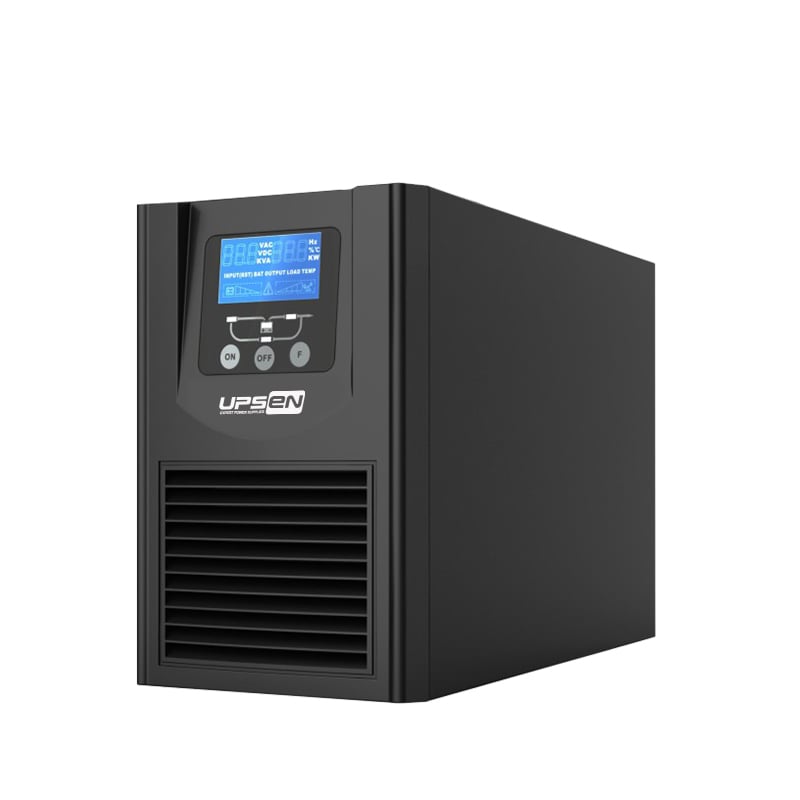
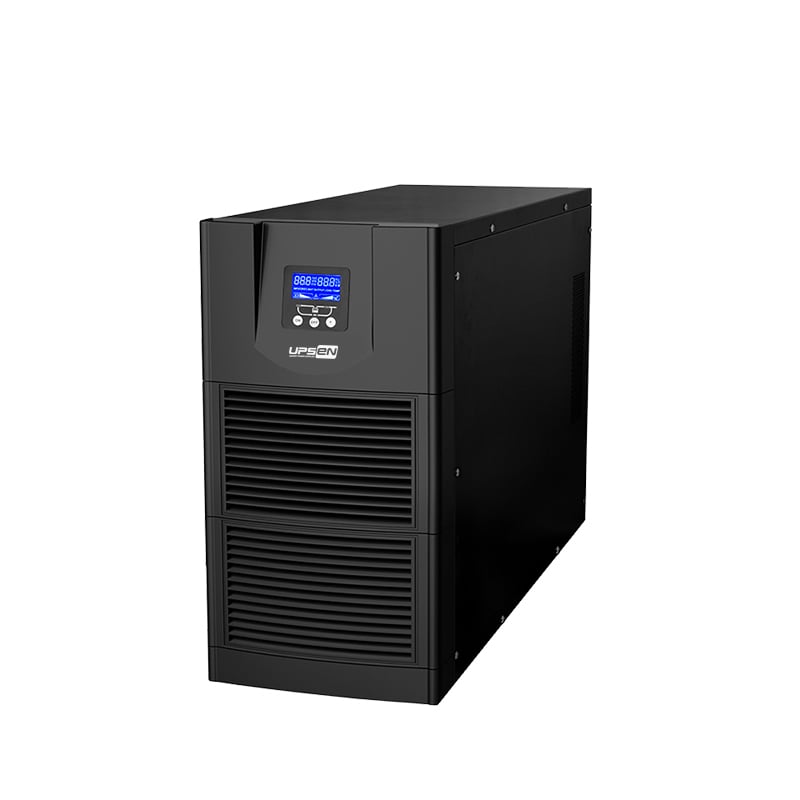
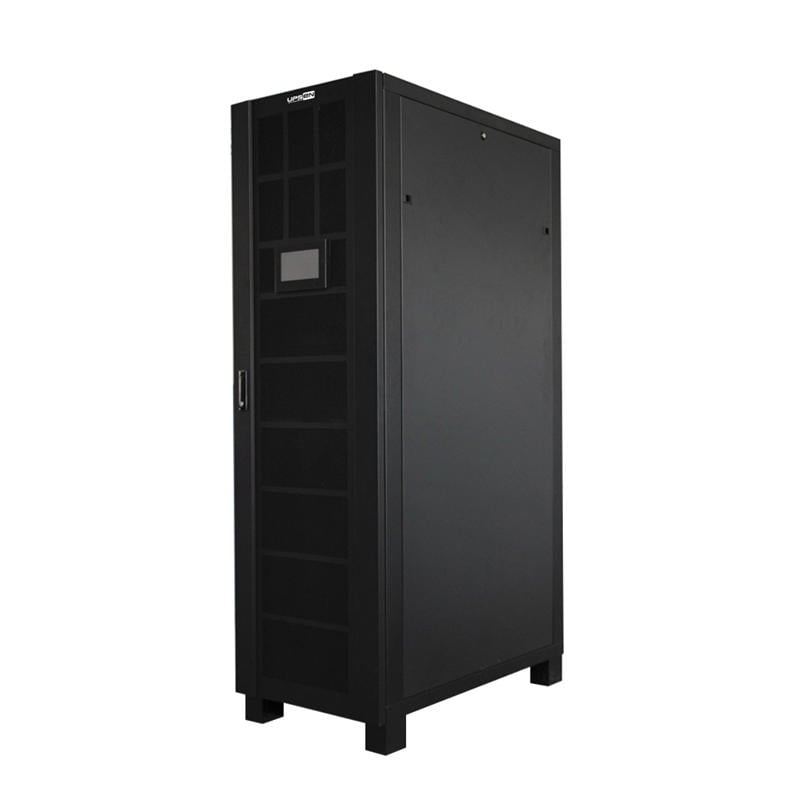
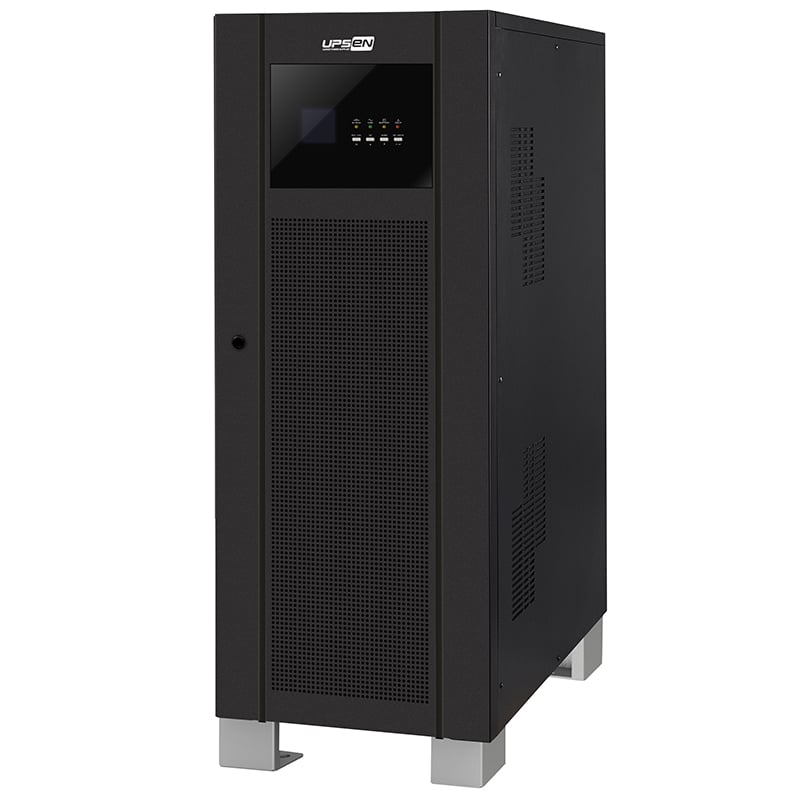
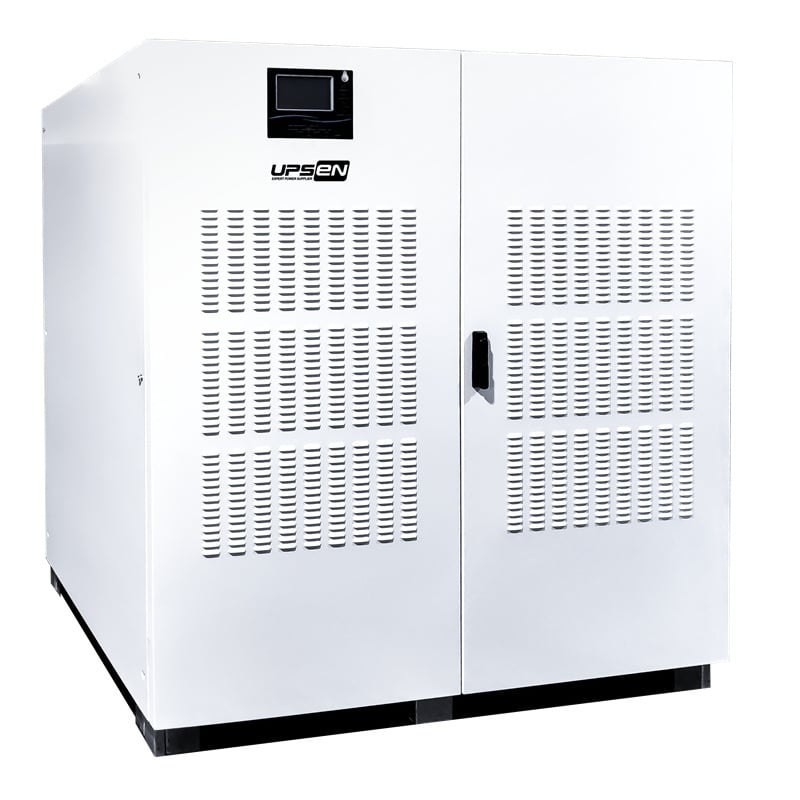
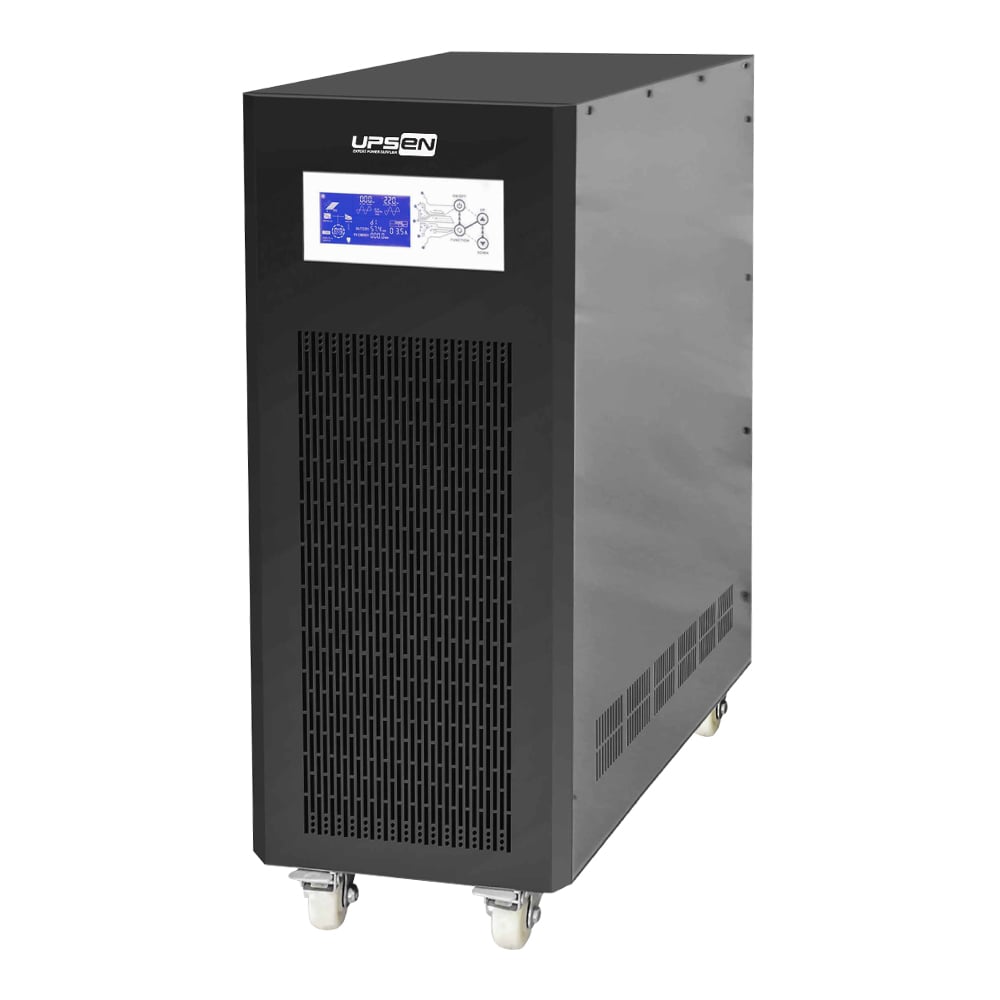
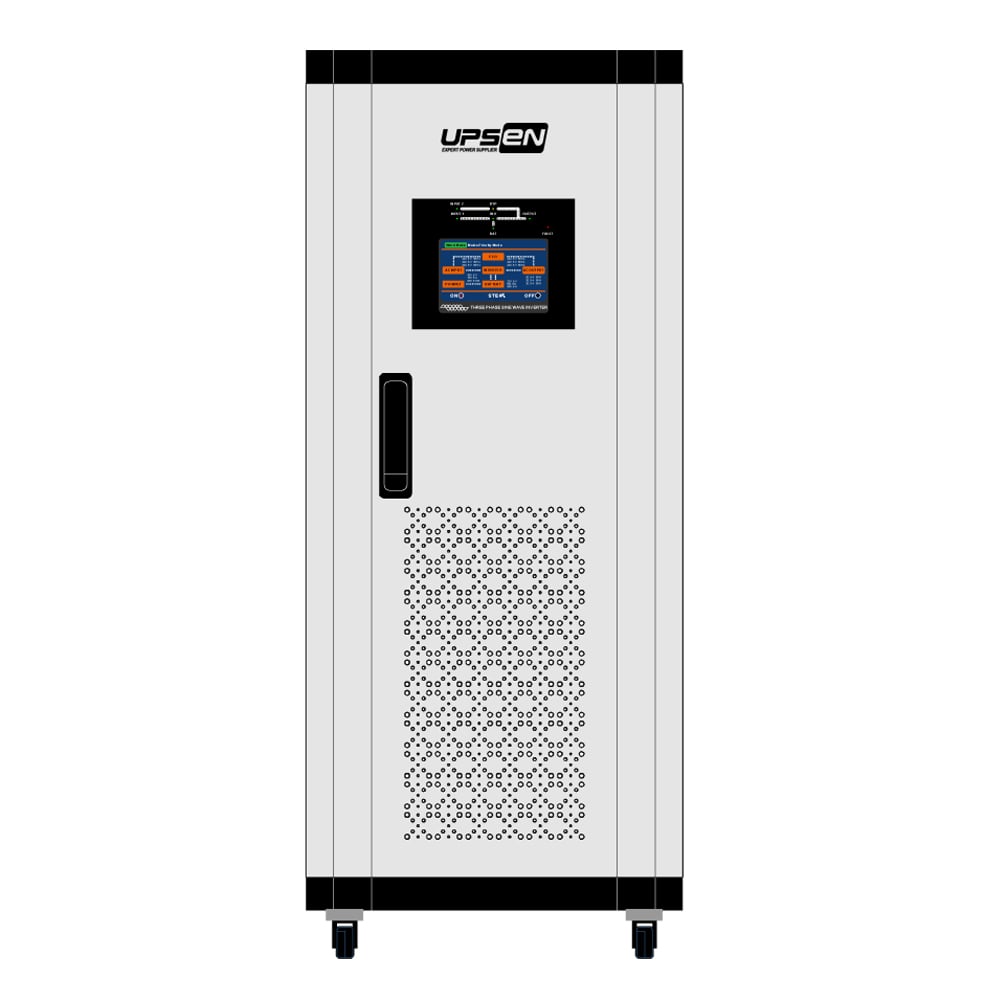
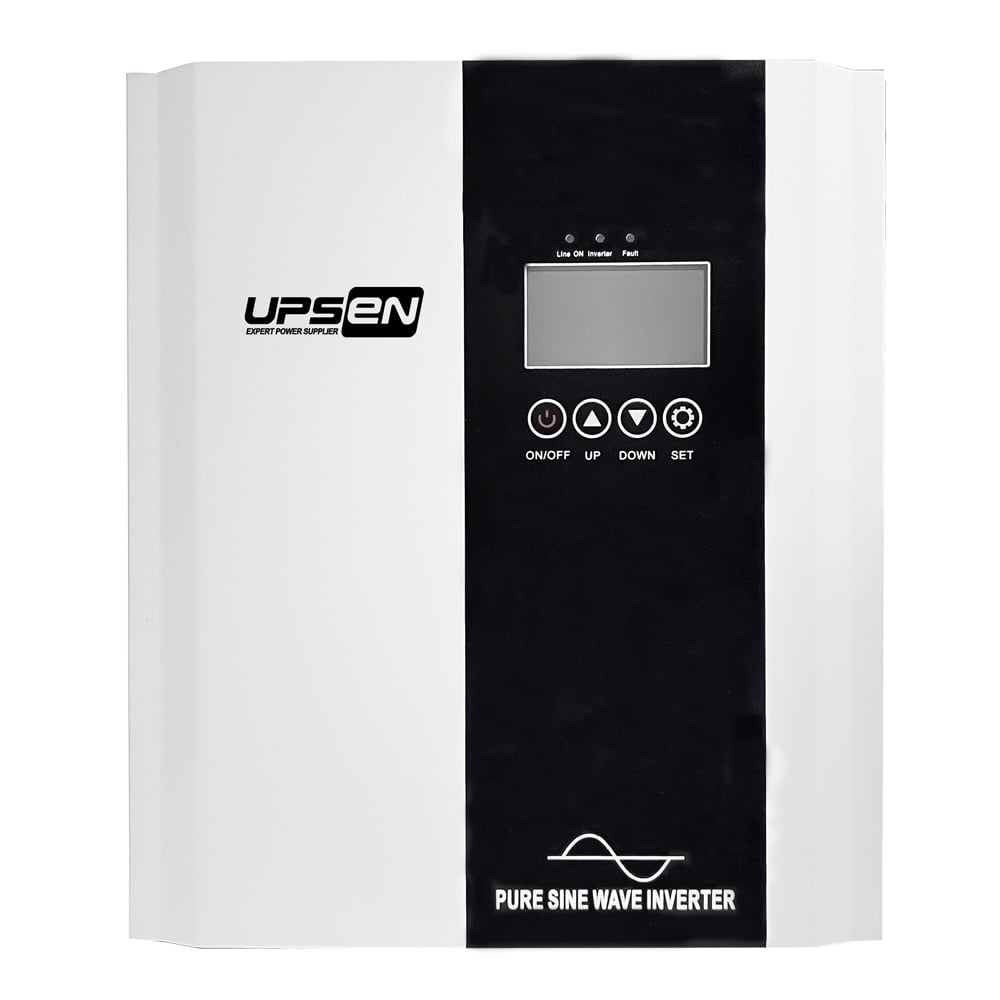
·Nagy kijelzős LCD
·DSP-technológia: A fejlett DSP-digitális vezérlési technológia stabilabb működést biztosít az UPS számára.
·Aktív bemeneti teljesítménytényező-korrekció (PFC): A PFC digitális vezérlése lehetővé teszi az UPS számára, hogy a bemeneti teljesítménytényezőt 0,99 fölé tartsa, ezzel megakadályozva a lehetséges villamos hálózati szennyezést, és egyben jelentősen csökkentve a költségeket.
·Bővített bemeneti feszültség- és frekvenciatartomány: Szándékosan kibővítettük a bemeneti paraméterek tartományát, hogy az UPS különféle környezetben is alkalmazható legyen, így hatékonyan fenntarthatja az akkumulátor töltését akkor is, ha az ellátófeszültség instabil – ezáltal az UPS élettartama jelentősen meghosszabbodik.
·Nulla időkésleltetésű átkapcsolás: Amikor a hálózati áramkimaradás történik, az UPS azonnal, késleltetés nélkül vált az AC üzemmódról akkumulátoros üzemmódra, így biztosítva az operációs rendszer stabil tápellátását.
·Adaptív terheléskezelés: Ez a technológia lehetővé teszi a folyamatos áramforrás (UPS) beállítását rögzített 50 Hz vagy 60 Hz kimeneti frekvenciára, miközben intelligensen figyeli az energiafelhasználást, és automatikusan lekapcsolja és újra csatlakoztatja a terheléseket a generátor túlterhelésének megelőzése érdekében.
·Elegendő bővítési foglalat: A korábban lefoglalt okos foglalatok rugalmasságot biztosítanak USB-kártyák, AS400-kártyák, CMC-figyelőkártyák, SNMP-kártyák, RS485-kártyák és EMD környezetfigyelő kártyák választásában.
·A terhelés teljesítménytényezője 0,9: ez összhangban áll a legtöbb jelenlegi villamos berendezés jellemzőivel, és növeli a gépek terhelhetőségét.
·Támogatja a generátorokat: A széles bemeneti feszültség- és frekvenciatartomány hatékonyan elszigeteli a generátorok által létrehozott káros elektromos hullámokat, és biztonságos, megbízható tápellátást biztosít.
·Környezetbarát: Ez az UPS környezetbarát tervezésű és gyártású, és megfelel Kínában az elektronikus termékek helyi szennyezésvédelmi előírásainak, ami azt jelenti, hogy normál üzemelés mellett nem okoz kárt a környezetben vagy az emberek egészségében.
| Modell | Q1K Plus | Q1K | Q1KL | Q2K PLUS | Q2KL | Q2KL PLUS | Q3K PLUS | Q3KL | Q3KL PLUS | |
| Osztályzat | 1kVA/900W | 2 kVA / 1800 W | 3 kVA / 2700 W | |||||||
| Bemenet | ||||||||||
| Bemeneti rendszer | Egyfázisú és földelés | |||||||||
| Feszültségi tartomány | (90±5) V~(300±5) V | |||||||||
| Töltési tényező | ≥0.99 | |||||||||
| Átvezetési feszültségtartomány | (80±5) V~(286±5) V (alapértelmezett: 80 V~264 V, szoftveresen beállítható) | |||||||||
| Teljesítmény | ||||||||||
| Kimeneti rendszer | Egyfázisú és földelés | |||||||||
| Névleges Feszültség | 220 / 230 / 240 V~ | |||||||||
| Töltési tényező | 0,9 (szabványos) | |||||||||
| Feszültség pontosság | ≤ ±2 % | |||||||||
| Kimeneti frekvencia | Normál üzemmód | 1. A kimeneti frekvencia szinkronizálódik a bemeneti frekvenciával, ha a bemeneti frekvencia 46 Hz és 54 Hz között van | ||||||||
| 2. A kimeneti frekvencia 50 Hz, ha a bemeneti frekvencia nem esik a 46 Hz és 54 Hz közötti tartományba | ||||||||||
| Akkumulátoros mód | 3. Beállítható 60 Hz-re | |||||||||
| Inverter túlterhelési kapacitása (Hálózati tápellátás, 25 °C) |
105 % ±5 % < Terhelés ≤ 125 % ±5 %, 50 s átkapcsolás kikerülő üzemmódra | |||||||||
| 125 % ±5 % < Terhelés ≤ 150 % ±5 %, 25 s átkapcsolás kikerülő üzemmódra | ||||||||||
| Terhelés > 150 % ±5 %, 300 s átkapcsolás kikerülő üzemmódra | ||||||||||
| Átvitel ideje | 0 ms (Normál üzemmód → Akkumulátorüzemmód) | |||||||||
| Normál üzemmódról akkumulátorüzemmódra | 0ms | |||||||||
| Akkumulátorüzemmódról normál üzemmódra | 0ms | |||||||||
| Normál üzemmódról kikerülő üzemmódra | < 4 ms terheléssel | |||||||||
| Átjutás normál üzemmódra | < 4 ms terheléssel | |||||||||
| Crest tényező | 3 : 1 | |||||||||
| Akkumulátor | ||||||||||
| Akkumulátorok feszültsége | 24VDC | 36VDC | 36VDC | 48VDC | 48VDC | 72VDC | 72VDC | 72VDC | 96Vdc | |
| Akkumulátor mennyiség | 2 | 3 | nincs | 4 | nincs | nincs | 6 | nincs | nincs | |
| Akkumulátor típusa | Zárt, karbantartásmentes ólom-savas akkumulátor, 12 V / 7 Ah feszültséggel | |||||||||
| Háttértáplálási idő (25 °C-on) | Teljes terhelés: 5–10 perc (szabványos) | |||||||||
| Töltési áram | 1A | 5,5A | 1A | 5,5A | 5,5A | 1A | 5,5A | 5,5A | ||
| FIZIKAI | ||||||||||
| Működési környezet | Páratartalom: 20–90 %, hőmérséklet: 0–40 °C | |||||||||
| Gépméret (Sz × M × M) mm | 144*280*230 | 144*280*230 | 144*400*230 | 144*400*230 | 144*400*230 | 190*425*328 | 144*400*230 | 144*400*230 | ||
| Nettó súly (kg) | 8 | 10 | 4.5 | 14 | 5.4 | 5.4 | 19 | 5.6 | 5.6 | |
| Bruttó súly (kg) | 8.6 | 10.6 | 5.3 | 14.8 | 6.2 | 6.2 | 20 | 6.4 | 6.4 | |
| Csomagolás mérete (Sz × M × M) mm | 245*385*325 | 245*385*325 | 245*385*325 | 245*530*325 | 245*500*325 | 245*500*325 | 295*555*435 | 245*500*325 | 245*500*325 | |
| *A műszaki adatok előzetes értesítés nélkül módosulhatnak | ||||||||||
Tiszta energia, amely soha nem szünetel
Alapvető különbség van egy olyan UPS között, amely reagál az áramellátási problémákra, és egy olyan között, amely megakadályozza, hogy ezek a problémák egyáltalán elérjék a berendezéseit. A Queen Star sorozat az utóbbi kategóriába tartozik. Ez egy nagyfrekvenciás, online, kettős átalakítású UPS, ami azt jelenti, hogy a berendezései soha nem kapcsolódnak közvetlenül a nyers hálózati áramforráshoz. A bejövő váltóáramot egyenárammá alakítják, megtisztítják, majd újra előállítják tökéletes, tiszta szinusz hullámú váltóáramként. Nincs átkapcsolási késleltetés akkor sem, ha a hálózat kiesik, mert nincs is átkapcsolás: a berendezései egész idő alatt az UPS-ről működtek.
Ha egy kis adatkamrát üzemeltet, egy ág irodában található hálózati állványt vagy bármilyen olyan rendszert kezel, ahol a rendelkezésre állás valóban fontos, és az áram minősége nem tárgyalható, akkor ez az architektúra az aranystandard. A Queen Star sorozat ezt 1 kVA-tól 3 kVA-ig terjedő teljesítménytartományba csomagolja, amely nem igényel külön elektromos szobát.
Miért fontos az online kettős átalakítás
A vonali interaktív UPS egységek kiválóan alkalmasak a legtöbb asztali alkalmazásra. A hálózati áramot általában közvetlenül átvezetik, és csak akkor lépnek be automatikus feszültségszabályozással (AVR) vagy akkumulátorral, ha probléma merül fel. Azonban a kapcsolás során mindig keletkezik egy apró szünet – általában ezredmásodpercnyi, de ott van. A legtöbb elektronikus eszköz számára ez a szünet kártalan, azonban érzékeny laborberendezések, precíziós orvosi eszközök vagy olyan hálózati berendezések esetében, amelyeknek valóban nem szabad újraindulniuk, ez kockázatot jelent.
Az online kettős átalakítás teljesen megszünteti ezt a szünetet. Az inverter folyamatosan működik. A kimenet mindig egyenáramból szintetizált. A hálózat akár közvetlenül egy ciklus közepén is eltűnhet, és a berendezések soha nem vennék észre. Ezért használják az adatközpontok és a kórházak az online UPS rendszereket. A Queen Star sorozat ugyanezt az architektúrát kisebb méretre és elérhetőbb árra méretezi, így kisebb telepítésekhez is alkalmas.
DSP-digitális vezérlés: Pontosság drift nélkül
Egy inverter folyamatos üzemeltetése többet igényel, mint csupán jó minőségű hardver. A Queen Star sorozat a kimenet stabil tartásához DSP-digitális vezérlést alkalmaz. A digitális jelprocesszor másodpercenként ezerszer mintavételezi a feszültséget és az áramerősséget, apró korrekciókat végezve, hogy a szinuszgörbe sima, stabil és pontos frekvenciájú maradjon.
Ez gyakorlati szempontból fontos, mert a hálózat nem mindig tökéletes referencia. A frekvencia kissé ingadozhat. A hullámformák torzulhatnak a épület más részein lévő nagy terhelések miatt. A DSP figyelmen kívül hagyja mindezt, és saját, belső referenciára alapozott, tiszta kimenetet állít elő. Akár stabil a hálózat, akár zavarokat mutat, a feszültségforrás viselkedése pontosan ugyanolyan marad.
Aktív teljesítménytényező-korrekció: tisztán felvett teljesítmény
A Queen Star sorozat egyik technikailag érdekesebb jellemzője az aktív teljesítménytényező-korrekció a bemeneti oldalon. A bemeneti teljesítménytényező 0,99 fölött marad, ami a valós világban létező elektronikában a lehető legközelebb áll a tökéletességhez.
Miért érdemes foglalkozni a teljesítménytényezővel? Néhány gyakorlati okból. A magas teljesítménytényező azt jelenti, hogy a folyamatos áramforrás (UPS) hatékonyan, a feszültség-hullámforma szinkronizálásával veszi fel az áramot a hálózati csatlakozóból. Kevesebb energia veszik el hőként. Kevesebb reaktív teljesítmény ingadozik ide-oda az UPS és a közmű között. Az elektromos számla a valós teljesítmény-felhasználást tükrözi, nem pedig a látszólagos reaktív terheléseket.
Ez azt is jelenti, hogy az UPS nem vezet vissza harmonikus torzítást a épület villamos hálózatába. Olyan létesítményben, ahol sok elektronikus fogyasztó van, a harmonikusok összeadódhatnak, és problémákat okozhatnak – például túlmelegedett nullavezetők, indokolatlan megszakító-kapcsolódások, illetve más berendezésekkel való interferencia. A Queen Star sorozat jól együttműködik a környező villamos berendezésekkel.
Széles bemeneti feszültségtartomány: Takarítsa meg az akkumulátort, amikor tényleg szükség van rá
Az akkumulátor üzemideje értékes. Minden alkalommal, amikor a feszültség-ingadozás miatt a UPS átkapcsol az akkumulátorra, egy korlátozott erőforrást használ fel – mind azonnali üzemidő, mind hosszú távú ciklusélettartam szempontjából. A Queen Star sorozatot szándékosan széles bemeneti feszültség- és frekvencia-tartománnyal tervezték, így hosszabb ideig marad a hálózati áramról.
Amikor a hálózat instabil lesz – például alacsony feszültség esetén barna áramkimaradás (brownout) vagy magas feszültség esetén túlfeszültség (surge), illetve a frekvencia kilép a normál határokon – a UPS továbbra is elfogadja ezt az áramot, és a kettős átalakításos folyamat során kondicionálja. Csak akkor kapcsol át az akkumulátorra, ha a bemeneti jel ténylegesen kilép a biztonságos működési tartományból. Ez azt jelenti, hogy kevesebb akkumulátor-ciklus, kevesebb kopás és több rendelkezésre álló üzemidő akkor, amikor valóban szükség van rá.
Nulla átkapcsolási idő: Az online üzemmód lényege
Ezt korábban már említettük, de érdemes egyértelműen kimondani, mivel ez az architektúra meghatározó jellemzője: nulla átkapcsolási idő a hálózati áramkimaradás esetén. Nem 4 milliszekundum. Nem 2. Nulla.
Az inverter mindig csatlakoztatva van a terheléshez. A megfelelő egyenirányító és töltő mindig táplálja a DC buszt. Amikor a hálózat kiesik, a terhelés szempontjából semmi sem változik, kivéve, hogy az akkumulátor elkezd kisülni, ahelyett, hogy az egyenirányító biztosítaná a DC feszültséget. Az inverter továbbra is zavarásmentesen működik.
Olyan eszközök számára, amelyek érzékenyek akár a legrövidebb megszakításokra is – például olyan szerverekre, amelyek naplózzák a hálózati eseményeket, olyan hálózati kapcsolókra, amelyek hibás működés esetén újraindulnak, vagy olyan tárolórendszerekre, amelyek nem viselik jól a feszültségismétlődést – ez a védelem kötelező.
Adaptív terheléskezelés: intelligens teljesítményelosztás
A Queen Star sorozat adaptív terheléskezelési funkciókkal rendelkezik, amelyek túlmutatnak az egyszerű be/kikapcsoláson. A kimeneti frekvenciát rögzítheti 50 Hz-ra vagy 60 Hz-ra, attól függően, hogy melyik felel meg az Ön régiójának. A UPS emellett valós időben figyeli a teljesítményfelhasználást, és konfigurálható úgy, hogy kritikus nem fontos terheléseket kapcsoljon ki, ha a kapacitás szűkül.
Ez különösen hasznos, ha generátorról történik a táplálás. A generátorok kapacitása korlátozott, és ha a terhelés túl gyorsan nő, feszültség- és frekvenciaesés léphet fel. A Queen Star sorozat intelligensen lekapcsolhatja az alacsonyabb prioritású berendezéseket, hogy megakadályozza a generátor túlterhelését, majd ezeket a terheléseket újra bekapcsolja, amint elegendő tartalék kapacitás áll rendelkezésre. Ez a fajta intelligens viselkedés általában külső kezelőrendszert igényel.
A kijelző: Tényleg olvasható
Sok UPS-kijelző úgy tűnik, mintha gondolkodás nélkül lett volna kialakítva – apró LCD-kijelzők, szorosan elhelyezett számjegyekkel és titokzatos ikonokkal, amelyek értelmezéséhez a kezelési útmutatóra van szükség. A Queen Star sorozat nagyfelbontású LCD-kijelzőt használ, amely valóban olvasható néhány láb távolságból is.
Terhelés szintje, akkumulátor állapota, bemeneti feszültség, kimeneti feszültség, frekvencia – mindez egyértelműen, áttekinthetően jelenik meg. Nem kell pislogni, nem kell találgatni, hogy melyik villogó ikon mit jelent. Ha egy szekrény előtt áll, pillanatok alatt leolvashatja az állapotot, és továbbléphet.
Kommunikáció: Bármit beszél a konfigurációja
A Queen Star sorozat nem köt le egyetlen figyelési protokollra. Több intelligens csatlakozóhelyet tartalmaz, amelyek különböző kommunikációs kártyák befogadására képesek: USB a közvetlen PC-kapcsolathoz, AS400 a régi rendszerekhez, RS485 az ipari vezérléshez, SNMP a hálózati figyeléshez, valamint egy EMD környezeti figyelőkártya is, amely a szekrényben uralkodó hőmérsékletet és páratartalmat követi nyomon.
Ha épületüzemeltetési rendszered vagy hálózatfelügyeleti rendszered (NMS) kommunikálni tud egy UPS-szel, akkor a Queen Star sorozat valószínűleg beszéli ugyanazt a nyelvet. Ez a rugalmasság jelentősen megkönnyíti az egység integrálását meglévő figyelési rendszerekbe.
0,9 terhelési teljesítménytényező: A ténylegesen használható névleges teljesítmény
A régebbi UPS-tervek gyakran 0,7 vagy 0,8 teljesítménytényezőt jeleznek. Egy 1000 VA-os készülék esetleg csak 700 vagy 800 watt valódi teljesítményt szolgáltat. A modern IT-eszközök – például szerverek, kapcsolók, tárolórendszerek – saját tápegységeikben alkalmazott aktív PFC (teljesítménytényező-javítás) miatt általában sokkal közelebb állnak az 1,0-es teljesítménytényezőhöz.
A Queen Star sorozat 0,9 teljesítménytényezővel rendelkezik, ami azt jelenti, hogy egy 1000 VA-es egység 900 wattot szolgáltat. Ez sokkal jobban illeszkedik a ténylegesen csatlakoztatott eszközökhöz. Nem fizet olyan látszólagos kapacitásért, amelyet nem tud használni.
Generátorbarát
A tartalék generátorok nem termelnek olyan tiszta szinuszgörbét, mint a hálózati áramforrás. Kimenetük zajos, torzított és változó lehet – különösen a kisebb, hordozható egységek vagy a régebbi tartalék generátorok esetében. Néhány UPS egység nem képes jól kezelni ezt a jelenséget. A generátor áramát instabilnak tekinti, és akkumulátorról működik tovább, amíg az lemerül.
A Queen Star sorozat úgy lett tervezve, hogy el tudja fogadni a generátorok által létrehozott széles bemeneti feltételtartományt. Ezt a „durva” áramot kettős átalakítási folyamaton keresztül vezeti, és tiszta, stabil szinuszgörbét ad ki. Az Ön berendezései tökéletes minőségű áramról működnek, függetlenül attól, hogy a generátor upstream mit tesz.
Tisztán gyártva
Az egység megfelel Kína szigorú elektromos termékek környezetszennyezés-ellenőrzési szabványainak, amelyek az elektronikai gyártásra vonatkozó legszigorúbb környezetvédelmi előírások közé tartoznak. A készülék szerkezete nem tartalmaz veszélyes anyagokat. Biztonságos a környező személyek számára, és biztonságosan ártalmatlanítható élettartama végén. Ez nem a leglátványosabb műszaki jellemző, de fontos, ha olyan környezetben telepít üzemanyagot, ahol a környezetvédelmi előírások betartása része a beszerzési kritériumoknak.
A Queen Star sorozat helye
Ez egy UPS azok számára, akik nem engedhetik meg maguknak, hogy lemondjanak a villamosenergia-minőségről. Kis adatkabinetek, ahol egy szerver és egy kapcsolókészletnek minden körülmények között működnie kell. Hálózati állványok fióktelepeken, ahol az informatikai személyzet távoli, és a berendezéseknek önállóan kell működniük. Laborok érzékeny műszerekkel, amelyek rosszul reagálnak a villamosenergia-hibákra. Kiskereskedelmi vagy vendéglátóipari helyszínek, ahol a pénztárgépek és a hálózati berendezések üzletileg kritikusak.
Az 1 kVA–3 kVA teljesítménytartomány kényelmesen ellát egyetlen szerver- és hálózati felszereléses állványt. Ha nagyobb teljesítményre van szüksége, az UPSEN nagyobb, online UPS egységeket is kínál, de kis- és közepes méretű állványok esetén ez a tartomány a legmegfelelőbb választás.
A lényeg
A Queen Star sorozatú, magasfrekvenciás, online UPS nem könyörög semmit. Folyamatosan tiszta energiát állít elő, zavartalanul működik generátorokkal, bármely figyelőrendszerrel kommunikál, amit éppen használ, és nem pazarolja az akkumulátorciklusokat olyan feszültségingerekre, amelyeket a kettős átalakításos folyamat kezelni tud. A nagy kijelző megkönnyíti az állapotellenőrzést. A 0,9 teljesítménytényező összhangban van a modern IT-eszközök igényeivel. A széles bemeneti feszültségtartomány pedig azt jelenti, hogy hosszabb ideig marad üzemképes, mielőtt bármilyen módon az akkumulátorra támaszkodna.
Ha vonali interaktív UPS-t keres, számos lehetőség áll rendelkezésére. Ha azonban igazi, nullás átkapcsolási időt, folyamatosan működő, kettős átalakításos védelmet kíván egy kompakt kivitelben, akkor a Queen Star sorozatnál érdemes elkezdeni a keresést.

kína, Sanghaj, Bao'an kerület, Xinqiao utca, Zhongxin út és Haoxiang út kereszteződése, Tongfang Központ, 1409–1410.
© Shenzhen UPSEN Electronic CO., LTD. Minden jog fenntartva. Adatvédelmi irányelv
 EN
EN