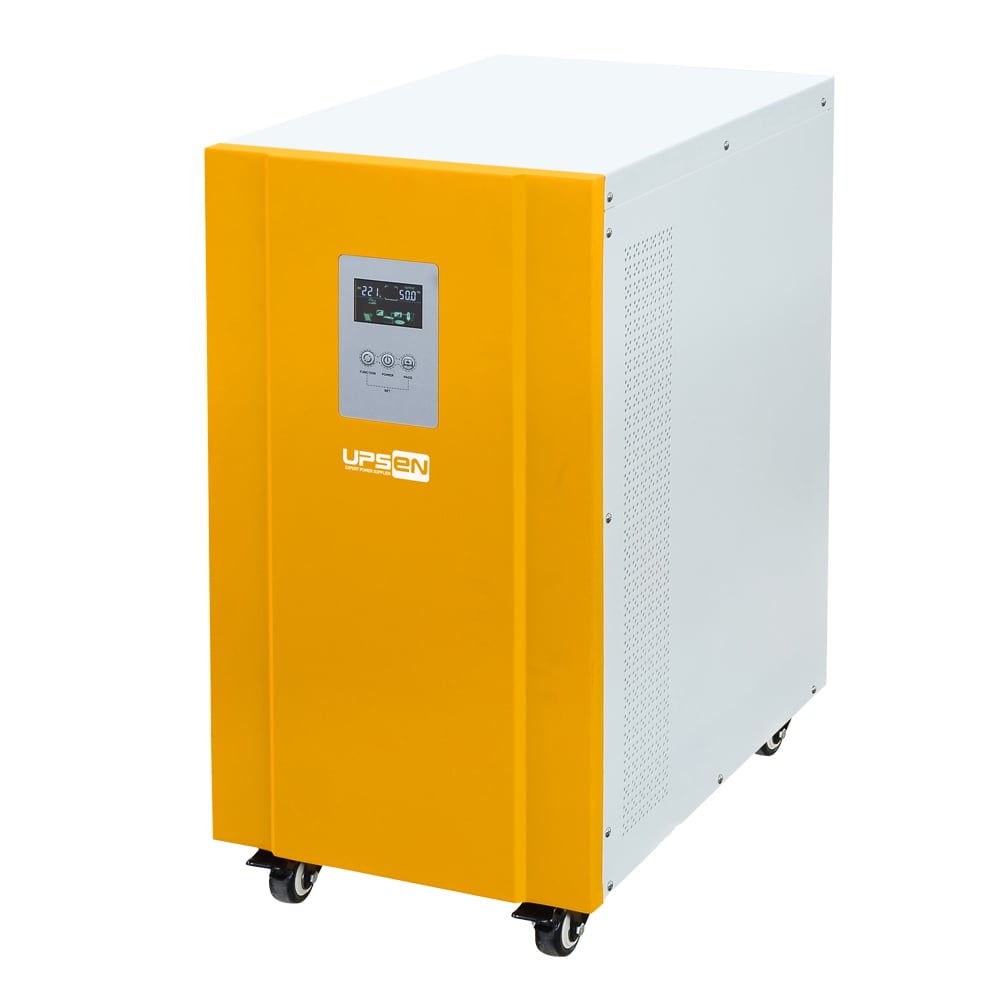
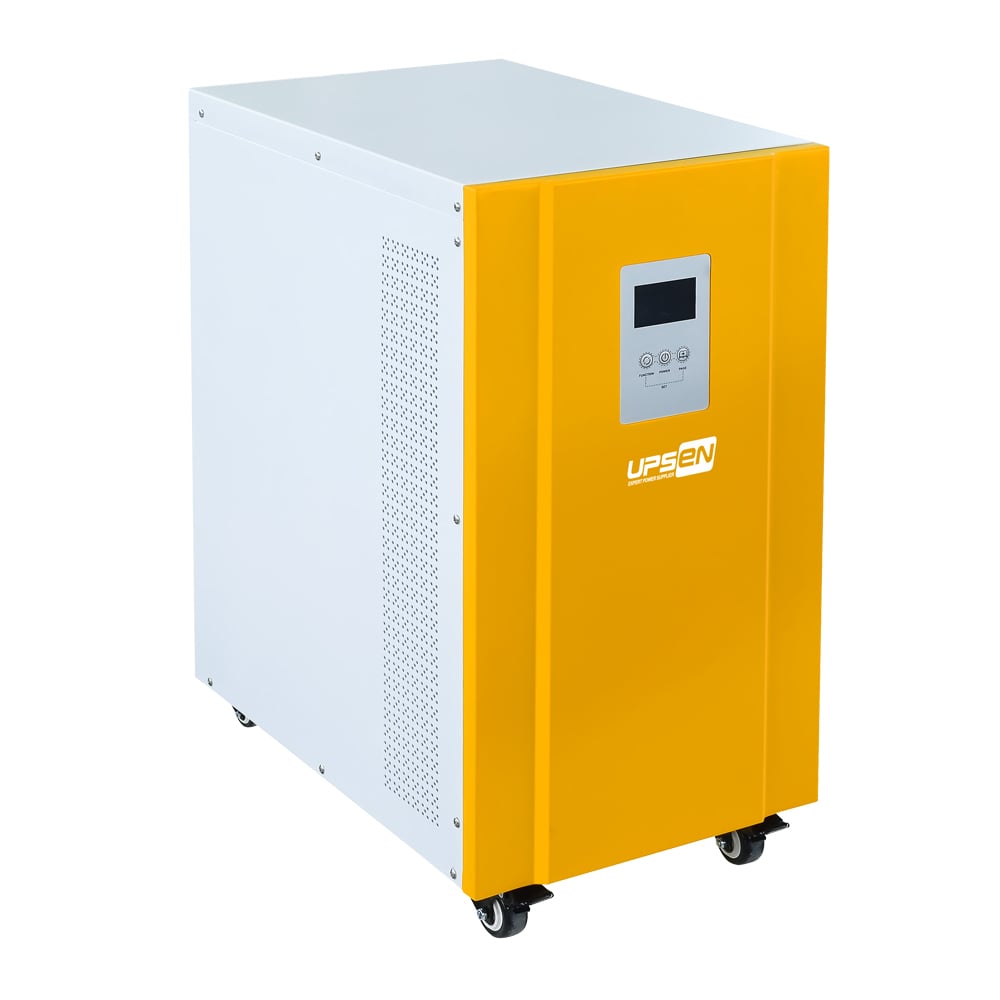
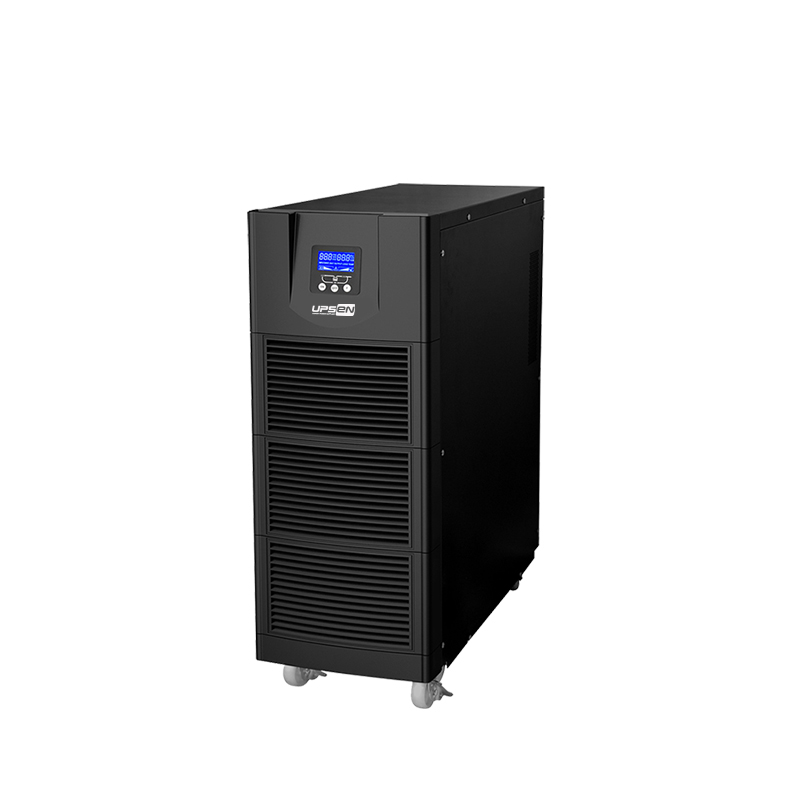
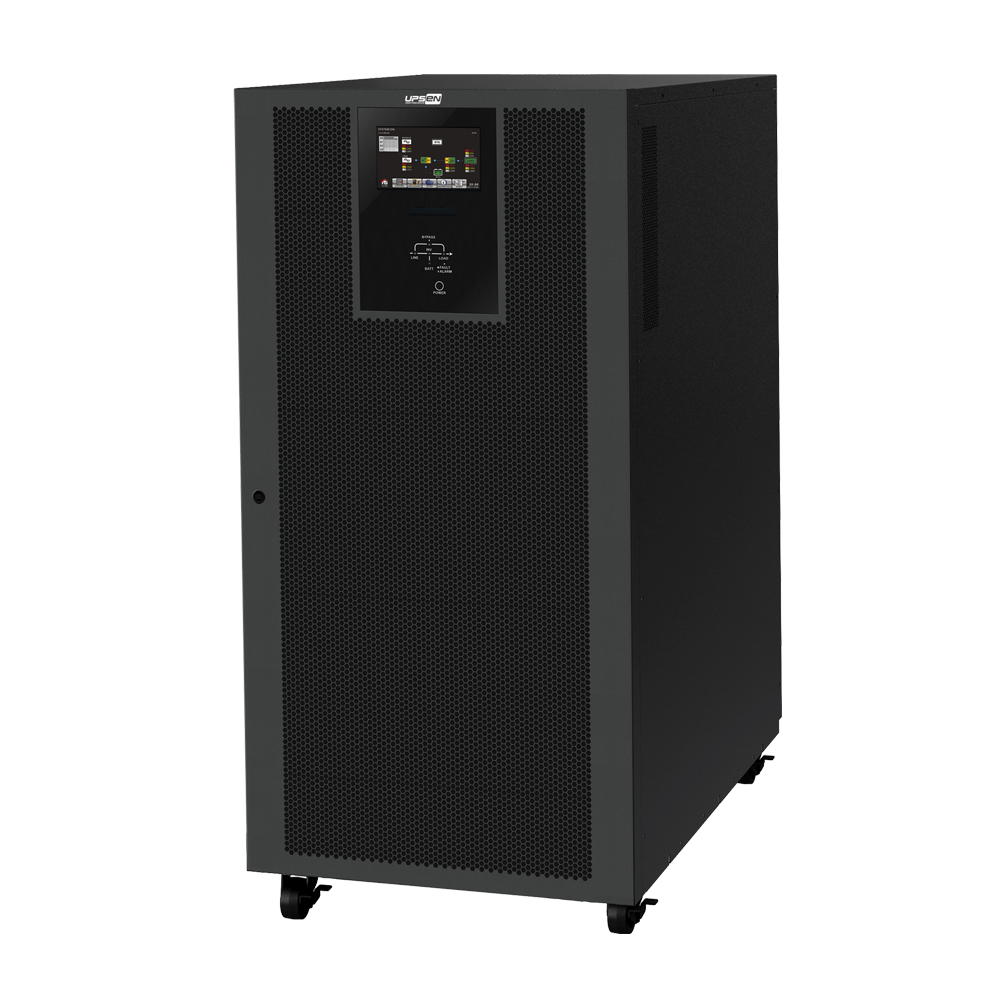
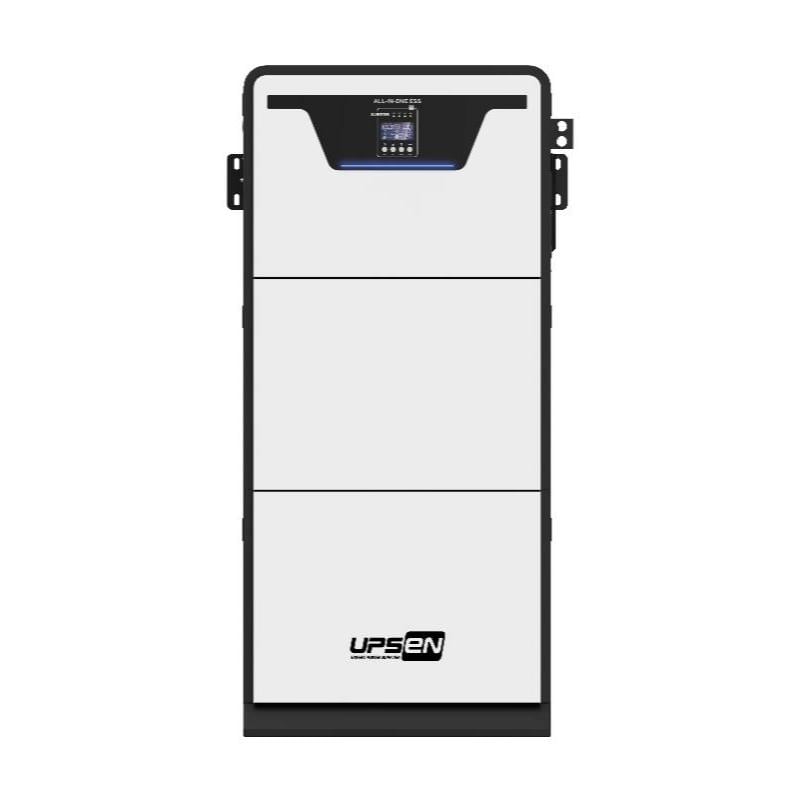
·Სისტემის გამოსავალი — სუფთა სინუსოიდალური ტალღა.
·Დაბალი მუდმივი დენსის ძაბვა, სისტემის ღირებულების შემცირება.
·AC დატენვის დენი 0–45 ამპერი, რეგულირებადი.
·Ფართო LCD ეკრანი, რომელიც ნათლად და სიზუსტით აჩვენებს სიმბოლოების მონაცემებს.
·100 % არ გაწონასწორებული ტვირთის დიზაინი, მაქსიმალური სიმძლავრე 3-ჯერ მეტი.
·Სხვადასხვა სამუშაო რეჟიმის დაყენება ცვალებადი გამოყენების მოთხოვნილებების მიხედვით.
·DC ან AC რეჟიმის პრიორიტეტის არჩევის ვარიანტი.
·Სხვადასხვა კომუნიკაციის პორტი და დაშორებული მართვა. RS232 / RS485 / APP / SNMP / GSM (არჩევით)
·Გენერატორის შეერთების მხარდაჭერა
·Ფართო შეყვანის დიაპაზონი და AVR გამოყვანილი
·Არჩევის ვარიანტი: შეიძლება დაემატოს შენადგურებული PWM ან MPPT კონტროლერი
| Მოდელი | BS10K | BS12K | BS15K | BS20K | BS25K | BS30K | BS40K | |
| Შეფასებული სიმძლავრე | 10 კვტ | 12 კვ | 15 კვ | 20 კვ | 25კვ | 30kW | 40KW | |
| Აკუმულატორი | Ნომინალური ძაბვა | 96 / 192 / 216 / 240 VDC | 192 / 216 / 240 VDC | 216 / 240 VDC | 240 VDC | 384 В მუდმივი დენსი | ||
| Მილენობის მიმდინარეობა | Მაქს. 15 A | |||||||
| Შესავალი | Ძაბვის დიაპაზონი | 85 VAC - 137 VAC / 170 VAC - 275 VAC | ||||||
| Სიხშირე | 45–65 ჰც | |||||||
| Გამომავალი | Ძაბვის დიაპაზონი | Ინვერტერის გამომავალი: 110 VAC / 115 VAC / 120 VAC / 220 VAC / 230 VAC / 240 VAC ± 2% Ძაბვის გამოტანა: 110 В~ / 115 В~ / 120 В~ / 220 В~ / 230 В~ / 240 В~ ± 10% |
||||||
| Სიხშირე | Ინვერტორის გამოტანა: 50 / 60 ჰც ± 1%; ძაბვის გამოტანა: ავტომატური თაკების მონიტორინგი | |||||||
| Ეფექტიურობა | ≥85% (80% რეზისტიული ტვირთი) | |||||||
| Გამომავალი დაფარვა | Სუფთა სინუსული ტალღა | |||||||
| Კონვერსიის დრო | ≤4 მს (ტიპიური ტვირთი) | |||||||
| Რეჟიმი | DC რეჟიმი / AC რეჟიმი | |||||||
| Ჩვენება | LCD | |||||||
| Კომუნიკაცია | RS232 | |||||||
| Გაგრილების მეთოდი | Ტემპერატურის რეგულირების ფანარის გაგრილება | |||||||
| Დაცვა | Ტვირთის გადატვირთვა / გადატვირთული დენი / მოკლე შეერთება / ტემპერატურის გადახრა | |||||||
| Температура | -10°С – 40°С | |||||||
| Ხმაური | ≤55 დბ | |||||||
| Მანქანის ზომები: სიგრძე*სიგანე*სიმაღლე (მმ) | 485*300*646 | 600*300*800 | 720*435*1120 | |||||
| Ყუთის ზომები: სიგრძე*სიგანე*სიმაღლე (მმ) | 545*360*770 | 660*360*925 | 780*495*1245 | |||||
| Ქვეშ წონა (კგ) | 66 | 105 | 108 | 113 | 123 | 135 | 160 | |
| Მთლიანი წონა (კგ) | 77 | 118 | 121 | 130 | 138 | 150 | 180 | |
| Არჩევითი: დამატება შენადგური PWM კონტროლერი (მოდელის № Blue Star Plus სერია) | ||||||||
| Რეიტინგული დენი | 50A / 100A / 150A / 200A | |||||||
| Შესასვლელი ძაბვის დიაპაზონი | 96V: 120–200 Вც; 192V: 240–350 Вც; 216V: 270–400 Вц; 240V: 300–450 Вц | |||||||
| Მაქსიმალური შესავალით ძალა | 50A (96V: 5კვტ; 192V: 10კვტ; 216V: 11კვტ; 240V: 12კვტ; 384V: 20კვტ) 100A (96V: 10კვტ; 192V: 20კვტ; 216V: 22კვტ; 240V: 24კვტ; 384V: 40კვტ) 150A (96V: 15კვტ; 192V: 30კვტ; 216V: 33კვტ; 240V: 36კვტ; 384V: 60კვტ) 200A (96V: 20კვტ; 192V: 40კვტ; 216V: 44კვტ; 240V: 48კვტ; 384V: 80კვტ) |
|||||||
| *პროდუქტის სპეციფიკაციები შეიძლება შეიცვალოს წინასწარ გაფრთხილების გარეშე. | ||||||||
Ის ძლიერი ატარებელი, რომელსაც არ აინტერესებს თუ თქვენი ტვირთი არ არის სიმეტრიული
Თქვენ იცით წესი. თქვენ გაქვთ სამფაზიანი კომპრესორით და კარგად შემოწყალებული წყლის პუმპით და equipped სამფაზიანი სამუშაო სადგური და რამდენიმე ერთფაზიანი გამოსაყვანი განლაგებული სხვადასხვა ადგილას. სტანდარტული სამფაზიანი ინვერტერი ხედავს, რომ ერთი ფაზა იღებს 80%-ს, ხოლო დანარჩენი ორი ფაზა უმოქმედობის მდგომარეობაშია, და ამიტომ არ ამუშავებს ან შემცირებს საკუთარ სიმძლავრეს უსარგებლობის მდგომარეობაში. Blus Star სერიის ინვერტერი არ არის ამ ტიპის ინვერტერი. ის შეიქმნა საწყისიდან და შეუძლია მიაწოდოს სუფთა, სინუსოიდური ძაბვა 10 კვტ-დან 40 კვტ-მდე, ასევე უკეთ ართავს იმ რეალური სამყაროს ტვირთებს, რომლებიც სხვა, ნაკლებად ეფექტურ მოწყობილობებს გამოიწვევს შეცდომას.
Დაბალი მუდმივი დენის ძაბვა, მაღალი უსაფრთხოება, დაბალი აკუმულატორის ღირებულება
Ერთ-ერთი პირველი რამ, რასაც შენიშნავთ, არის DC შეყვანის ძაბვა. ამ სიმძლავრის დონეებზეც კი Blus Star მუშაობს დაბალძაბვიანი ბატარეების ბანკებზე — ჩვეულებრივ 48 ვოლტით ან 96 ვოლტით, მოდელის მიხედვით. ეს ნიშნავს, რომ თქვენ არ გამოიყენებთ ათეულობით ელემენტებს მიმდევრობით დაკავშირების სქემაში და არ გამოიწვევთ სპეციალიზებული გამომწოვებისა და უსაფრთხოების საკითხებს, რომლებიც მაღალძაბვიანი DC სისტემების მოთხოვნას წარმოადგენენ. მიმდევრობით დაკავშირებული ბატარეების ნაკლებობა ასევე ამარტივებს ბანკის მართვას, აკეთებს მის გაფართოებას იაფად და მნიშვნელოვნად ამცირებს მომსახურების დროს საშიშროების შეძლებლობას გამოწვეული საშიშროების შეძლებლობას. თქვენ ჯერ კიდევ იძენთ ყველა 40 კილოვატს — მხოლოდ ბატარეების კონფიგურაციიდან, რომელსაც მომსახურების დროს ინჟინერიის ხარისხის გარეშე შეგიძლიათ მოახერხოთ.
Სისტემა, რომელიც მოძრავს მოტორებს
Გამოსავალი არის სუფთა, სამრეწველო ხარისხის სინუსოიდალური ტალღა. არ არის ნაბიჯებით შემოახლოებული ტალღა და არ არის შეცვლილი კვადრატული ტალღა, რომელიც მოძრავს ვენტილატორებს და გადამყარებლებს გადახურებას იწვევს. როდესაც მოძრავი ან კომპრესორი ჩაირთვება, Blus Star მოკლე დროით გამოყოფს მისი ნომინალური სიმძლავრის სამჯერ მეტ სიმძლავრეს — ამიტომ კარგად მოწყობილი წყლის პუმპა ან კონდიციონერის კომპრესორი სიმძლავრის შემცირების გარეშე უფრო სიმართლეს იწყებს და არ ართვებს ინვერტერის დაცვის სისტემას. სოფლის სახლში ან ფერმაზე ეს თავისთავად განსაზღვრავს ინვერტერის განსხვავებას: ერთი წლის განმავლობაში უწყვეტად მუშაობს, ხოლო მეორე მუდმივად გადატვირთვის და ხელით გადაყენების საჭიროებას იწვევს.
100 % დატვირთვის არ არის განაპირა ფაზაზე: ყველა დატვირთვა ერთ ფაზაზე შეიძლება დაიდებოს, ინვერტერი არ შეიძლება გადაიხრას
Სამფაზიანი ინვერტერები ჩვეულებრივ მოელვარებიან, რომ თქვენ თავად გაანაწილოთ ტვირთი თანაბრად. Blus Star-ს ეს არ აინტერესებს. მისი გამოსავალი სტუფენი ისეა შემუშავებული, რომ თქვენ შეძლებთ ერთი ფაზიდან 40 კვტ-ის სრული გამოსავალი მიღებას, ხოლო დანარჩენი ორი ფაზა უბრალოდ იყოს დაუკავშირებელი. ეს ძალიან ძალზე ჟღერს, მაგრამ ეს ხდება — შეიძლება თქვენ დიდი ერთფაზიანი ელექტროსარეცხავი გამოიყენოთ, ან გამათბობელი ბანკი, ან სამუშაო სადგური, რომელიც ყველა შემთხვევაში L1-ზე არის დაყენებული. ინვერტერი ყველა სამი ფაზაზე ძაბვას სტაბილურად მართავს და არ არის რაიმე პრობლემა. როდესაც ტვირთი დღეს განმავლობაში ცვლილებას განიცდის, ამ ტიპის ტოლერანტობა არის მუდმივი ბალანსირების აუცილებლობის გარეშე.
Შეგაძლებლობა დააყენოთ სასურველი სარეცხი დენი
Შენადგურებული AC მოწყობილობა არ არის მცირე ძაბვის მოწყობილობა. თქვენ შეგიძლიათ მოარეგულიროთ მუხტვის დენი 0-დან 45 ამპერამდე, პირდაპირ წინა პანელიდან. თუ თქვენ გაქვთ დიდი ლითიუმის ბანკი, რომელიც სწრაფად შეიძლება დენის მოხმარება, გაზარდეთ იგი და მოახდინეთ აკუმულატორების სრული მუხტვა მოკლე გენერატორის მუშაობის დროს. თუ თქვენ მოვარჯვებთ ძველ სვინცის-მჟავას ბანკს, შეამცირეთ დენი, რათა ელემენტები გაგრილდეს და დამაკმაყოფილებლად მუშაობდეს. მუხტვის მოწყობილობა ასევე საშუალებას აძლევს მოარეგულიროთ შთანთქმის და მუდმივი ძაბვის მნიშვნელობები, ამიტომ ის კარგად მუშაობს დახურული სვინცის-მჟავას, ჰელის, AGM და ლითიუმ-რკინის ფოსფატის (LiFePO4) აკუმულატორებთან გარე კონტროლერების გარეშე.
Ფართო LCD, რომელიც ნამდვილად აჩვენებს, თუ რა მიმდინარეობს
Არ არსებობს მცირე ხატულები და არ არსებობს კოდირებული მომავალი სინათლე. წინა პანელზე განთავსებულია ფართო LCD ეკრანი, რომელიც ერთდროულად აჩვენებს შეყვანის ძაბვას, გამოტანის ძაბვას, ტვირთის პროცენტს, აკუმულატორის დონეს და სამუშაო რეჟიმს. ეკრანი საკმარისად დიდია, რათა მისი წაკითხვა შეიძლებოდეს ოთახის საპირორდო მხარეს მყოფი ადამიანის მიერ, ხოლო მენიუები ისე არის განლაგებული, რომ პარამეტრების შეცვლა შესაძლებელია მანქანის სახელმძღვანელოს ძებნის გარეშე. იმ ერთეულისთვის, რომელიც შეიძლება მოთავსდეს ბნელ სასამართლო ოთახშებში ან მტვერიან მასტერ სამსახურში, ეს გასაგებობა მნიშვნელოვანია.
Სამუშაო რეჟიმები თქვენს ენერგიის Kayvარს შესატყოლებლად
Არ ყველა ადგილზე არის ერთნაირი ელექტროქსელის, გენერატორის და მზის ენერგიის შერევა. Blus Star-ს საშუალებას აძლევს აირჩიოთ ენერგიის Kayვარების პრიორიტეტები:
`DC პრიორიტეტი : ჯერ აკუმულატორიდან მუშაობა, ხოლო მხოლოდ მაშინ გადასვლა AC შეყვანაზე, როდესაც აკუმულატორის ძაბვა დაეცემა განსაკუთრებულ მნიშვნელობამდე. ეს იდეალურია მიუწვდომელი სისტემებისთვის ან იმ ადგილებისთვის, სადაც გსურთ შენახული ენერგიის გამოყენება პიკური ტარიფის საათებში.
`AC პრიორიტეტი : ელექტროქსელის ან გენერატორის ძაბვის გატარება ტვირთზე და აკუმულატორის შევსების მიზნით მუშაობა მარაგის მოწყობილობით. გადასვლა ინვერტერზე მხოლოდ მაშინ, როდესაც AC Kayვარი გათიშვება. ეს არის კლასიკური რეზერვული რეჟიმი.
`Ჰიბრიდული რეჟიმი ინვერტერი საჭიროების შემოსასავალთან ერთად ხელოვნურად არეგულირებს მზის, ბატარეისა და ქსელის მომარაგებას, რაც ამცირებს არააღმოსავლეთური ენერგიის საკუთარი მოხმარების მაქსიმიზაციას და ყოველთვის მზად არის ბატარეის გამოყენება გამორთვის შემთხვევაში.
Რეჟიმების შეცვლა შესაძლებელია LCD-დან, ხოლო მოწყობილობა მეხსიერებს თქვენს არჩევანს ძაბვის ციკლების განმავლობაში. არ არსებობს მკაცრი საწარმოს ნაგებობის პარამეტრები, რომლებზეც თქვენ დაკავებული ხართ.
Ავტომატური გენერატორის გაშვება და AVR-ის სტაბილიზაცია
Თუ თქვენი ბატარეის ბანკი დაიწყებს დაცვას, Blus Star შეძლებს სტენდბაი გენერატორს სტარტის სიგნალის გაგზავნას სუფთა კონტაქტის მეშვეობით. როდესაც გენერატორი მუშაობს და სტაბილურია, ინვერტერი მიიღებს მის მომარაგებას — მაშინაც კი, თუ გენერატორის ძაბვა და სიხშირე არ არის სრულყოფილი. ფართე შემოსავალი ფანჯარა და შემონაგროვებული ავტომატური ძაბვის რეგულაცია (AVR) გასაწმენდად ამუშავებს შემოსავალ ენერგიას მისი თქვენს მოწყობილობებს ან მუხლის მომარაგებას მიღებამდე. ეს ნიშნავს, რომ თქვენი მგრძნობარე ელექტრონული მოწყობილობები სტაბილურ ძაბვას ხედავენ, მაშინაც კი, როდესაც გენერატორის რეგულატორი არ არის სტაბილური.
Კომუნიკაციები, რომლებიც თავისუფალად ინფორმირებენ თავს
Თქვენ არ ხართ შეზღუდული ერთი მონიტორინგის მეთოდით. Blus Star-ს სტანდარტულად აქვს RS232 და RS485, ასევე ხელმისაწვდომია SNMP, GSM დაშორებული გაფრთხილებები და სმარტფონის აპლიკაცია. მიუხედავად იმისა, რომ გსურთ სისტემის სტატუსის შემოწმება სახლიდან, დაბალი ბატარეის დროს SMS-ის მიღება ან ინვერტერის შეყვანა შენობის მართვის სისტემაში — ამ ყველაფერს შეესაბამება შესაბამო პორტი. დაშორებული ტელეკომუნიკაციური სადგურების ან უმეთაურო მიწის გარეთ მდებარე კოტეჯების შემთხვევაში ეს კავშირგაბატობა შავ ყუთს იმ რამედ აქცევს, რომელსაც მართლაც შეგიძლიათ დაშორებით მართოთ.
Არჩევითი სოლარული მუხტვის კონტროლერი ჩაშენებული საკუთარ სხეულში
Თუ განიხილავთ სოლარული სისტემის დამატებას — ახლა ან მომავალში — Blus Star შეიძლება შეკვეთილ იქნას ჩაშენებული PWM ან MPPT მუხტვის კონტროლერით. ეს ინვერტერს სოლარულ ჰიბრიდულ სისტემად აქცევს ცალკე მუხტვის კონტროლერის ყუთის, დამატებითი ვერცხლის ან სხვა ავტომატური გამორთვის მოწყობილობების გარეშე. პანელები პირდაპირ ინვერტერზე არის დაკავშირებული, ხოლო კონტროლერი მართავს ბატარეის მუხტვას სოლარული ენერგიის და ცხადი დენის მუხტვის მოწყობილობის მეშვეობით. ეს უფრო სუფთა დაყენება და უფრო მარტივი ნაკრების სიაა.
Სად ამტკიცებს Blus Star თავის შესაძლებლობებს
Ეს არ არის პატარა ინვერტერი ფურგონის რეკონვერსიისთვის. ეს არის სერიოზული ენერგიის ცენტრი იმ ადგილებისთვის, რომლებსაც სჭირდება მძლავრი, უწყვეტი AC ძაბვა:
`Ოფ-გრიდის სახლები და ფერმები წყლის პომპების, კომპრესორების, გამაგრების კამერების და საყოფაცხოვრებო ტვირთების მოწყობილობების მომსახურება
`Ტელეკომუნიკაციის ბაზისური სადგურები სად სჭირდება სამფაზიან მოწყობილობას სუფთა, იზოლირებული ძაბვა
`Რემოტული სამსახურები და მაღაროები რომლებშიც გამოიყენება როგორც ერთფაზიანი, ასევე სამფაზიანი ხელსაწყოები
`Პატარა საწარმოების რეზერვული ძაბვა რომლებსაც არ შეუძლებელია წარმოების შეწყვეტა
`Ნარევი მზის ენერგიის სისტემები სადაც ელექტროსადგური არ არის სანდო და გენერატორებისთვის საწვავი ძვირადღებულია
Თუ არჩევთ ინვერტერს 10–40 კვტ დიაპაზონში და გჭირდებათ მოწყობილობა, რომელიც უკლებლად არის შესაძლებელი არ ამცირებს სიმძლავრეს არ არის გადატვირთული ტვირთების შემთხვევაში, მოძრავს მოტორებს მინიმალური დაძაბვის გარეშე და სრულად კონტროლავს აკუმულატორების დატენვას და ენერგიის გამოყენების პრიორიტეტებს, მაშინ Blus Star სერია არის ის მუშა ცხენი, რომელიც საკუთარ ადგილს იმსახურებს. ეს არის დიდი, კონფიგურაციად შესაძლებელი და არ უკეთებს შენობის ტვირთების გამო შეუძლებლობას, როდესაც ისინი არ არიან სამართლიანი.

ჩინეთი, Шэньчжэნი, Бао’анის რაიონი, Синцяოს ქუჩა, Тунфанგ ცენტრი, ძონгსინისა და Хаосიანგის ქუჩების გადაკვეთა, სახლი №1409–1410
Ყველა უფლება დაცულია © Shenzhen UPSEN Electronic CO., LTD. Კონფიდენციალურობის პოლიტიკა
 EN
EN