·Zero Transfer Time
·DSP Digital Control Based
·Ultra Wide Input Mains Range
Strong compatible with ultra with electric environment, stay well with ultra wide range mains of 60V~145V,40~70Hz.
·Best Loading Capability
Up to 0.9 Output Power Factor,50/60 Hz Automatically adapting
·Genset Compatible
·High Input Power Factor
>0.99 input power factor
·Reliable Design
Made with strong Glass fiber base (FR4) double side PCB.
·Open to Customization
The product is able to be customized to match need of integration of automatic system or intelligent supervisory system
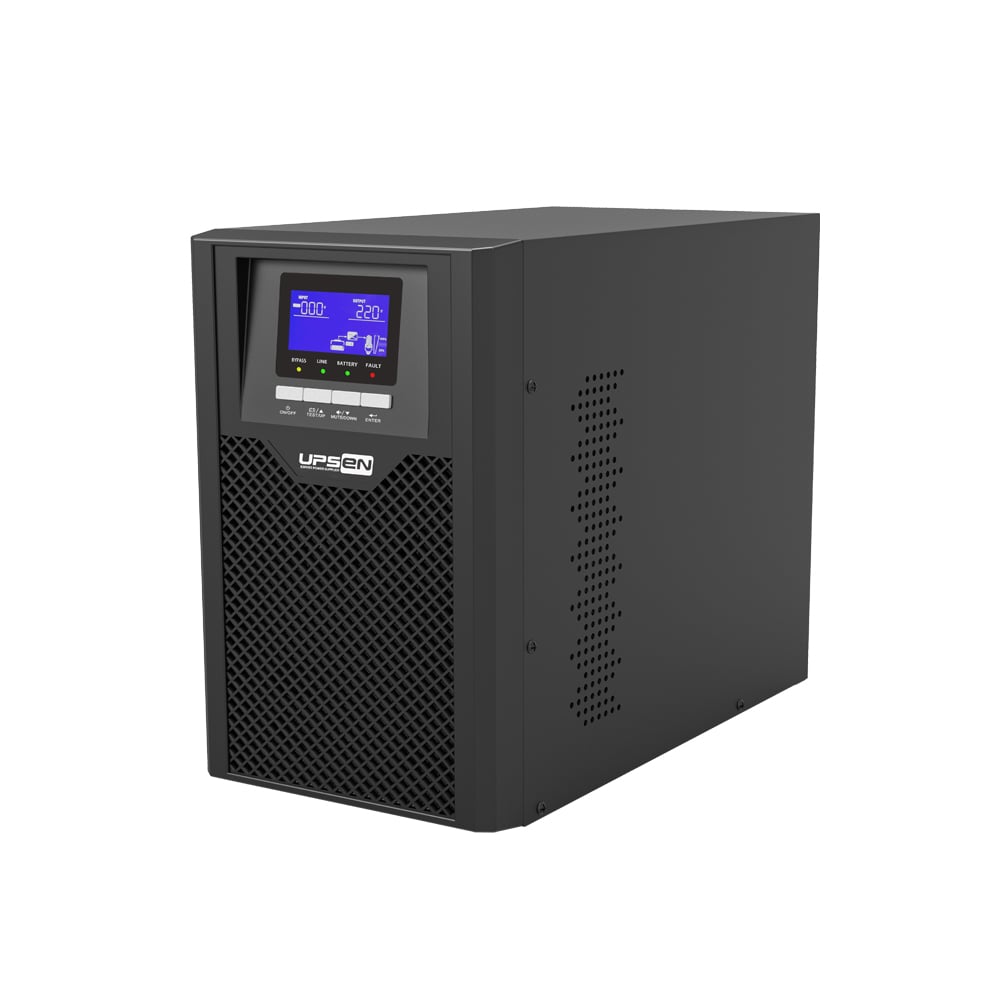
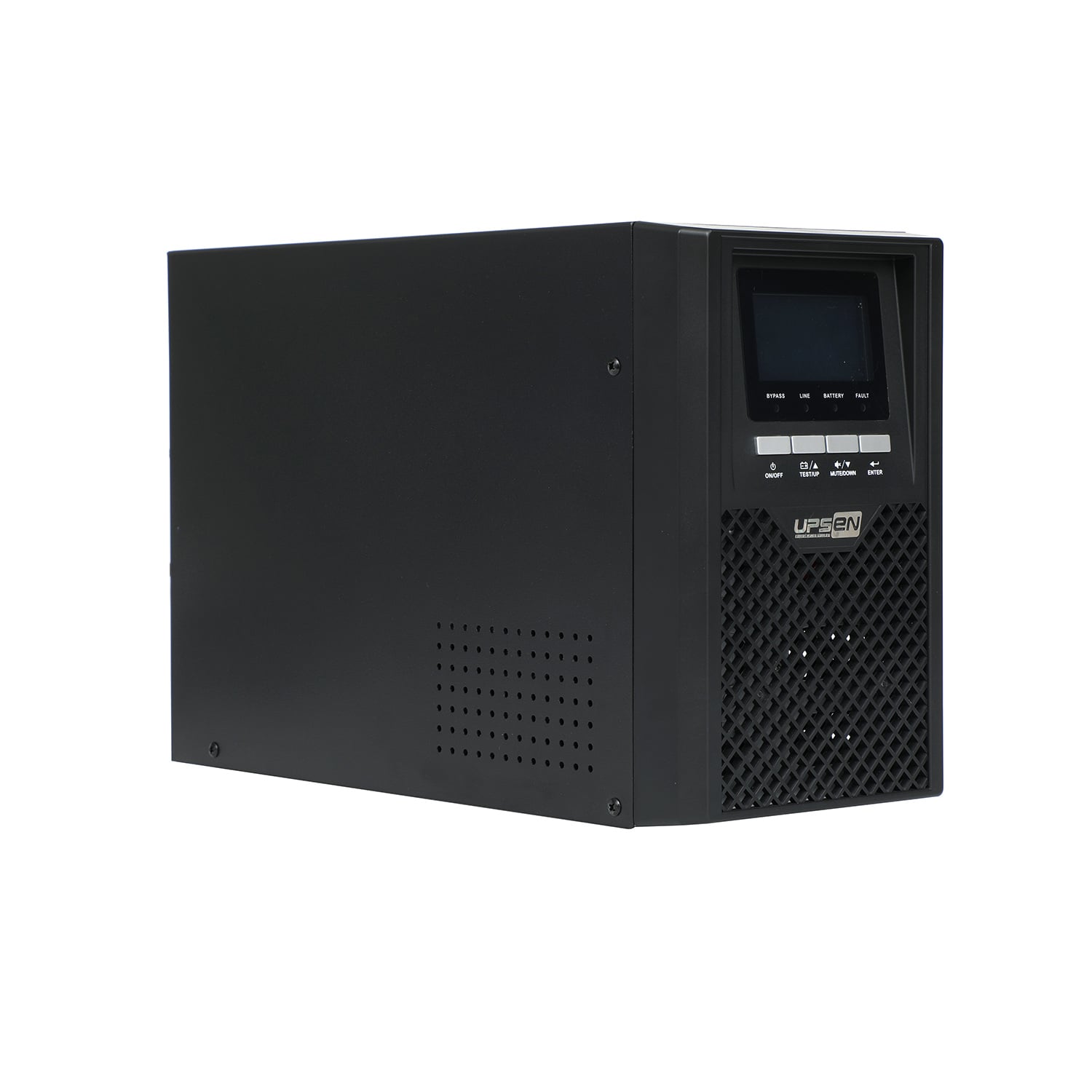
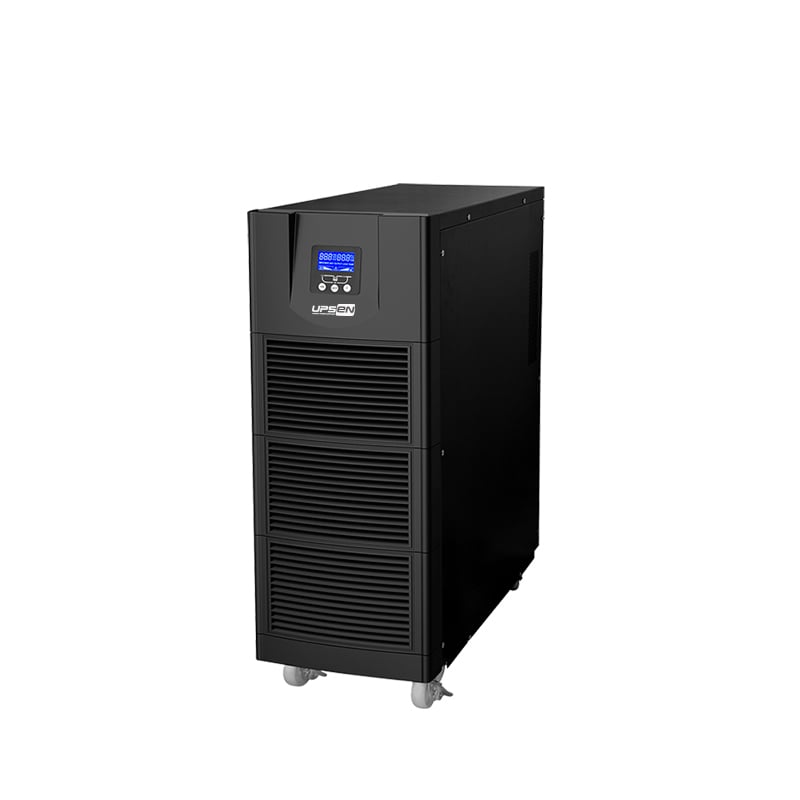
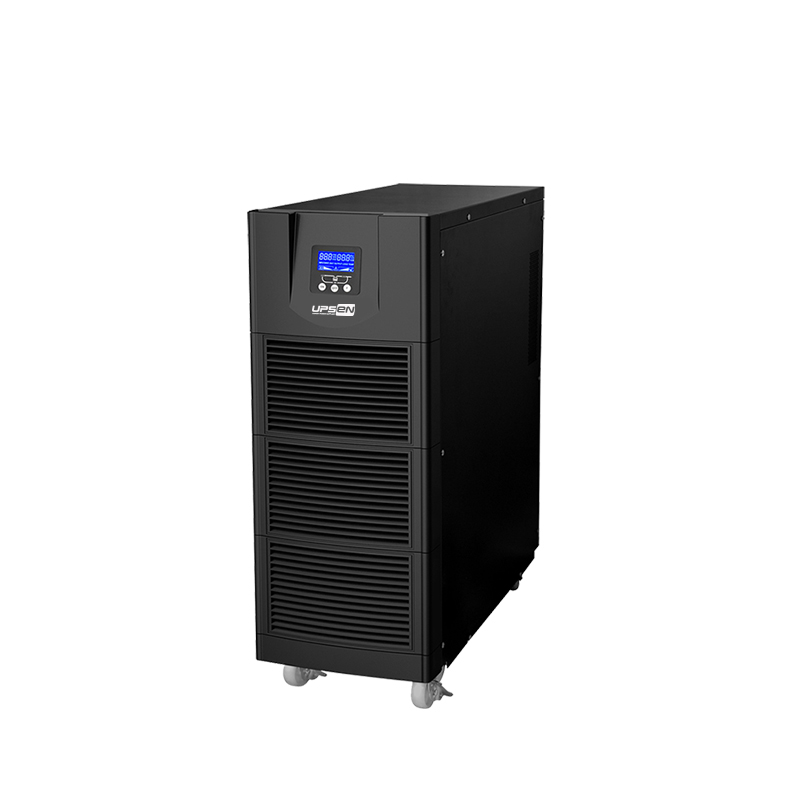
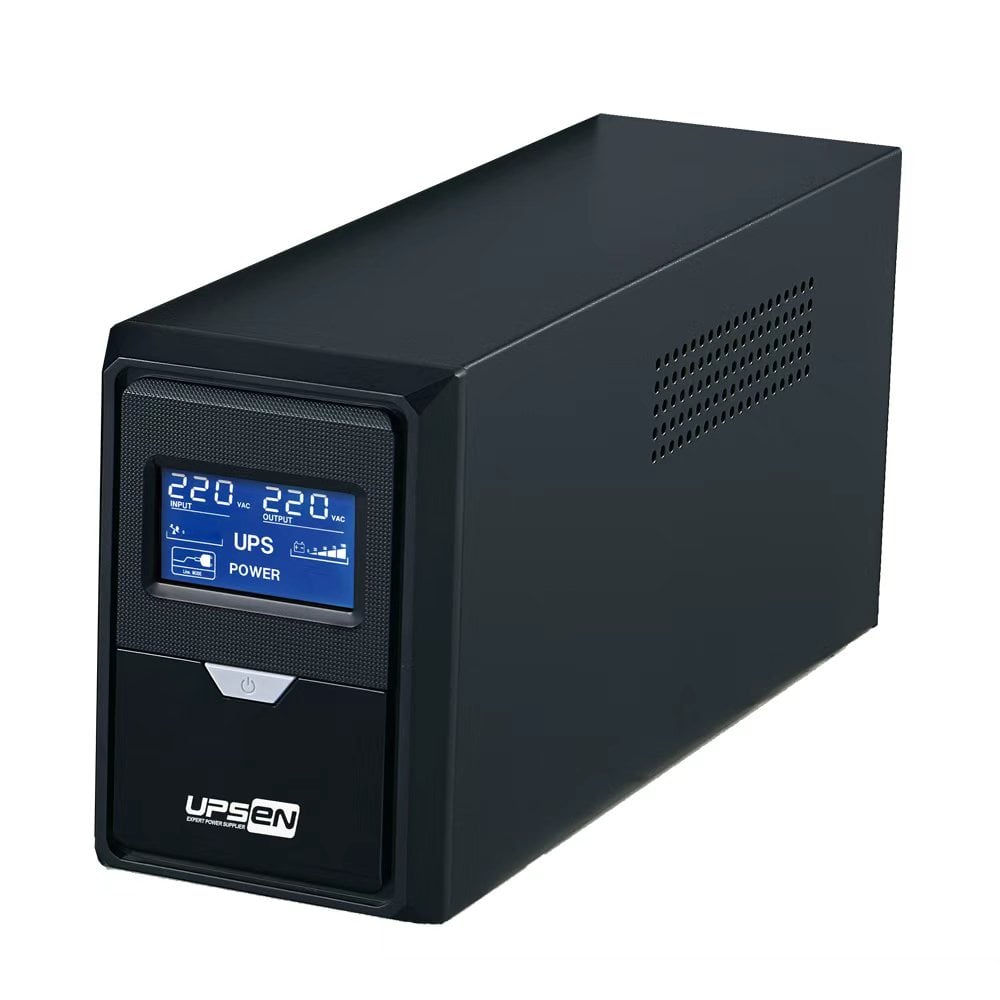
| Tower Model | S1K | S1KL | S2K | S2KL | S3K | S3KL | S6K | S6KL | S10K | S10KL |
| Phase | Single phase (L/N+PE) | |||||||||
| Capacity | 1KVA / 900W | 2KVA / 1.8KW | 3KVA / 2.7KW | 6KVA / 5.4KW | 10KVA / 9KW | |||||
| Input | ||||||||||
| Nominal Input Voltage | 208/220/230/240Vac | |||||||||
| Input Voltage Range | 90~300VAC±5VAC | |||||||||
| Frequency | 50 / 60 Hz | |||||||||
| Input Frequency Range | 40~70Hz | |||||||||
| Input Power Factor | >0.99 | |||||||||
| Bypass Voltage Range | 180 ~ 265VAC *(1±3%) | |||||||||
| Output | ||||||||||
| Output wiring system | Single phase (L/N+PE) | |||||||||
| Output Voltage | 208/220/230/240Vac±2% | |||||||||
| Output Voltage Regulation | 1% | |||||||||
| Output Frequency | 50/60±4Hz (Sync mode); 50/60Hz±1% (Fix Freq. mode) | |||||||||
| Overload Capability | 105~125%≥ 60s, 126~150%≥30s The recover point is 70% | |||||||||
| Output THDV% | THD<2% (linear load) ; THD<7% (nonlinear load) | |||||||||
| Output Waveform | Pure Sine Wave | |||||||||
| Transfer Time | ||||||||||
| Line mode ↔ Bat Mode | 0ms | |||||||||
| Inv ↔ Bypass Mode | <4ms | |||||||||
| Efficiency | ||||||||||
| Line Mode | 86% | 88% | 89% | 92% | 93% | |||||
| Battery Mode | 85% | 86% | 87% | 92% | 93% | |||||
| Battery & Charger | ||||||||||
| Nominal Voltage | 24V | 24V/36V | 48V | 48V/72V | 72V | 72V/96V | 144V/192V | 192V/240V | 192V / 240V | |
| Battery Voltage / Capacity |
2*12V/7AH | External Battery | 4*12V/7AH | External Battery | 6*12V/7AH | External Battery | 12/16*12V/7AH | External Battery | 16/20*12V/7AH | 192V/240V External Battery |
| Battery Type | Valve Regulated Maintenance Free Lead Acid (VRLA) for Standard Model with Internal Battery | |||||||||
| Backup Time | Half loaded≥8minutes, Full loaded ≥3minutes(standard) | Half loaded≥6minutes, Full loaded ≥3minutes(standard) | ||||||||
| Recharge Time | ~5 Hours | Subject to External Battery Config | ~5 Hours | Subject to External Battery Config | ~5 Hours | Subject to External Battery Config | ~5 Hours | Subject to External Battery Config | ~5 Hours | Subject to External Battery Config |
| Recharge Current | 1A | 4A | 1A | 4A | 1A | 4A | 1A | 4A | 1A | 4A |
| HMI | ||||||||||
| Display | LCD | |||||||||
| Buzzer Alarm | Bat.Mode / Bat.Low / OverLoad / Fault | |||||||||
| Communication Port | Standard: RS232+EPO/ROO+USB PORT; SNMP Card Slot (Option) | |||||||||
| Alarm Function | AC / DC input under abnormal, overload condition and Inverter problems | |||||||||
| Protection Function | AC input or output above or below the range of voltage, overload, over temperature and short circuit protection | |||||||||
| Physical | ||||||||||
| Machine Size-W*D*H(mm) | 144*349*224 | 190*368*323 | 190*368*323 | 190*566*472 | 190*399*323 | 190*562*340 | 190*562*340 | |||
| Package Size-W*D*H(mm) | 243*458*312 | 295*460*435 | 295*460*435 | 335*670*665 | 295*460*435 | 335*670*665 | 290*625*430 | |||
| Net Weight(KG) | 8.4 | 4.5 | 16 | 6 | 20.7 | 7.7 | 48.3 | 9.9 | 50.1 | 13.5 |
| Gross Weight(KG) | 9.5 | 5.6 | 17.4 | 7 | 22 | 9.5 | 55 | 11.4 | 56.8 | 15.2 |
| Environment | ||||||||||
| Humidity | 5~97% (Non Condensing) | |||||||||
| Operating Ambient Temperature |
0~40℃ | |||||||||
| Audible Noise | <50dB | <55dB | ||||||||
| *External Battery Pack Rated Voltage Can Select Upon Order, 192 / 240V | ||||||||||
| *Product Specifications are Subject to Change Without Notice. | ||||||||||
The Lithium Advantage, Scaled to Fit Your Rack
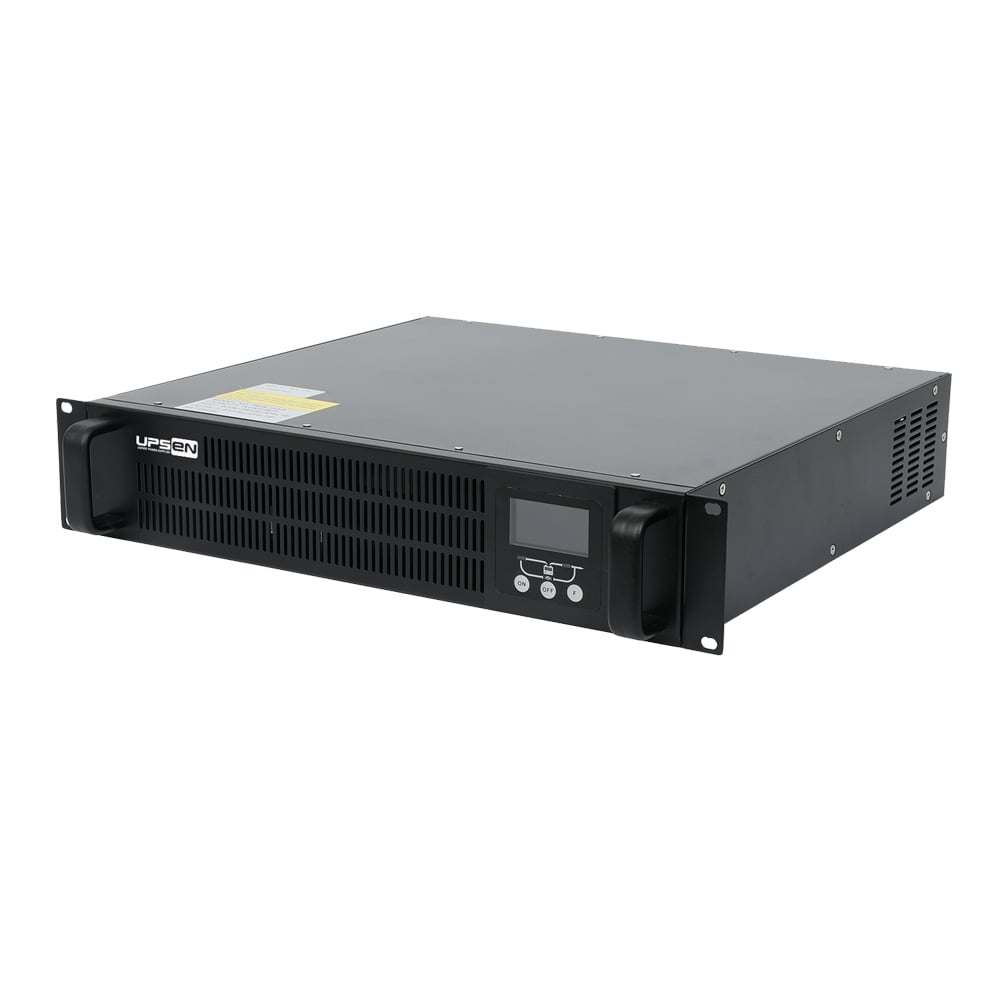
If the 1–3kVA Sun Star Li is the smart choice for network closets and single pieces of critical gear, the 1–10kVA version is what you reach for when the whole rack needs that same treatment. It's the same architecture—true online double-conversion, lithium-ion battery inside, three-level inverter handling the rough stuff—but now you can spec it anywhere from one to ten kVA. That covers a lot of ground: a fully loaded server cabinet in a branch office, a small data room in a research building, a manufacturing cell that can't tolerate downtime, or a cluster of medical devices in a treatment suite.
No Transfer Time, Full Stop
Because this is an online UPS, your load runs off the inverter 100 percent of the time. There's no switch to throw when the grid fails. The inverter has been powering your equipment all along; when utility drops, the DC bus simply draws from the battery instead of the rectifier. The output sine wave doesn't skip a beat. If your equipment logs power events, this unit won't generate a single entry.
DSP and a Ridiculously Wide Input Window
Everything inside is coordinated by a DSP controller that keeps the inverter frequency and voltage locked tight, regardless of what the grid is doing. And the grid can be doing a lot. The input voltage range is 60V to 145V, and the frequency range is 40 to 70Hz. That's unusually wide, especially on the low end—most UPS units in this class start to complain well before they see 60 volts. In practice, this means the UPS stays on utility power longer during brownouts, during generator ramp-ups, and in places where the mains voltage dips every time a large motor starts. It uses the battery only when it absolutely has to. And because lithium cells deliver their rated cycle life, you actually want to conserve those cycles rather than burn them on every minor sag.
Generator Friendly by Design
At 10kVA, you're likely in a situation where a backup generator is part of the plan. The wide frequency tolerance pays off here too. Smaller generators and portable units rarely produce the clean, stable frequency of the utility grid. Many UPS units reject generator power as unstable and end up cycling their batteries while the generator runs—defeating the whole purpose. The Sun Star Li (LV) accepts that rougher input and conditions it through the double-conversion stage, so your load sees perfect output even when the generator is having a rough day.
Active PFC and Clean Power on Both Ends
Input power factor is better than 0.99, thanks to active power factor correction. The UPS draws current in a clean sine wave, in phase with the voltage. That means the upstream wiring and transformer aren't dealing with harmonic currents. When you're pulling up to 10kVA from a panel, that kind of cleanliness matters—fewer nuisance trips, less heating in the neutral, and a happier facilities electrician.
On the output side, power factor is 0.9. That's a solid match for modern IT equipment with active PFC power supplies. A 10kVA unit delivers 9kW of real power, which means you're actually using the capacity you spec'd, not losing a third of it to a legacy 0.7 rating.
Built for the Long Haul
Inside the chassis, the main PCB is FR4 glass fiber, double-sided, with conformal coating. That construction holds up better than standard phenolic boards when things get warm, dusty, or slightly humid—common conditions in mechanical rooms, factory offices, and outdoor-rated cabinets that aren't exactly climate-controlled server farms. The components are selected with thermal headroom in mind, so daily temperature swings don't gradually crack solder joints. It's the kind of design choice that doesn't show up on the first day, but after three or four years in a hot electrical closet, it's the difference between a unit that's still running and one that's been swapped out.
Open Architecture for Custom Integration
The controller inside is powerful, and we've kept the architecture open. If you're a system integrator building a custom control panel, a facilities manager who wants the UPS talking to a building management system, or an OEM who needs to embed power protection into a larger piece of equipment, this unit can be customized. The firmware, the communication protocols, the alarm logic—they're not locked down. That's rare in this class, where most units are sealed appliances with no room for modification.
Lithium, Across the Full Range
The "Li" in the name tells you the battery chemistry. These are lithium-ion cells, not lead-acid. The exact runtime and physical dimensions vary depending on whether you're looking at the 1kVA, 6kVA, or 10kVA model, but the fundamental advantages stay consistent across the board: up to three times the runtime in half the footprint, and thousands of charge-discharge cycles before the battery shows meaningful degradation. In a 10kVA installation, that footprint savings can be the difference between a single tidy cabinet and a wall of batteries you have to service twice a year.
Where It Lands
The 1–10kVA span covers a lot of real-world applications:
`Small server rooms and data closets where rack space is at a premium
`Edge computing nodes in retail or logistics hubs
`Medical imaging carts and diagnostic stations
`Light industrial control panels and automation cells
`Digital signage and broadcasting equipment in transit stations or studios
`Any site where a lead-acid UPS would be too bulky or too high-maintenance
You pick the kVA that matches your load. You get the same DSP control, the same wide input tolerance, the same PFC, and the same lithium longevity in every size. If you outgrow 3kVA and need 6 or 10, you're not learning a new platform—you're just ordering a bigger version of the same unit.
The Sun Star Series Li (LV) is what happens when you stop treating the battery as an afterthought and build the UPS around the energy storage from the start. It's online-grade protection, with lithium's size and lifespan benefits, scaled from a single rack to a full electrical room.

1409-1410, Tongfang Center, the intersection of Zhongxin Rd. and Haoxiang Rd., Xinqiao St., Bao'an Dist., Shenzhen, China.
Copyright © Shenzhen UPSEN Electronic CO., LTD. All Rights Reserved Privacy Policy
 EN
EN