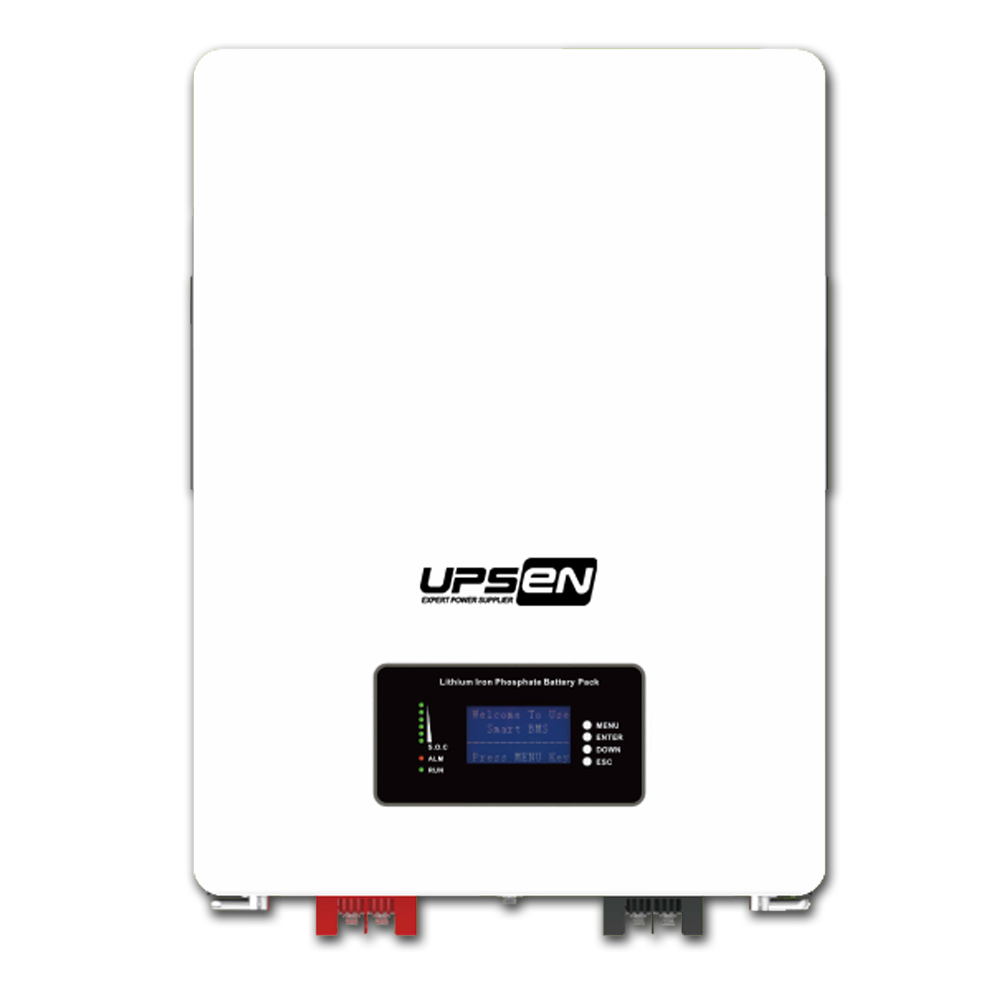
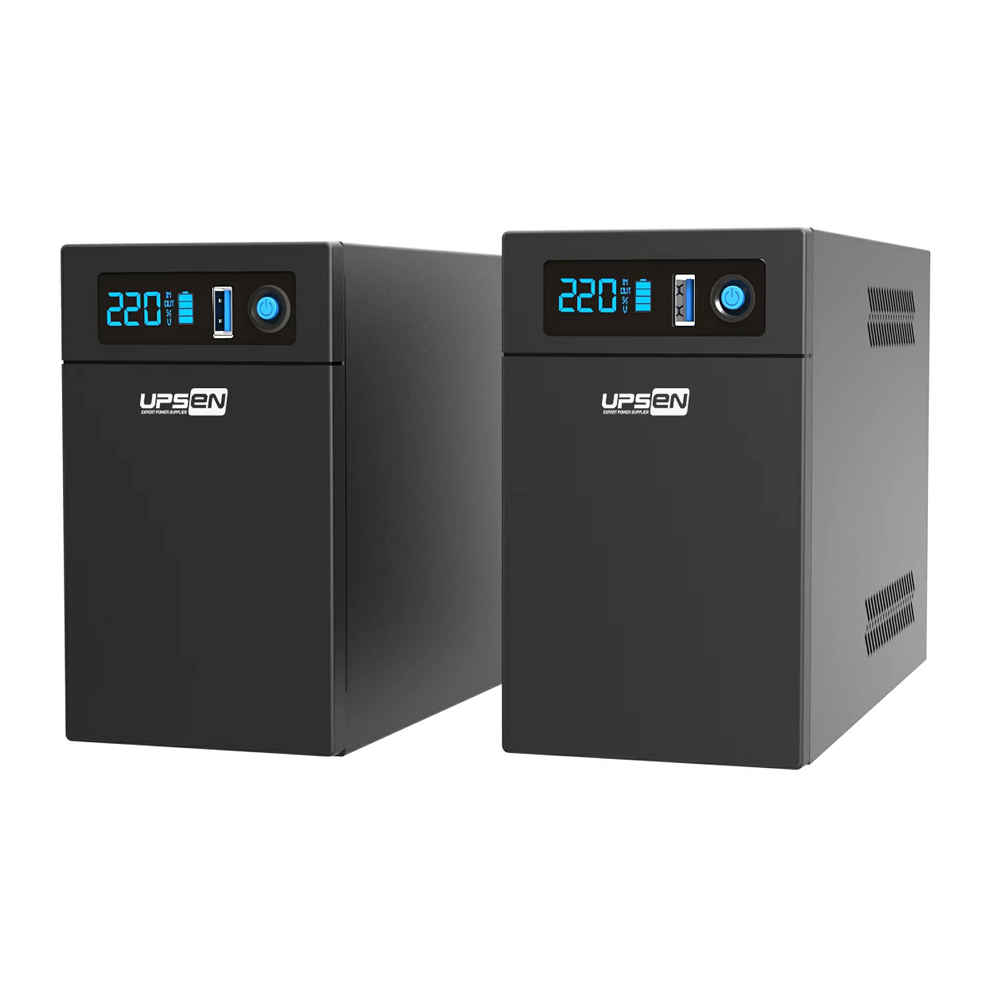
Lithium-ion batteries have become the backbone of modern energy storage, powering everything from electric vehicles and renewable energy systems to portable electronics and industrial backup power. Yet not all lithium-ion batteries are created equal. For demanding applications where reliability, performance, and safety are non-negotiable, understanding the key requirements of a high-quality lithium-ion battery is essential. Broadly speaking, three core criteria define a superior battery: long service life, high energy and power density, and dependable safety performance. This article examines each requirement in detail and explains why they matter for real-world applications.
Requirement #1: Long Service Life
A high-quality lithium-ion battery must deliver a long and predictable service life. In the industry, battery life is typically evaluated through two complementary metrics: cycle life and calendar life.
- Cycle life refers to the number of complete charge-discharge cycles a battery can undergo before its remaining capacity falls below a specified threshold—commonly 80% of the original nominal capacity. For example, if a manufacturer claims 2,000 cycles, the battery should still retain at least 80% capacity after those cycles under standard test conditions.
- Calendar life refers to the total time a battery can remain functional—whether actively used or stored—before its remaining capacity drops below the same 80% threshold. Calendar aging occurs due to chemical side reactions even when the battery is idle.
End of life is generally defined as the point at which the battery's capacity decays to 80% of its nominal capacity under standard conditions (typically 25°C ambient temperature, standard atmospheric pressure, and a discharge rate of 0.2C). It is important to note that cycle life is usually calculated based on full charge-discharge cycles. During operation, irreversible electrochemical reactions inside the cell—such as electrolyte decomposition and active material degradation—cause gradual capacity loss. Experimental evidence shows that higher discharge rates accelerate capacity fade, while lower discharge currents allow the battery voltage to remain closer to equilibrium, releasing more usable energy and extending effective life.
For applications such as electric vehicles, grid energy storage, and UPS systems, a long cycle and calendar life directly translate into lower total cost of ownership and fewer battery replacements over the system's lifetime.
Requirement #2: High Energy Density and Power Density
Energy density and power density are two critical performance indicators that determine how much energy a battery can store and how quickly it can deliver that energy.
Energy density is defined as the amount of energy stored per unit volume or mass. It is typically divided into two dimensions:
- Gravimetric energy density (Wh/kg) = Battery capacity × Discharge platform / Weight
- Volumetric energy density (Wh/L) = Battery capacity × Discharge platform / Volume
The higher the energy density, the more electricity can be stored in a given weight or volume. This is particularly important for electric vehicles, where space and weight constraints directly impact driving range and vehicle efficiency.
Power density refers to the maximum discharge power per unit weight or volume. It indicates how quickly the battery can release energy. High power density is essential for applications requiring rapid acceleration, fast charging, or high peak loads.
In the limited space of road vehicles, increasing both energy density and power density is the most effective way to improve overall performance. In addition, many government subsidy programs—including those in major EV markets—use energy density and power density as key thresholds to determine subsidy levels, further underscoring their commercial importance.
However, there is an inherent trade-off between energy density and safety. As energy density increases, the battery stores more active material in a smaller space, which can raise the risk of thermal runaway and make safety management more challenging. High-quality battery manufacturers must therefore balance these competing demands through advanced materials, robust cell design, and intelligent battery management systems.
Requirement #3: Reliable Safety Performance
Safety is the most fundamental requirement for any lithium-ion battery, especially as energy density continues to rise. The safety of a lithium-ion battery depends on two broad factors: the stability of internal materials and the effectiveness of auxiliary safety measures.
Internal material stability includes the chemical and thermal stability of the positive and negative electrode materials, the separator, and the electrolyte. A high-quality battery uses carefully selected materials that resist decomposition, prevent internal short circuits, and maintain structural integrity under normal and abusive conditions. The separator, in particular, must maintain its mechanical strength and porosity even at elevated temperatures to prevent direct contact between electrodes.
Auxiliary safety measures provide additional layers of protection. These include:
- Safety vents that release internal pressure before the cell casing ruptures
- Fuses that interrupt current flow during overcurrent events
- Positive temperature coefficient (PTC) resistors that increase resistance when temperature rises, limiting current
- Battery management systems (BMS) that monitor voltage, temperature, and current in real time, and take protective action when abnormal conditions are detected
Together, these features help prevent catastrophic failures such as thermal runaway, fire, or explosion. High-quality lithium-ion batteries must comply with international safety standards such as UN38.3, IEC 62133, UL 1642, and others, ensuring they can withstand overcharge, short circuit, crush, nail penetration, and thermal abuse without compromising safety.
Why These Requirements Matter
For system integrators, OEMs, and end users, selecting a battery that meets all three requirements—long life, high energy/power density, and safety—is critical. A battery with excellent energy density but poor cycle life may require frequent replacements, driving up long-term costs. A battery with long life but inadequate safety features poses unacceptable risks in densely populated or sensitive environments. Only batteries that excel across all three dimensions can be considered truly high-quality.
Conclusion
High-quality lithium-ion batteries are defined by more than just capacity. Long service life ensures economic viability and operational continuity. High energy and power density enable compact, high-performance designs. Reliable safety performance protects people, property, and equipment. For organizations deploying battery-powered systems—whether in electric vehicles, renewable energy storage, or mission-critical backup power—understanding these three requirements is the first step toward making a sound investment decision.
---
Shenzhen UPSEN Electronic CO., LTD.
Sales Hotline: +86-755-29610051
Sales Email: [email protected]
Website: www.upsen.net
 Hot News
2025-07-29
2025-01-22
2026-04-09
2026-07-20
2026-07-21
2026-02-27

1409-1410, Tongfang Center, the intersection of Zhongxin Rd. and Haoxiang Rd., Xinqiao St., Bao'an Dist., Shenzhen, China.
Copyright © Shenzhen UPSEN Electronic CO., LTD. All Rights Reserved Privacy Policy
 EN
EN