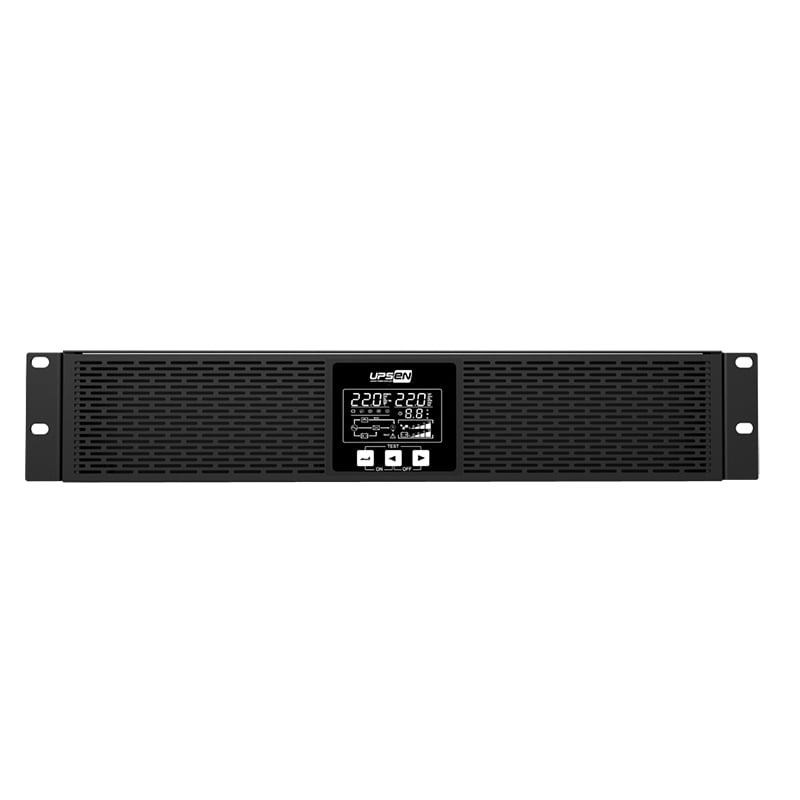
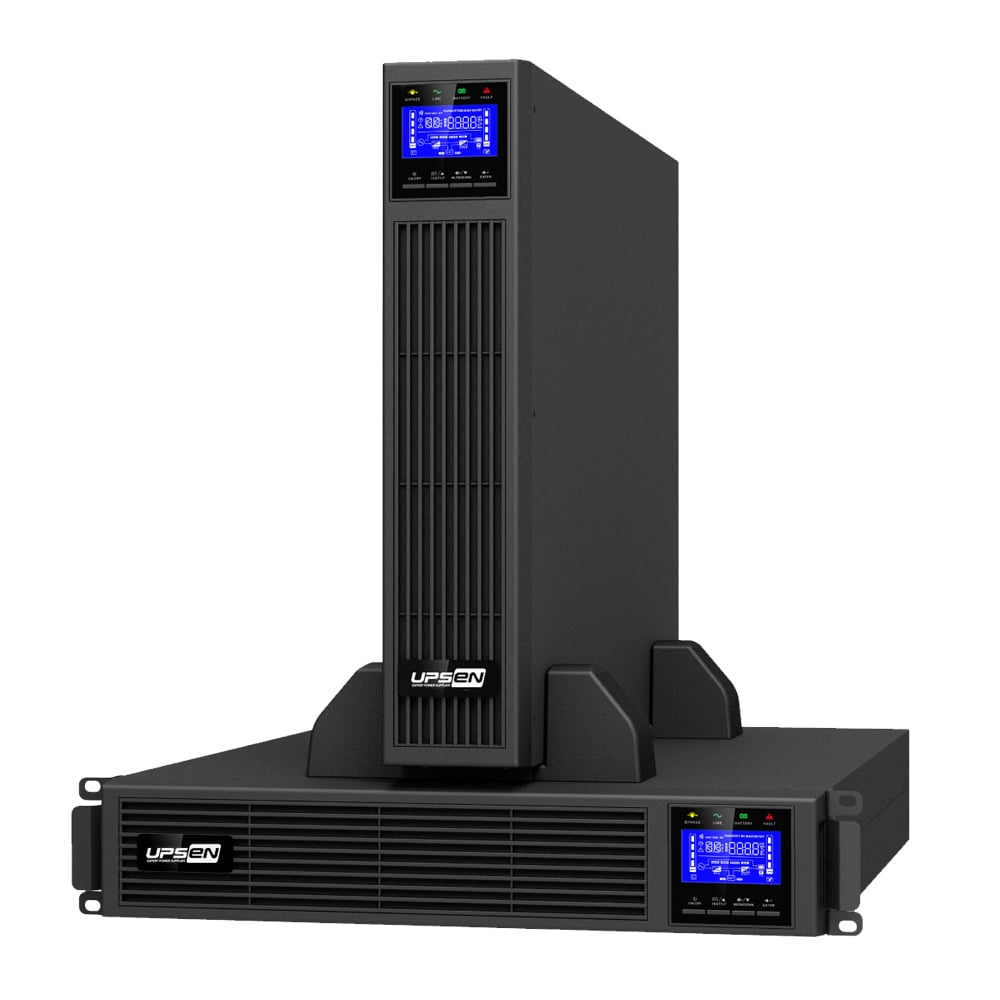
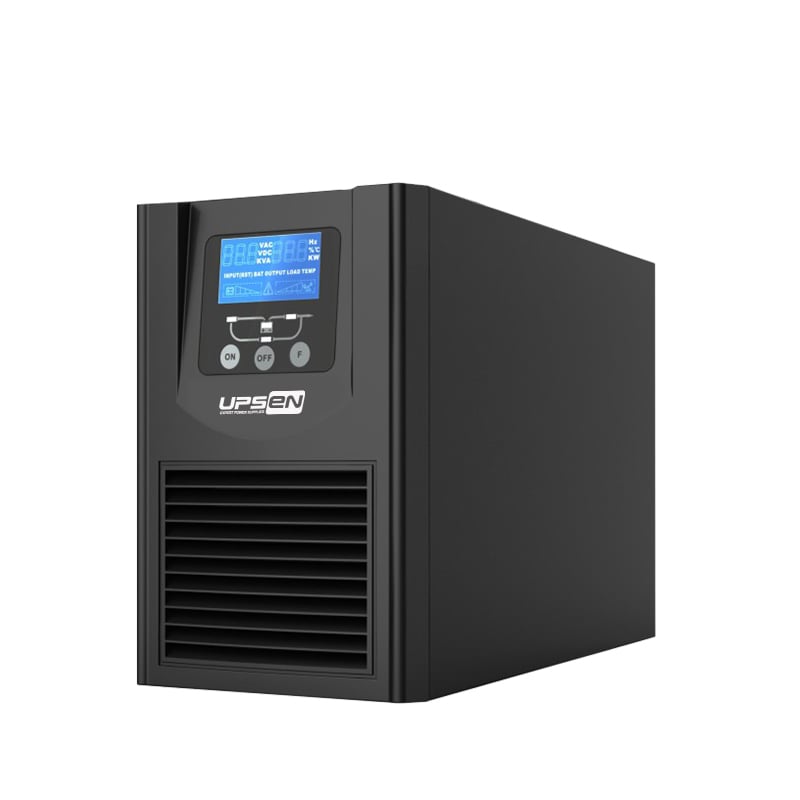
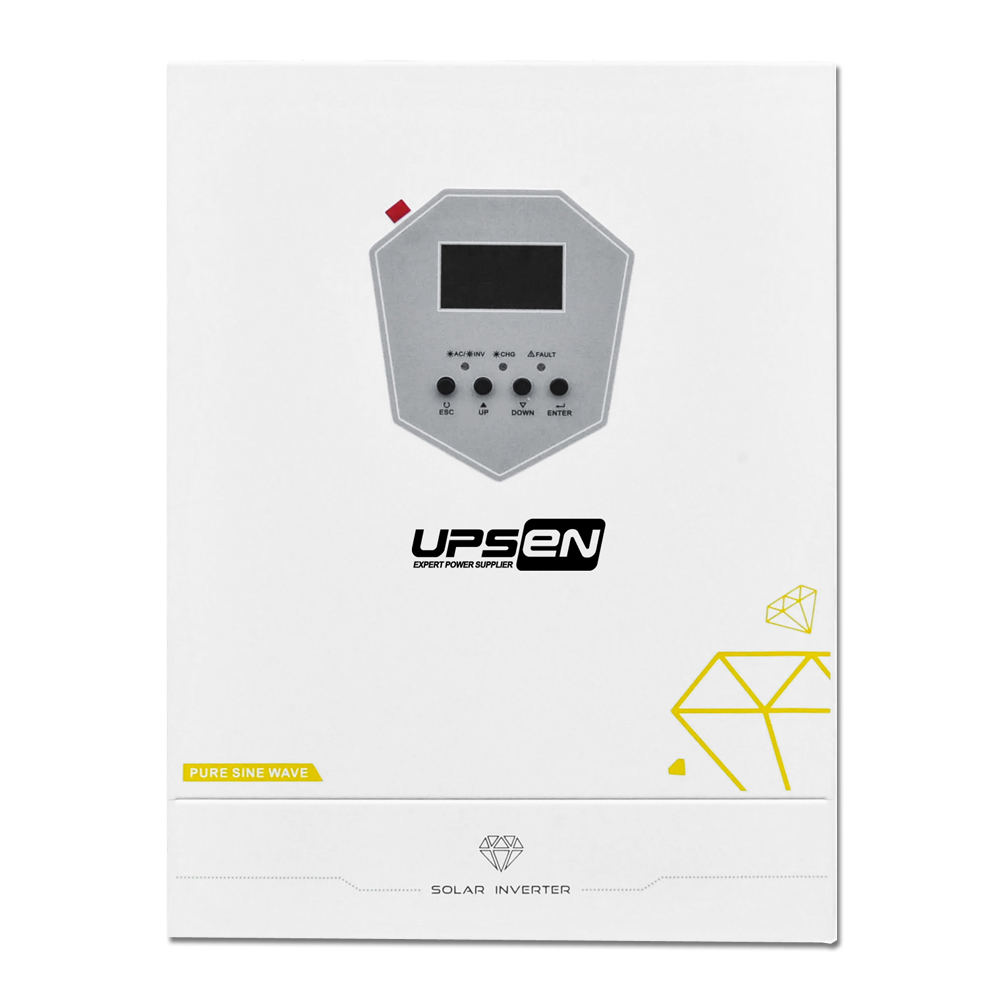
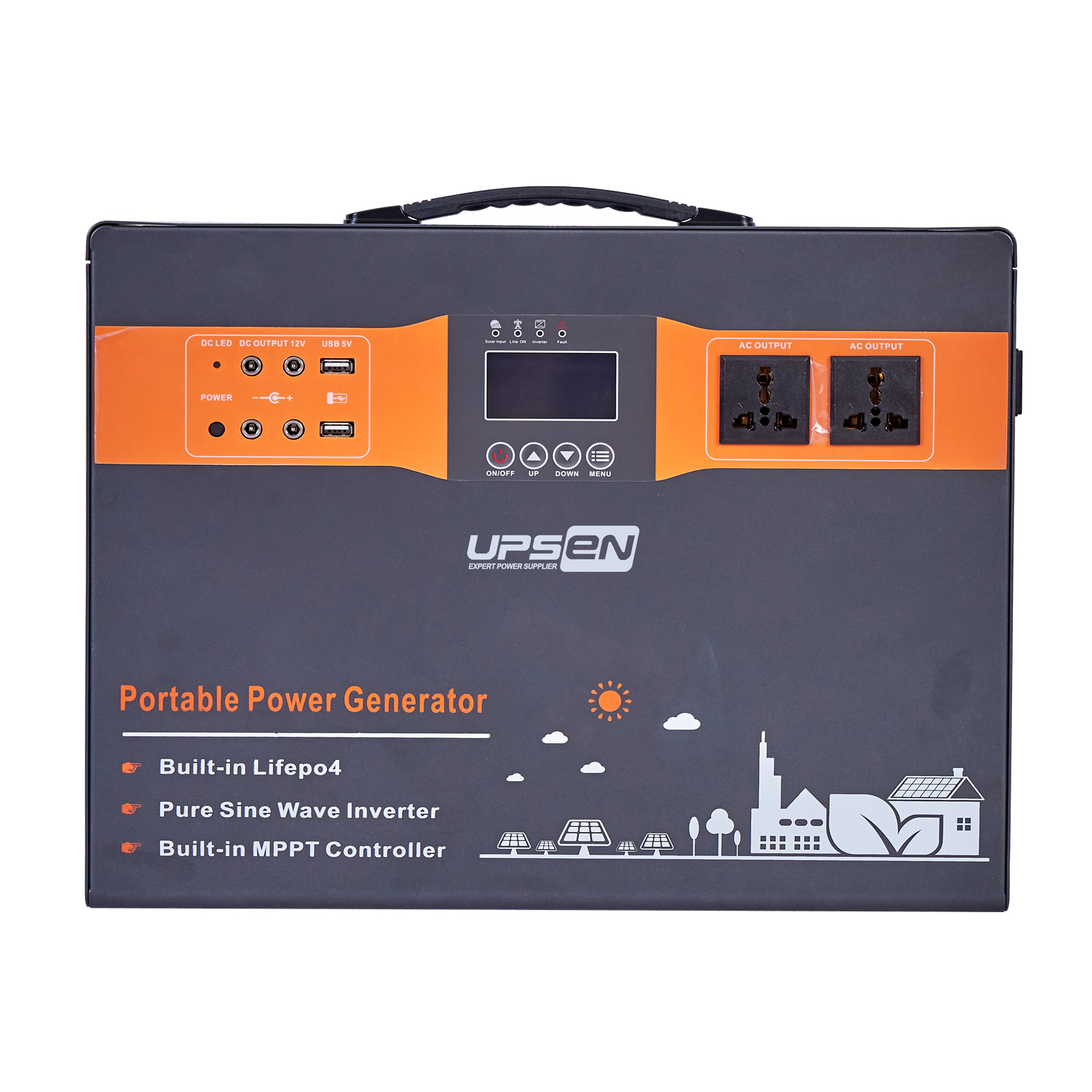
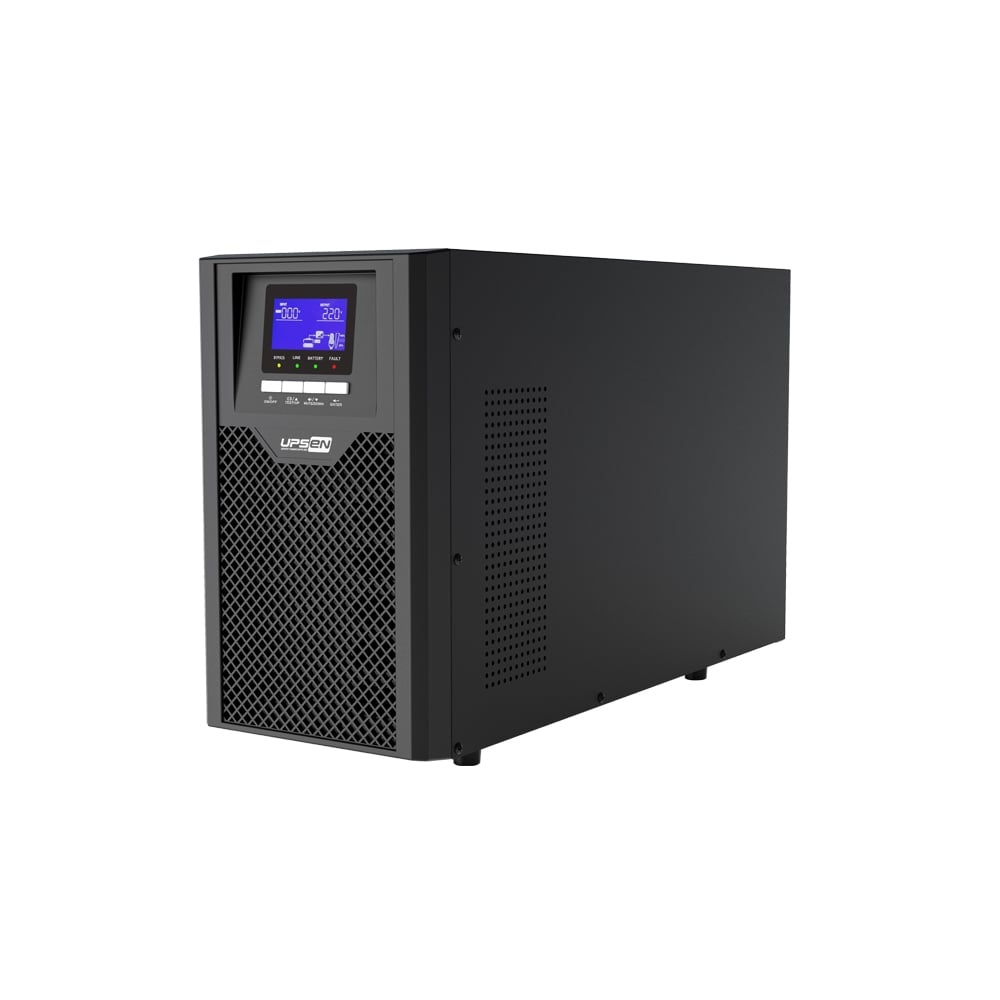
The Uninterruptible Power Supply (UPS) system, often described as the silent sentinel of the modern digital landscape, serves as a critical barometer for global economic resilience and the pace of digital transformation. According to the latest comprehensive industry report, the global UPS system market attained a valuation of US$ 7.36 billion in 2021. The analysis further projects that, propelled by sustained technological iteration and expanding application frontiers, the market is on track to reach US$ 10.09 billion by 2027. This represents a steady Compound Annual Growth Rate (CAGR) of 4.6% during the forecast period of 2022-2027. Beyond mere quantitative metrics, this data underscores a post-pandemic reality where the continuity of power infrastructure has evolved from an operational consideration to a non-negotiable business imperative.
The Evolving Value Proposition: From Backup Appliance to Operational Imperative
To fully contextualize the expansion of the global UPS system market, one must first recognize the fundamental shift in its role. An Uninterruptible Power Supply system provides emergency power backup in the event of utility power anomalies or outright failure. Its primary function is to deliver sufficient on-battery runtime to facilitate the secure shutdown of active equipment—ranging from enterprise servers and data center infrastructure to telecommunication networks—thereby mitigating the risk of operational disruption and catastrophic data loss. When benchmarked against traditional standby generators, UPS systems offer distinct operational advantages, including silent operation, instantaneous response to input power interruptions, and the delivery of consistent, conditioned standby power.
Consequently, UPS systems have transcended their legacy definition as peripheral accessories for mainframe computing. They are now recognized as strategic assets essential for safeguarding business continuity. Whether ensuring the uninterrupted operation of life-support systems in healthcare facilities, protecting high-frequency transaction integrity within financial institutions, or maintaining uptime across telecommunications base stations and retail Point-of-Sale (PoS) terminals, the UPS system fulfills an irreplaceable function. This migration from "optional backup" to "operational necessity" constitutes the foundational bedrock of sustained market growth.
Decoding the Three Primary Market Catalysts
The forecasted expansion toward a US$ 10.09 billion valuation is not occurring in a vacuum. It is the direct result of several converging macroeconomic and technological tailwinds.
1.The Industry 4.0 and Smart Manufacturing Paradigm
The first significant catalyst is the escalating demand for ultra-reliable power solutions within the industrial sector. As global manufacturing transitions toward Industry 4.0 frameworks—characterized by high-density automation, precision robotics, and real-time data telemetry—tolerance for power quality anomalies has approached zero. Even transient voltage sags or micro-outages can disrupt complex production workflows, resulting in substantial material waste and financial exposure. As a result, the deployment of robust UPS systems to manage large-scale manufacturing facilities and safeguard against power shortages has become an integral component of modern industrial infrastructure planning.
2.The Digital Economy's Zero-Downtime Mandate
The second core driver is the relentless pursuit of zero power downtime within the Information Technology (IT) ecosystem. In an era defined by the proliferation of cloud computing, Big Data analytics, Artificial Intelligence (AI), and the Internet of Things (IoT), data centers serve as the physical nexus of the global digital economy. Any unplanned power interruption can precipitate service-level agreement (SLA) breaches, data integrity issues, and immeasurable reputational damage. The global acceleration of data center construction, coupled with the retrofit and modernization of legacy IT infrastructure, continues to inject robust momentum into the global UPS system market.
3.Technological Disruption: The Lithium-Ion Migration
Beyond demand-side pressures, supply-side innovation is a pivotal variable reshaping the competitive landscape. The integration of lithium-ion (Li-ion) battery technology with UPS systems represents one of the most transformative trends currently influencing the industry. The report explicitly notes that in comparison to conventionally utilized Valve-Regulated Lead-Acid (VRLA) batteries, these novel Li-ion variants offer superior operational cycles, enhanced energy efficiency, and higher tolerance to elevated operating temperatures. This technological leap translates directly into a lower Total Cost of Ownership (TCO) for end-users—enabling a smaller physical footprint, extended battery service life, and reduced cooling expenditures. This evolution not only enhances the value proposition of UPS systems but also unlocks new deployment scenarios, particularly within space-constrained edge computing environments.
Market Segmentation and Regional Dynamics
From a topological perspective, the global UPS system market can be segmented into three primary categories: Online, Offline/Standby, and Line Interactive systems. Among these, Online UPS (also known as Double-Conversion UPS) commands a dominant share within mission-critical applications. By continuously converting incoming AC power to DC and then back to AC, Online systems provide a perfect sine wave output, completely isolating connected loads from all forms of grid-borne disturbances.
In terms of power rating, the market is stratified across several key bands: < 5 kVA, 5 - < 50 kVA, 50 - 200 kVA, and > 200 kVA. Currently, the 5 - 50 kVA segment demonstrates strong growth potential, driven by the proliferation of distributed IT infrastructure and small-to-medium enterprise (SME) digitalization. Meanwhile, the > 200 kVA segment continues to benefit from the expansion of hyperscale data centers and heavy industrial applications.
Analyzing the geographical landscape, the Asia-Pacific (APAC) region emerges as the most dynamic and rapidly expanding market for UPS systems. Nations including China, India, Japan, and South Korea are leveraging aggressive industrialization policies, massive internet user bases, and state-sponsored digital infrastructure initiatives to fuel regional growth. Concurrently, North America maintains a significant revenue share, underpinned by a mature data center colocation market and a steady cadence of equipment refresh cycles. Regions including Europe, the Middle East and Africa (EMEA), and Latin America also present distinct and compelling growth opportunities aligned with their respective trajectories of economic modernization and industrial automation.
Future Outlook: Toward a Smarter, Greener Power Assurance Paradigm
Looking ahead, the evolution of the global UPS system market will extend beyond the fundamental provision of backup energy storage toward a paradigm characterized by enhanced intelligence and sustainability. The modern enterprise no longer views a UPS solely as an insurance policy against grid failure; rather, it is increasingly being evaluated as a strategic node within a broader Energy Management System (EMS) . Through smart-grid interactivity, next-generation UPS systems hold the potential to participate in demand response programs—storing energy during periods of low grid utilization and discharging during peak tariff windows, thereby unlocking ancillary revenue streams and operational savings for the enterprise.
Simultaneously, the global consensus surrounding carbon neutrality is accelerating the green transition within the UPS industry. Beyond the widespread adoption of Li-ion chemistry, future efficiency gains will be driven by advancements in transformerless UPS topology and the integration of next-generation semiconductor materials such as Silicon Carbide (SiC) . These innovations will collectively elevate operating efficiency, minimize thermal losses, and reduce the overall carbon footprint of critical power infrastructure.
In conclusion, the projected CAGR of 4.6% and the march toward a US$ 10.09 billion market valuation reflect the confluence of digital transformation, technological disruption, and a global commitment to sustainability. For stakeholders across the value chain—from data center operators to industrial automation specialists—a nuanced understanding of these market dynamics is essential for navigating the complexities of the future power landscape.
 Hot News
2025-07-29
2025-01-22
2026-04-09
2026-07-20
2026-07-21
2026-02-27

1409-1410, Tongfang Center, the intersection of Zhongxin Rd. and Haoxiang Rd., Xinqiao St., Bao'an Dist., Shenzhen, China.
Copyright © Shenzhen UPSEN Electronic CO., LTD. All Rights Reserved Privacy Policy
 EN
EN