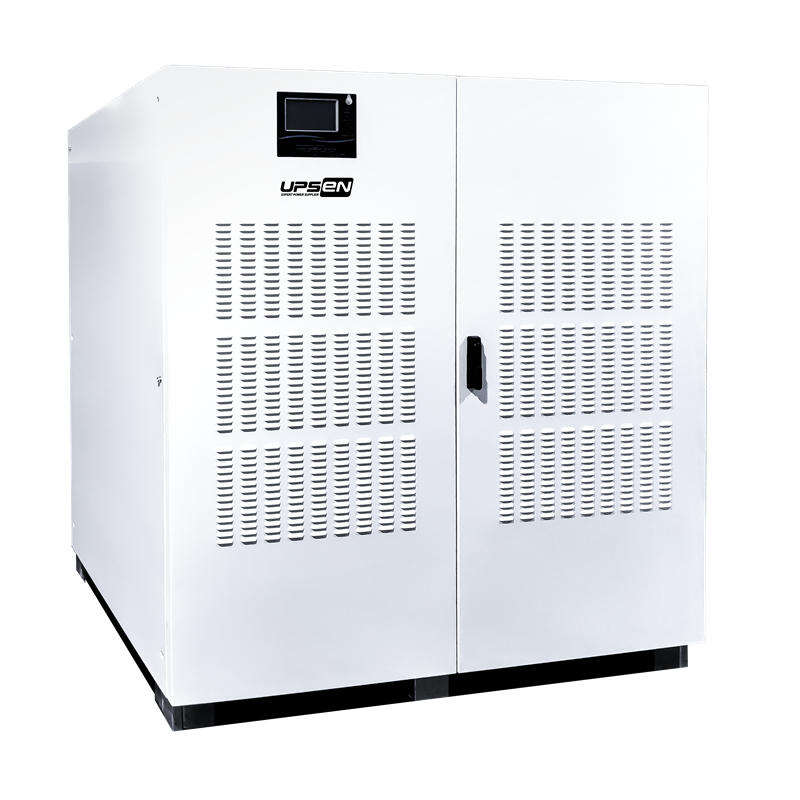
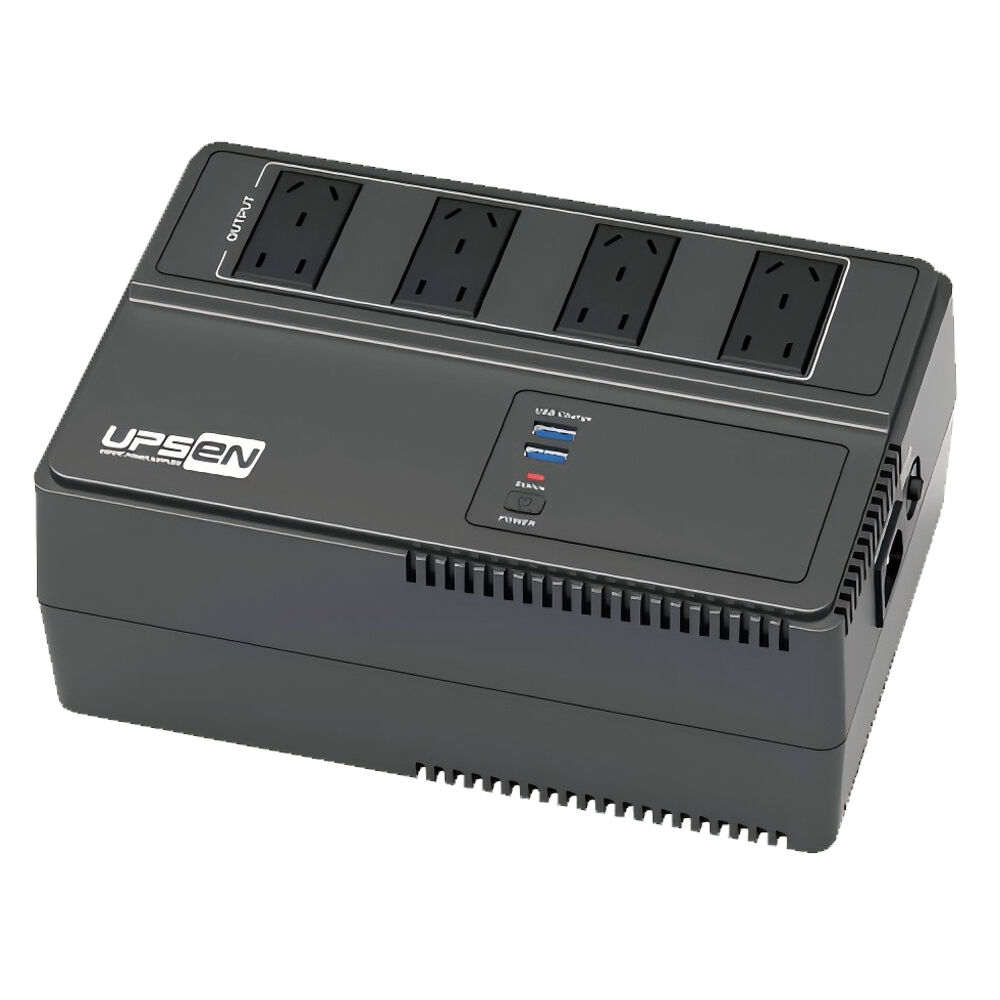
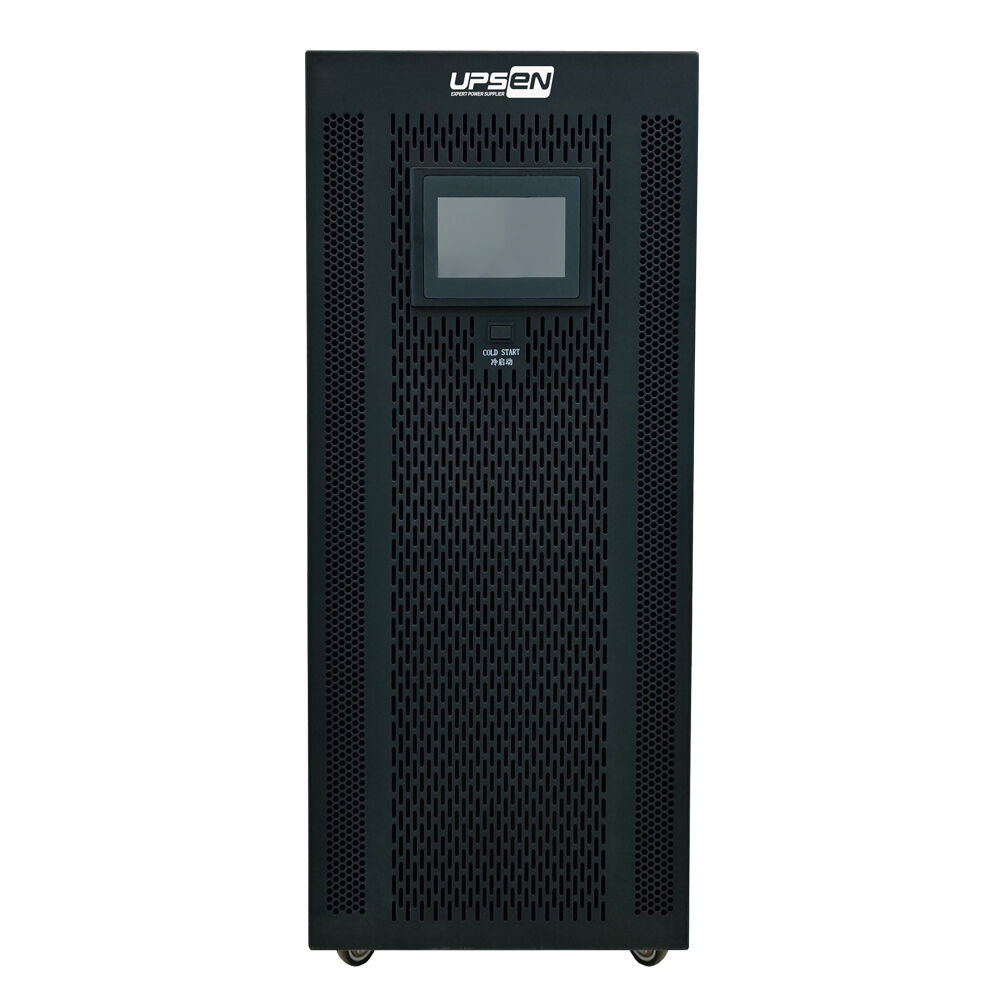
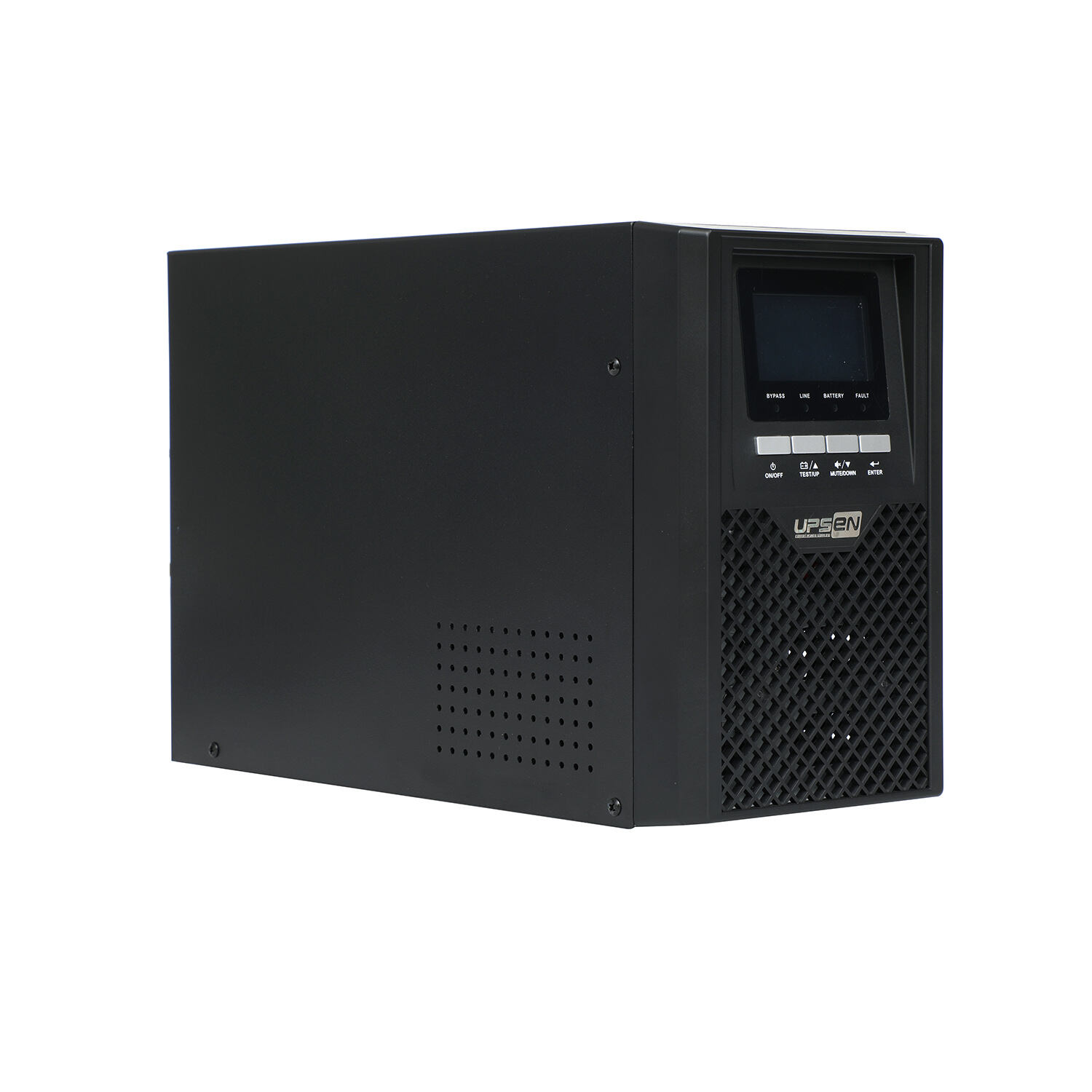
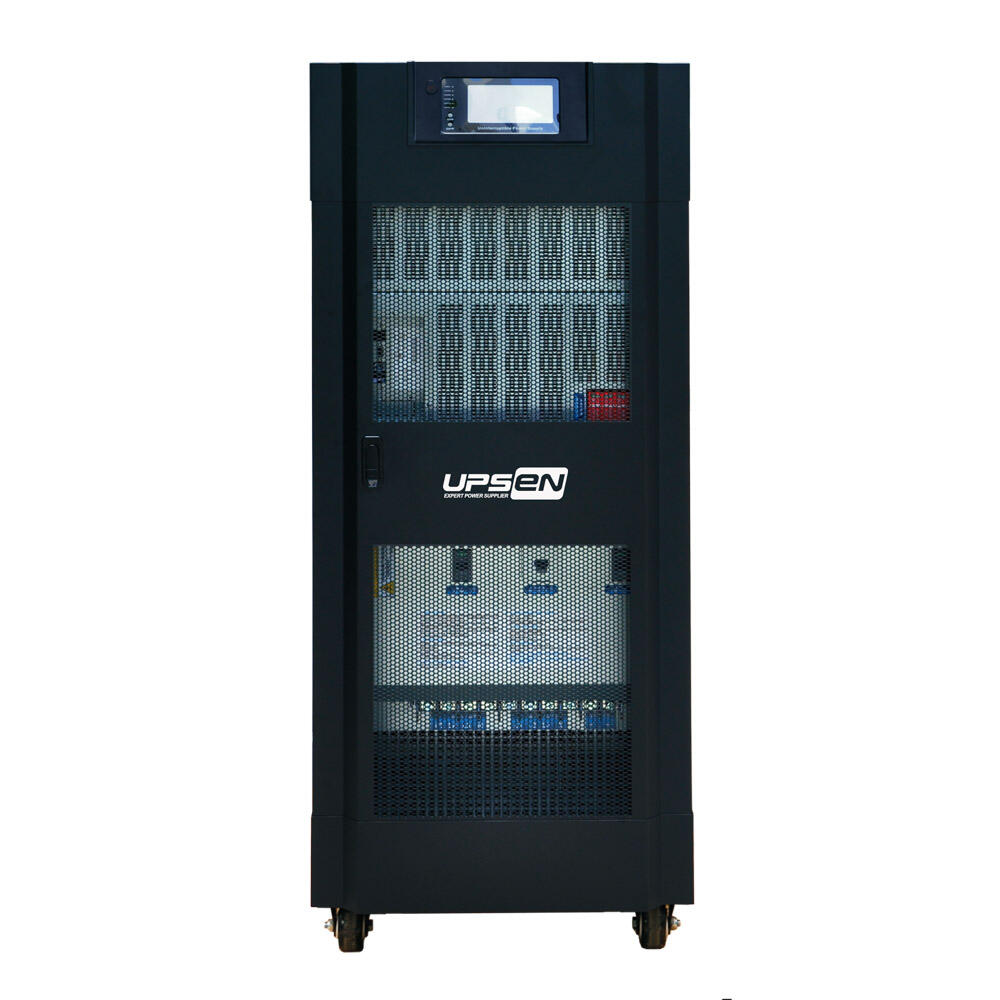
This series has been around long enough to build a solid reputation—high reliability and strong market retention aren’t just claims, they’re the result of how it’s engineered.
At the heart of it is dual-DSP all-digital control. Two digital signal processors handle the work, which means the system stays stable even under demanding conditions. You’re not relying on a single chip to manage everything.

·High reliability,high market retention.
·Using dual-DSP and all-digital control technology,the system has higher stability.
·Built-in output isolation transformer,with stronger load capacity.
·Advanced decentralized autonomous parallel technology,
without centralized bypass cabinet,can achieve up to six parallel.
·Intelligent battery management function,battery cycle self-check, battery EOD time automatic adjustment,automatic maintenance of batteries,prolong battery life.
·5.7 inch LCD display,Chinese and English display interface,to accurately display UPS working status information to users,user-friendly management.
·Independent airtight duct and redundant fan design,all circuit board
three paint protection,built-in dust-proof filter,with efficient heat dissipation and effective protection in harsh environment.
·Standard distribution battery contactor,when the battery is low voltage, automatically disconnect the battery to avoid overdischarge damage to the battery,better guarantee battery life.
·Customized energy back-irrigation absorption device is suitable for feedback load.
·Optional mixer can share battery pack function to save battery cost for users.
|
Model |
LX3310K |
LX3315K |
LX3320K |
LX3330K |
LX3340K |
LX3360K |
LX3380K |
LX33100K |
LX33120K LX33160K LX33200K |
LX33300K |
LX33400K |
||
|
Rated Capacity(VA) |
10KVA |
15KVA |
20KVA |
30KVA |
40KVA |
60KVA |
80KVA |
100KVA |
120KVA |
160KVA |
200KVA |
300KVA |
400KVA |
|
Active Power(W) |
9KW |
10KW |
18KW |
27KW |
36KW |
54KW |
72KW |
90KW |
108KW |
144KW |
180KW |
270KW |
360KW |
|
INPUT |
|||||||||||||
|
Voltage Range |
380/400/415Vac(-25%~+20%)Three phase five wire |
||||||||||||
|
Frequency Range |
50/60Hz±5Hz Auto identification |
||||||||||||
|
Power Factor |
20.8(without filter),≥0.95(with fiter) |
||||||||||||
|
Rated Current |
18A |
28A |
37A |
56A |
74A |
112A |
148A |
185A |
224A |
298A |
371A |
557A |
742A |
|
OUTPUT |
|||||||||||||
|
Rated Voltage |
380 /400 /415Vac±1% |
||||||||||||
|
Frequency |
50/60Hz |
||||||||||||
|
Frequency Stability |
50 /60(±0.05%)Hz at battery mode |
||||||||||||
|
Wave Form |
Sine wave |
||||||||||||
|
Power Factor |
0.9 (lagging) |
||||||||||||
|
Total Harmonic Distortion |
≤3%(linear load),≤5%(nonlinear load) |
||||||||||||
|
Overload Capacity |
110%/125%/150%for 60min/10min/1min |
||||||||||||
|
Crest Factor |
3:1 (Max.) |
||||||||||||
|
Transfer Time |
Oms,Normal mode to Battery mode or vice versa |
||||||||||||
|
BYPASS |
|||||||||||||
|
Rated Voltage |
380/400/415Vac three phase five wire |
||||||||||||
|
Voltage Protection Range |
-40%~+20% |
||||||||||||
|
Rated Frequency |
50/60Hz |
||||||||||||
|
Frequency Protection Range |
±20% |
||||||||||||
|
Transfer Time |
Oms/2ms |
||||||||||||
|
BATTERY |
|||||||||||||
|
Voltage Range for Inverter Operation(VDC) |
320~490VDC |
||||||||||||
|
PANEL |
|||||||||||||
|
LED |
Input,Inverter,Bypass,Battery,Output and Status |
||||||||||||
|
LCD |
Input/Output Voltage,Frequency,Power Factor,Battery Voltage,Battery Curent and Status,Load Percentage,UPS Status,History Record,Settings |
||||||||||||
|
COMMUNICATION |
|||||||||||||
|
Interface |
RS232,RS485,Dry contact,SNMP card |
||||||||||||
|
ENVIRONMENT |
|||||||||||||
|
Working Temperature |
0~40℃ |
||||||||||||
|
Relative Humidity |
0~95%(without condensing) |
||||||||||||
|
Storage Temperature |
-25℃~+70℃ |
||||||||||||
|
Alitude |
≤1000m above sea level,1%derating per 100m from 1000m to 2000m |
||||||||||||
|
Noise at 1m |
≤70dB |
||||||||||||
|
Optional |
Harmonic Filter,SNMP adapter,Bypass current-sharing inductor |
||||||||||||
|
PHYSICAL |
|||||||||||||
|
Machine Size- W"D'H(mm) |
570*800*1195 |
880*760*1600 |
1751160*805*1600 |
1400*945*1900 |
1635*1040*1900 |
||||||||
|
Net Weight(KG) |
213 |
273 |
273 |
316 |
328 |
483 |
568 |
800 |
902 |
1219 |
1425 |
1800 |
2050 |
|
Gross Weight(KG) |
259 |
319 |
319 |
362 |
374 |
553 |
638 |
886 |
988 |
1349 |
1555 |
1950 |
2200 |
|
*Specification are subject to change without prior notice |
|||||||||||||
One of the bigger differences you’ll notice is the built-in output isolation transformer. That’s a deliberate design choice for low-frequency UPS units—it gives the system stronger load capacity and adds a layer of electrical isolation between your equipment and the utility.
If you need to scale capacity or add redundancy, the parallel technology here is worth a closer look. It’s decentralized autonomous parallel—no centralized bypass cabinet required. You can run up to six units in parallel, and they coordinate without a single point of failure in the parallel system.
Battery management is smarter than most. It does automatic cycle self-checks, adjusts the estimated end-of-discharge time as batteries age, and handles routine maintenance automatically. The goal is simple: get more usable life out of the battery bank.
There’s also a standard distribution battery contactor built in. If the battery voltage drops too low, it automatically disconnects to prevent overdischarge damage. Small detail, but it makes a real difference in battery longevity.
The physical design is built for tough environments. An independent airtight duct keeps cooling airflow separate from sensitive components. Fans are redundant, so cooling doesn’t stop if one fan fails. Every circuit board gets three layers of protective coating, and there’s a built-in dust-proof filter. Together, that adds up to a unit that keeps running in places where dust, heat, or humidity would cause problems for a standard UPS.
The display is a 5.7-inch LCD with a bilingual interface (Chinese and English). It gives you detailed status info without having to dig through menus or hook up a laptop.
For specialized applications, there are a couple of options worth noting. One is a custom energy back-irrigation absorption device—designed for applications where the load can feed energy back into the UPS (like certain motor drives or regenerative equipment). Another is an optional battery sharing module that lets multiple UPS units share a common battery bank, which can save a significant amount on battery costs in multi-unit setups.

1409-1410, Tongfang Center, the intersection of Zhongxin Rd. and Haoxiang Rd., Xinqiao St., Bao'an Dist., Shenzhen, China.
Copyright © Shenzhen UPSEN Electronic CO., LTD. All Rights Reserved Privacy Policy
 EN
EN